Johny Prima
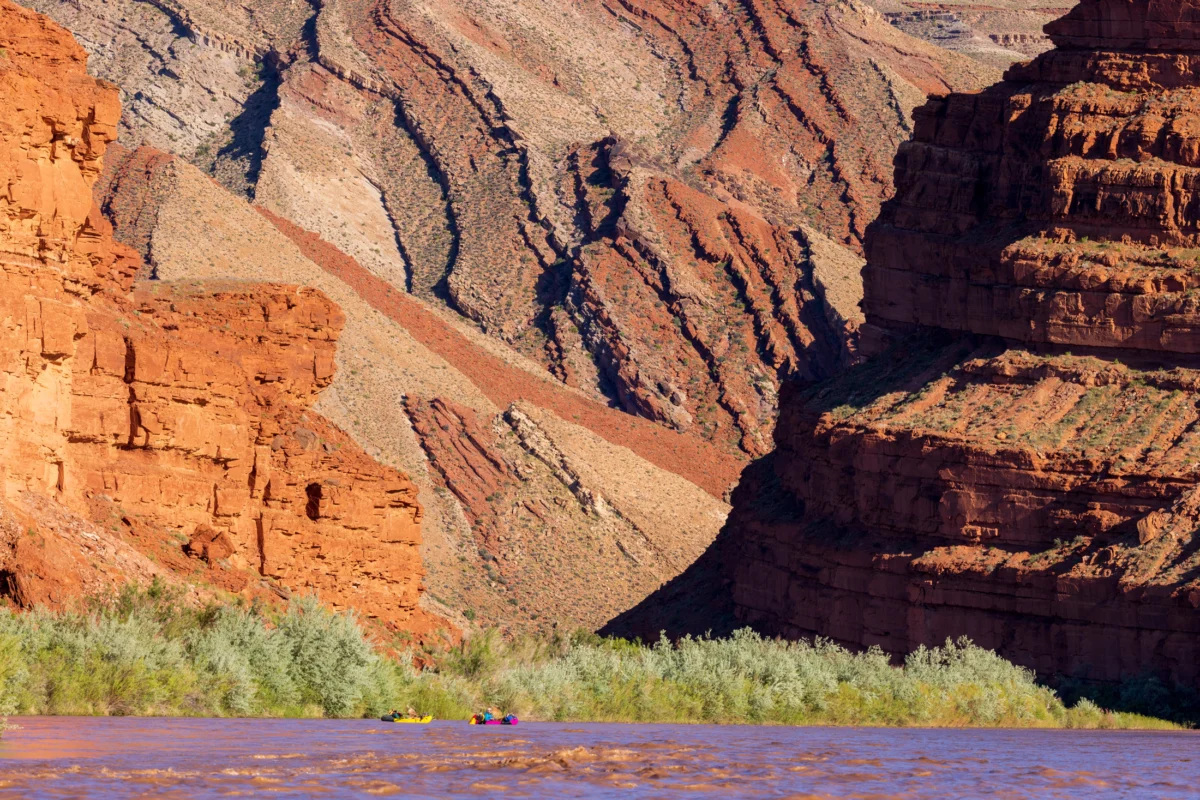
In a swift and controversial move, the Bears Ears Commission, a groundbreaking body established to ensure direct tribal involvement in the stewardship of 1.35 million acres of ancestral lands in southern Utah, was abruptly dismantled on Monday following a presidential proclamation. President Donald Trump announced a drastic 91% reduction in the Bears Ears National Monument, a decision that effectively eliminated the commission and opened vast tracts of protected land to potential resource extraction. Simultaneously, a separate declaration slashed the nearby Grand Staircase-Escalante National Monument by 90%, collectively removing federal protections from approximately 3 million acres across the state. This action marks a significant escalation from previous attempts by the Trump administration to reduce monument boundaries, which were later reversed under President Joe Biden, and is the culmination of a protracted campaign by the state of Utah to limit Indigenous oversight and access to these culturally significant landscapes.
The immediate fallout from the decision resonated deeply within tribal communities and conservation circles. Davina Smith-Idjesa, co-chair for the Bears Ears Inter-Tribal Coalition and its Navajo Nation representative, voiced profound distress in a press call Tuesday morning, stating, "I am angry. I am hurt, and I am tired of standing here having to explain again why Bears Ears matters to me." The Bears Ears Inter-Tribal Coalition, a nonprofit formed by the Hopi Tribe, Navajo Nation, Ute Indian Tribe, Ute Mountain Ute Tribe, and Zuni Tribe, has been at the forefront of advocating for the monument’s protection and upholding the principle of tribal co-management. This coalition represents a powerful, unified voice for sovereign nations whose histories, spiritual practices, and livelihoods are inextricably linked to these lands, rich with archaeological sites, sacred spaces, and traditional gathering areas.

The 2016 establishment of Bears Ears National Monument by President Barack Obama was heralded as a landmark achievement in Indigenous land rights and conservation, a direct response to decades of tribal advocacy for the protection of their ancestral territories. The creation of the Bears Ears Commission was central to this vision, embodying a commitment to shared stewardship where tribal nations would have an equal seat at the table with federal agencies in planning for the land’s future. Its abolition, therefore, represents not just a boundary reduction but a profound setback to the progress made in recognizing tribal sovereignty and integrating Indigenous knowledge into federal land management. "We have been here before, but this cuts even deeper," Smith-Idjesa emphasized. "To reduce Bears Ears again is devastating, but to abolish the Bears Ears Commission is to attempt to erase years of tribal leadership, relationships and work between sovereign tribal nations and our federal partners."
Critically, the Bears Ears Inter-Tribal Coalition reported that the Department of the Interior, under the Trump administration, had previously pledged to consult with the commission before considering any modifications to the monument’s boundaries. This promised consultation, a cornerstone of respectful government-to-government relations with sovereign tribal nations, never materialized. The unilateral nature of Monday’s proclamation underscores a broader disregard for established protocols and the inherent rights of Indigenous peoples.
Monte Mills, director of the Native American Law Center at the University of Washington, highlighted the far-reaching implications of the proclamation’s language. The order went beyond merely shrinking the monument; it actively sought to diminish the intrinsic value of the protected areas, describing objects within the monument as "not of particular historic or scientific interest" and the landscape as "generic features" "not worthy of protection." This rhetoric, Mills argued, is an attempt to "rewrite and trying to erase the real history and meaning and value of this place," aligning with what he termed "a broader project of white nationalism" that includes efforts to remove Indigenous histories from national park signage. Such actions not only undermine the cultural and scientific integrity of these lands but also perpetuate a long history of minimizing Indigenous connections to their ancestral homelands.

The Grand Staircase-Escalante National Monument, established by President Bill Clinton in 1996, has faced similar pressures. The Inter-Tribal Coalition expanded its advocacy to include this monument last year, seeking to integrate tribal perspectives into its management. Both monuments had finalized comprehensive resource management plans in 2025, developed through extensive public and tribal consultation, with Bears Ears emerging as a model for Indigenous leadership in land stewardship. The current administration’s actions demonstrate the inherent vulnerability of tribal co-management models to shifting political tides and external influences, highlighting the precarious balance between conservation, resource development, and Indigenous rights on federal lands.
The reductions are part of a wider pattern of policy shifts impacting public lands management across the United States. "What we’re seeing this week is the fundamental destruction of public-lands management as we know it, from grazing rules, oil and gas rules, Endangered Species Act rules, Bears Ears," Mills observed, suggesting a systemic reshaping of federal environmental and land use policies. This comprehensive rollback, according to Mills, sees the federal government "fully stepping back from its obligations" at the "behest of Utah politicians."
Indeed, Utah state officials have maintained a contentious relationship with the monuments within their borders. In blistering public comments from 2024 on a draft of the Bears Ears resource management plan, the state accused federal agencies of focusing on "eliminating the State’s rights from this land," claiming "wholesale deference" to the Bears Ears Commission and an intent to "create a new ‘Indian Country’" through the national monument. Utah also controversially requested that agencies be "more inclusive of living, non-Indigenous people," alleging that the draft plan "gives less respect, dignity and protections to their heritage when compared to the heritage of the area’s Indigenous people." These sentiments underscore a fundamental disagreement over the purpose and management of these lands, with the state prioritizing resource extraction and broader public access over the specific protections afforded to cultural heritage and ecological preservation. Utah had previously sued over President Biden’s restoration of the monuments in 2022, and state officials have consistently advocated for policies promoting "use" over "non-use," a stance echoed by President Trump at Monday’s proclamation ceremony when he inaccurately claimed activities like hunting, fishing, and even walking were prohibited in the monuments, all of which are, in fact, permitted.

The decision to shrink the monuments has been met with widespread opposition from a diverse coalition including tribal leaders, members of Congress, conservationists, recreational enthusiasts, and local communities. Legal challenges are already underway. The Native American Rights Fund (NARF), representing three of the tribes on the Bears Ears Commission, stated on Tuesday that the president lacks the constitutional authority to unilaterally shrink national monuments. Matthew Campbell, NARF Deputy Director, affirmed their commitment: "We will pursue every available legal course of action to stop these illegal attacks on Native homelands, culture, and people." This legal battle is expected to be protracted, potentially reaching the Supreme Court, as it challenges the interpretation and application of the 1906 Antiquities Act, which grants presidents the power to designate national monuments but is silent on their authority to revoke or significantly reduce them.
Hillary Hoffmann, a professor of law at the University of Wyoming and former co-director of the Bears Ears Inter-Tribal Coalition, believes the constant back-and-forth over the monuments’ boundaries signals a critical need for judicial resolution on these fundamental legal questions. She suggested that Congress could provide a permanent solution by legislatively protecting Bears Ears and Grand Staircase-Escalante and codifying tribal co-management. Despite the current setback, Hoffmann remains optimistic about the future of collaborative land stewardship, asserting, "I don’t think that this strikes any kind of death knell for collaborative management or co-stewardship." The enduring spirit of the tribal nations involved reinforces this resilience. Long before the commission’s establishment, the five tribes united to form the Bears Ears Inter-Tribal Coalition to advocate for the land that eventually became the monument. That vital work, they affirm, will continue unabated.
As Smith-Idjesa powerfully concluded, "Our connection to Bears Ears did not begin with a presidential proclamation, and it will not end with one. You can abolish a commission, you can redraw a boundary, but you cannot erase our prayers from this land. You cannot erase the footprints of our ancestors from this land. You cannot erase us. We are still here." This unwavering declaration underscores the deep spiritual and cultural ties that transcend political decrees, highlighting the ongoing struggle for recognition, respect, and sovereignty over ancestral lands in the face of shifting political landscapes. The global implications of this decision resonate far beyond Utah, serving as a stark reminder of the challenges faced by Indigenous communities worldwide in protecting their heritage and ensuring their right to self-determination in land management.