Joko Susilo
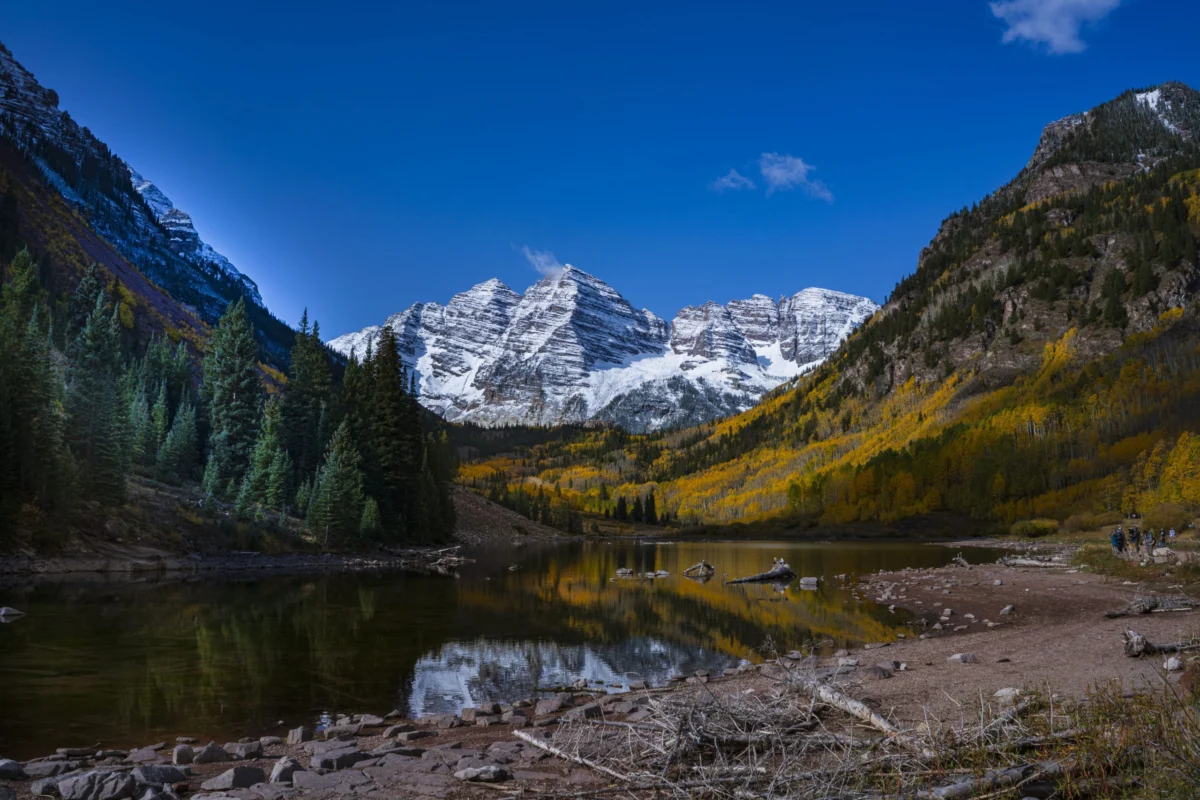
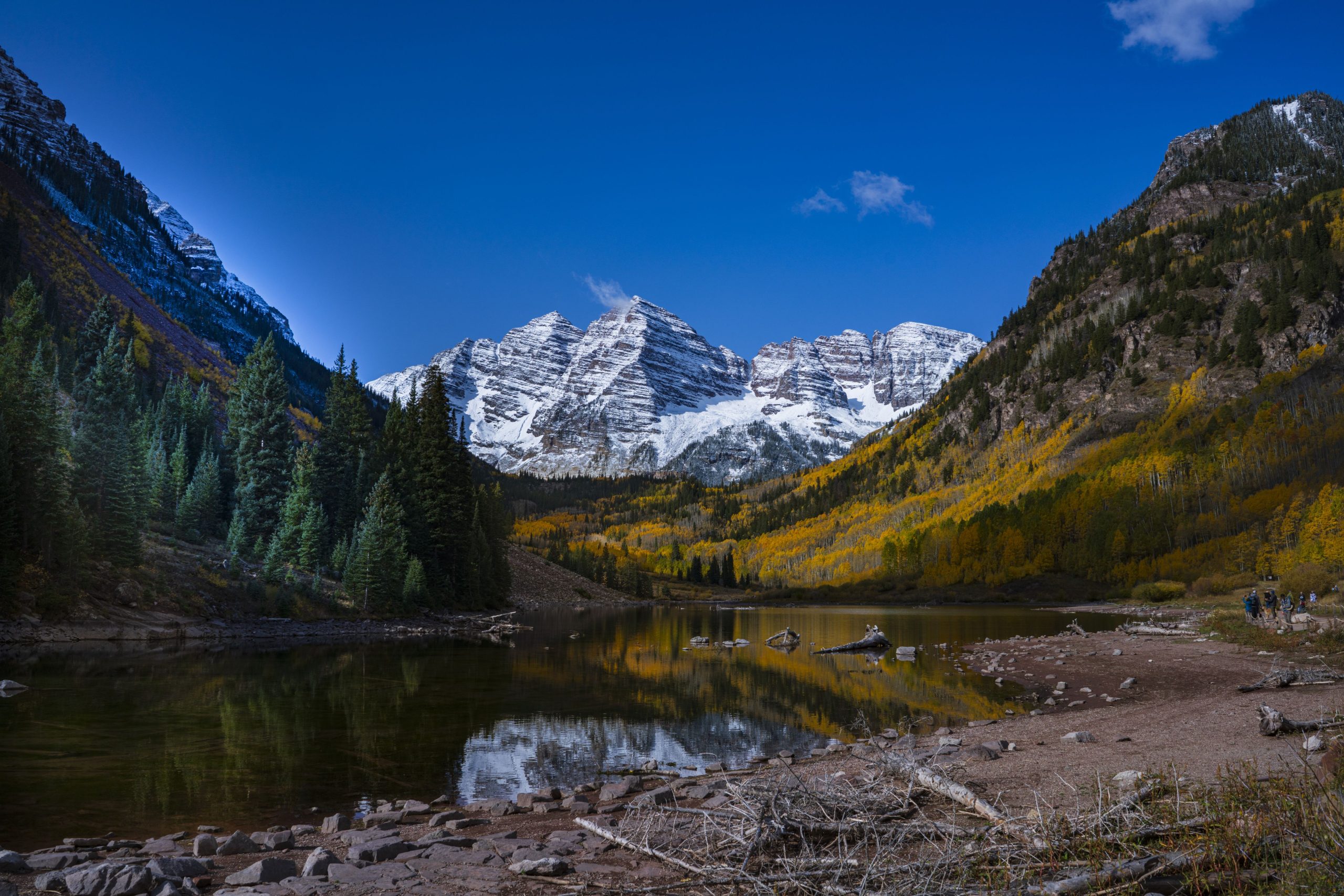
The majestic Maroon Bells, a globally recognized symbol of the Colorado Rocky Mountains and a cherished destination for millions of outdoor enthusiasts, is undergoing a significant management transition, prompting a broader national discussion about the funding and future of America’s public lands. Effective 2027, Pitkin County, Colorado, will assume operational control of a roughly 1,300-acre section of the Maroon Bells Scenic Area, a move necessitated by persistent U.S. Forest Service (USFS) budget cuts and chronic staffing shortages. This local takeover, while hailed by some as a pragmatic solution to immediate operational challenges, has simultaneously fueled anxieties among conservationists and public land advocates who fear it could set a troubling precedent for the privatization of federally owned landscapes across the nation.
On September 23, Pitkin County commissioners unanimously approved a special use permit, formalizing their intent to manage the heavily visited scenic area. Crucially, they also established a dedicated fund, to be financed through site fees, specifically for the maintenance and upkeep of the beloved site. This initiative seeks to bridge the financial gap left by dwindling federal resources, ensuring the continued accessibility and preservation of an area that serves as a vital economic driver and cultural touchstone for the region. The scenic area, nestled approximately ten miles from the affluent ski resort town of Aspen, acts as the primary gateway to the vast Maroon Bells-Snowmass Wilderness, an integral part of the White River National Forest, which stands as one of the most frequently visited national forests in the United States. Last year alone, the scenic area welcomed an astounding 191,000 visitors between May and October, underscoring its immense popularity and the considerable management demands it places on resources.
The U.S. Forest Service, traditionally tasked with overseeing the area, openly admits it no longer possesses the necessary personnel or financial wherewithal to manage it adequately. The agency has faced a precipitous decline in its workforce, shedding nearly 6,000 employees nationwide in 2025. Compounding this systemic issue, the proposed budget for fiscal year 2027, put forth by the Trump administration, threatens to exacerbate the situation further with a staggering 75% reduction in USFS funding. The impact of these cuts has been particularly acute at the local level; the White River National Forest, for instance, has seen a third of its year-round staff disappear since 2024, shrinking from 169 to a mere 111 employees. Forest Supervisor Brian Glaspell revealed that the Maroon Bells operation alone runs an annual deficit exceeding $300,000, illustrating the dire financial straits that prompted the transfer.
For many, this shift represents more than just a local administrative adjustment; it signals a potential harbinger of broader privatization efforts. Aaron Weiss, executive director of the Center for Western Priorities, articulated these concerns bluntly, stating, "This is the camel’s nose under the tent. The Trump administration wants to sell off lands wherever it can and privatize lands wherever it can’t. So this is the test case for privatization." This sentiment resonates deeply within a wider debate across the American West, where various state legislatures and conservative groups have long advocated for increased local or state control, and in some cases, outright sale, of federal lands. They argue that local entities are better equipped to manage these resources, while critics contend such moves threaten public access and environmental protections.
Despite these overarching concerns, local stakeholders within the Roaring Fork Valley have largely expressed support for Pitkin County’s intervention, even as they lament the circumstances that necessitated it. Will Roush, executive director of the Wilderness Workshop, an influential environmental advocacy group based in the region, commented, "The county is responding to unfortunate circumstances on behalf of our community. The real tragedy is this administration’s failure to adequately invest in and staff our federal land-management agencies and the places that are so fundamental to our state’s identity." This reflects a pragmatic acceptance of the immediate need for local action to prevent further degradation of a cherished natural asset, while simultaneously criticizing the systemic federal disinvestment.
Indeed, the effects of federal budget cuts have already manifested in deferred maintenance and decaying infrastructure. Gary Tennenbaum, director of Pitkin County Open Space and Trails, highlighted the county’s proactive role in repairing and reopening bathroom facilities and clearing mudslide debris, demonstrating their capacity and commitment. Tennenbaum firmly dismissed the notion that this management transfer establishes a worrisome precedent, arguing instead that "the precedent has already been (set) that the federal government is not going to fund these things." He emphasized that the county is focused solely on managing the designated scenic area, a relatively small, developed site that acts as the entry point to the expansive 181,000-acre Maroon Bells-Snowmass Wilderness. The critical importance of preserving this iconic landscape, he argued, outweighs the fears of privatization. "You got to find a way to manage the resources, because they’re too special to let go," Tennenbaum asserted, adding, "The reality right now is our public lands are in trouble, and there are a lot of good counties out there that want to help."
Tennenbaum further disclosed that the Forest Service had indicated that if Pitkin County did not assume management, the agency would be compelled to solicit bids from private concessionaires. Critics contend that under a profit-driven private entity, access fees would almost certainly escalate far beyond what is anticipated under county stewardship. This scenario, according to Weiss, is akin to the administration "pulling a ‘That’s a nice mountain you got there, it would be a shame if something happened to it’ routine," forcing local communities into difficult choices.
The financial disparity among counties raises another critical concern. Pitkin County, with its robust tax base fueled by the Aspen economy, possesses the fiscal capacity to absorb the costs of facility and land management, including addressing years of backlogged repairs. However, many other counties across the United States simply lack such resources. Mark Squillace, a distinguished professor of natural resource law at the University of Colorado Law School, warned in a September 14 letter to county commissioners and the Forest Service that "a concession for Pitkin County is a slippery slope that could lead the Forest Service to pursue agreements like this in many other national forests with public and private parties that may not have the resources or commitment that Pitkin County brings to the table." This highlights the potential for an uneven playing field, where only affluent areas can afford to maintain their public lands, leaving others vulnerable to neglect or more aggressive forms of commercialization.
Adding another layer of controversy, the Maroon Bells management transfer represents one of the first high-profile tests of the Forest Service’s revised National Environmental Policy Act (NEPA) rules. Implemented in April, these new regulations allow public-lands agencies to approve certain actions, termed "categorical exclusions," without the standard public input or a comprehensive written environmental finding. While historically reserved for low-stakes decisions like repainting buildings or temporary road closures, the application of a categorical exclusion to a management transfer of this scale has drawn sharp criticism. Following significant public backlash, the Forest Service belatedly opened a 15-day comment period, which concludes on October 9. Squillace vehemently argued that employing a categorical exclusion for such a substantial transfer of management responsibility is legally dubious, stating, "The idea that the Forest Service can lawfully categorically exclude this proposal is laughable." In response, Forest Supervisor Glaspell maintained that issuing the permit does not constitute a "wholesale transfer" of management but rather "an authorization to conduct activities in a specified manner."
Weiss echoed concerns about the broader implications, warning that such transfers are increasingly probable in states like Utah, which have explicitly signaled their willingness to privatize public lands. "If you can do that at the Maroon Bells, at one of the most iconic hikes in the state of Colorado," Weiss questioned, "why not anything else?" This underlines the fear that the current situation could set a dangerous precedent, normalizing the delegation of federal land management to local or private entities, potentially eroding the federal government’s long-standing stewardship role over national treasures.
This is not an entirely novel situation for under-resourced federal land managers seeking to alleviate financial and personnel strain, although the Maroon Bells case has garnered significant attention due to its iconic status. In 2024, the Forest Service proposed a similar arrangement at Sweetwater Lake, also within the White River National Forest. In that instance, the agency suggested that the state of Colorado assume management, effectively transforming it into a state park. That deal successfully transferred 840 acres to Colorado Parks and Wildlife, critically, the Forest Service committed to a full environmental impact statement with a public scoping period, a stark contrast to the categorical exclusion initially pursued for Maroon Bells. The agency has not publicly clarified the differing approaches in these two similar cases.
Public-lands advocates also express apprehension that the Maroon Bells handover could facilitate fee increases levied by the county that bypass stringent federal processes. Squillace pointed out that while the Federal Lands Recreation Enhancement Act allows federal agencies to enter concession contracts for service provision on public lands, it explicitly prohibits delegating core management responsibility to concessionaires. "I am concerned that the line between providing services and exercising management responsibility is pretty thin," Squillace noted, highlighting the ambiguity and potential for overreach in such arrangements.
Ultimately, these transfers risk opening a "Pandora’s box," where public recreation sites are increasingly compelled to cover their own operational costs. This commercial pressure, critics argue, could inadvertently increase incentives for resource extraction or more intensive development on federally managed lands to maximize profits, fundamentally altering the character and purpose of these protected areas. For Maroon Bells, the approved transfer will lead to price increases for vehicle entrance, season passes, and camping. Tennenbaum clarified that these adjustments are long overdue, as prices have not changed since 1997, aiming to align them with similar recreational areas. Vehicle entrance fees will rise from $10 to $30, and camping from $15 to $33, though shuttle fares will remain unchanged. All revenue generated will be channeled into a dedicated fund exclusively for the area’s management.
The Forest Service has stated it will carefully consider all public comments before formally signing the categorical exclusion. The permit also requires final approval from both the agency and the Department of Agriculture. If approved, Pitkin County is slated to commence operations for the 2027 season under a five-year permit, renewable for an additional five years. Tennenbaum expressed a hopeful outlook, stating, "Hopefully, we can get a national reckoning, and we can get funding allocated to manage our public lands. Hopefully, that happens, and we would happily give it back." This sentiment underscores the underlying desire for robust federal investment in public lands, suggesting that local takeovers, while necessary in the short term, are ultimately a stopgap measure in the face of a larger, systemic challenge.