Johny Prima
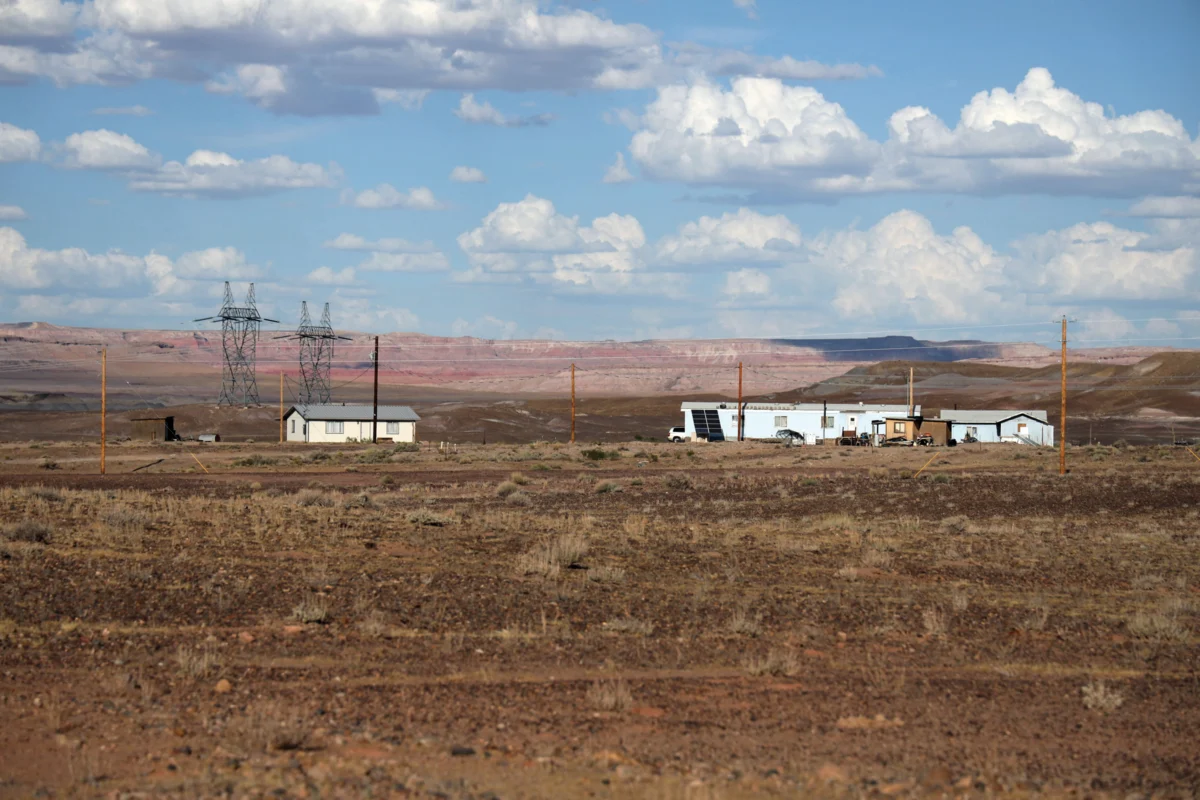
A monumental renewable energy project, the proposed Painted Desert Power installation, is poised to reshape the landscape of the Navajo Nation in northeast Arizona, yet it faces profound skepticism and a deep-seated distrust from local communities, particularly within the Coalmine Canyon Chapter. Initially envisioned as a roughly 1,000-acre solar farm, the project rapidly expanded to encompass over 4,000 acres of rangeland, igniting anxieties among residents who feel a familiar pattern of being disregarded by their tribal government and external entities. This unease highlights a critical juncture for Indigenous communities globally: how to navigate the urgent transition to clean energy while upholding sovereignty, ensuring equitable benefits, and addressing historical grievances rooted in resource extraction.
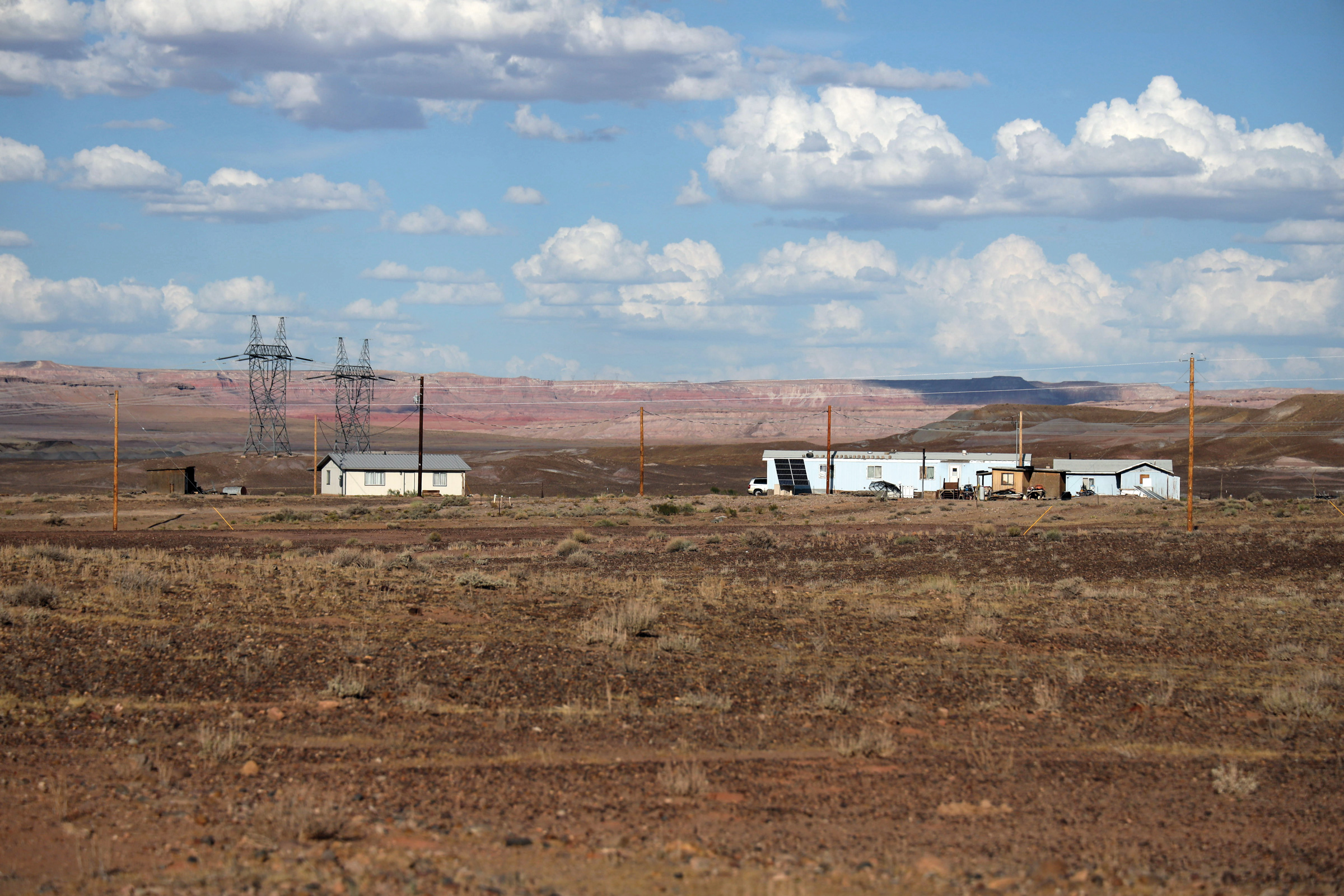
For many in Coalmine Canyon, a community with a long memory of external projects promising prosperity but delivering limited local returns, the expanding footprint of the Painted Desert Power project feels like a betrayal. "That made this whole project, as it kept progressing, more and more like we were being sold down the river. Or being taken advantage of, and not given any real voice," articulated Tyrel Jones, the chapter’s Community Land Use Planning Committee secretary, capturing the sentiment of a community grappling with the scale and implications of such a development. Residents like Freddie Hatathlie, a retired Army veteran and lifelong rancher, found it challenging to conceptualize a project generating hundreds of megawatts of electricity. Technical presentations, often delivered in English, proved inaccessible to many elders and non-English speakers, further alienating locals from the decision-making process. Hatathlie yearned for tangible representations, stating, "Make a model, draw models, build a model, so we can see it. The only way I understand is because I worked in a big power plant." This communication gap underscores a fundamental challenge in large-scale infrastructure projects on Indigenous lands: the imperative for culturally appropriate and accessible information dissemination.
The global push for renewable energy, driven by climate change mitigation and energy independence goals, has intensified the search for suitable land. Vast, sun-drenched landscapes like those on the Navajo Nation present ideal conditions for solar development. However, this burgeoning industry is exposing critical deficiencies in existing lease and tax policies within the Navajo Nation, prompting broader questions about how the economic benefits of such projects are distributed equitably among its diverse communities. The Painted Desert Power project offers a stark illustration of how large-scale renewable energy developments, often spearheaded by outside companies, navigate the complex path to tribal approval.

This shift towards renewable energy has gained particular urgency on the Navajo Nation following the closure of major coal-related operations, including the iconic Navajo Generating Station and the Kayenta Mine, which had historically provided substantial revenue and employment. While the Navajo Tribal Utility Authority has led several existing solar projects, the Painted Desert Power project distinguishes itself through its sheer scale and its unique partnership structure. Navajo Power PBC, a Navajo-owned, non-tribal-affiliated organization dedicated to bringing renewable energy to tribal communities, collaborated with Applied Energy Services (AES), a Virginia-based energy giant that would own and operate the facility, forming the subsidiary Painted Desert Power LLC. This collaboration, while seemingly promising, has not quelled local apprehension.
AES, responding on behalf of the project team, asserted its commitment to community engagement, stating it conducted over 70 chapter and community meetings before securing tribal approval for the lease. The company also claimed to have obtained four chapter resolutions of support and written consent from affected grazing-permit holders, as mandated by Navajo leasing regulations. In an email, AES emphasized, "At AES, we understand that our success as a company is only as strong as our partnerships with the communities where we operate. Community consent is at the core of AES and Navajo Power PBC’s approach to development on the Navajo Nation." Despite these assurances, many residents living closest to the proposed development expressed profound confusion about the project’s specifics, its operational mechanics, and its true impact on their lives.

The rapid expansion of the project’s footprint, from 1,000 to over 4,000 acres, significantly altered community perceptions regarding who would ultimately benefit. Jones voiced a potent concern, seeing AES as a "Trojan horse" – a foreign entity that, despite initial promises, would ultimately gain sole control over a vital resource. He likened the situation to a series of such "Trojan horses," predicting a future where local communities lose all agency over major developments on their own land. Compounding this mistrust, the initial proposal was presented during the nascent stages of the COVID-19 pandemic, with chapter members reportedly receiving only vague pamphlets rather than formal documentation, raising questions about the true scale and the full roster of organizations involved.
A central grievance for residents like Hatathlie revolves around the distribution of the generated power. The electricity from the Painted Desert Power project will not directly supply local homes but will instead be fed into the broader electrical grid, primarily serving off-Nation consumers. This arrangement echoes the legacy of the Navajo Generating Station, which, despite its immense presence on tribal land, powered distant cities like Los Angeles and Phoenix while leaving many Navajo homes without electricity. Hatathlie critically observed, "If you look at the Navajo Generating Station over there in Page, you know that generating station didn’t power Page at all. Zero." AES openly acknowledged that the Painted Desert Power project would not directly electrify local Navajo homes. To address immediate energy needs, Navajo Power PBC co-created Navajo Power Home, a subsidiary that installs off-grid solar systems for individual households. According to AES, over 550 such systems have been installed across the Navajo Nation, including more than 80 in the Cameron and Coalmine Canyon chapters, with another 300 planned. However, recipients like Navy veteran Arlando Yellowhair noted the limitations of an 8-kilowatt unit, which provided just enough power for a refrigerator and a few lights, requiring constant vigilance over consumption. "Eight kilowatts is not sufficient for a family to function without being aware of how much you’re using. You really have to pay attention to the amount that you’re using," Yellowhair cautioned, highlighting the gap between basic provision and true energy independence.

The Painted Desert Power project is slated for phased construction, with the first phase anticipated to begin in 2027 and full operation by 2030. Once completed, AES estimates it will deploy 1,363,635 solar panels and 816 battery enclosures, underscoring its immense scale and technological ambition. However, profound questions persist regarding the financial benefits for local communities. Uncertainty looms over how, and indeed whether, AES’s lease payments and tax revenues will directly reach Coalmine Canyon residents, a situation complicated by the chapter’s uncertified status. An uncertified chapter, unable to manage its own finances, must route funds through the Navajo Nation Administrative Service Centers in Window Rock, the tribal capital, rather than receiving them directly.
Under its lease with the Navajo Nation, AES has committed to paying the Nation $545 per acre annually, with a 2% increase each year over the project’s projected 40-year lifespan, totaling over $310 million in lease and tax payments. AES also stated a commitment of "$16.7 million per Chapter over project lifetime," claiming that annual payments would more than double the Coalmine Canyon Chapter’s FY26 budget. Yet, the pathway for these funds to directly benefit individual residents or the local chapter remains opaque, a common concern in the broader discourse on resource revenue sharing in Indigenous territories. This lack of transparency and direct control over funds can exacerbate feelings of disempowerment and perpetuate cycles of dependency.

Much of the detailed information regarding the project’s economics and technical specifications was conveyed to residents through a dense, 60-slide PowerPoint presentation over a two-day period. This method, reliant on technical jargon and predominantly in English, proved ineffective for many community members. Hatathlie, despite attending numerous workshops and informational meetings, increasingly felt that crucial decisions had already been made by the broader Navajo government, rendering local input largely performative. This sentiment is not unique to the Navajo Nation; Indigenous communities worldwide frequently contend with top-down approaches to development that marginalize local voices and traditional ecological knowledge.
The legislative complexity of the Navajo Nation further compounds the confusion. Lease agreements, tax structures, and project approvals navigate multiple committees and stages of review. Shawna Claw, a Chinle Council delegate and member of the Navajo Nation Resource and Development Committee, acknowledged this complexity, noting how residents often conflated different legislative processes. For example, some grazing permit holders mistakenly believed their permits were being seized without consent during discussions about the project’s tax structure, when such concerns should have been addressed during the separate lease approval process. While mechanisms exist for residents to appeal through the Navajo Nation Department of Agriculture, many in remote communities lack awareness of these procedures or the resources to navigate them.

The Painted Desert Power project serves as a microcosm for the larger, unresolved questions surrounding renewable energy development on the Navajo Nation. Tribal leaders are still working to establish a comprehensive renewable energy policy framework, including guidelines for taxation and governance of large-scale solar developments. Former Navajo Nation Council Delegate Thomas Walker Jr. emphasized the critical importance of adhering to the established, multi-stakeholder review process without shortcuts. He asserted that if any steps were bypassed, the community deserved to know. However, for local officials like Shaun Hudson, the Coalmine Canyon grazing official, the pursuit of answers often feels futile. "I think a lot of these decisions are already pre-made in Window Rock," Hudson lamented, reflecting a pervasive sense of disenfranchisement. In this complex interplay of global energy demands, tribal sovereignty, and local community rights, the challenge for the Navajo Nation, and indeed for Indigenous peoples worldwide, lies in ensuring that the transition to a sustainable future is not just green, but also truly just and equitable.