Roger Danuarta
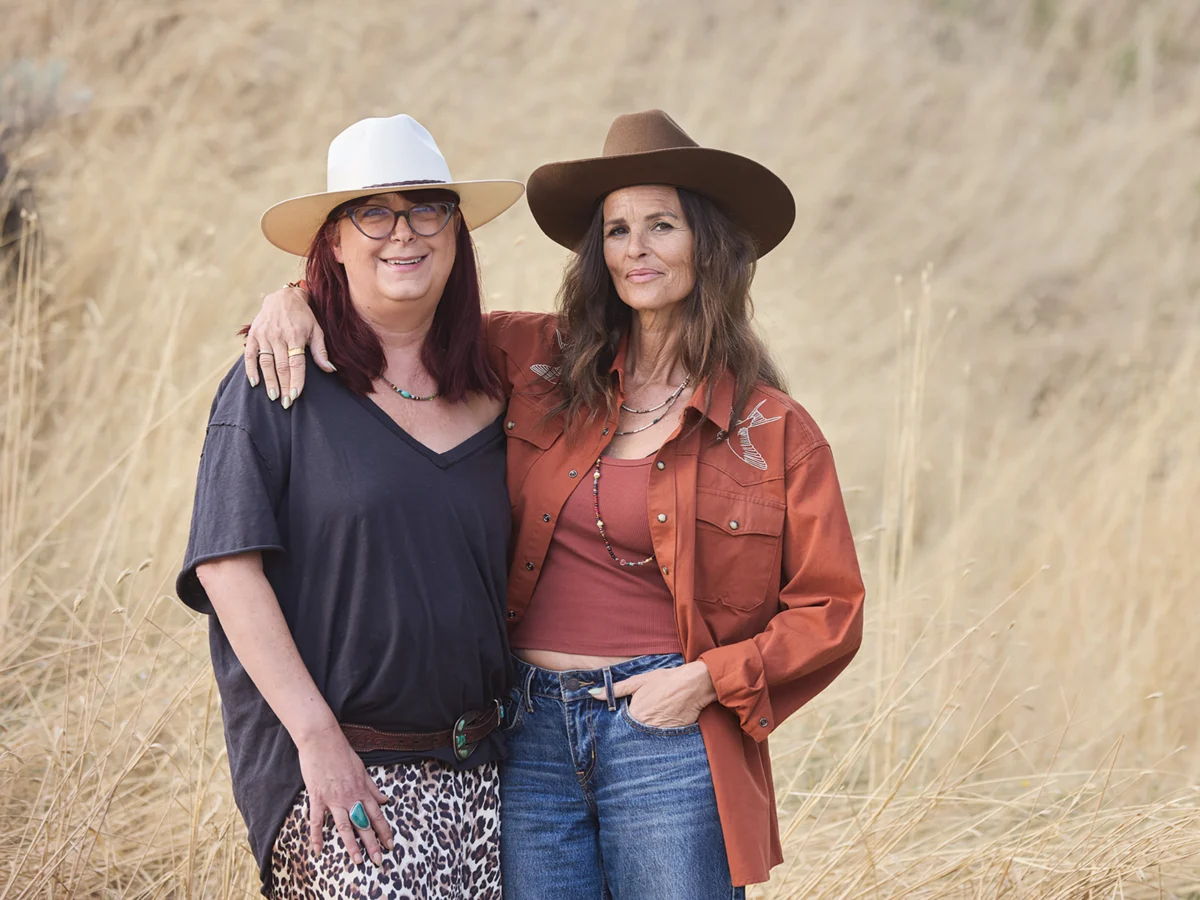
Cinammon Sioux Priest and Heather Rae Priest, co-founders of Priest Family Revival and the Antelope Foundation in Boise, Idaho, stand at the forefront of a unique social enterprise, channeling generations of Western heritage into a powerful model for economic empowerment and community healing. Their venture, deeply rooted in the rugged landscapes and resilient spirit of Idaho, transcends conventional business paradigms, opting instead for a matriarchal structure that prioritizes human dignity and collective upliftment over the sole pursuit of profit. This innovative approach seeks to address structural poverty by investing in marginalized communities, particularly women transitioning out of incarceration, through the art of beading and jewelry-making, thereby instilling invaluable skills, purpose, and self-worth.
The sisters’ vision draws profound inspiration from their late father, Randy Priest, a beloved figure who established his first hat shop in Challis, Idaho, in 1980, before expanding to Eagle and Donnelly. Randy Priest embodied the quintessential "cowboy mule-packer," a man whose warmth and genuine hospitality endeared him to all who crossed his path. His establishments were more than mere retail spaces; they served as community hubs where stories were shared, connections forged, and everyone felt a profound sense of belonging. His legacy of entrepreneurship, built on authenticity and a deep respect for people, laid the foundational values that Cinammon and Heather now meticulously weave into the fabric of their own organizations. Randy’s passing marked a pivotal moment, prompting his daughters to recognize their inherent role as the new matriarchs of the family, a transition that profoundly shaped the ethos and direction of Priest Family Revival.
Their generational ties to Idaho and a profound connection to the land underscore their commitment to building an enterprise that reflects the authentic experiences and needs of their community. Growing up amidst what they describe as structural poverty, the Priest sisters understood intimately the systemic barriers that often limit opportunities for many in rural and underserved areas. This lived experience fueled their conviction to forge a path different from the "imaginations of capitalism," which often dictates a one-size-fits-all approach to economic development. Instead, they consciously chose to build their business organically, from the ground up, drawing upon their innate strengths, cultural heritage, and a deep understanding of local challenges. Their model demonstrates that sustainable success can be achieved by leveraging intrinsic community resources and fostering human potential, rather than relying solely on external, often disconnected, economic frameworks.
The core of their impactful work revolves around a transformative training program for post-incarceration women. Recognizing the immense hurdles faced by individuals re-entering society—including stigma, limited employment opportunities, and the psychological toll of past experiences—Cinammon and Heather offer a pathway to rehabilitation and self-sufficiency. Their program teaches intricate beading and jewelry-making techniques, transforming these women into skilled artisans. More than just vocational training, this initiative is designed to rekindle a sense of dignity and inherent value, reinforcing the crucial idea that "your time has value." For many, the structured, creative work environment provides not only a new skill set but also a stable routine, a supportive community, and a renewed sense of purpose, all critical components for successful reintegration and reduced recidivism.

Both sisters bring extensive expertise from their backgrounds in the recovery space and in post-incarceration case management, including direct experience working within correctional facilities. This practical knowledge allows them to craft programs that are not only empathetic but also highly effective in addressing the complex needs of their participants. They understand the nuances of the recovery journey, the importance of holistic support, and the systemic gaps that often leave individuals vulnerable after release. By integrating their professional insights with their entrepreneurial drive, they have created a powerful synergy where social good and economic viability coalesce. This integrated approach ensures that the support extends beyond craft skills, encompassing mentorship, emotional encouragement, and a safe space for personal growth.
The philosophy guiding Priest Family Revival and the Antelope Foundation emphasizes that the company was always meant to be "built in community." This principle manifests in every aspect of their operation, from sourcing materials to collaborative design processes and the shared experience of creation. The workshop environment fosters peer support, mutual respect, and a collective sense of achievement. This community-centric model stands in stark contrast to individualistic competitive frameworks, demonstrating that shared success can be a potent catalyst for broader societal change. It cultivates a supportive ecosystem where women can heal, learn, and grow together, reinforcing the bonds that are often fractured by incarceration and poverty.
Their work also speaks to a broader global dialogue about social entrepreneurship and inclusive economic development. Across the world, marginalized populations, particularly women, often face disproportionate barriers to economic participation. The Priest sisters’ model provides a compelling local example of how grassroots initiatives can effectively address these systemic inequalities. By empowering women with marketable skills and a supportive community, they not only enhance individual livelihoods but also contribute to the economic resilience of their local community. The artisanal products created—each piece imbued with the stories and renewed hope of its maker—offer consumers an opportunity to engage in conscious consumption, supporting ethical production and social impact.
The enduring spirit of the American West, characterized by resilience, resourcefulness, and a strong sense of community, permeates their endeavors. Just as Randy Priest’s hat shops served as vital gathering places, Priest Family Revival aims to be a beacon of hope and opportunity, reflecting the rugged beauty and inherent strength of Idaho and its people. Their efforts resonate beyond the immediate beneficiaries, inspiring a wider conversation about the role of business in fostering social justice, the potential of rehabilitative programs, and the profound impact of compassionate leadership. As the Priest sisters continue to expand their reach, their story serves as a testament to the transformative power of a business built on purpose, dignity, and the unwavering belief in human potential. They are not merely selling handcrafted goods; they are cultivating a legacy of hope, one bead, one stitch, and one empowered life at a time, proving that genuine revival begins within the heart of a community.