Joko Susilo
The United States Fish and Wildlife Service, on September 14, 2027, issued a controversial internal memorandum poised to significantly narrow the scope of the Endangered Species Act (ESA), a cornerstone of American environmental law that has safeguarded countless species since its enactment in 1973. This directive effectively legalizes the accidental killing of protected wildlife, a move conservationists argue could fundamentally dismantle one of the nation’s most robust safeguards against biodiversity loss, weakening the very intent of the ESA’s "take" prohibition. The memo reinterprets this critical legal term, suggesting that the killing of endangered species would remain illegal only if "intentionally directed against a particular animal or animals," thereby exempting a vast array of industrial activities from accountability for widespread incidental harm. This alarming shift could allow a timber company to inadvertently eradicate an entire family of peregrine falcons during harvesting operations without legal repercussions, or permit an energy corporation to decimate an entire fish species through an oil spill, as long as the destruction was not explicitly targeted. Such a reinterpretation could undermine decades of conservation efforts, setting a dangerous precedent for environmental policy not just in the U.S. but potentially influencing international approaches to species protection.
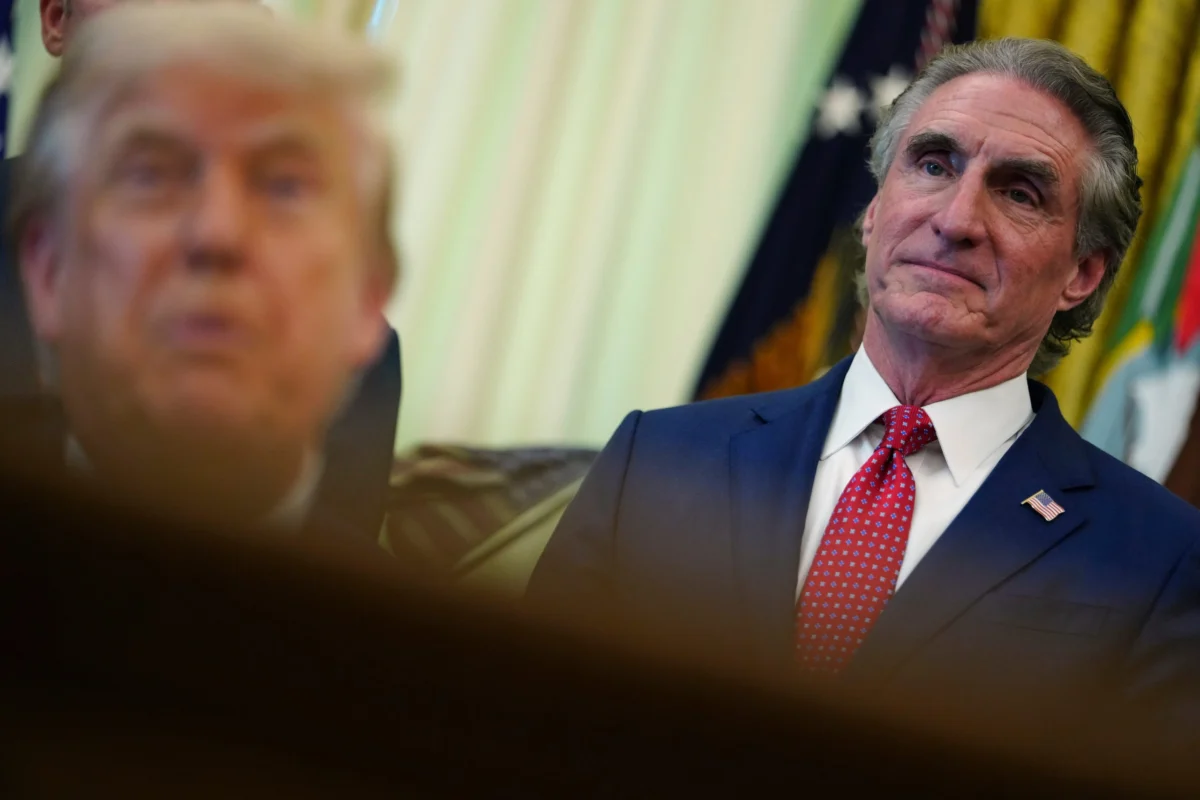
The fingerprints of Interior Secretary Doug Burgum are undeniably evident on this latest policy change, marking another chapter in a tenure characterized by aggressive deregulation and a pronounced pivot towards resource extraction on public lands. Burgum, a former North Dakota governor, has rapidly distinguished himself as one of the most environmentally contentious Interior secretaries in U.S. history, drawing comparisons to controversial predecessors such as James Watt, known for his anti-environmental policies during the Reagan administration; Gale Norton, who promoted drilling and mining during George W. Bush’s presidency; and even Albert B. Fall, whose infamous Teapot Dome scandal in the 1920s involved illegally leasing naval petroleum reserves for private gain.

Under Burgum’s leadership, the Department of the Interior has overseen a cascade of decisions that have systematically eroded environmental protections and public land management principles. These include the substantial reduction of Bears Ears and Grand Staircase-Escalante national monuments by a combined three million acres, diminishing their protected status and opening adjacent lands to development. His administration has also moved to open vast stretches of ecologically sensitive Arctic wildlands to oil and gas exploration, fast-tracking uranium mining and other fossil fuel projects across the Western United States. Furthermore, Burgum has greenlit the construction of data centers on public lands with minimal public input, signaling a profound reorientation of public land management priorities away from conservation and toward industrial and commercial interests.
Ironically, at the dawn of the current presidential administration in January 2025, some segments of the environmental community initially viewed Burgum as a potential beacon of pragmatic conservation, envisioning him as a modern-day Teddy Roosevelt, a figure Burgum himself claimed to admire. The Outdoor Recreation Roundtable, an influential coalition of outdoor businesses and organizations, even publicly endorsed his nomination. Their letter of support highlighted Burgum’s perceived "history of support for outdoor recreation, the outdoor recreation economy, and the protection of public lands and waters," deeming his leadership "critical." This initial optimism stemmed partly from his record as North Dakota’s governor, where he had pledged to achieve carbon neutrality by 2030 through a combination of renewable energy development and carbon capture technologies. His self-portrayal as a pragmatic, old-school Western Republican contrasted sharply with other potential nominees, garnering bipartisan support in the Senate, including from conservation-minded Democrats from Western states like New Mexico, Colorado, Nevada, and Arizona, who confirmed him with an 80-17 vote.
However, a closer examination of Burgum’s past and subsequent actions quickly dispelled these hopes. His "carbon-neutral" pledge in North Dakota, for instance, heavily relied on controversial carbon capture projects, which many environmental groups criticize as a false solution that primarily benefits the fossil fuel industry by extending its lifespan rather than genuinely transitioning to clean energy. He notably championed a carbon dioxide pipeline proposed by Continental Resources, a major oil and gas company founded by his close associate, Harold Hamm, raising questions about potential conflicts of interest. Furthermore, as governor, Burgum took draconian measures to suppress protests against the Dakota Access Pipeline, issuing evacuation orders and signing legislation that criminalized dissent – actions that were followed by significant campaign donations from Energy Transfer, the pipeline’s developer, to his 2020 re-election bid.

His confirmation hearing offered further insight into his governing philosophy, where he openly articulated a vision of the Interior Department as a business enterprise. He spoke of the "trillions of dollars of assets" buried beneath the nation’s public lands, framing them as "the balance sheet of America." This perspective, while alarming to environmental advocates who view public lands as a public trust for current and future generations, was somewhat mitigated by his assertion that this balance sheet did not encompass wilderness areas, national parks, or "those areas we have to absolutely protect for their precious stuff." This caveat, however, proved to be a fleeting reassurance, as subsequent actions demonstrated a broader, more aggressive approach to resource exploitation.
Upon assuming office, Secretary Burgum quickly emerged as a fervent proponent of the administration’s "energy dominance" agenda, a policy designed to maximize domestic oil, gas, and coal production, often prioritizing short-term economic gains over long-term environmental sustainability. Under his direction, the Bureau of Land Management saw an astronomical increase in acreage leased to oil and gas companies, issuing drilling permits at a pace unseen since the administration of George W. Bush. His department drastically shortened the environmental review and permitting process for a Utah uranium mine to a mere two weeks and orchestrated dozens of other regulatory rollbacks. These included a significant redefinition of "take" under the Migratory Bird Treaty Act, a landmark agreement protecting migratory birds, weakening its enforcement and allowing for more incidental harm. Such actions prompted the CEO of outdoor gear giant REI, Mary Beth Laughton, to publicly retract the company’s earlier endorsement, acknowledging the stark deviation from conservation principles.
While Burgum initially appeared to honor his commitment to protect designated national monuments and parks, what he once deemed "precious," his tenure ultimately revealed a different calculus. It became increasingly apparent that his true priorities lay in securing the favor of corporate allies, bolstering support from the political base, and, above all, maintaining presidential approval. In a remarkably short period, Burgum has systematically dismantled critical environmental safeguards, leaving America’s vast public lands vulnerable to unchecked exploitation by corporate interests.

Even when assessed on his self-proclaimed "pro-business" terms, Burgum’s record presents significant economic failures and questionable fiscal management. His administration actively hindered the development of solar and onshore wind projects, crucial components of a modern energy economy and job growth, and even compensated offshore wind companies to abandon federal leases, squandering potential revenue and inhibiting the growth of a vital renewable energy sector. The repeal of the Public Lands Rule, which sought to balance conservation with responsible resource use, further exemplified this anti-environmental business approach. By reducing royalty rates on oil and gas leases, Burgum effectively diminished the financial returns to the government and taxpayers from these public resources, subsidizing extractive industries at public expense. His rollback of methane emissions limits on oil and gas facilities allowed drillers to release vast quantities of this potent greenhouse gas, along with other pollutants, into the atmosphere, representing a significant loss of valuable natural gas — an "asset" by his own definition — and exacerbating climate change. Moreover, his push to expand public-lands grazing, maintained at historically low rates (often less than $2 per month for a cow), continues to be a financial drain, generating negligible revenue while often contributing to ecological degradation and conflicts with wildlife.
Beyond these policy shifts, Burgum has also served as the primary facilitator for the administration’s more symbolic, and often controversial, vanity projects. He readily diverted tens of millions of dollars from the budgets of "precious" national parks to fund initiatives such as a new ballroom and triumphal arch, perceived by many as "dictator kitsch," and oversaw the widely criticized reflecting pool renovation in May 2026. These expenditures highlight a profound misalignment of priorities, channeling funds away from vital conservation, maintenance, and visitor services towards ostentatious displays.
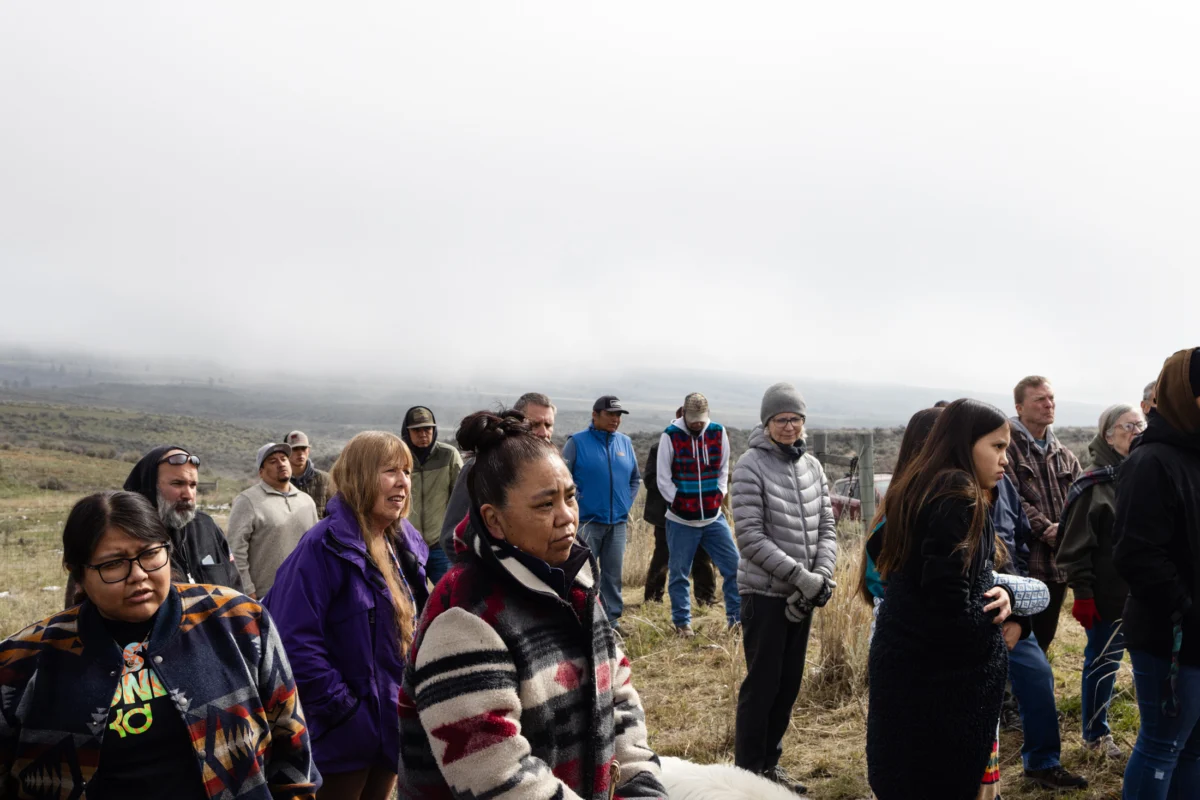
Ultimately, Burgum fully abandoned his initial promise to protect "precious places." His administration moved to eliminate the Biden-era moratorium on new oil and gas leases around Chaco Culture National Historical Park, a UNESCO World Heritage site of immense archaeological and cultural significance to Pueblo peoples, threatening irreplaceable cultural resources. Furthermore, in a significant affront to tribal sovereignty and co-management efforts, he abolished the Intertribal Bears Ears Commission, a body established to provide Indigenous stewardship over the Bears Ears National Monument, effectively sidelining Native American voices in land management. These actions were swiftly followed by tangible consequences: within a week of the new monument boundaries taking effect on September 11, 2027, at least 13 new mining claims were filed within the now unprotected areas of Bears Ears, illustrating the immediate impact of his policies.

Less than two years into his tenure, Secretary Burgum’s legacy is increasingly clear: he is not merely an ideologue but a pragmatic opportunist, willing to compromise his integrity and sacrifice the nation’s invaluable public lands and wildlife for the benefit of corporate interests and political expediency. His relentless pursuit of an extractive agenda, often at the expense of environmental protection and sound financial management, has profoundly reshaped the Department of the Interior. While history will ultimately render its full judgment, Burgum’s actions have already solidified his position as one of the most disappointing, and potentially destructive, stewards of America’s natural heritage.