Johny Prima
Energy developer Avangrid this month formally withdrew its long-standing permit application for an industrial-scale solar facility proposed on Badger Mountain, a site profoundly sacred to the Confederated Tribes of the Colville Reservation and the Confederated Tribes and Bands of the Yakama Nation in central Washington. The proposed project site spanned both private holdings and public lands managed by the Washington Department of Natural Resources, raising critical questions about the intersection of renewable energy development and the constitutionally protected rights of tribal nations to practice ancestral cultural traditions, such as food gathering and ceremony, on these lands. A comprehensive 2024 investigation had previously illuminated how Avangrid’s ambitious solar development directly threatened these invaluable Indigenous rights and heritage.
The Confederated Tribes of the Colville Reservation expressed profound relief and satisfaction following the withdrawal. Chairwoman Cindy Marchand stated that the Colville Tribes were "very happy to hear that the proposed solar project on Badger Mountain has been withdrawn." While acknowledging the inherent value of renewable energy, she emphasized the non-negotiable principle that "sacred sites must remain pristine to pass down to future generations," commending Avangrid’s decision and expressing trust that the company could identify a more suitable location for its clean energy initiatives.
Despite the clear triumph for Indigenous advocates, the precise motivations behind Avangrid’s decision remain somewhat opaque. Official permitting proceedings suggest that the withdrawal might not have stemmed primarily from tribal considerations, but rather from significant construction delays impacting critical grid infrastructure elsewhere. Avangrid itself declined to offer a detailed clarification for its reasoning, and the Department of Natural Resources also chose not to comment on the matter, leaving a degree of ambiguity surrounding the confluence of factors that led to the project’s abandonment.
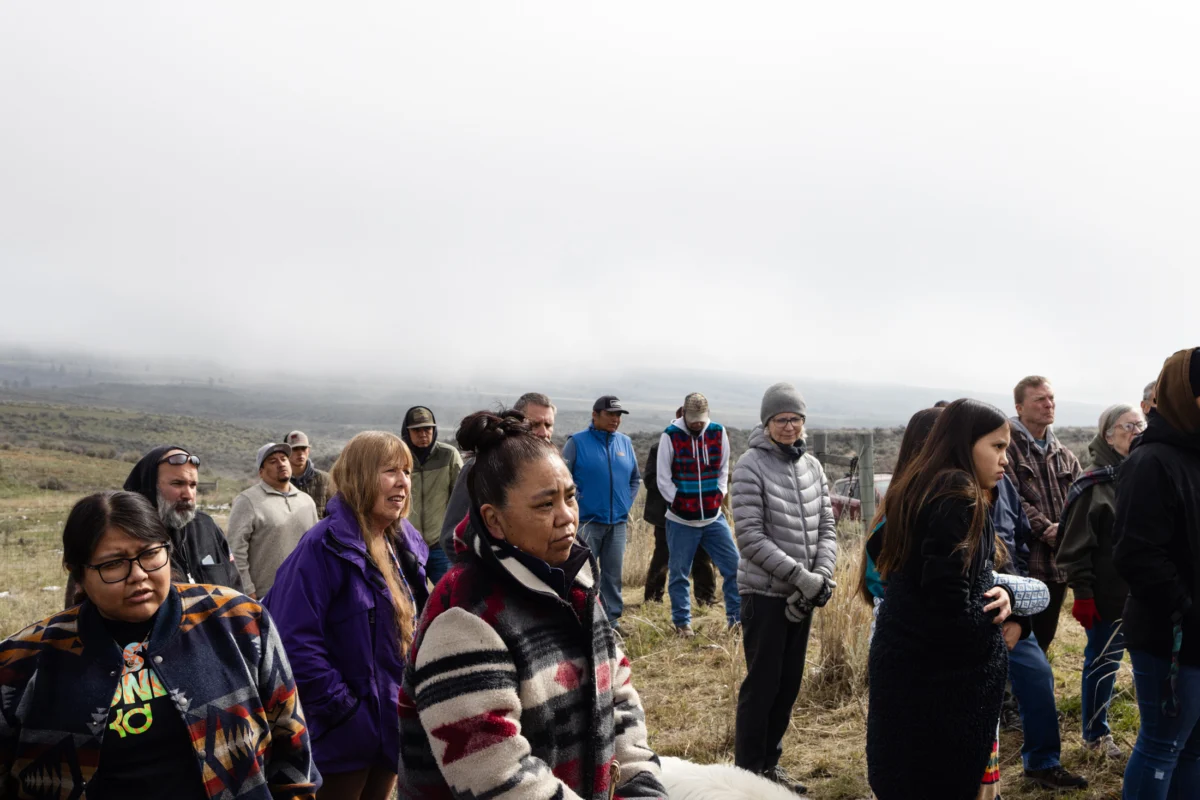
The controversy surrounding the Badger Mountain proposal gained significant public traction after the aforementioned investigation in 2024, which detailed how the vast scale of the solar development could irrevocably damage culturally sensitive landscapes and disrupt traditional practices. This exposé galvanized local Indigenous communities, leading members of the Wenatchi-P’squosa, one of the 12 Confederated Colville Tribes, to organize a powerful demonstration on Badger Mountain. Protesters voiced their support for renewable energy development as a vital response to climate change, but unequivocally declared that such projects should never be sited on culturally significant areas like Badger Mountain, which represent irreplaceable ancestral heritage. The Wenatchi Advisory Group, an independent body dedicated to advising the Colville Tribal Business Council on issues specific to its Wenatchi-P’squosa constituents, spearheaded the demonstration, amplifying the voices of those whose heritage was at stake.
Following this impactful public demonstration and the mounting community concern, Avangrid announced an initial pause in development, signaling a period for reconsideration of tribal input and public response. This public comment process often stands as one of the few formal avenues available for tribal nations to advocate for their inherent rights concerning land development, underscoring the critical importance of robust and accessible public engagement mechanisms in major infrastructure projects, particularly those impacting Indigenous territories.
The complexities deepened at a state energy permitting meeting earlier this month, where Avangrid sought another year-long extension to pause the permitting work, intending to keep the project active within the state’s regulatory system. The company cited substantial construction delays affecting the Bonneville Power Administration (BPA), a federal agency responsible for transmitting power across the Pacific Northwest. Specifically, Avangrid’s senior director of business development, Mark Eilers, pointed to the BPA’s Cross-Cascades North transmission line project, a crucial infrastructure upgrade designed to reinforce power delivery from eastern Washington to the burgeoning Seattle metropolitan area. Eilers indicated that the BPA’s anticipated construction timeline for this vital line would face a four-year delay, pushing completion to 2032, thereby implicitly linking this setback to Avangrid’s request for an extended project pause.
During the same meeting, the state permitting authority, the Energy Facility Site Evaluation Council (EFSEC), which governs the siting of major energy facilities in Washington, addressed the project’s potential environmental and cultural impacts. EFSEC chair Kurt Beckett acknowledged the objections raised by both the Yakama Nation and the Colville Tribes, stating, "I don’t wish to overemphasize those, but ultimately they exist," and affirming that tribal objections warrant careful consideration in the state’s permitting decisions. While also noting efforts to "minimize as much of that noise" in the public forum, his remarks highlighted the inherent tension between facilitating energy development and respecting Indigenous cultural preservation.
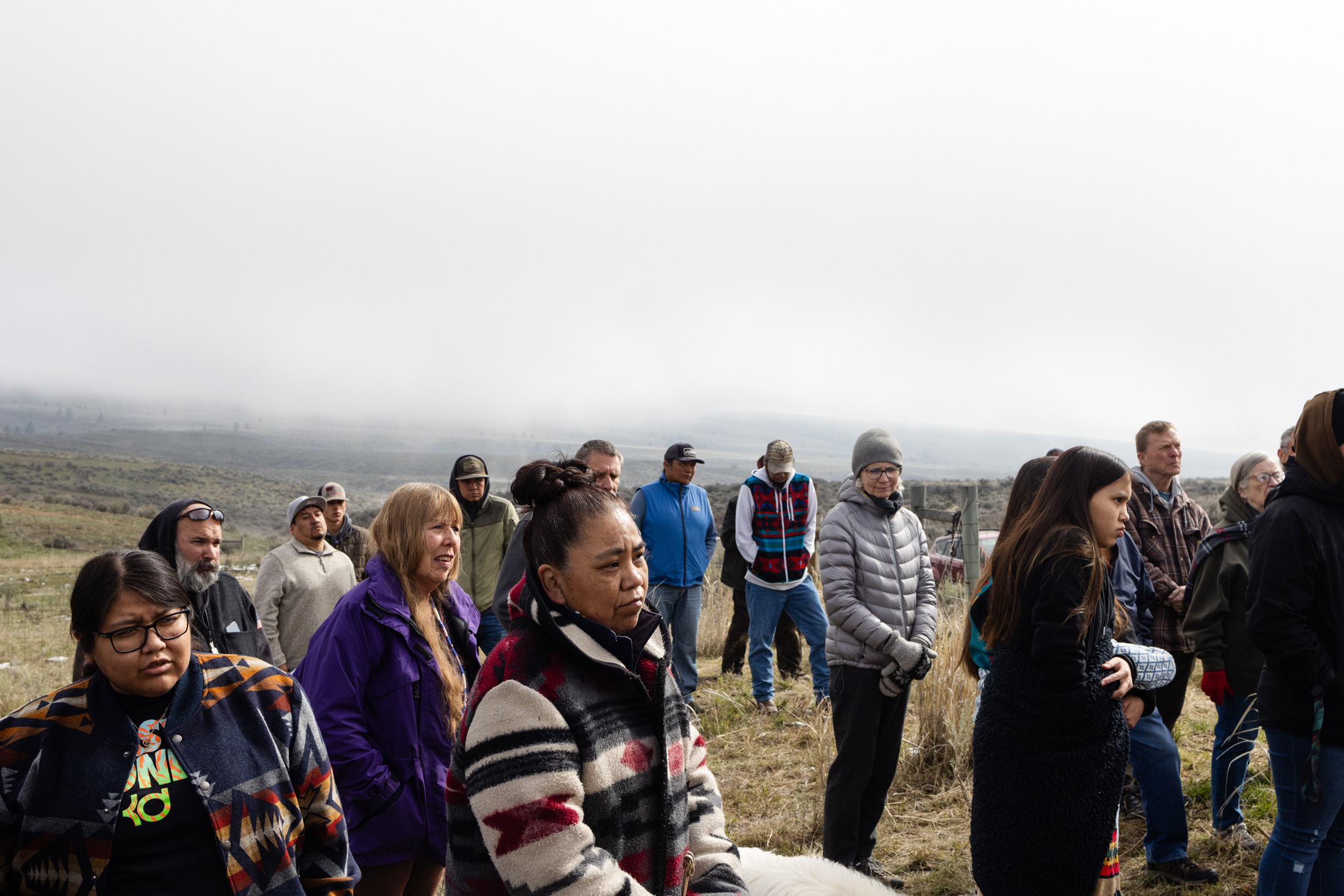
Just five days after this pivotal EFSEC meeting, Avangrid filed a formal request to completely withdraw its proposal, a project that had been actively in development since at least 2019. EFSEC subsequently announced the official withdrawal, confirming that the council would proceed to close out existing financial arrangements and notify all interested parties and agency partners. The council offered no further comment, directing all inquiries back to the developer. This swift and decisive withdrawal, coming on the heels of the transmission line delay revelation and continued tribal opposition, underscores the multifaceted pressures faced by large-scale renewable energy developers.
Despite the persistent lack of explicit clarity from Avangrid regarding its ultimate motivation, the Wenatchi Advisory Group unequivocally celebrated the decision as a profound victory. Steven Wynecoop, vice chair of the Wenatchi Advisory Group and grandson of its revered founder, Matthew Dick, conveyed immense satisfaction. "We are very, very happy that they chose to go this route with us, ’cause it is a very sacred site to us," Wynecoop stated, emphasizing the site’s deep, intergenerational significance. He elaborated on the mountain’s enduring role in tribal life, noting, "Generations, we’ve been going to that mountain for plenty of reasons: medicines, foods like roots and berries," and underscored that families continue to conduct sacred ceremonies there, maintaining an unbroken connection to their ancestral lands.
Wynecoop’s family stories vividly illustrate the deep-rooted Wenatchi lineages connected to Badger Mountain. He recounted a poignant tale from his grandfather’s youth, when the family was gathering traditional medicines on the mountain and encountered landowners. "A white couple showed up in their car and pulled over and started talking to my grandma, because they adored her son, Uncle Terry, so much," Wynecoop recalled. Terry, Matthew’s brother, was charmingly fishing in a puddle with a stick and string. "They thought he was just adorable," Wynecoop recounted, mirroring his grandfather’s frequent retelling at ceremonies. The couple, captivated by Terry, went so far as to offer their portion of Badger Mountain to his grandmother in exchange for adopting the boy – an offer she, of course, declined. Wynecoop chuckled as he shared the story, quoting his grandfather’s good-natured lament: "Yeah, now here we are – no Badger Mountain, but we got Terry!" This anecdote powerfully humanizes the deep, personal, and familial connection Indigenous communities hold with their ancestral lands, far beyond mere property ownership.
This resolution on Badger Mountain illuminates a growing global dilemma: the urgent need for renewable energy to combat climate change often collides with the imperative to protect Indigenous cultural heritage and ancestral lands. As nations worldwide accelerate their transition to clean energy, large-scale solar and wind projects demand vast tracts of land, frequently encroaching upon areas historically significant to Indigenous peoples. This conflict highlights the "green energy paradox," where environmentally beneficial projects can inadvertently perpetuate historical injustices and environmental harm to marginalized communities if not executed with respect, equity, and genuine consultation.
The case also underscores the critical importance of Indigenous rights, including the principle of Free, Prior, and Informed Consent (FPIC), in major development projects. While not universally mandated in all jurisdictions, FPIC is increasingly recognized internationally as a fundamental right for Indigenous peoples concerning projects on their traditional territories. The successful advocacy by the Colville and Yakama Nations serves as a powerful reminder to developers and governments that meaningful engagement and respect for cultural landscapes are not merely procedural hurdles but fundamental ethical and legal obligations, vital for achieving sustainable and just energy transitions.
Furthermore, the role of grid infrastructure, exemplified by the Bonneville Power Administration’s transmission line delays, reveals another significant bottleneck in the global clean energy transition. Even when renewable energy projects are ready for deployment, an aging and insufficient transmission network can stall progress, leading to substantial financial implications for developers and delaying decarbonization goals. Modernizing and expanding grid infrastructure is a monumental undertaking, fraught with its own permitting complexities and community resistance, presenting a parallel challenge to the siting of the generation facilities themselves. This intricate interplay between generation, transmission, and social license forms a complex web that regulators and developers must navigate.
For Washington State, a leader in renewable energy aspirations, this outcome provides valuable lessons. The state has ambitious clean energy targets, and the successful withdrawal of this project in the face of Indigenous opposition reinforces the need for developers to conduct thorough cultural assessments and engage in early, meaningful dialogue with tribal nations from the project’s inception. It signals a growing expectation that energy development must align not only with environmental sustainability but also with social equity and the protection of cultural heritage, setting a precedent for future projects seeking permits within the state.
Ultimately, Avangrid’s withdrawal from Badger Mountain, whether driven by logistical grid delays or the undeniable force of Indigenous advocacy, represents a significant moment. It stands as a testament to the enduring power of tribal nations in protecting their sacred sites and cultural landscapes against industrial encroachment. This case will undoubtedly serve as a potent reminder to energy developers and regulatory bodies globally: the path to a sustainable energy future must be paved with respect for Indigenous sovereignty, cultural heritage, and the invaluable spiritual connections that bind communities to their ancestral lands. The pursuit of green energy cannot come at the expense of justice and cultural preservation.