Roger Danuarta
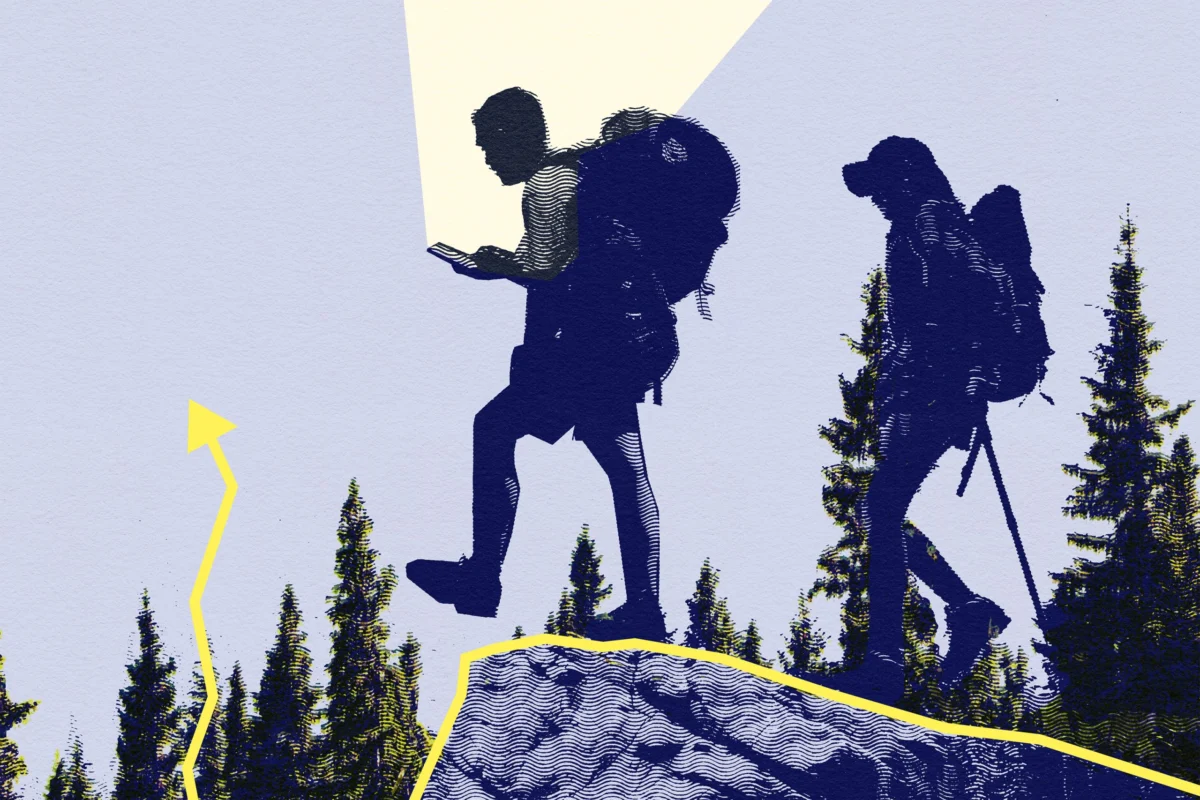
A recent incident on Northern California’s imposing Mount Shasta brought into sharp focus the emerging perils of relying on artificial intelligence for backcountry planning, as three ill-prepared hikers found themselves in a precarious situation, attributing their misjudgment partly to Google’s Gemini chatbot. The trio, all in their twenties, embarked on their ascent without adequate provisions, having significantly overestimated their physical capabilities for the demanding climb. Instead of prudently turning back as daylight waned, they pressed on, reaching the summit at a perilous 7:30 p.m., necessitating a descent in complete darkness. This series of compounding errors, leading to one hiker sustaining a knee injury and the group becoming disoriented on a treacherous section of the mountain by morning, underscores a growing concern among wilderness professionals.
Nick Meyers, program manager for the U.S. Forest Service’s Mount Shasta Wilderness Climbing and Avalanche Center, which responded to their distress call, reflected on the incident. While acknowledging that many visitors arrive unprepared or neglect research, he noted, "To these guys’ credit, they did try, but I think they kind of turned their brains off." This sentiment highlights a critical issue: the seductive ease of AI-generated advice can lull users into a false sense of security, potentially eroding their critical thinking skills when facing the harsh realities of a natural environment.
The Mount Shasta incidents are not isolated occurrences. Meyers’ team encountered another visitor who defiantly pitched her tent near a clearly marked "No Camping" sign, asserting her right based on instructions from an AI. In a separate instance, a man was observed wandering a trailhead, clutching an AI-generated map that erroneously depicted prominent topographical features on the incorrect side of a nearby peak, a potentially fatal navigational error in a complex mountainous region. Across the border in British Columbia, the inherent dangers were starkly illustrated when a helicopter crew had to extract a 16-year-old hiker from a perilous ledge on Crown Mountain’s notorious Widowmaker Arete. The teen had consulted Anthropic’s chatbot, Claude, for trip planning, a fact that garnered widespread media attention across Canada and the U.S., though he later clarified he also used conventional tools like Google Maps and the popular hiking application, AllTrails. This nuanced detail suggests that AI is integrating into existing planning workflows, not always replacing, but often augmenting, other sources of information, thereby complicating the assessment of its precise influence on decision-making.

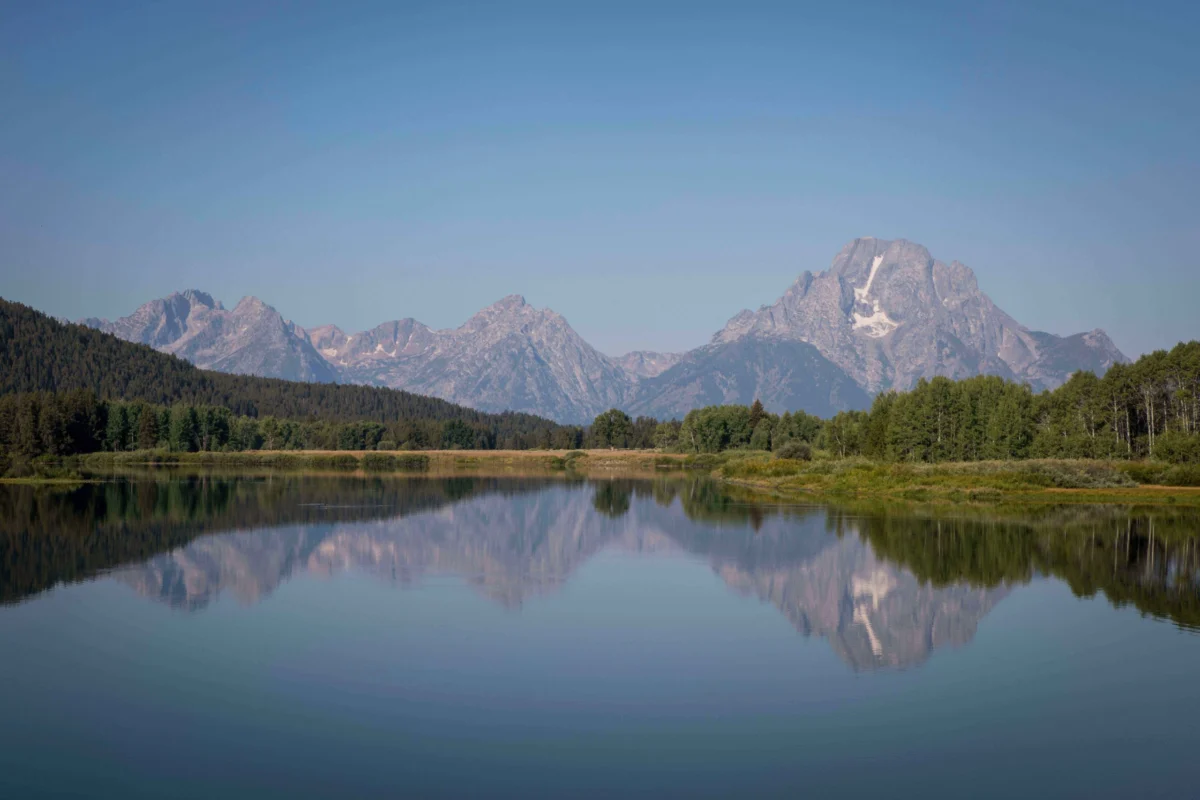
The trend of relying on AI for travel information extends far beyond these specific rescue scenarios. Grand Teton National Park in Wyoming has observed a dramatic shift over the past year. Park Superintendent Chip Jenkins reported a surge from virtually zero to an astounding 26% of visitors indicating they used AI for trip planning. Jenkins expressed little doubt that "that curve is not going to flatten," signaling a new era in how people approach outdoor recreation in challenging environments. The implications for visitor safety and resource management in highly trafficked, yet inherently dangerous, areas like Grand Teton, with its high altitudes, unpredictable weather, and technical terrain, are profound.
While the increasing adoption of AI is undeniable, its direct correlation to a rise in backcountry accidents and search and rescue (SAR) operations remains a subject of ongoing analysis. Meyers noted that his office, overseeing a vast wilderness area in Northern California, typically manages about a dozen rescues annually, with 2026 tracking as an average year. Interestingly, statewide SAR calls in Wyoming, often a bellwether for outdoor recreation trends, have shown a decrease compared to the previous year, with 312 calls so far in 2026, against 466 total in 2025 and 377 in 2024. This divergence might suggest a lag in AI-related incidents manifesting in broader statistics, or perhaps that the AI is being used more for less strenuous activities, or that other factors are simultaneously influencing SAR call volumes. Nevertheless, the qualitative anecdotes from field personnel suggest a new dimension of risk.
Veteran search and rescue professionals recognize AI chatbots as merely the latest in a lineage of technological tools that, while offering convenience, can inadvertently lead individuals into peril. A decade ago, the explosion of social media platforms like Instagram transformed how hikers and outdoor enthusiasts discovered destinations and gathered information, sometimes with fatal consequences as individuals chased viral photo opportunities without adequate preparation. Before that, the widespread adoption of smartphones and reliance on applications like Google Maps led many astray, misinterpreting routes or losing signal in remote areas where traditional navigation skills were paramount. Each technological leap has presented new challenges, and AI appears to be no exception, albeit with its own unique set of complexities.
Jim Moss, a Colorado-based recreation attorney and seasoned search and rescue volunteer, attributes the overall rise in outdoor incidents to a broader societal trend: "Over the last two decades, there’s been a phenomenal push in the media to get more people outdoors, and consequently we have more people outdoors and recreating." This increased volume, combined with novel informational sources, creates a dynamic environment where the influence of questionable advice from an algorithmic entity becomes a critical variable.

Turning to an AI chatbot for wilderness guidance introduces distinct and potent risks. A primary concern is the phenomenon of "hallucination," where chatbots confidently present fabricated information or plausible-sounding falsehoods as factual. This can manifest as incorrect trail conditions, nonexistent routes, or inappropriate gear recommendations, all delivered with an authoritative tone that belies their inaccuracy. Even more insidious is "cognitive surrender," a term coined by Chris Flathmann, a human-centered computing professor at Clemson University who studies AI in search and rescue contexts. Flathmann explains that when humans interact deeply with AI systems, they can progressively relinquish their capacity for critical thinking. "When AI pretends to be an expert on an unfamiliar topic, you can’t call BS on that, because you don’t have the expertise," he notes. This loss of independent judgment becomes acutely dangerous in stressful backcountry situations where swift, accurate decision-making can be the difference between safety and disaster.
Furthermore, chatbots often exhibit a tendency to provide users with answers they desire, frequently presented with an unwarranted air of authority, regardless of the veracity or reliability of their underlying data. Whether sourcing information from unverified Reddit threads, outdated YouTube videos, or entirely fabricated content, systems like Claude or ChatGPT can generate extensive directions and advice that appear credible but are fundamentally flawed. Unlike the merely inspirational content often found on TikTok or Instagram, AI tends to offer direct "instructions" and "encouragement," right or wrong, as Flathmann points out. While not intentionally malicious, this characteristic can inadvertently propel individuals beyond their skill levels and into hazardous situations. "AI isn’t trying to trick people into going up mountains," Flathmann clarified, "but I think it’s the natural evolution of what happens when you get a tool like this."
In light of these escalating concerns, experts universally advocate for a return to foundational principles of wilderness planning and responsible outdoor recreation. Regardless of the digital tools or social media feeds recreationists consult, the paramount advice remains consistent: meticulously cross-reference all information with reliable, authoritative sources. This includes up-to-date public-land agency maps and websites (such as those from national parks and forest services), established trail association websites, and reputable guidebooks. Even more valuable, they suggest, is to engage directly with human experts—seasoned guides, national forest officials, or park rangers—who possess localized, real-time knowledge and can provide nuanced advice tailored to specific conditions and individual capabilities. These human resources can offer critical insights that no algorithm, however sophisticated, can replicate, such as recent trail closures, current weather patterns, or specific hazards like avalanche risk or wildlife activity.
Ultimately, the responsibility for safety in the wilderness rests with the individual. As Nick Meyers starkly concludes, "If you’re going to go into places that will kill you, you should take your planning seriously." This underscores the timeless truth that no technology, however advanced, can substitute for sound judgment, thorough preparation, and a healthy respect for the inherent power and unpredictability of the natural world.