Johny Prima
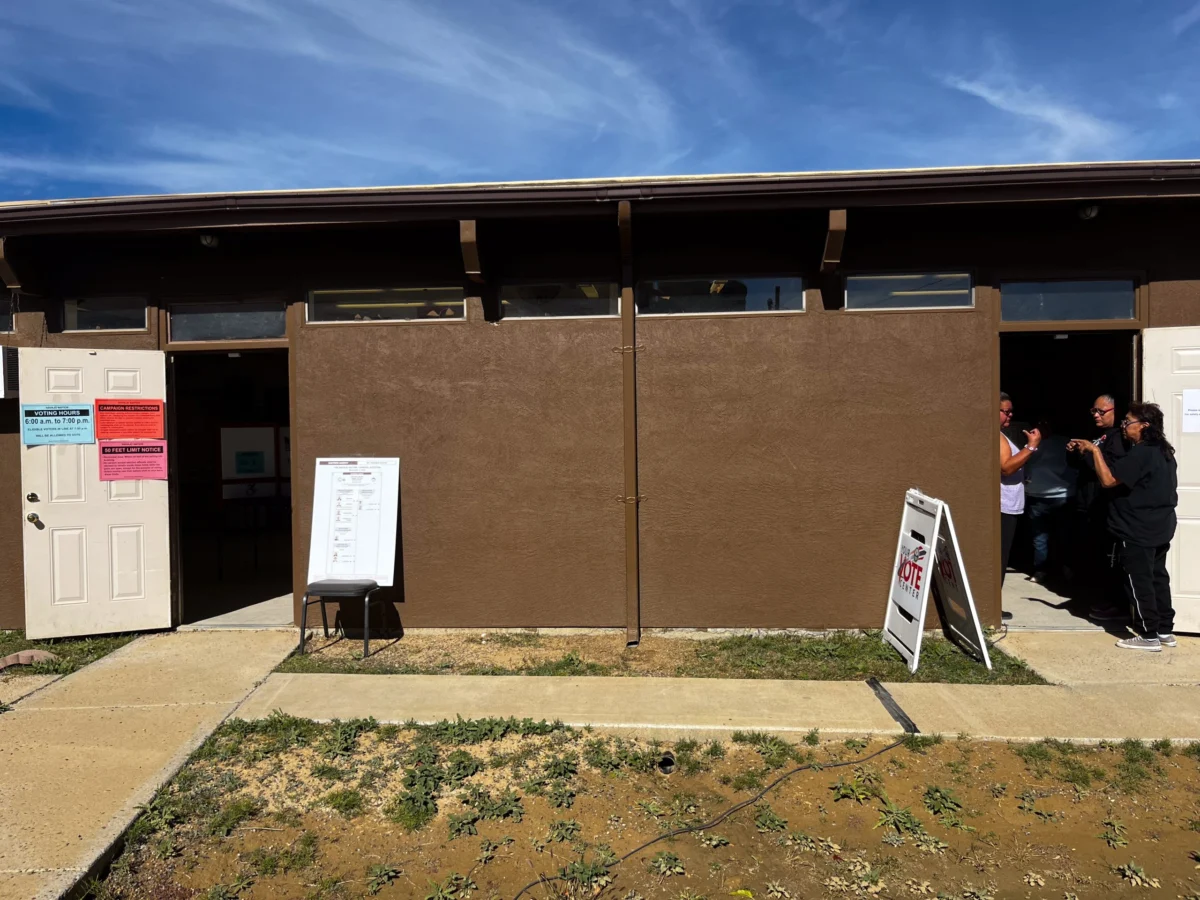
On a recent Election Day, a quiet vigilance unfolded beneath an elm tree at the Laguna Pueblo administrative building, where three University of New Mexico law students, identifiable by their white hats, observed a steady stream of voters participating in both state and tribal elections. These young legal minds, initially unfamiliar to the local community, quickly forged connections as they explained their crucial role: serving as poll monitors for the Native American Rights Fund (NARF), a non-profit dedicated to defending tribal sovereignty and indigenous rights. Their presence underscored a broader, nationwide effort to safeguard democratic participation for Native Americans, a demographic historically disenfranchised and often overlooked in electoral processes.
Grant Navakuku, a first-year law student from the Hopi-Tewa Tribe in Arizona, articulated the mission with clarity. “We are here just to make sure that the polls are running smoothly and abiding by the rules that all polls are supposed to have,” he stated, emphasizing the importance of ensuring that a tribal ID, for instance, is accepted as a valid form of identification for voting. Navakuku was part of a robust network of 260 poll watchers, meticulously trained by NARF and deployed across eight key states: Alaska, Michigan, Wisconsin, North Dakota, South Dakota, Nevada, Montana, and New Mexico. This extensive program aimed to identify and report any irregularities that could impede the right to vote in Native American communities.
Navakuku’s day began at the To’Hajiilee Chapter House on the Navajo Nation, where he reported no significant issues, before joining fellow students Taressia Garcia and Darren Malanik at the Laguna polling site. Their observations largely confirmed a smooth electoral process, characterized more by community engagement than the election interference concerns that had shadowed the U.S. midterm elections. This positive outcome mirrored reports from other states where NARF volunteers were stationed, with no major Voting Rights Act violations reported to NARF lawyers. Despite persistent, unsubstantiated claims of voting machine irregularities by certain political figures, the vast majority of American voters, including those in Indian Country, cast their ballots securely and efficiently.
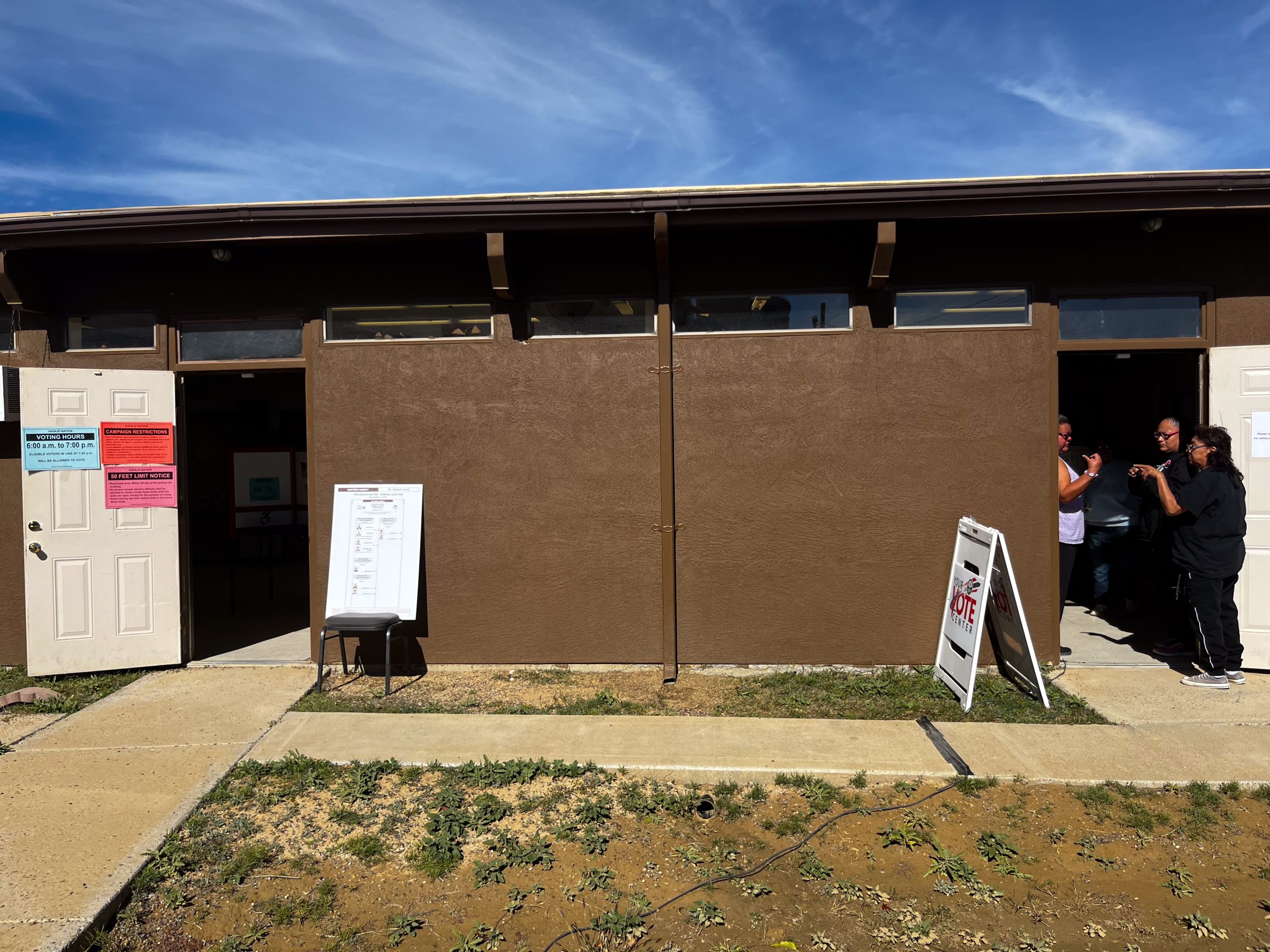
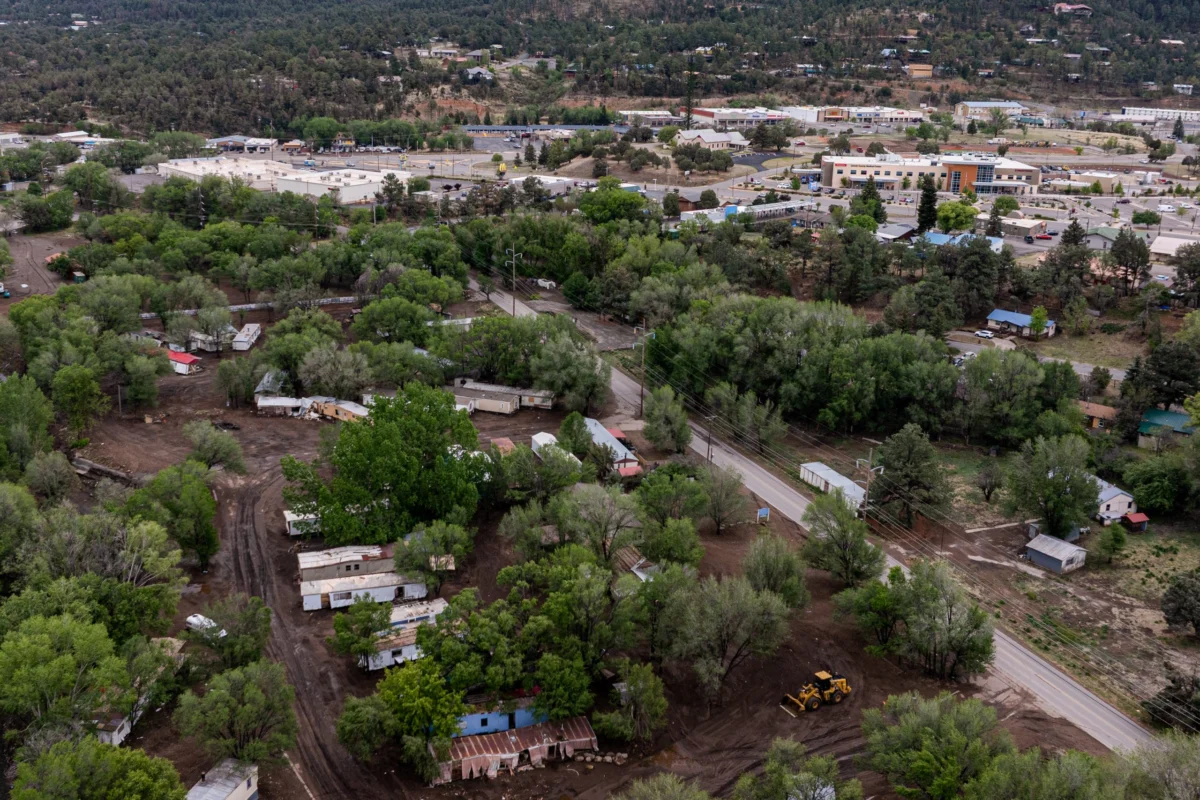
Taressia Garcia, a third-year law student from the Fort Mohave Tribe in California, echoed the sentiment of a well-executed election. "We talked to some folks, and they haven’t had any issues with same-day registration or just being able to cast their vote. Everything went well,” she noted, highlighting the effectiveness of local poll workers and the resilience of the electoral system. Indeed, many Indigenous voters demonstrated an unwavering determination to exercise their franchise. Just an hour away, in the Casamero Lake Chapter Community, Navajo voter Tom McDonald exemplified this resolve. Despite recent flooding that devastated his livestock grounds and forced his usual polling site to consolidate, McDonald insisted on voting in person on Election Day, valuing the communal aspect of the experience over early voting options.
The Native American Rights Fund, established in 1970 by Pawnee citizen John Echohawk, has been a vanguard in the fight for tribal sovereignty and the legal protections of Indigenous peoples in the United States. NARF partners with legal allies to hold governments accountable to their trust and treaty obligations, a mission that inherently extends to securing voting rights. A foundational 2016 survey by NARF exposed systemic barriers faced by Native American voters, including inconsistent polling hours, discriminatory voter ID laws, and the problematic purging of election rolls without proper notification. This critical data spurred the creation of NARF’s election protection program, which has since trained hundreds of legal professionals on the specific protections afforded to Native American voters. Subsequent reports, leveraging data from the 2020, 2022, and 2024 elections, have consistently demonstrated that these pervasive barriers directly contribute to decreased Native American voter turnout and diminished civic participation in their local and national governments.
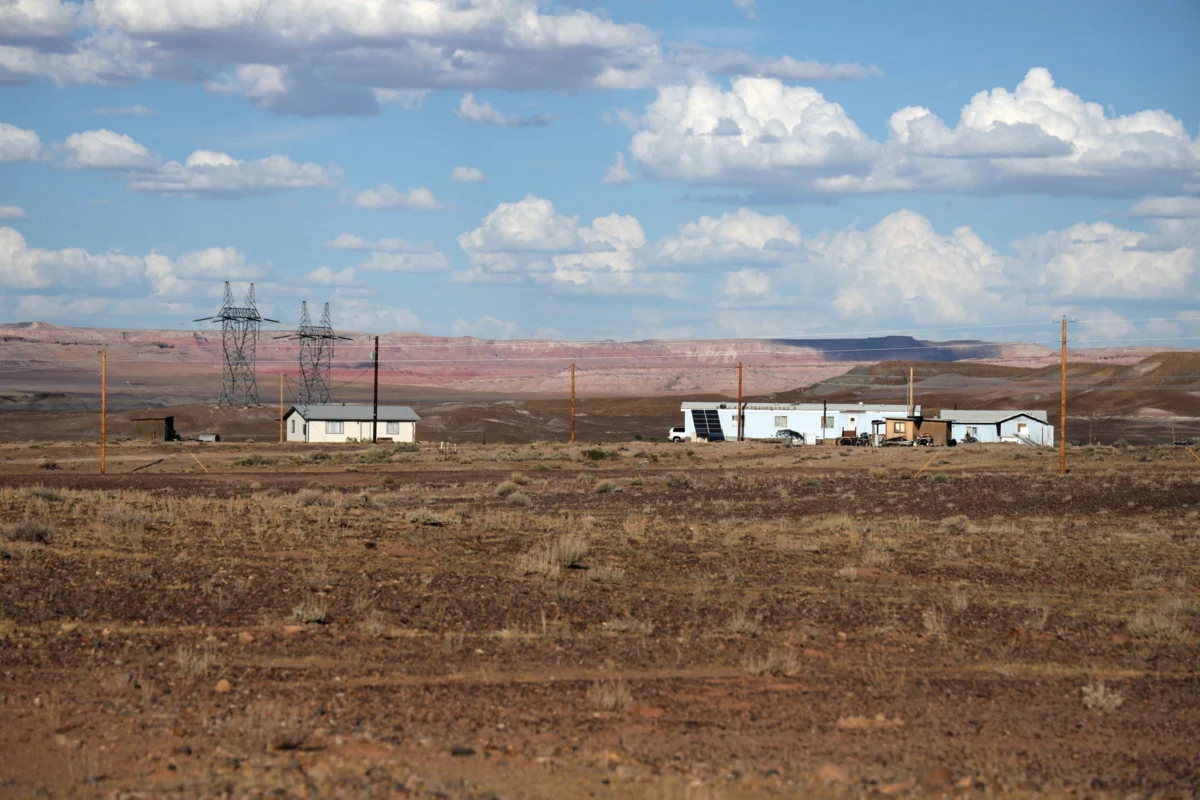
The NARF report starkly outlines the compounded challenges: "Geographic isolation, unreliable mail service, nonstandard addressing systems, limited internet access, and inadequate polling resources all combine to make voting harder in heavily Native American counties than anywhere else in the country." The consequences, the report concludes, are undeniably measurable, manifesting as a significant disparity in democratic access. These issues resonate with broader global challenges faced by indigenous communities striving for self-determination and equal participation within larger national frameworks.
NARF’s election protection program operates through strategic partnerships with national organizations like Common Cause and grassroots Native vote initiatives across states such as Arizona, North Dakota, New Mexico, and Alaska. This collaboration manifests both in on-the-ground voter mobilization campaigns and crucial courtroom advocacy. NARF lawyers, for instance, are actively representing the Turtle Mountain Band of Chippewa Indians, the Spirit Lake Tribe, and other voters in North Dakota in a U.S. District Court case challenging a 2021 redistricting map as discriminatory and violative of constitutional protections for Native voters.

Election Day also brought a significant free speech victory for NARF in a U.S. District Court in South Dakota. The case involved a Yankton Sioux Tribe member who was initially denied his right to vote in 2024 for wearing a shirt emblazoned with "NATIVES Vote." Judge Karen Schreier ultimately ruled the messaging nonpartisan, affirming the right of voters to wear shirts with phrases like "Native Vote," "Natives Vote," or "Get Out the Native Vote," a crucial win for expressive political speech at the polls. Meanwhile, in Montana, Northern Cheyenne Tribe voters participated without incident in state elections at the Little Wolf Tribal Building in Lame Deer, even after a tumultuous year marked by an ousted tribal president attempting to assert unconstitutional authority over the tribe’s government.
Darren Malanik, a non-Native volunteer from Long Island on track to become a public defender in New Mexico, underscored his personal commitment to the cause. “I felt a responsibility to uphold legal protections for voters,” he explained. “Because I’m also not native to New Mexico, I think it’s also important for me to come out here and get to know the community members I may be representing and interacting with as a future lawyer.” His perspective highlights a critical aspect of NARF’s program: the indispensable role of non-Native American volunteers. According to the American Bar Association, less than one percent of the 1.3 million active lawyers in the U.S. identify as Native American. This stark underrepresentation means that Native peoples often navigate a justice system with minimal Indigenous legal professionals, making efforts to cultivate diversity and ensure fair representation all the more vital.
Future lawyers and Native scholars like Garcia and Navakuku represent a crucial exception to this demographic disparity. They believe that election monitors specifically focused on Native voters can significantly boost visibility and reinforce the understanding that Indigenous individuals possess full voting rights, just like any other U.S. citizen. Furthermore, they stress the importance of clarifying that tribal identification documents are universally allowable forms of voter ID. “It’s not such a complicated topic,” Garcia noted, adding, “One of the barriers to voting is just not understanding the process and making them aware of that.” This educational component is as vital as legal enforcement in empowering voters.
Navakuku recounted an initial skepticism from some poll workers and supporters at the To’Hajiilee Chapter House, who were campaigning for Navajo Nation presidential candidates. “They were kind of caught off guard when I showed up, and I had to explain what the mission was,” said Navakuku, an Army National Guard veteran utilizing his G.I. Bill for his legal studies. This initial apprehension was understandable given the broader context of federal election monitoring. The U.S. Department of Justice had deployed over 1,000 federal employees to monitor elections nationwide, including at least ten to Bernalillo County, New Mexico, where To’Hajiilee is located. New Mexico state representative Javier Martinez noted that local communication channels, usually focused on immigration alerts, shifted to track federal agents at polling sites. A pre-election ruling had barred armed federal agents from poll watching, stipulating that personnel would come from local attorney general’s offices and the Office of Personnel Management, a detail Martinez noted with relief, characterizing them as "bureaucrats" rather than armed enforcement. The subsequent resignation of Harmeet Dhillon, who led the Justice Department’s civil rights division, raised questions about the future of federal poll-watching efforts.

It was precisely this environment of heightened scrutiny and misinformation leading up to the midterms that prompted NARF to significantly expand its outreach to more tribal precincts in additional states in 2026. NARF is committed to maintaining its critical role in collecting election data from tribal communities. This data is instrumental in identifying persistent barriers, developing effective solutions, and advocating for complete compliance with the Native American Voting Rights Act. NARF’s training prepares volunteers for the reality that major election violations are rare, emphasizing that they are more likely to experience local hospitality than serious legal incidents. Navakuku’s experience reflected this, as the To’Hajiilee polling site hummed with a festival-like atmosphere, complete with tents serving mutton stew, blue corn mush, and frybread, all set to country music as voters proudly displayed their “I Voted” stickers. This convivial mood stood in stark contrast to the pre-election anxieties surrounding voter suppression.
Before returning to Albuquerque, Navakuku reflected on his service, connecting it to his Hopi-Tewa heritage. “I understand that I am a part of something bigger than myself, but the reason why I came out here is because I saw that there was a need,” he concluded. “I saw the organization, and what they were putting on, the mission that they were trying to fulfill. I thought I could lend a helping hand.” His words encapsulate the spirit of NARF’s work: a commitment to community, legal integrity, and the enduring struggle for equitable democratic participation for all Native Americans.