Roger Danuarta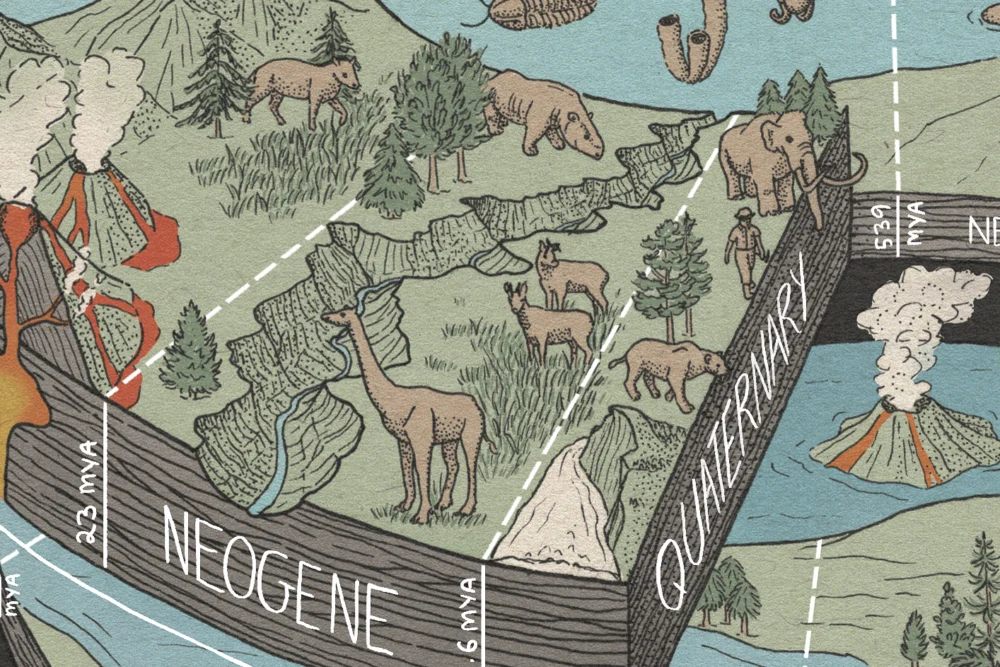
The American West, a landscape etched by forces unimaginable in human terms, stands as a living testament to billions of years of geological evolution. Its majestic mountains, sweeping deserts, and iconic canyons are not merely static backdrops but dynamic chronicles of Earth’s deep past, with consequences that profoundly shape contemporary life, resource management, and environmental challenges. Understanding this immense geological history—from its primordial origins to the powerful forces still at play—offers critical insights into the region’s present character and its uncertain future.
Before the emergence of complex life, the West’s foundation was forged in the fiery crucible of the Precambrian Era, stretching back over four billion years. Ancient cratons, the stable cores of continents, coalesced, buckled, and fractured, forming the earliest crustal fragments that would eventually underpin much of North America. These deep time processes involved vast oceans, nascent atmospheres, and the slow, inexorable assembly and disassembly of supercontinents like Rodinia, which began breaking apart roughly 750 million years ago. Evidence of these titanic events is preserved in the deeply eroded metamorphic and igneous rocks found in ranges like the Black Hills or the inner gorge of the Grand Canyon, silent witnesses to a planet in its infancy.
As the Paleozoic Era dawned around 540 million years ago, much of what is now the American West was submerged beneath vast, shallow inland seas. Over hundreds of millions of years, these ancient oceans teemed with diverse marine life—trilobites, brachiopods, and early fish—whose shells and skeletons accumulated on the seabed, forming immense layers of limestone, sandstone, and shale. These sedimentary deposits, often several miles thick, would later be uplifted and sculpted into the distinctive plateaus and canyon lands of Utah, Arizona, and Colorado. This period also saw the first significant terrestrial life, with plants colonizing land and laying the groundwork for future ecosystems.
A particularly significant chapter unfolded during the Carboniferous period, approximately 359 to 299 million years ago. Swamps and lush, temperate forests flourished across vast areas, particularly in what would become the central and eastern parts of the modern United States, but also extending into parts of the proto-West. The rapid burial of immense quantities of organic matter from these ancient flora, under conditions of high pressure and temperature over geological millennia, led to the formation of the prodigious coal deposits that underpin much of today’s global energy infrastructure. The legacy of these ancient swamps is starkly visible today in the coalfields of Wyoming, Montana, and Colorado, which have fueled industrial expansion for over a century, simultaneously driving economic growth and contributing significantly to atmospheric carbon emissions, a critical contemporary concern.
The Mesozoic Era, often dubbed the "Age of Dinosaurs" (252 to 66 million years ago), was a time of dramatic transformation for the West. Tectonic forces intensified as the Farallon Plate subducted beneath the North American Plate. This ongoing collision triggered monumental mountain-building events, including the Sevier Orogeny and the later, more extensive Laramide Orogeny. These colossal uplifts created the Ancestral Rockies and ultimately the modern Rocky Mountains, reshaping drainage patterns and climate zones across the continent. Simultaneously, vast inland seas periodically inundated portions of the interior, leaving behind marine shales rich in fossils, while extensive volcanic activity punctuated the landscape, scattering ash and lava flows. The fossil records from states like Montana and Utah offer unparalleled windows into the dinosaurian past, attracting paleontologists and tourists alike.
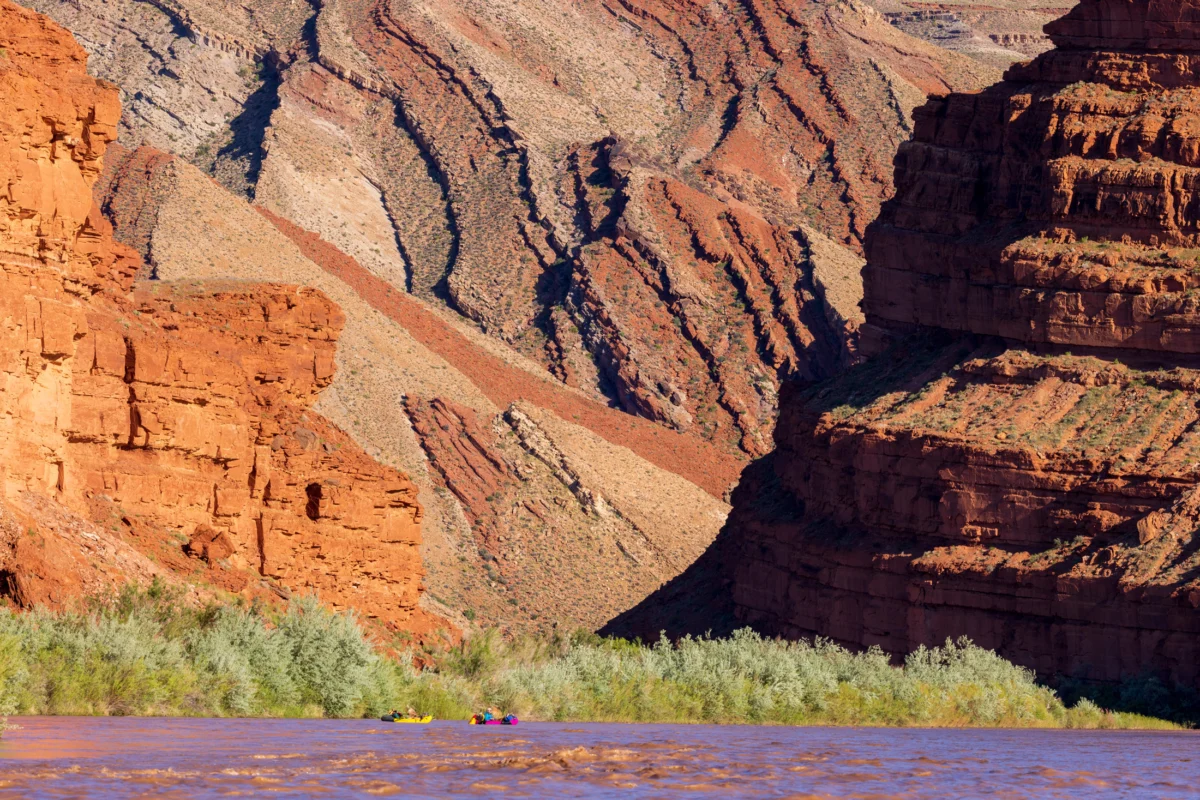
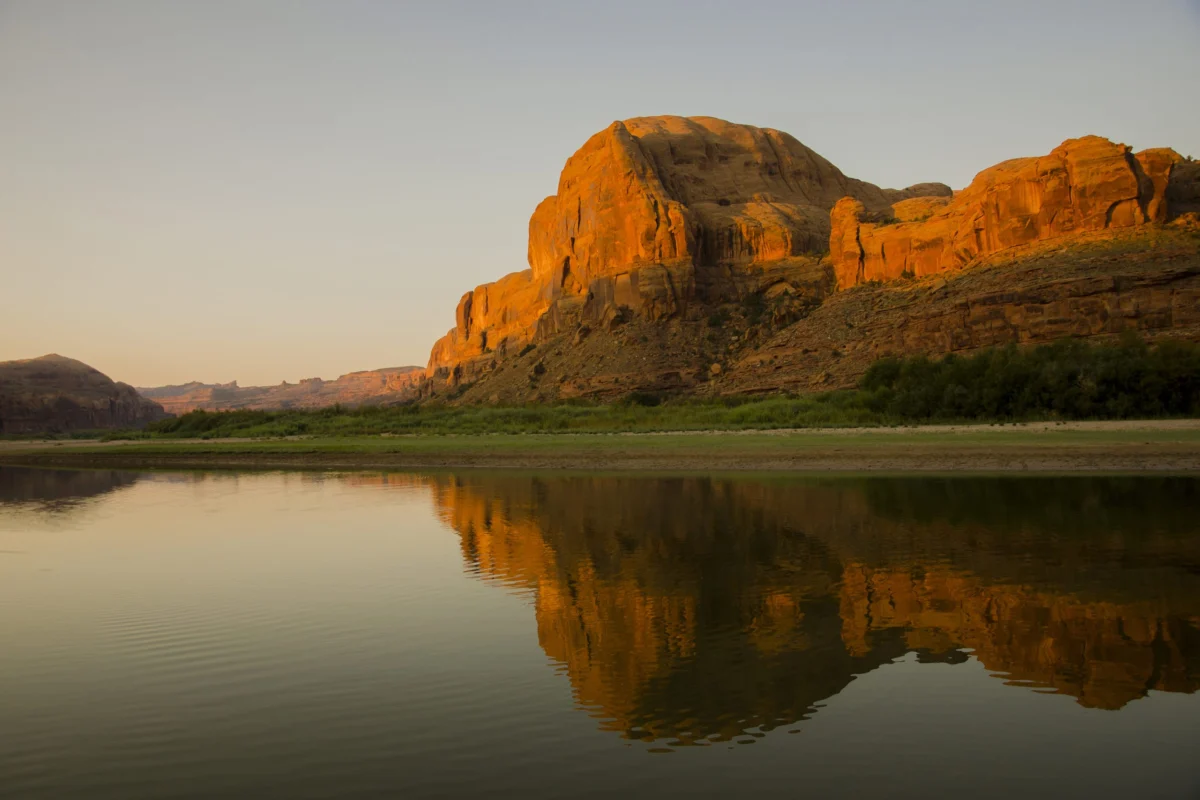
The Cenozoic Era, beginning 66 million years ago and continuing to the present, refined the West into its recognizable form. Continued uplift, erosion, and volcanic activity sculpted the land. The Colorado Plateau experienced significant uplift, setting the stage for one of Earth’s most iconic geological features. A mere 5 to 6 million years ago—a geological blink in the context of deep time—the nascent Colorado River began its relentless carving of the Grand Canyon. This comparatively rapid incision, driven by the immense power of water acting on a rising landscape, exposed nearly two billion years of Earth’s history in a mile-deep cross-section. The Grand Canyon, a UNESCO World Heritage site, serves not only as a profound natural wonder but also as a vital hydrological artery, its waters supporting millions of people and vast agricultural lands across the arid Southwest. The river’s journey, however, also highlights critical water scarcity issues, exacerbated by climate change and increasing demand, underscoring the intimate link between deep geological processes and modern resource challenges.

The West’s geological dynamism continues unabated. The Cascadia Subduction Zone off the Pacific Northwest coast poses a constant threat of major earthquakes and tsunamis, while the San Andreas Fault system in California represents the active boundary between the Pacific and North American plates, responsible for frequent seismic activity. Further inland, the Yellowstone Caldera, a supervolcano, represents one of the planet’s largest active volcanic systems, its past eruptions having significantly impacted global climate. These active geological processes, rooted in deep time tectonics, are not merely abstract scientific concepts but present tangible natural hazards that demand ongoing monitoring and preparedness from human populations.
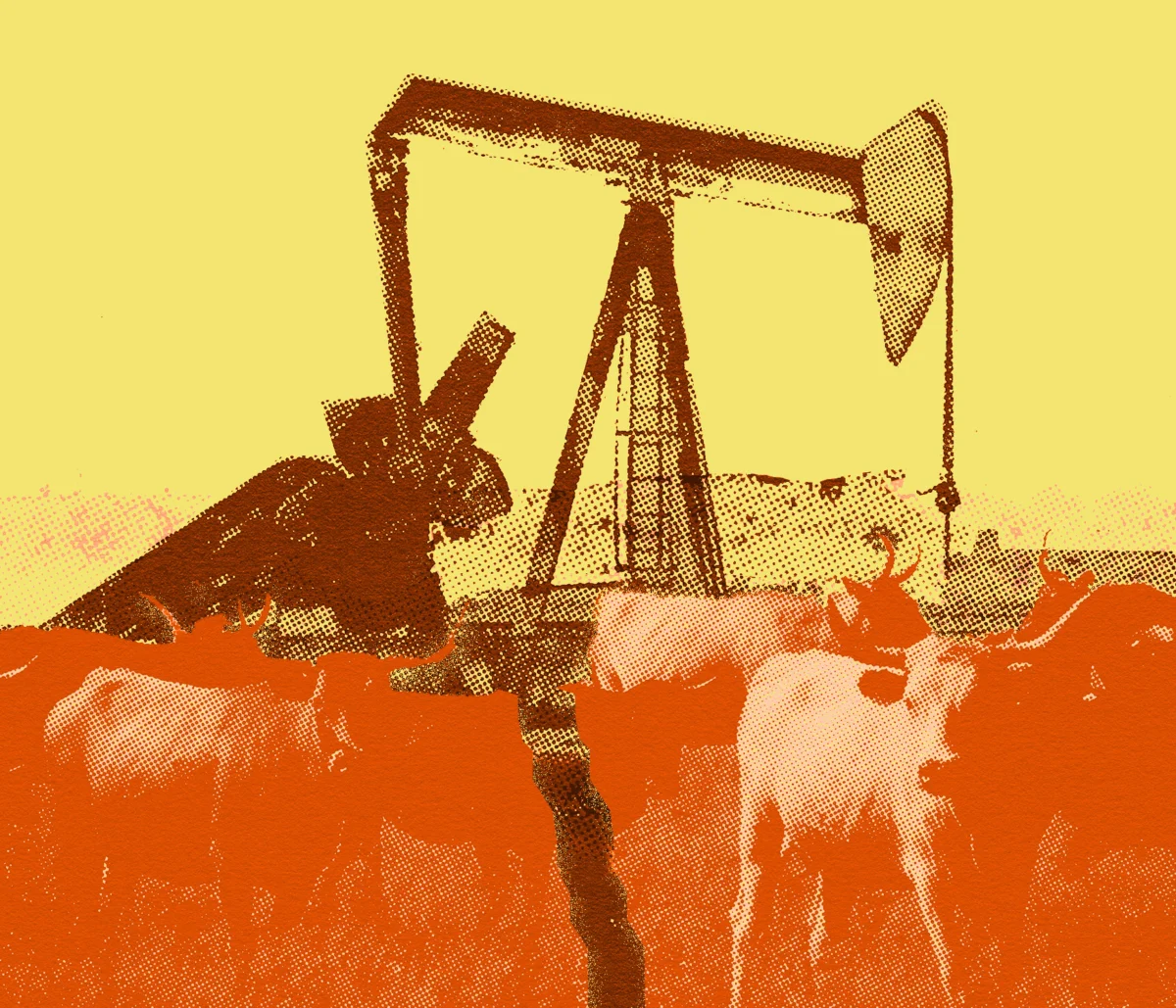
The geological history of the West has also bequeathed immense natural resources, driving much of its economic development. Beyond coal, ancient sedimentary basins trapped vast reservoirs of oil and natural gas, particularly in Wyoming, Colorado, and New Mexico. Magmatic intrusions and hydrothermal activity, often associated with past volcanic and tectonic events, concentrated precious metals like gold, silver, copper, and uranium, leading to historic mining booms that shaped settlements and economies from California to the Rocky Mountains. The legacy of resource extraction, while foundational to regional prosperity, also carries a heavy environmental cost, including land degradation, water pollution, and the ongoing debate over the transition to renewable energy sources, all framed by the finite nature of these deep-time-formed resources.
The West’s water systems are profoundly shaped by its deep past. Mountain ranges, born from tectonic uplift, act as orographic barriers, intercepting moisture and feeding snowpacks that sustain major rivers like the Colorado, Columbia, and Snake. Ancient geological structures dictate the paths of these rivers and the locations of vast aquifers. The management of these vital water resources, particularly in an era of increasing aridity and climate variability, is a direct engagement with the deep-time processes that created them. Understanding the long-term hydrological cycles and the geological storage of water is crucial for addressing present and future water security challenges across the region.
The West’s unique biodiversity and diverse ecosystems are also products of its long geological journey. Varying altitudes, soil compositions (derived from different parent rocks), and climatic zones—all influenced by geological history—have fostered an extraordinary array of flora and fauna. From the high alpine tundra to the arid Sonoran Desert, each ecosystem bears the indelible mark of millennia of geological shaping, creating distinct habitats and evolutionary pathways. Conserving this natural heritage requires an appreciation for the deep-time processes that underpin its richness.
For millennia, Indigenous peoples have inhabited and stewarded these landscapes, developing profound knowledge systems intimately connected to the land’s deep history. Their oral traditions, place names, and cultural practices often reflect an understanding of geological processes and cycles that predate modern scientific inquiry. The layers of human history, from ancient migration routes to contemporary land claims, are interwoven with the geological narrative, highlighting the enduring human-land relationship that spans epochs.
The West’s deep time story is not merely a historical curiosity; it is a critical framework for comprehending contemporary global challenges. The carbon stored in ancient coal and petroleum deposits, now rapidly released into the atmosphere, directly contributes to climate change. The ongoing seismic activity serves as a stark reminder of Earth’s dynamic nature and the need for resilient infrastructure. Globally, regions from the Andes to the Himalayas share similar narratives of tectonic power and resource formation, each presenting unique challenges rooted in their geological heritage. By looking back across millions and billions of years, humanity gains a crucial perspective on the brevity of its own existence and the profound, long-term consequences of its actions on a planet shaped by deep time. This vast historical canvas underscores the imperative for thoughtful stewardship and sustainable practices, recognizing that today’s decisions will become part of the geological record for future eons.