Joko Susilo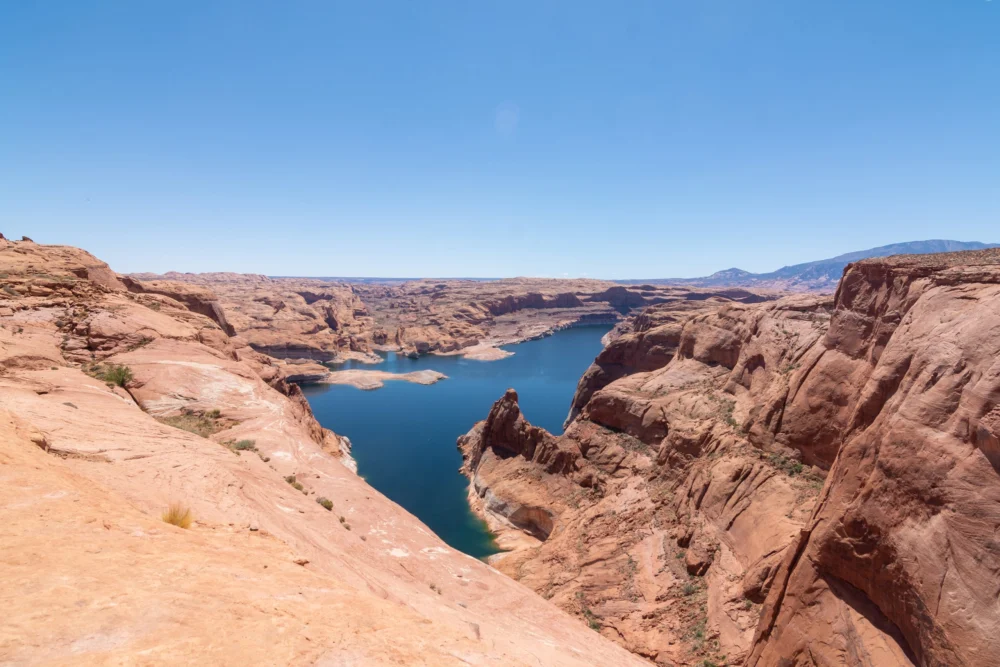
A recent comprehensive analysis from the Center for American Progress (CAP) has underscored the indispensable role that 31 national monuments, designated since the Clinton administration, play in securing clean water supplies for millions of Americans, amidst ongoing political pressures to open public lands to extractive industries. This timely report emerges as the specter of downsizing or revoking these protected designations looms, potentially imperiling vital aquatic ecosystems and the communities reliant upon them.
Utilizing sophisticated geospatial data, the study meticulously quantified the vast network of rivers and watersheds encapsulated within these national monument boundaries, alongside the staggering number of users who depend on these pristine water sources. The findings reveal that the drinking water for more than 13 million Americans is directly sourced from watersheds nestled within or flowing downstream from these protected areas. A particularly striking revelation is that approximately 83 percent of the water traversing these federal lands enjoys no other form of legal protection beyond their monument status, highlighting the critical, often overlooked, function of these designations. In total, national monuments safeguard an astounding 21,000 miles of waterways across the United States—a figure that nearly doubles the combined mileage protected by the National Wild and Scenic Rivers System, underscoring their unparalleled contribution to aquatic conservation.
This pivotal analysis arrives at a juncture when the future of national monuments has become a contentious battleground in federal land management policy. The Trump administration, during its prior term, demonstrated a clear intent to prioritize resource extraction, frequently clashing with conservationists over the use of public lands. In a significant move in March, the administration initially signaled its intention to eliminate California’s Chuckwalla and Sáttítla Highlands national monuments, a decision later retracted from a White House fact sheet but indicative of the underlying policy direction. The following month, reports from The Washington Post indicated that the administration was actively contemplating the reduction or outright elimination of six national monuments. Further solidifying this stance, the U.S. Department of Justice issued an opinion in June asserting the president’s authority to rescind national monument designations, a departure from decades of established legal interpretation that held such power in question. These actions echo previous efforts, notably the substantial shrinking of Bears Ears and Grand Staircase-Escalante national monuments during Trump’s last term—designations originally established by the Obama and Clinton administrations, respectively—though these were subsequently restored to their full extent by President Joe Biden upon taking office.
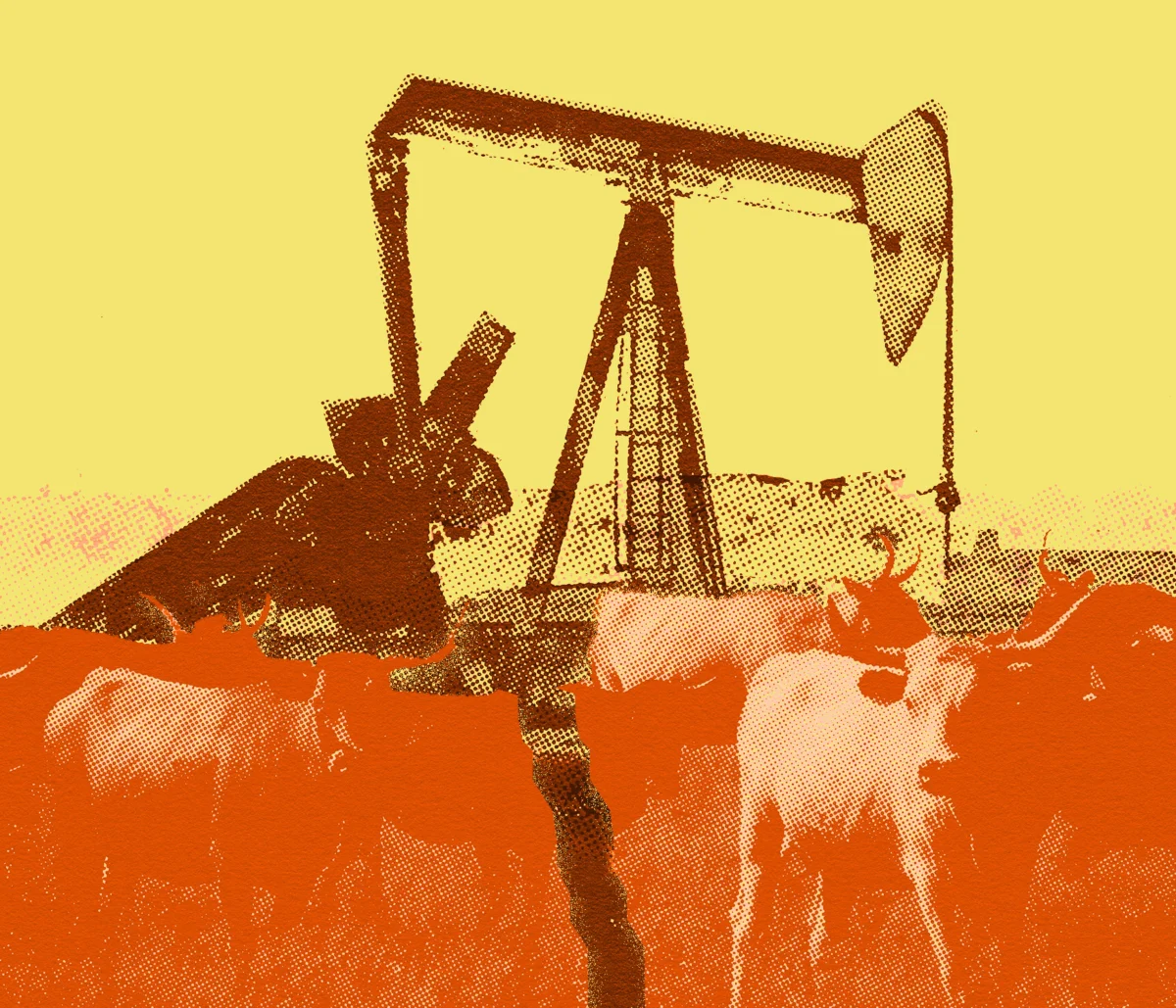
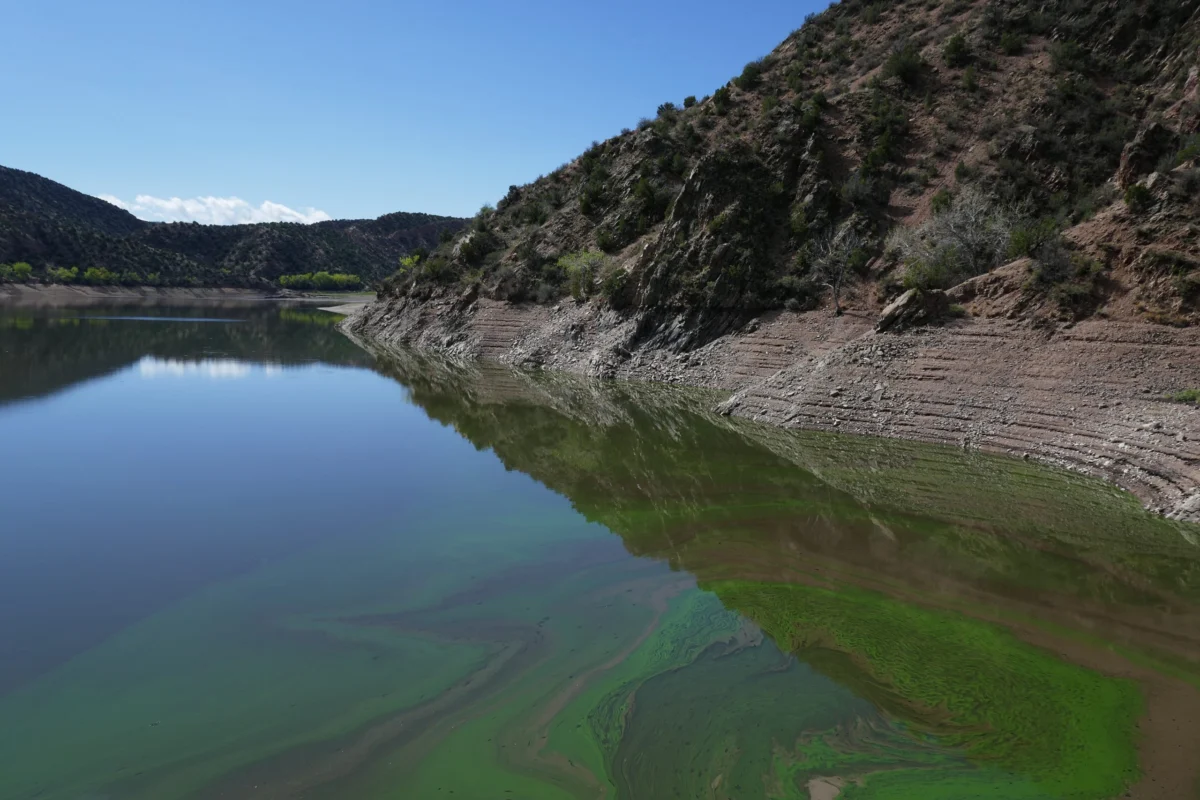
Should these national monument designations be downsized or entirely revoked, the implications for water quality and quantity would be profound and far-reaching. The areas surrounding critical waterways would lose their crucial safeguards against the encroachment of extractive industries, including expansive oil and gas drilling, large-scale mining operations, and unrestricted grazing. The immediate environmental hazard arises from the potential for contamination: industrial activities can introduce a cocktail of pollutants—heavy metals, chemicals, and sediment—that can leach into streams and subsequently infiltrate larger river systems. Beyond pollution, these industries often demand vast quantities of water, a particularly acute problem in the already arid regions of the American West, further depleting vital water supplies that communities rely on. While certain limited and regulated mining and grazing activities are sometimes permitted within national monument boundaries, these are typically far more restricted and subject to stricter environmental oversight than operations outside such protected areas.
Drew McConville, a senior fellow for conservation policy at the Center for American Progress and a co-author of the report, succinctly captured the essence of this ecological interdependency: "Landscapes and waterways go hand in hand. The clean water depends on what comes into them from natural lands… Just protecting the wet stuff itself doesn’t guarantee that you’re keeping [water] clean and durable." This statement emphasizes that the health of aquatic ecosystems is inextricably linked to the integrity of the surrounding terrestrial environment, highlighting the holistic protection afforded by monument status.
The report also brought to light a critical environmental justice dimension, revealing that a disproportionately higher percentage of historically marginalized communities reside within the watersheds protected by these national monuments compared to the national average. These communities, often Indigenous peoples and rural populations, frequently bear the brunt of environmental degradation and are among the most vulnerable to changes in water quality and availability. Compounding this vulnerability, 23 of the studied monuments are situated in regions already projected to experience severe water shortages in the coming decades due to the escalating impacts of climate change. The removal of protections in these areas would not only exacerbate existing water stress but also deepen the inequities faced by communities already on the front lines of climate vulnerability, making already arid regions even drier and more precarious.
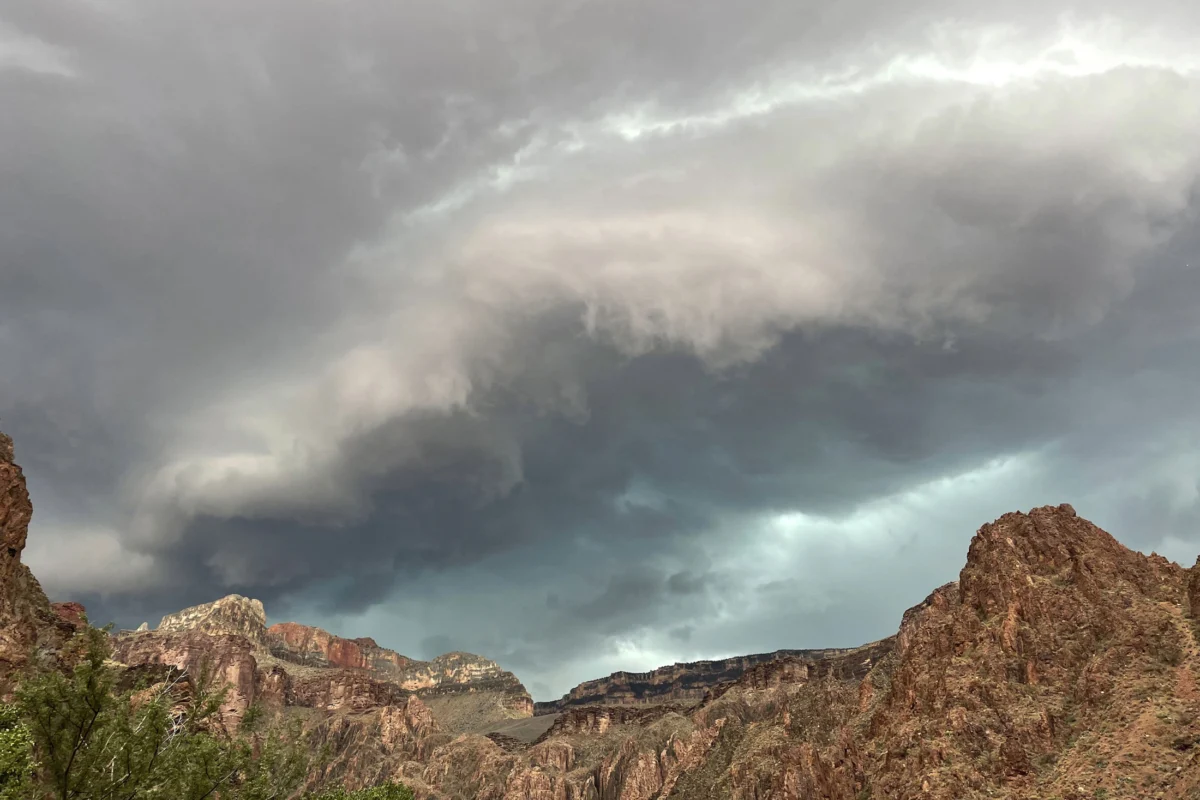
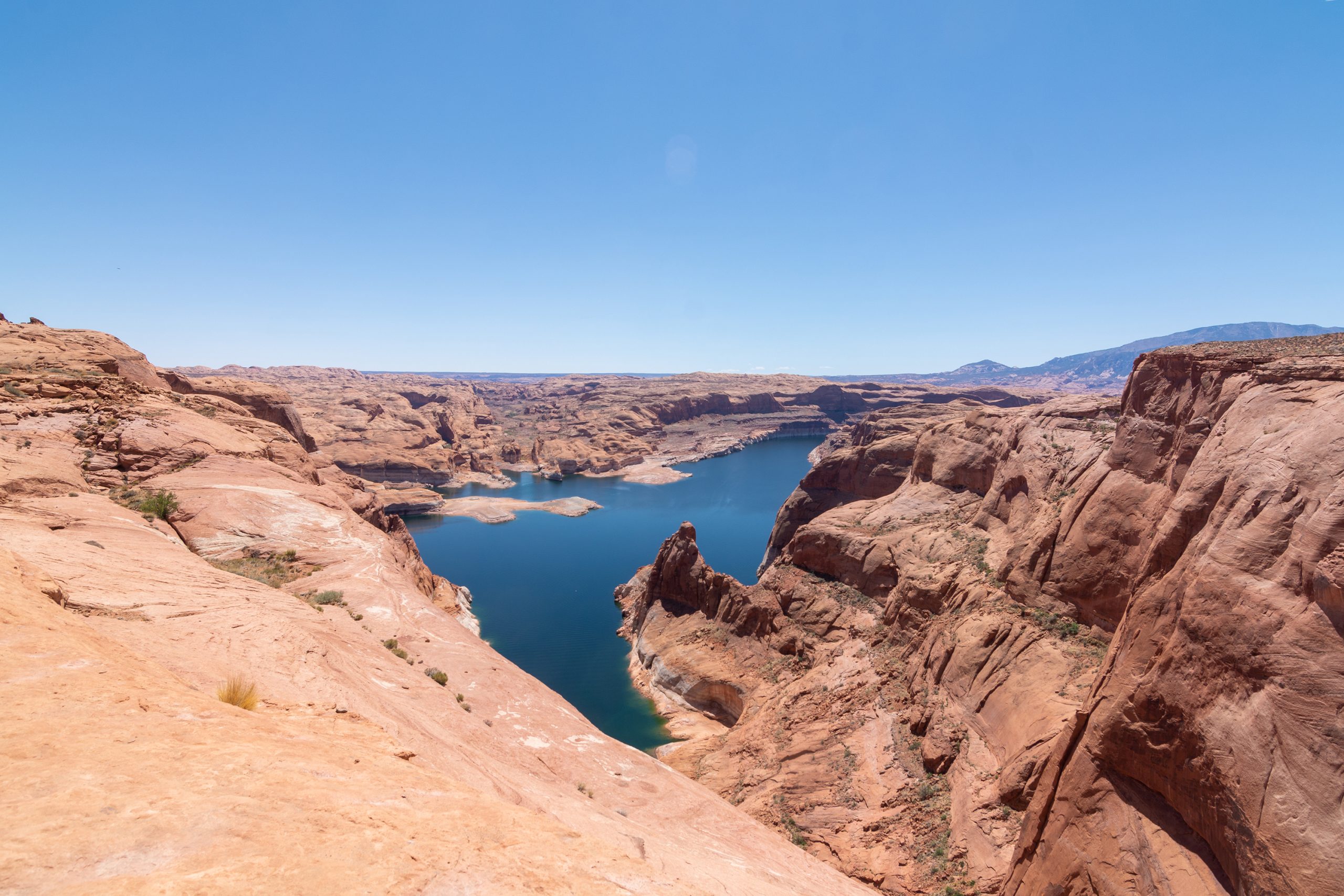
Grand Staircase-Escalante National Monument in southern Utah stands as a compelling case study illustrating these complex interdependencies. According to the CAP analysis, this vast monument alone protects an impressive 2,517 miles of waterways, with nearly 90 percent of its internal watersheds projected to experience significant declines in water levels. Geographically, it strategically straddles the critical Upper and Lower Colorado River Basins, encompassing the headwaters of the Paria and Escalante rivers, with Lake Powell—the nation’s second-largest reservoir and a cornerstone of the Colorado River System—situated just to its south. Despite its public perception as a sparse, arid expanse, a characterization often true in its vastness, the monument plays a vital, yet often underestimated, role in the broader Colorado River System, which sustains millions of people across the Southwest. Grand Staircase-Escalante is instrumental in regulating water flow from the Paunsaugunt Plateau within Bryce Canyon National Park, much of which originates as snowpack that melts and flows downstream, ultimately feeding the parched Colorado River Basin.

"People don’t think of water when they think of Grand Staircase-Escalante National Monument," remarked Jackie Grant, executive director of Grand Staircase Escalante Partners, a non-profit dedicated to the monument’s protection, which has invested $11 million in safeguarding the Escalante River watershed and its tributaries. "So when we can bring this view of water and how important it is to the protection of the monument, it helps us put another building block in our case for supporting the monument, because not only is it important for the animals, the native plants, the geology and the paleontology, water plays a huge role in the monument, and the monument protects the water itself." Her statement underscores the multifaceted value of these protected lands, extending far beyond their more commonly recognized ecological and historical attributes.
Spanning an expansive 1.87 million acres of public land, Grand Staircase-Escalante National Monument is among the country’s most expansive national monuments, a treasure trove of biodiversity, unique geological formations, and invaluable archaeological resources. However, beneath its stunning surface lies a significant economic temptation: an estimated nine-billion-ton coal deposit buried within its central core, alongside substantial reserves of other minerals, including uranium and nickel. These resources have long fueled the pro-mining agenda promoted by previous administrations, highlighting the inherent conflict between conservation and extractive economic interests. The prospect of large-scale mining in such a sensitive area presents an undeniable threat. As Grant cautioned, "It’d be very easy to contaminate either one of those rivers if mining were to take place in the center section of the monument," pointing to the high risk of environmental degradation that could result from industrial activities.
Margaret Walls, a senior fellow at Resources for the Future, who has extensively studied national monuments but was not involved in this specific report, offered a broader perspective on their utility. She noted that while national monuments are typically designated to preserve cultural or historical landmarks, their equally critical function in safeguarding water resources is often overlooked. Walls emphasized that even if monument protections are relaxed, the lands typically remain under federal ownership, meaning their change in status does not automatically guarantee immediate development. However, the shift in management priorities away from conservation can significantly increase vulnerability. "We don’t protect waterways the way we do land," Walls observed, "we’re going to get those water benefits by protecting the land." This insight reinforces the argument that land-based conservation, particularly through designations like national monuments, is a foundational strategy for ensuring the long-term health and availability of water resources, which are increasingly under threat globally due to population growth, pollution, and the accelerating impacts of climate change. The debate over national monuments therefore transcends mere land use; it is fundamentally a debate over water security, environmental equity, and the nation’s commitment to preserving its natural heritage for future generations.