Rocky Georgio
Texas-based New Era Energy & Digital has announced ambitious plans to construct a "hyperscale" data center complex in Lea County, New Mexico, a region already at the heart of the Permian Basin’s prolific oil and gas operations. This proposed facility is slated to be so substantial that it will feature its own integrated nuclear and natural gas power plants, boasting a combined generation capacity of approximately 7 gigawatts. This immense power output, equivalent to combining the West’s two largest power plants – the Palo Verde nuclear facility and the Gila River natural gas plant near Phoenix – and adding an additional 800 megawatts, could theoretically power over 5.3 million homes. However, its intended use is primarily for the computationally intensive demands of modern digital activities, including streaming, social media, and critically, artificial intelligence processing.
Despite the colossal scale of this project, it has garnered relatively limited media attention, a reflection of the increasing frequency of such announcements. While the full realization of New Era’s power-generating data center complex remains a distant prospect, even a fraction of the numerous proposed hyperscale facilities could fundamentally reshape the Western United States’ power infrastructure, its landscapes, and its economies. This transformation echoes the post-World War II era, often referred to as the "Big Buildup," when the region witnessed the widespread development of large-scale coal plants and hydroelectric dams to support the burgeoning urban centers through extensive high-voltage transmission networks.
This transformative shift is already demonstrably underway. A recent report by the nonprofit NEXT 10 and the University of California, Riverside, revealed that in 2023, data centers across California consumed 10.82 terawatt-hours of electricity, a quantity sufficient to power approximately one million U.S. households. This significant energy draw resulted in an estimated 2.4 million tons of carbon emissions, even within California’s comparatively cleaner energy landscape; on grids with a higher reliance on fossil fuels, these emissions would likely be double or more. Furthermore, these facilities collectively consumed around 13.2 billion gallons of water for cooling and electricity generation. In Silicon Valley, more than fifty data centers accounted for approximately 60% of a single electricity provider’s total demand, compelling the utility to increase customer rates to fund necessary upgrades to its transmission and substation infrastructure, alongside the installation of new battery energy storage systems.

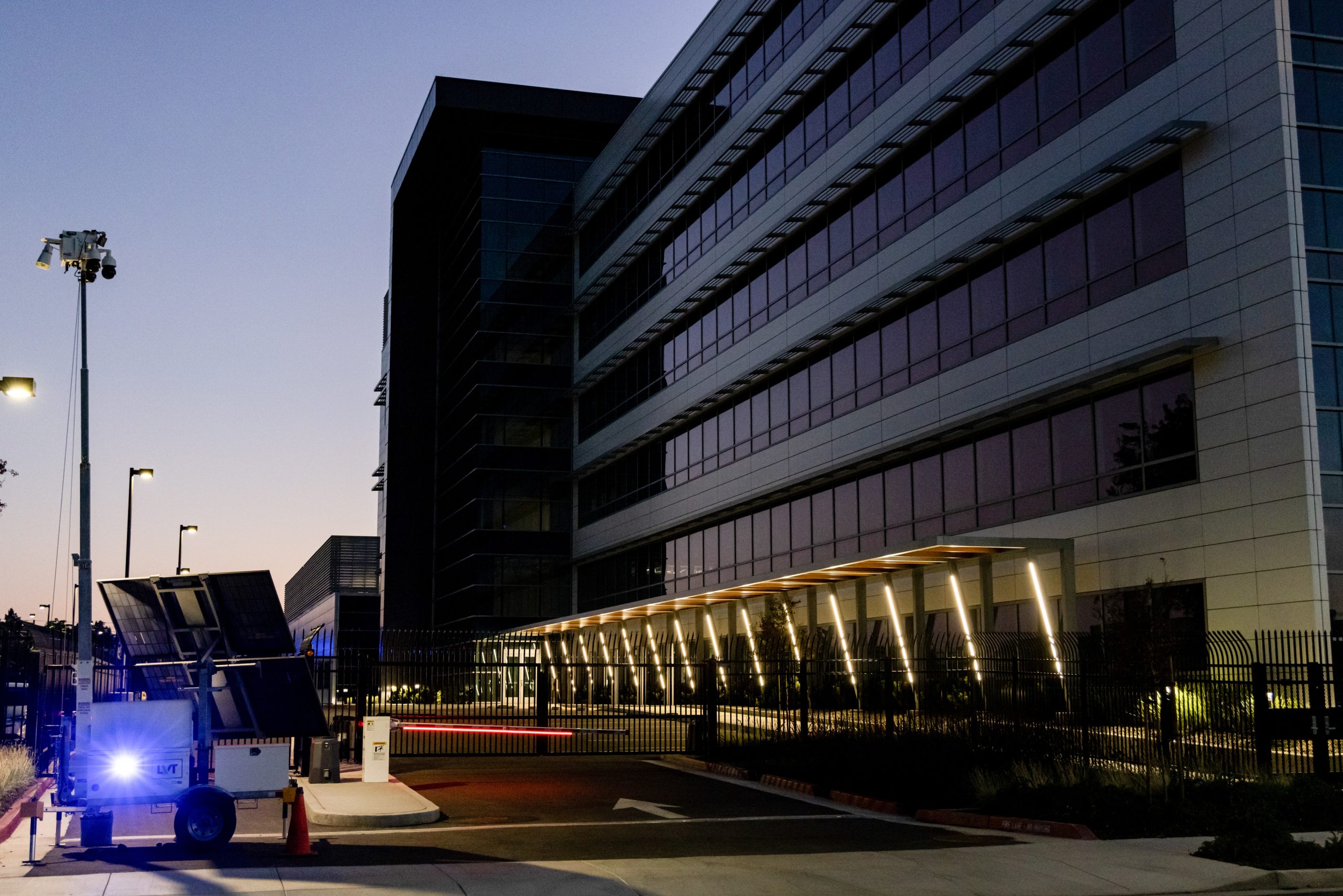
These data-intensive facilities are increasingly establishing a presence far beyond the traditional tech hubs like Silicon Valley. In the Phoenix metropolitan area, over one hundred data centers, resembling large warehouse-like structures filled with rows of server racks, have already been established in commercial parks. Projections from local utilities suggest that planned future developments could escalate Arizona’s overall power load by as much as 300% above current levels. In response to this burgeoning demand, Arizona Public Service has indicated plans to continue operating the Four Corners Power Plant, a coal-fired facility, beyond its originally scheduled retirement date of 2031.
The Western power grid, a complex interconnected system comprising 38 distinct balancing authorities or grid operators, is bracing for substantial increases in data center-driven energy demand over the coming decade. A report from the North American Electric Reliability Corporation has cautioned that the escalating demand from data centers is amplifying the risk of power outages across parts of the West, particularly during the winter months. Consequently, many large-scale data center operators are exploring options for self-generation of power, while utilities are under pressure to rapidly expand generating capacity and associated infrastructure to meet the needs of on-grid facilities, with the associated costs ultimately falling upon ratepayers.

The challenge of meeting this projected surge in electricity demand necessitates a multifaceted approach, as renewable sources like solar and wind power alone are insufficient. Utilities are consequently revisiting plans to extend the operational lifespans of existing coal-fired power plants and are considering the construction of new natural gas facilities. Moreover, the prospect of new nuclear power generation is being actively explored, with major technology companies such as Google, Switch, Amazon, OpenAI, and Meta investigating the potential use of next-generation small modular reactors (SMRs) and advanced reactor designs to power their proposed facilities, contingent upon their eventual development and deployment.
The environmental ramifications of this widespread data center expansion are a significant concern. The combustion of fossil fuels contributes to climate change and air pollution, while the extraction of oil, gas, and coal can inflict severe damage on landscapes. Large-scale renewable energy projects, such as solar and wind farms, while crucial for decarbonization, can impact wildlife habitats and often require extensive new transmission lines. Nuclear power presents its own set of challenges, including safety considerations and the long-term management of radioactive waste, alongside the environmental risks associated with uranium mining. Even data centers powered entirely by solar and battery storage, while displacing fossil fuel consumption, still rely on resource extraction. Furthermore, unless equipped with closed-loop air-cooling systems, many data centers continue to consume substantial amounts of water for cooling, often drawing from municipal water supplies.

Prometheus Hyperscale, a Wyoming-based company, has articulated a vision for "sustainable" data centers in the Northern Rockies, emphasizing dedicated clean energy generation, water recycling, and advanced cooling systems that leverage the region’s cold climate. The company has also proposed innovative uses for the waste heat generated by servers, suggesting applications in greenhouses and aquaculture. While the potential for future integration of nuclear micro-reactors has been mentioned, the company’s immediate operational plans involve powering its initial facility with natural gas, while offsetting carbon emissions through a third-party carbon capture and sequestration project linked to biofuel plants in Nebraska.
Opposition to the proliferation of data centers and their significant energy and water demands is emerging in various communities. However, the decentralized nature of these projects, often evaluated at the local level, can make coordinated resistance challenging. In one instance, after local residents in the Tucson, Arizona, area successfully opposed a plan that would have allowed a proposed data center to utilize treated wastewater for cooling, the developers relocated the project to the county. There, they planned to implement an air-cooling system, which reduces water consumption but increases energy requirements. Subsequent community concerns led the firm to commit to investing in renewable energy sufficient to offset its entire electricity usage on the Tucson Electric Power grid.

Adding to the complexity of community opposition is the fact that many local governments and utilities actively encourage data center development. These facilities can represent a significant source of jobs and tax revenue for economically struggling regions, provided tax exemptions are not granted. Concurrently, utilities often view the prospect of increased energy sales and the accompanying infrastructure upgrades as a revenue-generating opportunity. For example, NV Energy executive Jeff Brigger expressed enthusiasm for serving the projected data center load in Nevada.
While environmental concerns and the potential impact on utility rates and community resources are primary drivers of opposition, the very concept of artificial intelligence also plays a role. The significant energy and water consumption associated with activities like AI-generated content creation or casual information retrieval can seem disproportionate compared to essential uses like food production. While AI holds immense promise for applications in medical diagnostics, scientific research, and addressing complex global challenges, critics argue that the technology should first focus on improving its own efficiency.

The question remains whether AI can evolve to significantly reduce its substantial energy and water footprint before it fundamentally alters the planet’s resource landscape.