Roger Danuarta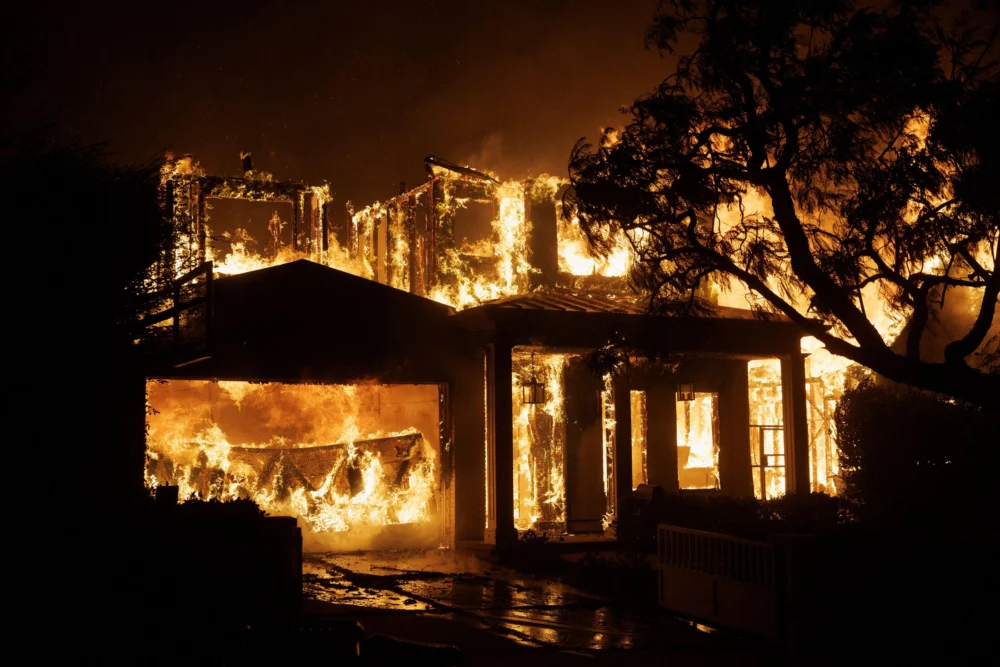
A novel legal challenge emerged last November when two Washington residents initiated a lawsuit against major petroleum corporations, alleging decades of deliberate public deception regarding fossil fuels’ profound impact on climate change and its escalating harm to the planet and its inhabitants. This filing represents the latest in a growing wave of climate litigation targeting "Big Oil," yet it distinguishes itself by focusing on a direct, tangible consequence: the spiraling cost of homeowners insurance. The plaintiffs contend that unchecked carbon emissions, stemming from fossil fuel combustion, have demonstrably intensified extreme weather events – from devastating hurricanes and raging wildfires to destructive floods and prolonged heat waves – thereby precipitating an unprecedented homeowners’ insurance crisis marked by prohibitive premiums and widespread policy cancellations.

This legal strategy underscores a critical and increasingly undeniable link between anthropogenic climate change and the stability of global financial markets, particularly the insurance sector. The sheer volume and intensity of climate-related disasters have surged dramatically in recent years, inflicting billions of dollars in damages annually. This escalating financial toll has undeniably triggered a significant spike in insurance costs, eroding the profitability of insurance providers. Consequently, these companies have been compelled to raise their premiums at rates far exceeding general inflation, especially in regions highly vulnerable to such catastrophes. In the most high-risk areas, many insurers have opted for a more drastic measure, entirely withdrawing coverage by canceling or refusing to renew policies, effectively deeming certain locales "uninsurable."
The ramifications of this trend extend far beyond individual policyholders, casting a long shadow over the broader housing market and exacerbating existing socio-economic disparities. Skyrocketing insurance costs have effectively inflated housing expenses in areas already grappling with severe affordability crises, disproportionately impacting lower-income families and vulnerable communities. The specter of prohibitively expensive or unobtainable insurance threatens to further hamper housing market stability, potentially depressing property values and hindering new development. While some argue that higher premiums in high-risk zones could serve as a deterrent, discouraging construction in precarious areas like the wildland-urban interface, the immediate reality for millions is a growing sense of financial insecurity and uncertainty regarding their homes.

The legal battle to hold fossil fuel corporations accountable for their alleged role in the climate crisis and its economic fallout will ultimately unfold in courtrooms. However, the empirical data unequivocally demonstrates a stark correlation: as global temperatures continue their upward trajectory, so too do insurance costs. A sobering 2024 Senate Budget Committee report starkly warned, "One thing is certain: Unless the United States and the world rapidly transition to clean energy, climate-related extreme weather events will become both more frequent and more violent, resulting in ever-scarcer insurance and ever-higher premiums." The report concluded with a forceful declaration, "Climate change is no longer just an environmental problem. It is a looming economic threat," highlighting the urgency of systemic change.
The scale of this economic threat is staggering. Between 2018 and 2022 alone, climate-related disasters inflicted an estimated $114 billion in damages across the United States, with a significant $80 billion of that total covered by insurance. A Treasury Department analysis, released early last year, underscored the alarming acceleration of these events, revealing that the number of disaster declarations for climate-related incidents during this five-year period was double the national 50-year average. This intensification of extreme weather events directly translates into financial strain for insurers and, subsequently, for consumers. During the same 2018-2022 timeframe, average homeowners insurance premiums nationwide surged by 8.7% faster than the rate of inflation, a figure that pales in comparison to the much larger increases experienced by residents in disaster-prone areas, many of whom faced the ultimate challenge of retaining any coverage at all.

California, a state frequently ravaged by wildfires, serves as a stark case study of this unfolding crisis. In January 2025, the Los Angeles-area Eaton and Palisades fires unleashed catastrophic destruction, razing 16,251 homes and damaging an additional 2,046. The financial toll of these conflagrations was immense, with estimated insured losses reaching an staggering $40 billion – a figure four times greater than the $10 billion in insured losses caused by the devastating 2018 Butte Camp Fire. Such unprecedented losses have forced insurers to re-evaluate their risk exposure in the state dramatically. In 2024 alone, State Farm, a major insurance provider, canceled 72,000 homeowners, rental dwelling, commercial apartment, and other property insurance policies in California, citing "catastrophe exposure." This move contributed to a broader exodus, with carriers collectively canceling nearly 400,000 policies across the state since 2021, leaving countless homeowners in a precarious position. Following the Eaton and Palisades fires, State Farm reported paying out 13,500 claims totaling $5 billion, prompting the company to request an emergency 22% rate hike from state insurance regulators, a move indicative of the severe financial pressures faced by the industry.
This crisis is not confined to California; similar dynamics are playing out across the globe. From coastal communities in Florida grappling with increasingly powerful hurricanes to flood-prone regions in Europe and wildfire-ravaged landscapes in Australia, insurance markets are tightening, and premiums are rising as the planet warms. The escalating costs of reinsurance, which insurers purchase to protect themselves from large claims, further compound the problem, creating a ripple effect that ultimately impacts the consumer.

Amidst these rising costs and widespread cancellations, the profitability of the insurance industry itself remains a point of contention. In 2024, 22 publicly traded insurance companies collectively reported a staggering $36 billion in combined profits, alongside $220 million in combined CEO compensation. Critics argue that these figures highlight a disconnect between the industry’s financial health and the increasing burden placed on homeowners, raising questions about accountability and the equitable distribution of climate-related risks. As the scientific consensus on climate change solidifies and its economic impacts become undeniable, the pressure mounts on both industry and policymakers to find sustainable solutions that protect communities and ensure financial stability in an increasingly volatile world. The legal challenges against fossil fuel corporations represent a new frontier in this struggle, seeking to reassign the immense costs of climate change to those alleged to have contributed most significantly to its acceleration while simultaneously misleading the public about its dangers. The outcomes of these cases could fundamentally reshape the economic landscape and redefine responsibility in the face of a warming planet.