Roger Danuarta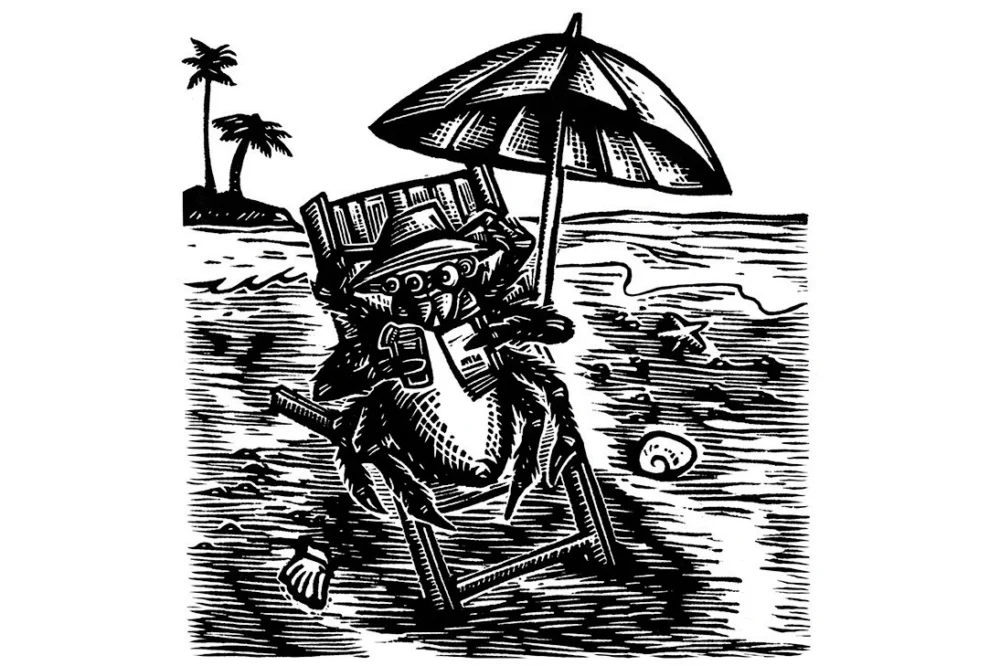
The coastal ecosystems of British Columbia are witnessing a remarkable display of adaptive intelligence, challenging long-held scientific understandings of animal cognition. In 2023, the Heiltsuk Nation, whose traditional territories encompass vast stretches of this pristine coastline, observed an unprecedented behavior among its gray wolf population. Tribal environmental wardens, known as Guardians—integral to the nation’s stewardship efforts—initially suspected otters or seals were responsible for the mysterious damage to traps set to control the invasive European green crab (Carcinus maenas). These crabs, a formidable invasive species, threaten the delicate balance of Pacific Northwest ecosystems by outcompeting native species, destroying vital eelgrass beds that serve as nurseries for fish, and altering critical food webs. However, remote cameras soon unveiled a truly astonishing perpetrator: gray wolves.
Footage captured a female wolf emerging from the frigid Pacific waters, a buoy attached to a trap line clutched firmly in her jaws. With deliberate precision, she pulled at the line, meticulously hauling the entire trap onto the beach. Once ashore, the wolf proceeded to chew through the netting, skillfully extract the bait cup, and then consume the herring and sea lion remnants before retreating, seemingly content. A separate recording later revealed another wolf engaged in similar, sophisticated trap-raiding activity. This behavior has ignited a vigorous debate within the scientific community: Does this cunning sequence of actions constitute intentional tool use by wild canids, or is it an extraordinary example of complex problem-solving? Wolves are renowned for their intelligence, complex social structures, and remarkable adaptability, often displaying advanced hunting strategies and cooperative behaviors. Yet, the systematic dismantling of these traps goes beyond typical foraging. True tool use, as defined in ethology, involves using an external object to modify another object or the environment to achieve a goal. While the buoy was used to haul the trap, the primary "tool" here might be considered the wolf’s understanding of the trap mechanism and its subsequent manipulation. This observed ingenuity suggests a level of cognitive flexibility and learning capacity that pushes the boundaries of current understanding, indicating that these apex predators may be even more astute than previously thought. The incident underscores the continuous evolution of animal behavior in response to environmental pressures and human interventions, offering invaluable insights into canine cognition and adaptation in anthropogenically altered landscapes. For the Heiltsuk Nation, whose deep ecological knowledge guides their conservation practices, these observations reaffirm the dynamic and often surprising intelligence of the creatures sharing their ancestral lands, even as they contend with the broader challenges posed by invasive species.

Across the continent, in California, a different kind of impactful journey recently concluded, highlighting the growing movement for diversity and inclusion in outdoor spaces. Drag activist Pattie Gonia, the persona of environmental advocate Wyn Wiley, successfully spearheaded a GoFundMe campaign that garnered over $1.16 million for eight Black, Indigenous, and People of Color (BIPOC) and queer nonprofits. These organizations are dedicated to dismantling barriers and fostering inclusivity within the environmental and outdoor recreation sectors, areas historically dominated by white, cisgender narratives and often inaccessible to marginalized communities due to systemic racism, homophobia, and economic disparities. Pattie Gonia embarked on an ambitious 100-mile hike, starting at the picturesque Point Reyes National Seashore and traversing down the iconic California coastline. This arduous trek, undertaken entirely in full drag, involved camping out each night, meticulously reapplying makeup each morning, and sharing compelling updates across social media platforms. The campaign’s narrative, humorously articulated by Gonia as "watching my drag slowly decompose in front of your eyes," resonated deeply with a global audience, transforming a personal challenge into a powerful public spectacle for social good. The journey culminated in a triumphant crossing of the Golden Gate Bridge, culminating in a grand finale in San Francisco, marking the successful conclusion of a fundraising effort that exceeded all expectations. The staggering sum of $1,167,000, averaging over $10,000 per mile, will provide crucial funding for nonprofits working on the front lines of environmental justice and outdoor equity. These resources will enable them to expand programs, provide outdoor education, and advocate for policy changes, reinforcing the vital message that environmentalism must be intersectional and inclusive. The success of this innovative fundraising model underscores the potent combination of creative activism, social media engagement, and a passionate community dedicated to making the outdoors a place where everyone belongs, irrespective of their background or identity, mirroring broader global efforts to diversify environmental advocacy.
Meanwhile, in Colorado, a beloved figure in the fight against arachnophobia is stepping down from her long-standing public role. Rosie, a Chilean rose hair tarantula, is retiring after an extraordinary 28-year career as an ambassador animal at the Butterfly Pavilion in Westminster, a suburb of Denver. Since 1995, Rosie has dedicated her hairy, eight-legged existence to demystifying spiders and helping nearly three million visitors confront their fears by gently clambering onto their hands during "meet and greet" sessions. Her colleague, Goldie the Chaco golden knee tarantula, will also be joining her in retirement. Rosie’s tenure has been remarkable, transforming countless individuals’ perceptions of spiders from creatures of terror to vital components of our ecosystems. Chilean rose hair tarantulas (Grammostola rosea) are known for their generally docile temperament, making them popular educational animals, and can live for decades in captivity. However, the continuous demands of public interaction, balancing on often trembling and sweaty human hands amidst expressions of apprehension, can understandably take a toll on even the most placid arachnid. Recognizing the evolving scientific understanding of ambassador animal welfare, the Butterfly Pavilion has made the proactive decision to prioritize the long-term health and well-being of its invertebrate residents. Sarah Stevens, director of animal collections, explained that "the science around ambassador animal care has evolved, and Butterfly Pavilion is evolving with it." This commitment reflects a growing global awareness within zoological institutions to reassess and refine practices for animals used in public outreach, ensuring their physical and psychological needs are paramount. While Rosie will no longer be available for direct handling, she will transition to a dedicated exhibit, allowing her to continue educating the public from a comfortable distance. This new arrangement ensures her continued visibility, allowing visitors to appreciate her unique contribution to conservation education without the associated stress of constant interaction. Her legacy is profound, having fostered a deeper understanding and appreciation for spiders as crucial pest controllers and indicators of biodiversity, ultimately encouraging a more empathetic view of the natural world.
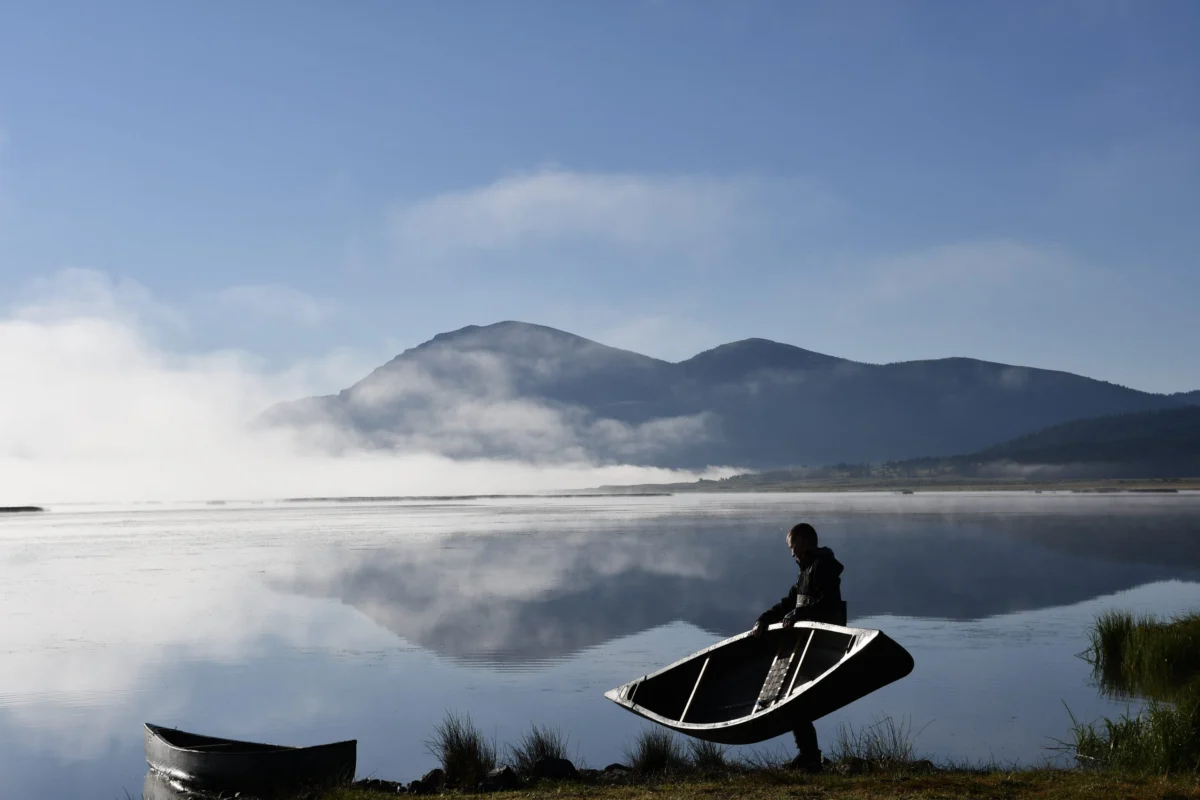
Further west, in Oregon, a profound cultural narrative surrounding a legendary figure is gaining renewed prominence, offering a perspective far removed from popular cryptid lore. Long before Bigfoot entered mainstream American popular culture, Indigenous peoples across the Pacific Northwest regarded this enigmatic being, known by names such as Sasquatch, Istiyehe, or Stiyahamas, as a revered relative and protector. Within numerous Indigenous cultures, Bigfoot is not merely a creature of myth but a spiritual entity and a profound teacher, embodying ancient wisdom and instructing humanity on the sacred responsibility of caring for the land. This deeply rooted understanding is now being shared with a broader audience through contemporary art and media. The short film Guardian of the Land, produced by Oregon Public Broadcasting (OPB), beautifully weaves together oral histories and traditional stories about Bigfoot, offering insights from four prominent Indigenous artists and thought leaders. The documentary emerged from "Sensing Sasquatch," a groundbreaking exhibit at the Oregon High Desert Museum in Bend, Oregon. This exhibition provides a platform for various Indigenous artists from the Pacific Northwest to explore the cultural function and multifaceted meaning of this mythical spirit and protector. LaRonn Katchia, the film’s director, powerfully articulates the core message: "Bigfoot is a relative that reminds us of our responsibility to take care of the land." This perspective transcends the Western scientific quest for empirical proof, instead focusing on the ethical and spiritual dimensions of humanity’s relationship with the environment. In a world grappling with escalating climate change and ecological degradation, these Indigenous narratives offer a timely and potent reminder of interconnectedness and stewardship. They challenge dominant paradigms by centering reciprocity and respect for all living things. Guardian of the Land is readily available for streaming on YouTube and the PBS app, offering a compelling opportunity for audiences worldwide to engage with these invaluable Indigenous perspectives on nature, spirituality, and the enduring wisdom of the land. This cultural resurgence highlights the critical importance of amplifying Indigenous voices in environmental discourse, enriching our collective understanding of conservation and humanity’s place within the intricate web of life.