Roger Danuarta
The administration of former President Donald Trump is actively exploring the unprecedented prospect of opening over 113 million acres of waters off the coast of Alaska to deep-sea mining, a move that signals a significant expansion of the nascent industry into ecologically sensitive and culturally vital regions. This ambitious proposal extends the administration’s pattern of targeting new offshore territories for mineral extraction, following similar initiatives in the Pacific around American Samoa, Guam, and the Northern Mariana Islands. These areas, like Alaska, are home to diverse Indigenous communities with profound ancestral and contemporary ties to the ocean, prompting immediate and widespread concerns over potential environmental devastation and violations of Indigenous rights.
Deep-sea mining, a nascent and largely unproven industry, involves deploying specialized machinery to scrape valuable minerals from the ocean floor. These polymetallic nodules, crusts, and massive sulfides, formed over millions of years, contain critical elements such as cobalt, nickel, manganese, and rare earth elements, which are essential components in modern technologies, including electric vehicle batteries, consumer electronics, and advanced military hardware. Proponents argue that accessing these deep-sea reserves could bolster national security, reduce reliance on foreign mineral sources, and fuel the global transition to green energy. However, the industry’s commercial development has been significantly hampered by the lack of robust international regulations governing permits in international waters and by mounting apprehension regarding the profound and potentially irreversible environmental consequences of such extraction. Scientists globally have issued stark warnings, indicating that deep-sea mining could inflict catastrophic damage on delicate, slow-growing marine ecosystems, disrupt vital fisheries, and lead to biodiversity loss that could take millennia to recover, if at all. Beyond ecological concerns, Indigenous peoples have consistently voiced strong opposition, citing historical injustices and asserting their inherent rights to free, prior, and informed consent regarding projects within their ancestral territories.
Despite global scientific and Indigenous opposition, the Trump administration has been a vocal and consistent advocate for the deep-sea mining industry, framing it as a crucial component of a broader strategy to establish the United States as a global leader in critical mineral production. This push has also seen the administration encourage U.S. companies to pursue mining operations in international waters, effectively sidestepping and undermining ongoing global negotiations aimed at establishing a comprehensive and equitable regulatory framework through the International Seabed Authority (ISA). The ISA, an autonomous international organization established under the 1982 United Nations Convention on the Law of the Sea (UNCLOS), is tasked with organizing and controlling mineral-related activities in the international seabed area, known as "the Area," and ensuring the effective protection of the marine environment from harmful effects. The administration’s unilateral approach has drawn criticism for potentially creating a regulatory vacuum and setting a dangerous precedent for environmental governance in the global commons.
Kate Finn, a citizen of the Osage Nation and the executive director of the Tallgrass Institute Center for Indigenous Economic Stewardship in Colorado, articulated a grave concern that the nascent seabed mining industry risks repeating the deeply troubling mistakes and injustices of terrestrial mining. "The terrestrial mining industry has not gotten it right with regards to Indigenous peoples," Finn stated, underscoring a long history of environmental degradation, cultural disrespect, and socio-economic displacement. She emphasized the foundational principle of Indigenous peoples’ right to give and to withdraw consent, asserting, "Mining companies themselves need to design their operations around that right." This principle, enshrined in international instruments like the United Nations Declaration on the Rights of Indigenous Peoples (UNDRIP), mandates that Indigenous communities must be genuinely consulted and give their consent before any development project proceeds on their lands or territories.
Currently, specific commercial interest in mining off Alaska remains unclear. Spokespersons for The Metals Company, one of the leading publicly traded firms in the deep-sea mining sector, have indicated no immediate plans to expand operations to Alaskan waters. Similarly, Oliver Gunasekara, chief executive officer of the startup Impossible Metals – a company that has controversially requested Trump administration approval for mining near American Samoa despite strong local opposition – stated that his firm also has no current plans for Alaska. However, Gunasekara left the door open, noting, "We do not have current plans in Alaska, as we do not know what resources are in the ocean. If there are good nodule resources, we would be very interested." This conditional interest highlights the exploratory nature of the current push, driven by the potential for untapped mineral wealth rather than immediate commercial demand.
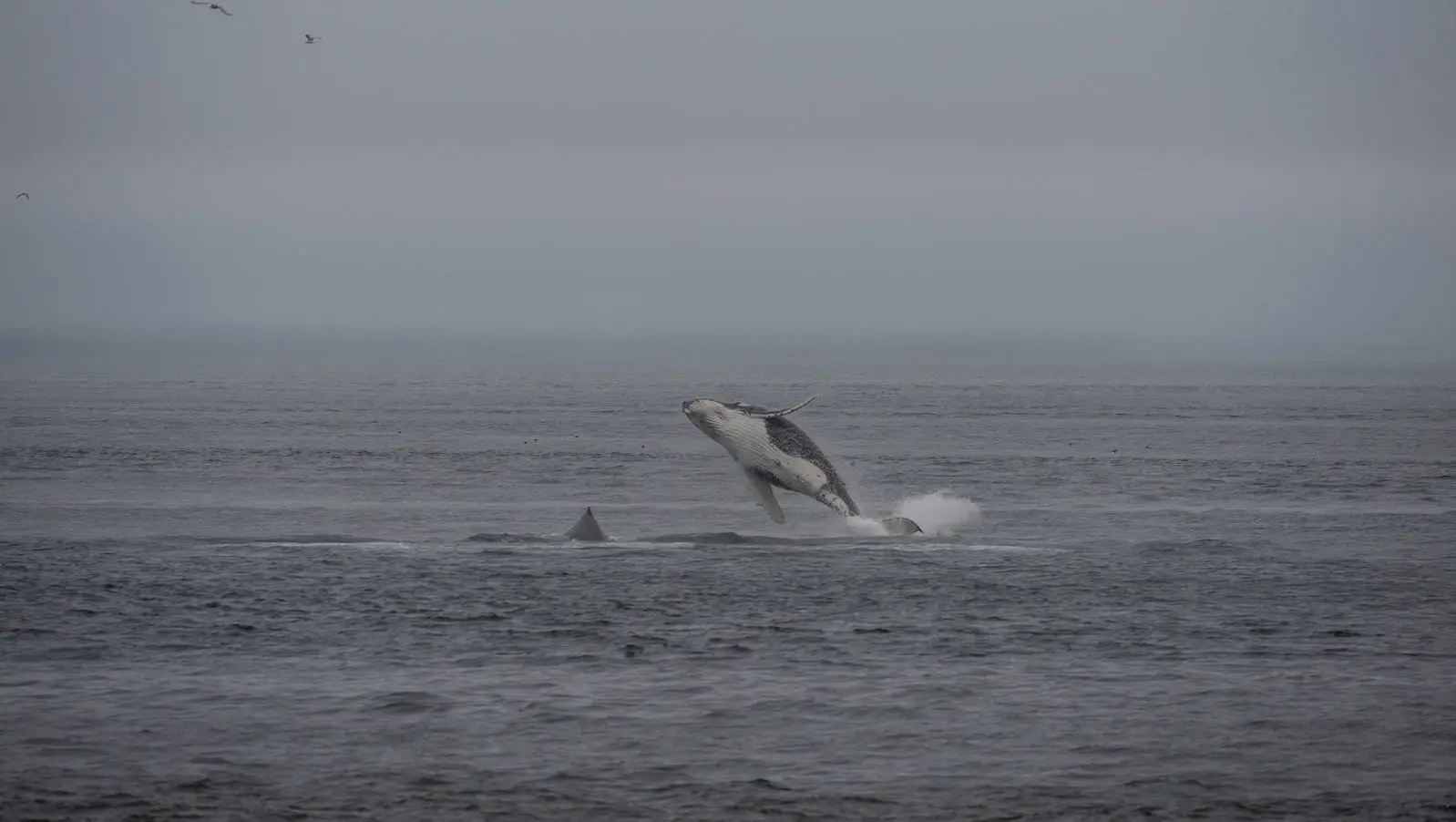
The sheer scale of the proposed lease area under consideration for Alaska is staggering, encompassing a region larger than the entire state of California. Cooper Freeman, director of Alaska operations for the nonprofit Center for Biological Diversity, expressed alarm over the immense scope, pointing out that it includes ecologically vital waters already designated as off-limits to destructive fishing practices like bottom trawling. "A lot of these areas, particularly in the Aleutians, have been put off limits for bottom trawling because there are nurseries for commercially important fish and ecologically important species and habitat," Freeman explained. The Aleutian Islands and the Bering Sea are globally renowned for their rich biodiversity and serve as critical breeding and feeding grounds for numerous marine mammals, seabirds, and commercially significant fish stocks, including pollock, cod, and halibut.
The Bureau of Ocean Energy Management (BOEM), the federal agency tasked with regulating offshore mineral development, confirmed in its official announcement that the proposed area encompasses extreme depths, exceeding 4 miles near the Aleutian Trench and extending across the abyssal plains of the Bering Sea and Gulf of Alaska, reaching depths as low as 3.5 miles. BOEM specifically indicated its interest in areas identified by the U.S. Geological Survey (USGS) as prospective for critical minerals, alongside heavy mineral sands along the Seward Peninsula and Bering Sea coast. These regions represent some of the planet’s most pristine and least understood ecosystems, harboring unique life forms adapted to extreme pressure and perpetual darkness.
Alaska is a land of profound cultural diversity, home to more than 200 distinct Alaska Native nations, each with deep connections to the land and sea. Jasmine Monroe, an Inupiaq, Yupik, and Cherokee woman who grew up in the village of Elim in Alaska’s Bering Strait region, articulated profound concerns about the proposal’s potential ramifications for her community’s traditional subsistence lifestyle. After learning of BOEM’s limited 30-day public comment period on potential leases, Monroe expressed apprehension about the fate of the seafood her community relies upon. "We eat beluga meat, we eat walrus, we eat seal, we eat whale," she explained, emphasizing the central role of marine resources in their diet and cultural practices. "Whatever happens in the ocean, it really does affect our way of life." Monroe voiced a pervasive feeling of disempowerment, stating, "It just feels like we don’t have any say on whether it happens or not. It just feels like the system is set up for failure for us." This sentiment reflects a broader historical pattern where Indigenous voices and concerns are often marginalized in large-scale resource development projects.
The Alaska Federation of Natives, a prominent organization representing Alaska’s Indigenous peoples, did not respond to requests for comment on the unfolding situation. Monroe, who also works on critical water quality issues at the nonprofit Alaska Community Action on Toxics, reiterated her frustration with what she characterized as a top-down decision-making process and insufficient timelines allocated for meaningful public input. Such short comment periods are often criticized for failing to allow adequate time for communities, particularly those in remote areas, to understand complex proposals, consult with elders and experts, and formulate comprehensive responses.
Kate Finn of the Tallgrass Institute further underscored the critical importance of international law in safeguarding Indigenous rights. She warned that U.S. federal regulations alone may not meet the higher standards set by international legal instruments regarding Indigenous consent, especially in an era marked by deregulation. "Companies will miss that if they’re only relying on the U.S. federal government for consultation," Finn cautioned, highlighting the potential for legal challenges and reputational damage if international norms are not respected. She also acknowledged that while many Indigenous nations resist extractive industries, some have, under specific conditions and after extensive negotiation, chosen to collaborate with mining companies, demonstrating a nuanced approach to resource management that prioritizes self-determination and community benefit.
Monroe recognized the potential role of seabed mining in supplying minerals for technologies like electric vehicle batteries, a common argument made by proponents. However, she juxtaposed this perceived global benefit with the immediate realities of her community, noting the absence of electric vehicles in her village and the profound environmental and cultural costs. For Monroe, the promise of deep-sea minerals feels like "another false solution," one that externalizes environmental burdens onto vulnerable communities and ecosystems while failing to address fundamental issues of consumption, equity, and sustainable development. The debate over deep-sea mining in Alaska thus becomes a microcosm of a larger global struggle, pitting the urgent demand for critical minerals against the imperative to protect irreplaceable natural heritage and uphold the inherent rights of Indigenous peoples.