

 Joko Susilo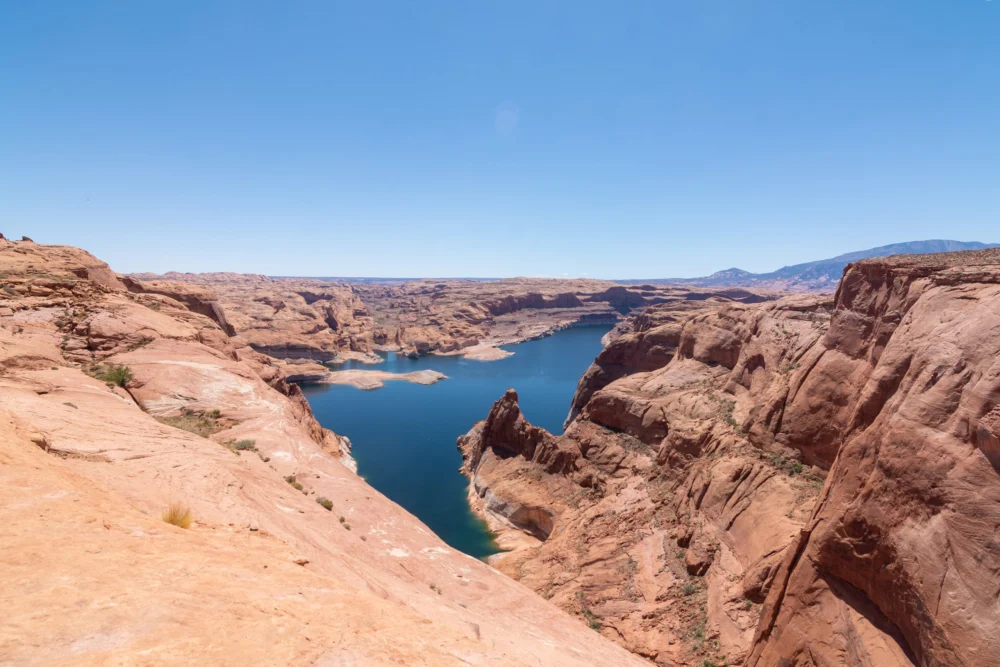
A comprehensive new analysis reveals that the 31 national monuments designated since the Clinton administration are indispensable for safeguarding clean drinking water for millions of Americans, a critical role now imperiled by persistent efforts to open more public lands to extractive industries. This report, from the Center for American Progress, underscores the profound and often underestimated hydrological significance of these protected areas, particularly in the face of escalating climate change impacts and burgeoning industrial pressures.
Leveraging advanced geospatial data, the study meticulously quantified the extensive network of rivers and watersheds nestled within these national monument boundaries, alongside the vast population reliant on these vital water sources. The findings are stark: over 13 million Americans draw their water directly from watersheds located within or downstream of these designated monuments. Crucially, the analysis determined that approximately 83 percent of the water flowing through these public lands enjoys no other formal protection beyond their monument status, highlighting the irreplaceable nature of these designations. Furthermore, national monuments collectively protect more than 21,000 miles of waterways across the U.S., a figure nearly twice the total mileage safeguarded by the National Wild and Scenic Rivers System, demonstrating their unparalleled contribution to national water security.
This groundbreaking report emerges amidst a contentious political landscape marked by successive administrations’ divergent approaches to public lands management. During the previous administration, there were significant moves to either downsize or revoke the designations of several national monuments. In March, initial reports indicated an intent to eliminate California’s Chuckwalla and Sáttítla Highlands national monuments, though this language was subsequently removed from official White House communications. The following month, investigative reports by The Washington Post further detailed considerations to reduce or eliminate six national monuments, sparking widespread alarm among conservationists. A pivotal moment arrived in June when the U.S. Department of Justice issued an opinion asserting the president’s authority to rescind national monument designations, a dramatic reversal of decades of established legal precedent regarding the Antiquities Act of 1906.
The Antiquities Act, signed into law by President Theodore Roosevelt, empowers the President to unilaterally declare federal lands as national monuments to protect "historic landmarks, historic and prehistoric structures, and other objects of historic or scientific interest." While traditionally interpreted to grant presidents the power to establish monuments, the question of whether a president could revoke or significantly shrink existing ones remained largely untested until recent years. This legal reinterpretation fueled the previous administration’s controversial actions, which saw the Grand Staircase-Escalante and Bears Ears national monuments — established by Presidents Clinton and Obama, respectively — drastically reduced in size. These decisions were met with fierce opposition from environmental groups, tribal nations, and local communities, leading to immediate legal challenges. Following a change in administration, President Joe Biden subsequently restored both monuments to their original boundaries, underscoring the deep political divisions surrounding public lands and conservation policy.
The potential consequences of downsizing or eliminating national monuments are far-reaching and profound. Stripping these areas of their protected status would expose them to increased incursions from extractive industries, including expanded oil and gas drilling, mining operations, and large-scale grazing. Such activities carry an inherent risk of environmental degradation. Contaminants from these industries, ranging from heavy metals and toxic chemicals to sediment and agricultural runoff, can easily leach into streams and rivers, compromising water quality for downstream communities. Moreover, these industries often demand vast quantities of water, a resource already scarce in many arid regions where these monuments are located, further depleting vital supplies for human consumption and ecological health. While some limited mining and grazing are permitted within existing monument boundaries, these activities are typically subject to stringent regulations and operate on a far smaller scale than what might occur if protections were removed entirely.
Drew McConville, a senior fellow for conservation policy at the Center for American Progress and a co-author of the report, emphasized the inextricable link between terrestrial landscapes and aquatic ecosystems. "Landscapes and waterways go hand in hand," McConville stated. "The clean water depends on what comes into them from natural lands… Just protecting the wet stuff itself doesn’t guarantee that you’re keeping [water] clean and durable." This holistic perspective highlights that the health of a river or stream is intrinsically tied to the integrity of its surrounding watershed.
The report also brought to light significant environmental justice implications, revealing that historically marginalized communities are disproportionately represented within the watersheds of the studied national monuments compared to the national average. These communities often bear the brunt of environmental pollution and resource depletion, making the preservation of clean water sources within these monuments even more critical. Adding another layer of urgency, 23 of the monuments examined are situated in regions projected to experience severe water shortages in the coming decades due to climate change. This exacerbates the vulnerability of downstream arid regions, making the protective role of these monuments indispensable for future water resilience.
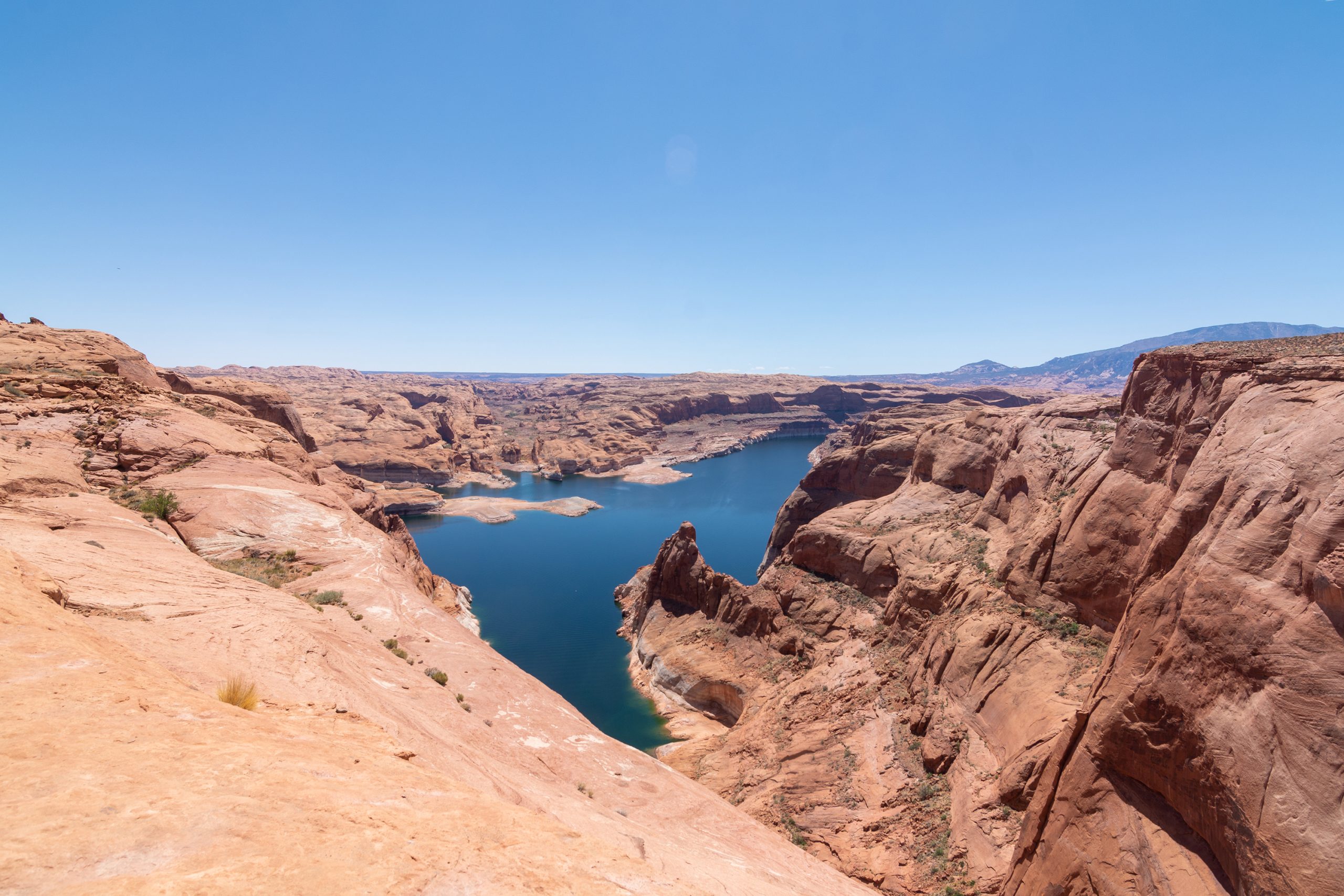
Grand Staircase-Escalante National Monument in southern Utah serves as a potent illustration of these interwoven challenges. The analysis determined that this sprawling monument protects an astonishing 2,517 miles of waterways, and nearly 90 percent of its internal watersheds are anticipated to face significant declines in water levels. Despite its often-perceived aridity, the monument is a vital hydrological nexus, straddling the Upper and Lower Colorado River Basins. Key tributaries like the Paria and Escalante rivers flow within its boundaries, feeding into Lake Powell, the nation’s second-largest reservoir, located just to its south. The monument’s elevated Paunsaugunt Plateau, much of which lies within Bryce Canyon National Park, accumulates significant snowpack that, upon melting, slowly releases water downstream, providing crucial flow to the broader Colorado River System, which sustains millions across the American Southwest.
Jackie Grant, executive director of Grand Staircase Escalante Partners, a nonprofit dedicated to the monument’s protection, emphasized its often-overlooked water resources. "People don’t think of water when they think of Grand Staircase-Escalante National Monument," Grant noted. "So when we can bring this view of water and how important it is to the protection of the monument, it helps us put another building block in our case for supporting the monument, because not only is it important for the animals, the native plants, the geology and the paleontology, water plays a huge role in the monument, and the monument protects the water itself."

Beyond its stunning landscapes and archaeological treasures, the 1.87 million-acre Grand Staircase-Escalante harbors significant mineral wealth, including a nine-billion-ton coal deposit and reserves of uranium and nickel. These valuable resources represent a powerful economic incentive for extraction, an agenda that gained considerable traction under the previous administration’s pro-mining policies. Grant warned of the severe risks posed by such activities: "It’d be very easy to contaminate either one of those rivers if mining were to take place in the center section of the monument." The potential for acid mine drainage and other forms of pollution from these operations could irrevocably damage the delicate desert ecosystems and imperil the water supply for countless communities.
Margaret Walls, a senior fellow at Resources for the Future who has studied national monuments, though not involved in this particular report, highlighted a common oversight. She pointed out that while national monuments are often designated for their cultural or historical significance, their vital role in safeguarding water resources is frequently underestimated. Walls also noted that even if monument protections are loosened, the areas remain federal lands, and a change in status does not automatically guarantee their immediate development. However, she underscored the fundamental principle: "We don’t protect waterways the way we do land; we’re going to get those water benefits by protecting the land." This statement encapsulates the essence of the report’s findings: comprehensive land protection is the most effective strategy for ensuring the long-term purity and availability of water resources.
The findings resonate beyond U.S. borders, reflecting a global challenge where protected areas frequently face pressure from resource extraction and economic development. Across continents, from the Amazon rainforests to the Himalayas, the integrity of protected landscapes is increasingly recognized as fundamental to source water protection, biodiversity conservation, and climate resilience. The debate over national monuments in the U.S. serves as a microcosm of this universal struggle to balance human needs with environmental stewardship. As global water scarcity intensifies and the impacts of climate change become more pronounced, the role of these designated areas in securing essential resources for present and future generations will only grow in importance, demanding a robust and consistent commitment to their protection.







