Rocky Georgio
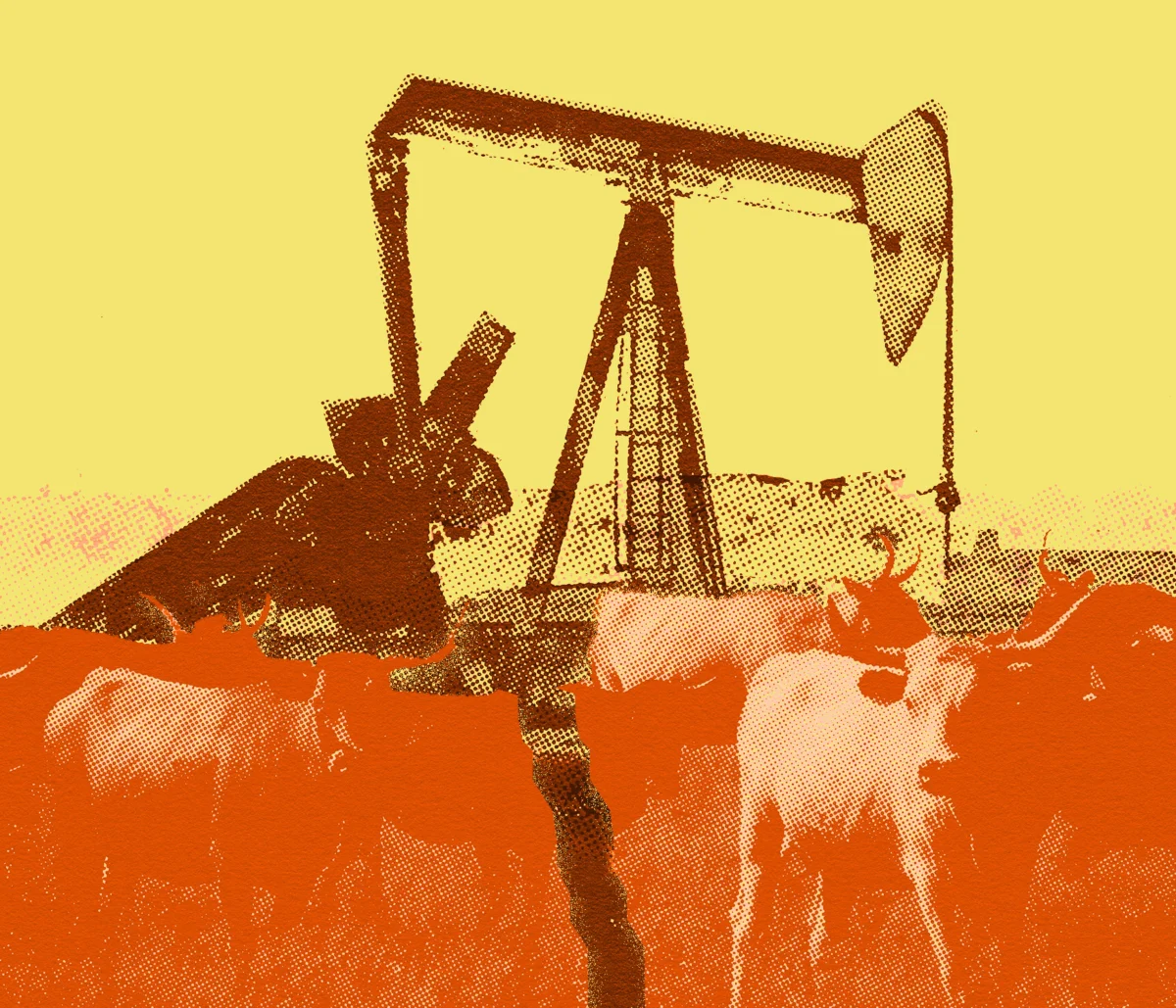
New Era Energy & Digital, a Texas-based company, has announced ambitious plans to construct a massive, "hyperscale" Artificial Intelligence (AI) processing data center complex in Lea County, New Mexico, a region already at the heart of the Permian Basin’s oil and gas drilling boom. This proposed campus is envisioned to be so vast and power-hungry that it would necessitate its own integrated power generation facilities, including both nuclear and natural gas plants, with a combined capacity of approximately 7 gigawatts. To contextualize this immense scale, it would be equivalent to stacking the West’s largest nuclear facility, Palo Verde, and its largest natural gas plant, Gila River, both located near Phoenix, Arizona, atop one another, and then adding an additional 800 megawatts of capacity. Such a power output could theoretically electrify around 5.3 million homes, though its dedicated purpose would be to fuel the ever-increasing computational demands of AI-related activities, alongside common digital services like movie streaming, social media, and general internet browsing.
Despite the staggering magnitude of this undertaking, the announcement has garnered surprisingly little widespread media attention. This relative quiet is not due to any deliberate effort to conceal the project, but rather reflects a growing trend: such proposals have become so frequent that each individual announcement often fails to capture significant public or media interest. While New Era’s hyperscale facility, and others like it, are still a considerable distance from realizing their full operational potential, even a fraction of these proposed developments are poised to dramatically reshape the Western United States’ energy infrastructure, its landscapes, and its economies. This potential transformation echoes the profound impact of the post-World War II industrial expansion, which saw the proliferation of massive coal-fired power plants and hydroelectric dams across the region to support burgeoning urban centers, connected by extensive high-voltage transmission networks.
Indeed, the early stages of this transformation are already evident. A recent report from the nonprofit NEXT 10 and the University of California, Riverside, revealed that in 2023, data centers across California consumed an estimated 10.82 terawatt-hours of electricity, a quantity sufficient to power approximately one million average U.S. households. This substantial energy draw resulted in an estimated 2.4 million tons of carbon emissions, even within California’s comparatively clean energy framework; on grids more heavily reliant on fossil fuels, these emissions would likely be double or more. Furthermore, these same data centers directly and indirectly consumed an estimated 13.2 billion gallons of water for cooling and electricity generation purposes. In the Silicon Valley region, over 50 data centers accounted for roughly 60% of one particular electricity provider’s total energy demand. This surge in demand has compelled the utility to increase customer rates to fund necessary upgrades to its transmission infrastructure, substations, and the installation of new battery energy storage systems to accommodate these facilities.

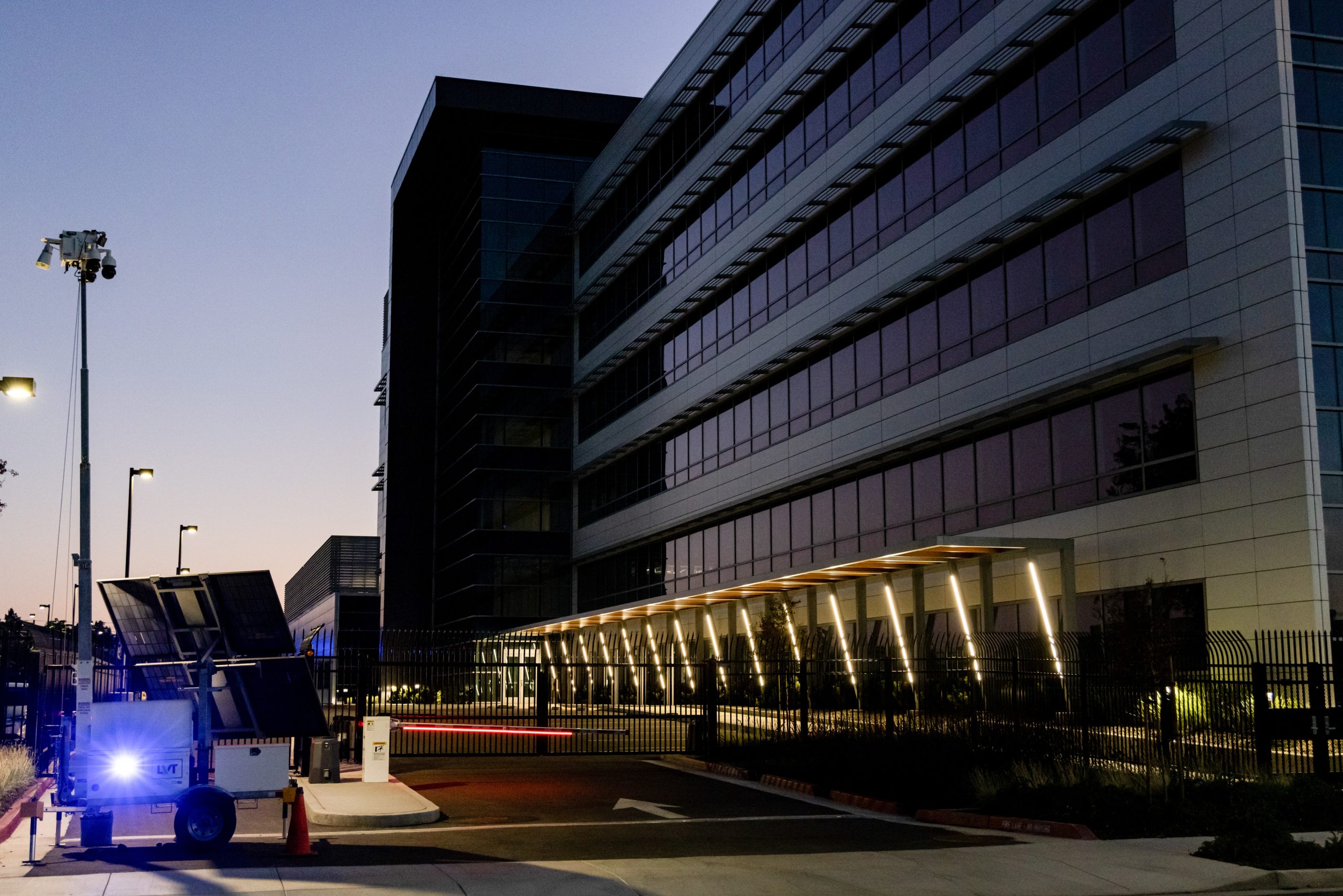
These energy-intensive computing hubs are also expanding their footprint beyond the traditional Silicon Valley epicenter, establishing themselves in cities and towns across the West. In the Phoenix metropolitan area alone, over 100 data centers, typically large structures resembling big-box retail stores filled with rows of servers, have already been built within business parks. Projections from utility companies suggest that the planned new facilities could potentially triple Arizona’s total power load compared to current levels. In response to this anticipated surge, Arizona Public Service recently announced its intention to continue operating the Four Corners Power Plant, a coal-fired facility, beyond its previously scheduled retirement date of 2031, in order to help meet this escalating demand.
The Western power grid, while interconnected, is managed by 38 distinct balancing authorities, or grid operators. Projections indicate that nearly all of these authorities will experience an increase in data center-driven power demand over the next decade as the digital infrastructure expansion accelerates. Many of these operators are currently ill-equipped to meet such a significant rise in demand. The North American Electric Reliability Corporation has issued warnings that the growing power requirements of data centers are increasing the risk of winter power outages in several Western regions. Consequently, a substantial number of the largest data centers are likely to need to develop their own dedicated power generation capabilities. Simultaneously, utilities face the urgent challenge of rapidly increasing their generating capacity and associated infrastructure to serve existing on-grid facilities. The financial burden of these necessary infrastructure expansions will ultimately be passed on to the utility customers through increased rates.

The question of how this colossal demand for power will be met is becoming increasingly critical. It is becoming clear that relying solely on solar and wind power will be insufficient to satisfy the projected energy needs. In response, utilities are actively considering plans to extend the operational lives of existing coal-fired power plants beyond their scheduled retirement dates. They are also planning the construction of new natural gas facilities and, significantly, new nuclear reactors. Companies such as Google, Switch, Amazon, OpenAI, and Meta are reportedly exploring the possibility of powering their proposed facilities with the next generation of small, modular, and advanced nuclear reactors, contingent upon their eventual development and deployment.
The environmental implications of this data center expansion are multifaceted, with varying degrees of impact depending on the energy sources and operational methods employed. The burning of fossil fuels contributes directly to climate change and air pollution, while the extraction processes for oil, gas, and coal can cause significant landscape damage. Large-scale solar and wind installations, while offering cleaner energy, can impact wildlife habitats and often necessitate the construction of hundreds of miles of new transmission lines to distribute power. Nuclear power presents its own set of challenges, including safety concerns and the persistent issue of radioactive waste disposal, alongside the environmental risks associated with uranium mining and milling. Even data centers powered entirely by solar energy and battery storage represent an additional demand on resources that might otherwise be used to displace fossil fuels from the grid. Furthermore, unless equipped with advanced closed-loop air-cooling systems, many data centers will continue to consume substantial quantities of water for cooling, often drawing from municipal potable water supplies.

Prometheus Hyperscale, a Wyoming-based company, has put forth ambitious proposals for "sustainable" data centers in the Northern Rockies, emphasizing dedicated clean energy generation, water recycling, and efficient cooling systems that leverage the region’s cold climate. The company has even suggested utilizing the waste heat generated by the servers to warm greenhouses and support aquaculture operations. While the prospect of supplementing power with small nuclear micro-reactors has also been mentioned, initial plans for the facility indicate a reliance on natural gas for power. Prometheus intends to offset its carbon emissions by investing in carbon capture and sequestration projects at biofuel plants in Nebraska, undertaken by a separate entity.
Resistance to the burgeoning wave of data center development, and its significant energy and water demands, is emerging in various communities. However, the localized nature of these projects, often reviewed and approved at the local level, can make organized opposition feel like a continuous battle against dispersed targets. In one instance, after residents of the Tucson, Arizona, area successfully opposed the city’s plan to annex a proposed data center that would have utilized treated wastewater for cooling, the developers relocated the project to the county. There, they shifted to an air-cooling system, which reduces water consumption but increases energy demand. When opposition persisted, the company committed to investing in renewable energy sufficient to offset its entire electricity usage on the Tucson Electric Power grid.

Compounding the challenges for resistance movements is the fact that many local governments and utilities actively welcome data center development. These facilities can offer substantial economic benefits, including job creation and tax revenue, provided they are not granted significant tax exemptions by state or local authorities. Utilities, eager to expand their customer base and generate revenue, often see data centers as a significant growth opportunity, which can also justify infrastructure upgrades and subsequent rate increases. NV Energy executive Jeff Brigger expressed enthusiasm for serving the significant energy load associated with the numerous data centers planned for Nevada.
While much of the opposition to data centers centers on their environmental footprint and potential impact on utility rates and local communities, the very concept of Artificial Intelligence itself has also become a point of contention. Some observers question the justification for continued reliance on fossil fuels or the strain on resources when power is consumed for applications like generating essays, answering trivial questions, or creating digital art, contrasting this with the use of energy for essential needs such as food production or the pursuit of critical scientific advancements like diagnosing medical conditions or solving complex global problems.

As AI technology continues its rapid evolution and integration into society, a pressing need exists for these powerful computational systems to become more energy and water efficient, thereby reducing their environmental impact before they fundamentally alter the world.