Roger Danuarta
At just 27 years old, Jake Carter defies the typical narrative of homeownership in one of Colorado’s most exclusive ski towns, Breckenridge, where the average listing price hovers around a staggering $1.85 million. His two-bedroom condo, nestled amidst towering pines and mere steps from the town’s world-renowned slopes, represents more than just a personal achievement; it symbolizes a community’s determined stand against an encroaching housing crisis that threatens the very fabric of mountain life across the American West. Carter, an emergency medical technician at a local urgent care, is not a millionaire; his ability to purchase a home in this coveted locale is a direct result of innovative, locally driven housing policies designed to keep essential workers rooted in their communities.
Carter’s condo, acquired last year, carried a price tag more than 20% below comparable market rates, thanks to a crucial "deed restriction." This legal stipulation mandates that the property can only be occupied by an individual working at least 30 hours per week within the town, effectively barring remote workers, seasonal residents, or transient tourists from converting it into a secondary residence or short-term rental. To further sweeten the deal and secure his place, Carter also leveraged Breckenridge’s "Housing Helps" program. In exchange for agreeing to an additional deed restriction—capping his home’s annual appreciation at 3%—the town provided him with a substantial 10% of the purchase price, directly applied to his down payment. "I definitely have this program to thank for my permanence here," Carter reflects, acknowledging the unsustainability of confronting "rising rent, year over year, for the future" without such intervention.
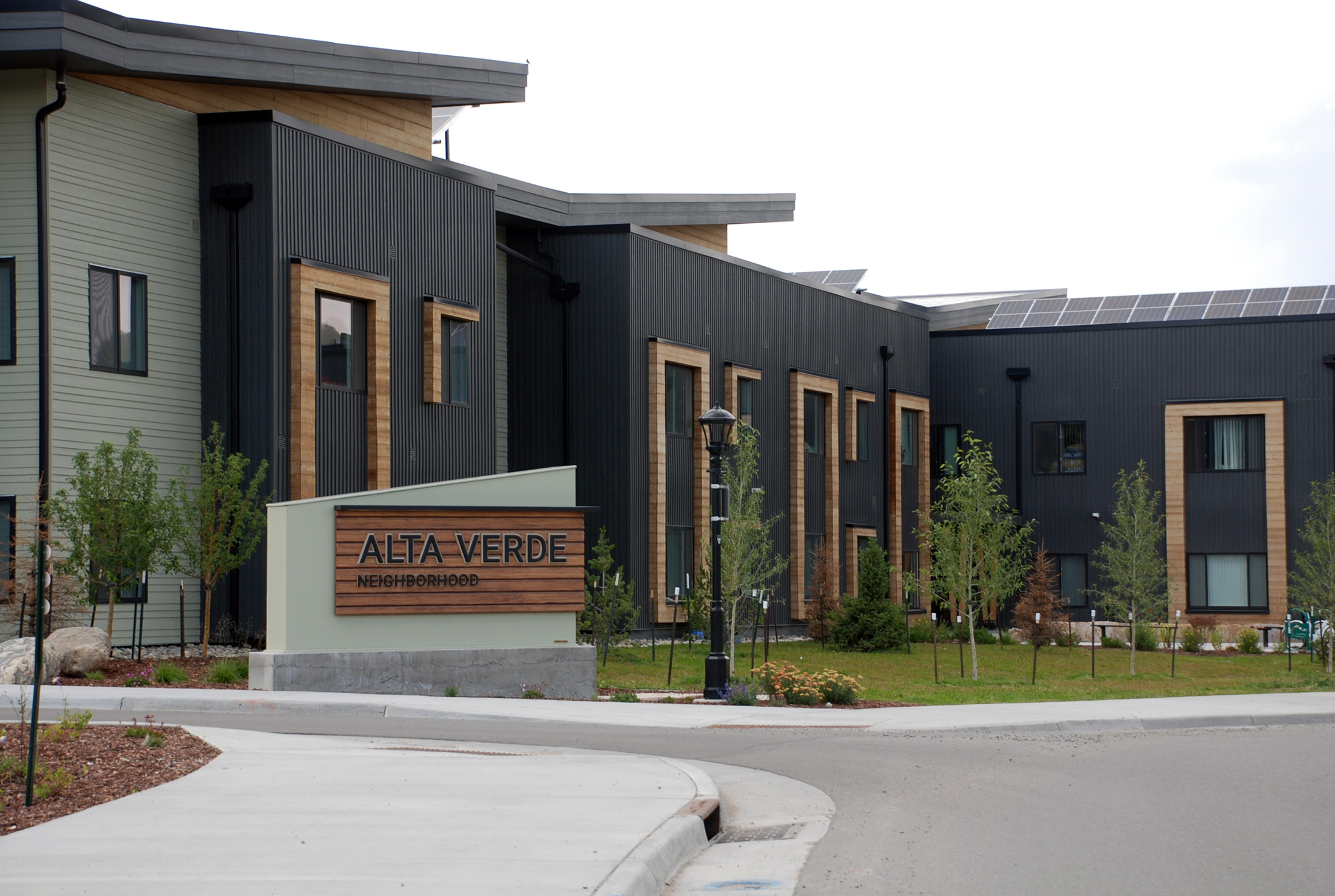
The dramatic escalation in home prices, with Breckenridge experiencing an 80% surge over the past decade and rural vacation areas across the West seeing a 50% jump between 2020 and 2023 alone, according to a Harvard University study, underscores a pervasive challenge. From the majestic Teton peaks surrounding Jackson, Wyoming, to the serene landscapes near Whitefish, Montana, essential workers find themselves increasingly priced out of the housing market. This exodus threatens not only the local economy, by crippling the workforce necessary to sustain tourist-driven industries, but also erodes the unique cultural identity and community cohesion of these picturesque towns. The problem is amplified by the sheer dominance of non-resident ownership; in Breckenridge, a staggering 68% of housing units serve as second homes or vacation rentals, a testament to the irresistible allure of mountain living for affluent outsiders. The social cost is palpable: a recent study commissioned by Summit County, where Breckenridge is located, revealed that 60% of all renters, and a disproportionate 86% of Latino renters, allocate more than a third of their income to housing costs, pushing many to the brink of instability.
Despite these formidable pressures, Breckenridge has emerged as a beacon of proactive governance. A remarkable three-quarters of the town’s full-time residences—distinct from vacation homes or Airbnbs—are now reserved for the local workforce, a higher percentage than any other ski town in Colorado. This commitment was significantly bolstered in 2022 with the passage of an ambitious $50 million housing plan, which has already facilitated the construction of over 400 new deed-restricted units. The town anticipates adding another 300 units within the next four years, a substantial expansion given Breckenridge’s relatively small full-time population of approximately 5,000 residents. Elizabeth Sodja, program coordinator for the Gateway & Natural Amenity Region Initiative at Utah State University, commends Colorado mountain towns like Breckenridge for being "out front" in addressing local housing needs, noting the impressive ratio of affordable housing units to their populations.
Breckenridge’s success story is rooted in a multi-faceted approach, meticulously developed over decades. Laurie Best, the town’s housing director for nearly 25 years, highlights the critical role of strategic land annexation in the early stages. When private developers sought to build on land adjacent to the town, Breckenridge offered a compelling trade-off: annexation and access to municipal services in exchange for a commitment to deed-restrict 80% of the new units for local workers. This strategy was complemented by aggressive land banking, where the town proactively purchased parcels for future development, either building housing itself or partnering with private entities.

Beyond new construction, preservation of existing housing stock became paramount. The "Housing Helps" program, which assisted Jake Carter, is one example. Another key initiative is "Buy Downs," where the town actively purchases units as they become available on the open market, applies new deed restrictions, and then resells them to local residents at a discounted rate. This dual strategy of development and preservation has yielded significant results: today, roughly 1,700 of Breckenridge’s estimated 2,300 resident-occupied homes are deed-restricted for the local workforce. Best observes that "if you live here full-time in the community, and you’re working in the community, you are probably living in some type of publicly assisted housing." This extensive network of support extends even to higher earners, recognizing that a resort town’s workforce is economically diverse, encompassing everyone from ski lift operators to doctors, all of whom require stable housing to thrive. The town’s strategy therefore emphasizes acquiring and building a range of housing types, from one-bedroom rentals to four-bedroom homes, allowing residents to progress up the housing ladder as their needs evolve.
Margaret Bowes, executive director of the nonprofit Colorado Association of Ski Towns and co-author of a 2023 report on workforce housing, emphasizes that Breckenridge’s achievements are not due to a "secret sauce" but rather a steadfast commitment to prioritizing workforce housing and backing that commitment with substantial financial resources. A significant advantage for Breckenridge is its status as one of a dozen Colorado communities grandfathered into levying a real estate transaction tax, the proceeds of which flow directly into the town’s general fund. Since 2006, Breckenridge voters have also approved two additional sales taxes, and the town has implemented a short-term rental fee. Cumulatively, these mechanisms generate over $13 million annually, all dedicated to a housing fund that underpins vital programs like "Housing Helps." Future revenue streams could potentially emerge from broader state initiatives, such as a proposed Colorado bill that would tax vacant homes to fund affordable housing initiatives, mirroring similar efforts in other high-demand regions globally.
Collaboration has also been instrumental. Best regularly consults with Aspen’s housing authority, which operates one of the nation’s original and most established workforce housing programs, sharing insights and best practices. Furthermore, the town actively engages private developers and major employers, including the ski area and the school district, to pool resources and invest in housing solutions. This multi-stakeholder approach ensures that the burden and benefits of housing provision are shared across the community.

Preserving the existing housing inventory remains a critical challenge, especially given Breckenridge’s geographical constraints. Surrounded by mountains and public lands, the availability of buildable land is inherently limited. This scarcity elevates the importance of strategies like deed restrictions and buydowns. The town also grapples with the pervasive influence of short-term rentals, numbering over 4,000 in Breckenridge alone. While a cap on future licenses has been implemented in certain neighborhoods, a pilot program designed to incentivize owners to convert short-term rentals into long-term housing ultimately fizzled out, underscoring the complexities and economic disincentives involved in shifting market dynamics.
Despite its pioneering efforts, Breckenridge has not yet reached a housing utopia. A 2023 study indicated a continued need for approximately 1,200 more units to fully house its workforce. The intense demand was starkly illustrated last year when over 1,000 individuals applied for just 52 available lottery spots in a new apartment complex. Furthermore, the very definition of "affordable" remains relative in a high-cost environment. Even with town subsidies, a three-bedroom unit in the newest development is projected to cost $780,000, while some townhomes will be in the $300,000 range. Best prefers the term "workforce housing" to "affordable housing" to better reflect the market realities.
Nevertheless, for essential workers like Jake Carter, Breckenridge’s unwavering commitment to its local workforce has made a tangible difference, transforming an otherwise insurmountable challenge into a sustainable reality. "It’s created this life that I can live sustainably in my dream town and still feel like I’m able to contribute to my community," Carter affirms, emphasizing the profound personal and communal impact of these innovative housing strategies. Breckenridge’s journey offers a powerful testament to how dedicated local leadership, creative financial mechanisms, and robust community collaboration can carve out a future where the people who power a resort economy can also afford to call it home, providing a vital blueprint for other amenity-rich regions facing similar pressures worldwide.