Roger Danuarta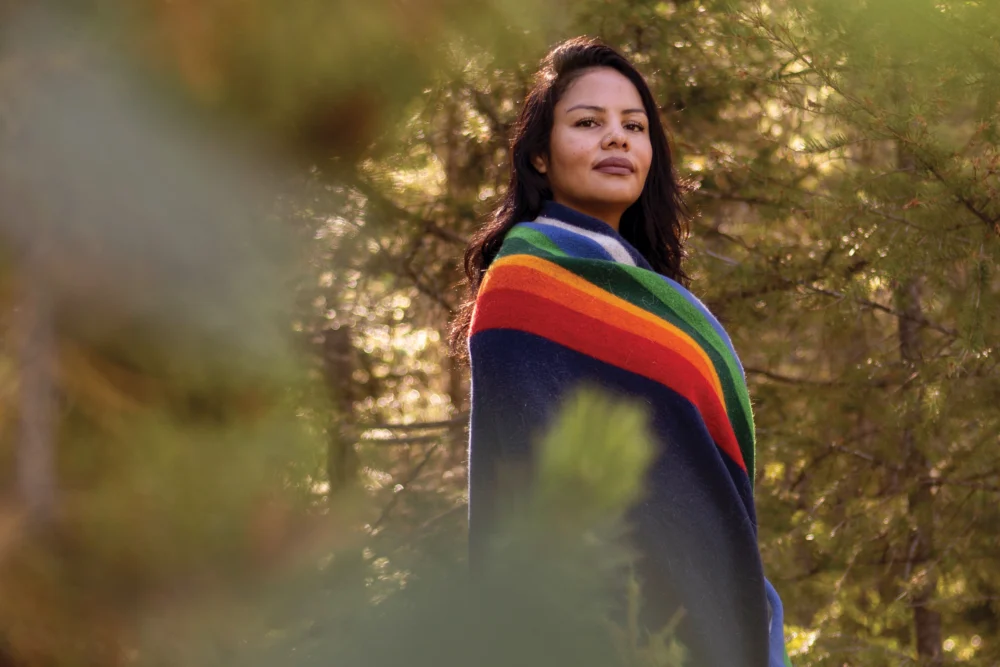
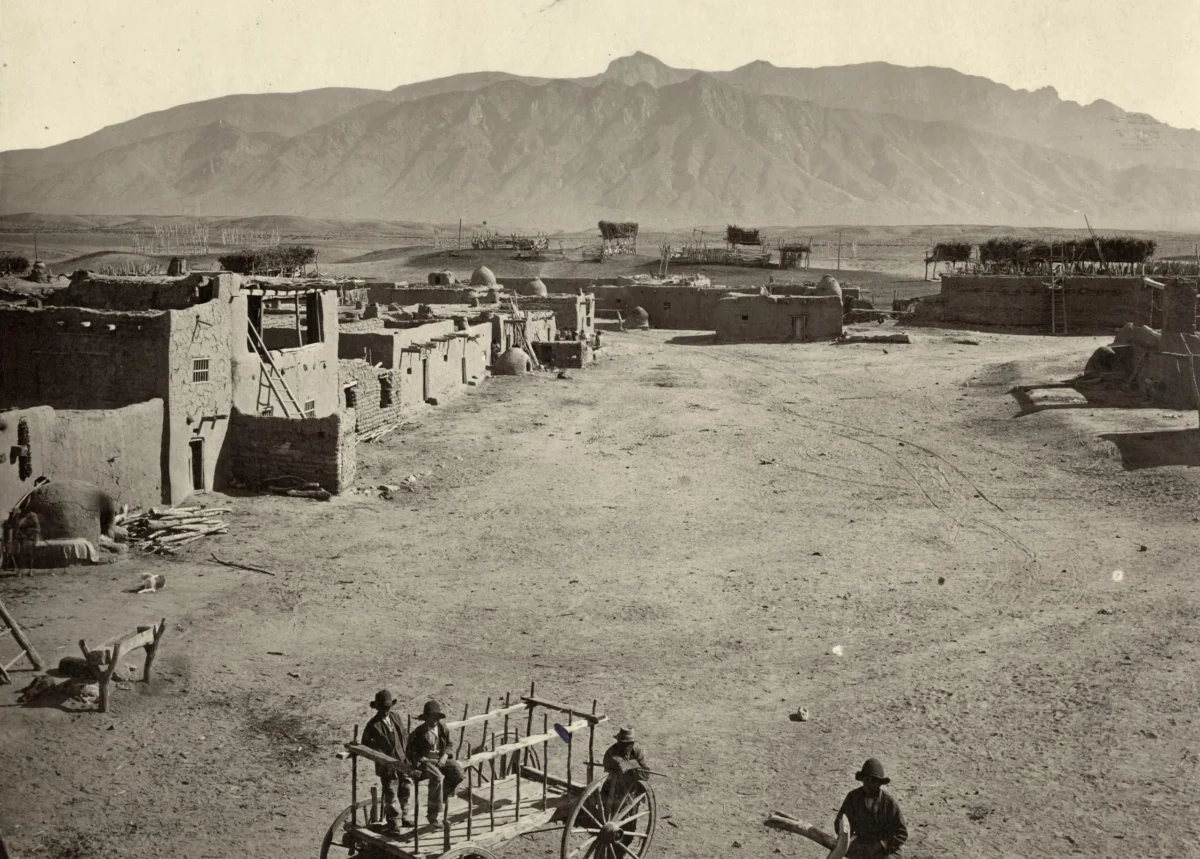
This enduring resilience, spanning generations of colonial encroachment and cultural suppression, is a testament to an alternative way of living and governing that prioritizes harmony and long-term sustainability. For over 500 years, Indigenous communities, often led by the wisdom and strength of their women, have championed a worldview where humans are an integral part of nature, not its master. This intrinsic connection has manifested in complex systems of traditional ecological knowledge (TEK) – practices and beliefs passed down through oral traditions, ceremonies, and daily life – that have proven remarkably effective in managing landscapes, conserving biodiversity, and adapting to environmental changes. From sophisticated agricultural techniques that enhance soil fertility to intricate fire management strategies that prevent catastrophic wildfires, these methods stand in stark contrast to the often-damaging approaches of industrial societies.
The distinction between Indigenous stewardship and colonial frameworks of land management lies at the heart of this argument. Where colonial systems often view land as property, a commodity to be exploited for economic gain, Indigenous cultures conceptualize land as a relative, a living entity deserving of respect, care, and reciprocity. This philosophical difference leads to vastly different outcomes. When land is managed through a colonial lens, driven by profit motives and short-term extraction, ecosystems frequently suffer degradation, biodiversity declines, and natural cycles are disrupted, leading to widespread environmental instability. This often results in deforestation, water contamination, soil erosion, and the loss of critical habitats, ultimately proving unsustainable and detrimental to human well-being.
Conversely, the Indigenous approach fosters a profound sense of responsibility and kinship. To identify oneself through one’s connection to the land is to understand that its health is inextricably linked to one’s own identity and the well-being of future generations. This perspective cultivates practices that ensure the vitality of the land, seeing forests, rivers, and mountains not merely as resources but as family members whose existence is intertwined with human existence. Such an ethos naturally leads to conservation, restoration, and a holistic understanding of ecological processes, embodying a wisdom that humanity increasingly needs in the face of escalating climate change and environmental crises.

In this context, rural areas, particularly those inhabited by Indigenous communities, emerge as powerful yet frequently underestimated hubs of this vital knowledge and commitment. These regions often harbor generations of people who have lived intimately with the land, cultivating an unparalleled understanding of local ecosystems, climate patterns, and sustainable living practices. Their commitment extends beyond economic necessity; it is a deep-seated dedication to the specific area, to the soil, water, and unique biodiversity that define their ancestral homes. This intergenerational stewardship forms a robust social and ecological infrastructure, creating resilient communities capable of adapting to change and nurturing their environments for the long haul.
However, the choice to live in these rural areas, while deeply meaningful, often comes with significant challenges within a predominantly capitalist global economy. The conveniences of urban life – readily available goods and services, robust infrastructure, diverse economic opportunities – are often scarce. Living in remote regions can be difficult and expensive, requiring extraordinary dedication and resourcefulness. Yet, people actively choose this way of life, driven by values that transcend mere economic efficiency: a desire for community cohesion, self-sufficiency, cultural preservation, and, most importantly, that profound, ancestral connection to the land. This intentional choice, made in the face of adversity, highlights the depth of their commitment and the invaluable nature of their knowledge systems.
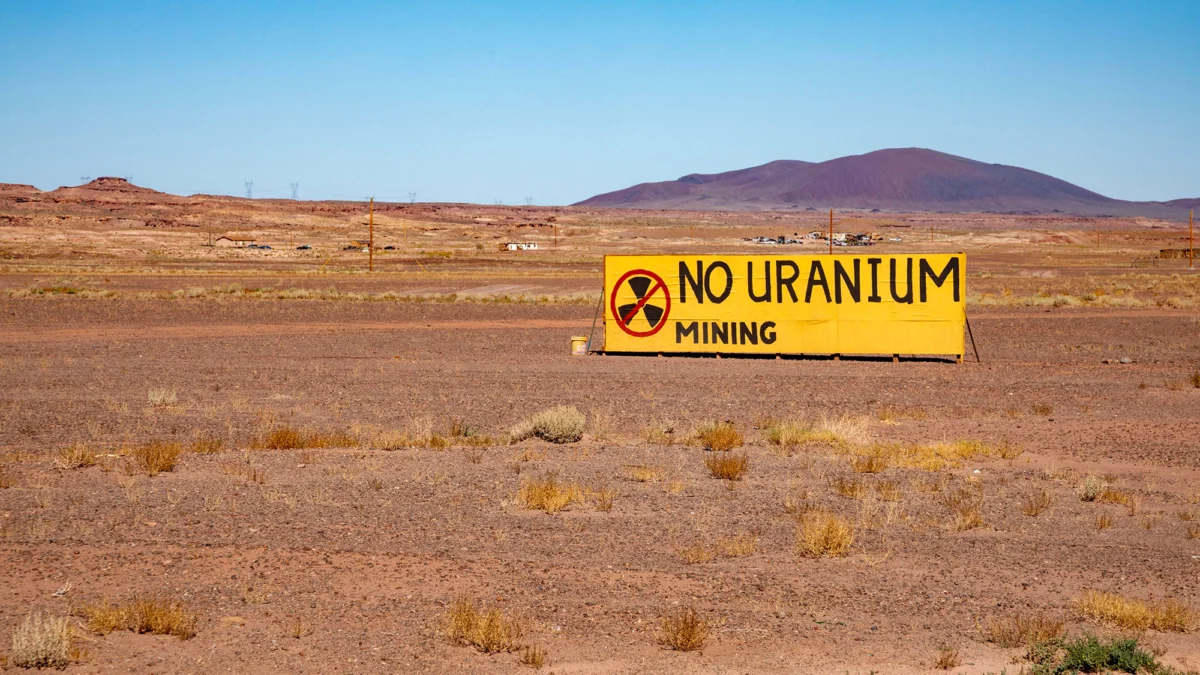
These communities, characterized by a unique combination of deep cultural connection, intergenerational care, and an unwavering commitment to their land, represent an immense, untapped potential for global problem-solving. Therefore, investing in these communities is not merely an act of charity or reparations; it is a strategic imperative for a world grappling with ecological collapse and social fragmentation. Such investment should not impose external solutions but rather empower Indigenous-led initiatives, support the revitalization of traditional languages and knowledge, strengthen local economies through sustainable practices, and ensure the protection of Indigenous land rights. This means recognizing and upholding treaties, facilitating co-management agreements for protected areas, and providing resources that allow these communities to thrive on their own terms, continuing their roles as guardians of critical ecosystems.
The implications of such investment are far-reaching. By supporting Indigenous communities, the global community gains invaluable partners in climate change mitigation and adaptation, biodiversity conservation, and the development of truly sustainable food and water systems. Their wisdom offers not just localized solutions but a paradigm shift in how humanity interacts with the natural world, moving from extraction to reciprocity, from short-term gain to long-term well-being. Recognizing the inherent power and wisdom within these rural, Indigenous communities and actively investing in their continued stewardship is essential for fostering a more resilient, equitable, and sustainable future for all.