Rocky Georgio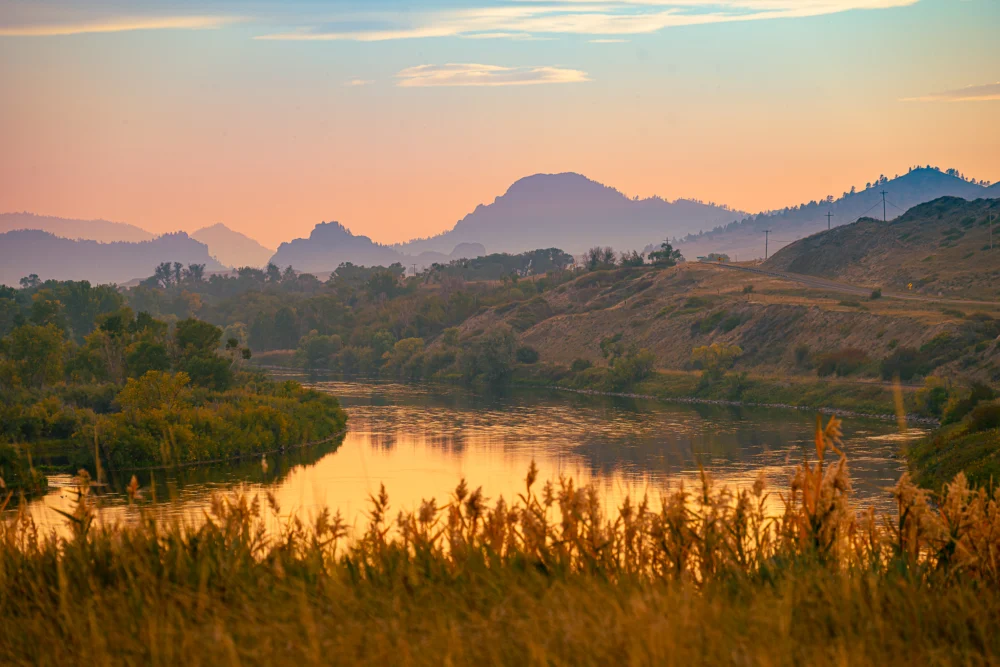
Montana, a state renowned for its pristine high-alpine lakes and vibrant trout-filled rivers, including the headwaters of the mighty Missouri River and the expansive Flathead Lake—the largest natural freshwater lake west of the Mississippi—is now navigating a significant shift in its environmental policy. In a move that has drawn considerable attention and concern from environmental advocates, the Montana Legislature, with recent backing from the Environmental Protection Agency (EPA) as of October, has moved to weaken existing protections for the state’s invaluable waterways. This policy reversal abandons a prior leadership role Montana held in water quality regulation, potentially jeopardizing the health of its aquatic ecosystems and the communities that depend on them.
Historically, Montana stood as a progressive leader in safeguarding its water resources from pollution. In 2014, the state pioneered the implementation of numeric water-quality standards for dissolved nitrogen and phosphorus in wadable streams and certain river segments, marking a significant advancement in nutrient pollution control. Nitrogen and phosphorus, often originating from sources such as mining operations, municipal wastewater treatment, and agricultural runoff, can have devastating effects when present in excessive quantities. Their proliferation fuels rapid algal growth, commonly known as algal blooms, which not only mar the aesthetic beauty of water bodies but also pose severe ecological and health risks. These blooms consume dissolved oxygen, critical for aquatic life, leading to widespread fish die-offs. Furthermore, they can block sunlight from reaching deeper waters and, in some cases, release potent toxins harmful to human health if consumed through tainted water.
Water-quality standards are fundamental benchmarks established by states and tribes, subject to EPA approval, to ensure that water bodies are safe for both human consumption and the thriving of aquatic life. These standards form the bedrock of a state’s water policy, guiding efforts from pollution cleanup initiatives to the issuance of permits for point-source polluters—entities that discharge wastewater through pipes or ditches. Water-quality standards can be defined either numerically, setting specific maximum allowable levels for pollutants before adverse effects occur, or narratively, describing the desired conditions of clean waterways through qualitative parameters.
However, a trio of bills passed by the state legislature earlier this year effectively repealed Montana’s established numeric nutrient standards, reverting the state’s regulatory framework to its pre-existing narrative standards. Environmental organizations and water-quality experts widely consider narrative standards to be less protective than their numeric counterparts. This is primarily because numeric standards act preventively, compelling polluters to treat their wastewater before visible degradation occurs. In contrast, narrative standards are typically activated only after environmental problems have already manifested, offering less immediate protection. Numeric standards provide quantifiable, and therefore more readily enforceable, limits on pollution, whereas narrative standards are more subjective, allowing for greater discretion and flexibility for both regulated entities and enforcement agencies.
"There’s a lot of uncertainty right now about this shift to narrative standards," stated Scott Bosse, Northern Rockies regional director for the nonprofit American Rivers. The precise mechanisms by which Montana’s Department of Environmental Quality (DEQ) will implement these new standards remain unclear, leading to apprehension among stakeholders.

The DEQ contends that the narrative standards offer a more efficient approach to preventing excessive pollution, emphasizing a case-by-case evaluation of each water body. This strategy aims to tailor anti-pollution policies to the specific hydrological and ecological characteristics of local environments. Andy Ulven, chief of the DEQ’s Water Quality Planning Bureau, explained the department’s intention to rely on indicators such as the health of aquatic species like mayflies, observed algal levels, and dissolved oxygen content to inform water policy decisions. While acknowledging that dissolved nitrogen and phosphorus levels will still be considered, Ulven stressed the importance of examining the "bigger picture" to ensure effective environmental management.
Despite these assurances, critics remain unconvinced, arguing that the recent legislation is both vague and overly broad. Nine watchdog groups have formally requested a moratorium on wastewater permits until a more concrete plan for implementing the narrative standards is developed and articulated. This call for a pause highlights the concern that the current approach could lead to a significant increase in nutrient pollution without adequate oversight.
This is not the first attempt by Montana to dismantle its numerical nutrient standards. The EPA previously rejected similar proposals in 2020 and 2022, citing potential conflicts with the Clean Water Act. However, in an abrupt policy shift this year, the agency approved the new rules on October 3rd, a decision made during a period of government shutdown.
Although Montana initially established numerical criteria for nutrient pollution in 2014, consistent enforcement proved elusive. The DEQ often opted to extend expiring permits rather than mandating upgrades to meet the numeric standards. Consequently, numerous permit holders, including major cities like Billings and Missoula, as well as towns such as Kalispell and Whitefish, whose waters ultimately flow into Flathead Lake, are now awaiting permit renewals under the revised regulatory landscape.
The implementation of the original numeric standards would have necessitated substantial investment in infrastructure upgrades for Montana’s generally aging wastewater treatment facilities. Guy Alsentzer, executive director of Upper Missouri Waterkeepers, argued that such investments in advanced wastewater treatment technology are crucial for the long-term health of Montana’s waterways and the well-being of its residents. He acknowledged the financial challenges associated with these upgrades but maintained that changing regulatory goals due to implementation difficulties is counterproductive.
Currently, a significant portion of Montana’s waterways are classified as impaired. Over 35% of the state’s river miles and 22% of its lakes are affected by pollution from sources including sewage, industrial discharge, and agricultural fertilizers. Environmental groups express deep concern that the renewal of a multitude of permits under the new, more lenient standards could exacerbate existing pollution problems and open the door to further contamination.

Since the regulatory shift on October 3rd, Montana has processed only one new permit renewal: for the Sibanye-Stillwater platinum and palladium mine located along the East Boulder River. The mine’s initial 2023 permit included stringent numeric limits on nitrogen pollution, a byproduct of dynamite usage, which the company was to achieve within a decade. However, the newly proposed permit, still under review, allows for a more than fifty-fold increase in the immediate allowable nitrogen discharge. This case is being closely watched as a critical test of how rivers will be managed under the new narrative standard regime.
Montana’s relaxation of its water-quality standards occurs against a backdrop of broader challenges to the Clean Water Act across the nation. Recent proposals have aimed to significantly reduce federal protections for wetlands, further shrinking the scope of environmental regulation. Environmental critics argue that as federal protections are eroded, states should be strengthening, not weakening, their efforts to safeguard vital water resources. Montana’s success in rolling back its stringent pollution standards may embolden other states to pursue similar actions, especially given the perceived shift towards leniency from the EPA.
"One of the take-home messages here is that the states will see EPA as receptive to these rollbacks of Clean Water Act protections," observed Andrew Hawley, a staff attorney at the Western Environmental Law Center. This sentiment underscores the potential for a cascading effect of weakened environmental regulations across the country.
In the interim, Montana’s precious waterways face an increasingly precarious future. "It’s so mind-boggling to me that both the state and the EPA would want to put Montana’s clean water at risk by shifting to narrative standards," expressed Bosse of American Rivers. He characterized the decision as a self-inflicted wound, underscoring the potential long-term consequences for the state’s natural heritage and public health.