Joko Susilo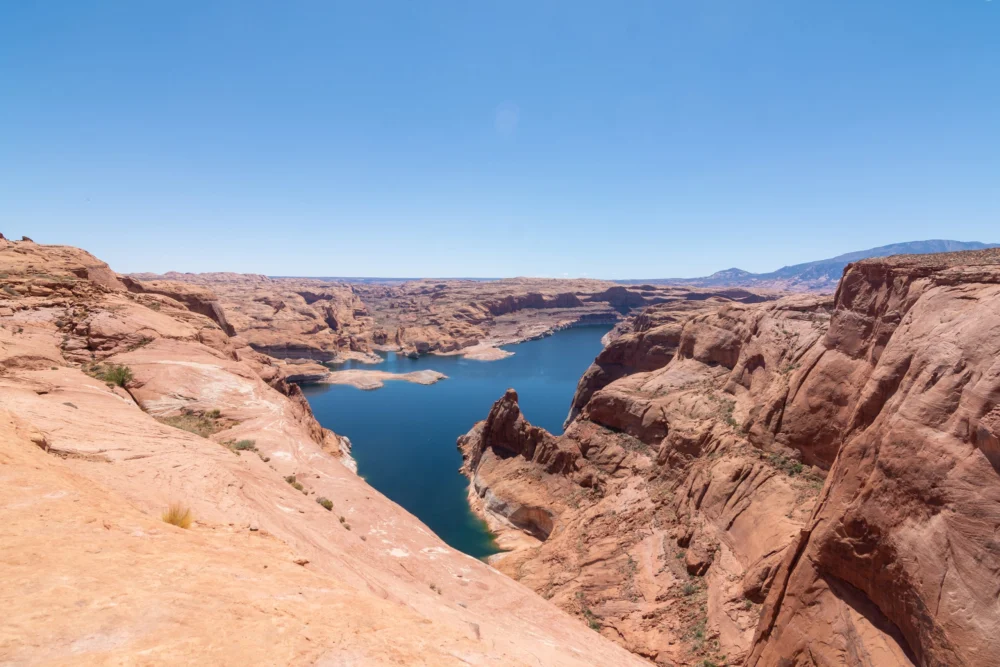
A comprehensive analysis reveals that 31 national monuments established since the Clinton administration are indispensable guardians of clean water for millions of Americans, a vital role now imperiled by ongoing political pressures to diminish their protected status in favor of extractive industries. This groundbreaking report from the Center for American Progress utilized sophisticated geospatial data to meticulously quantify the extensive networks of rivers and watersheds nestled within these designated public lands, along with the vast number of citizens whose daily water supply depends directly on their pristine condition. The findings are stark: the drinking water for more than 13 million Americans originates from or flows through watersheds located within or immediately downstream of these national monuments, with a staggering 83 percent of this water enjoying no other form of protection beyond the monument designations themselves.
Beyond mere statistical significance, these national monuments collectively safeguard over 21,000 miles of vital waterways across the United States, an impressive expanse that nearly doubles the total waterway mileage protected under the renowned National Wild and Scenic Rivers System. This crucial revelation arrives amidst a volatile political climate, particularly as the Trump administration has previously signaled intentions to reconsider, downsize, or even revoke the designations of several national monuments, aligning with a broader agenda to open up more public lands to resource extraction.
The historical context of these designations traces back to the Antiquities Act of 1906, a landmark piece of legislation empowering U.S. presidents to declare federal lands as national monuments to protect significant natural, cultural, or scientific features. While intended to safeguard unique treasures, the Act has occasionally become a flashpoint in debates over land use, particularly when designations encompass vast areas or contain valuable mineral and energy resources. Recent years have seen a significant tug-of-war over these protections. In March, the Trump administration initially moved to eliminate California’s Chuckwalla and Sáttítla Highlands national monuments, a decision that was controversially walked back by removing language from a White House fact sheet, indicating the contentious nature of such proposals. The following month, reports surfaced in The Washington Post detailing considerations within the administration to downsize or eliminate six other national monuments, signaling a concerted effort to reshape the landscape of federal land protection. Further solidifying this stance, in June, the U.S. Department of Justice issued an opinion asserting the president’s power to rescind national monument designations—a significant departure from decades of established legal interpretation that had largely viewed such presidential actions as immutable.
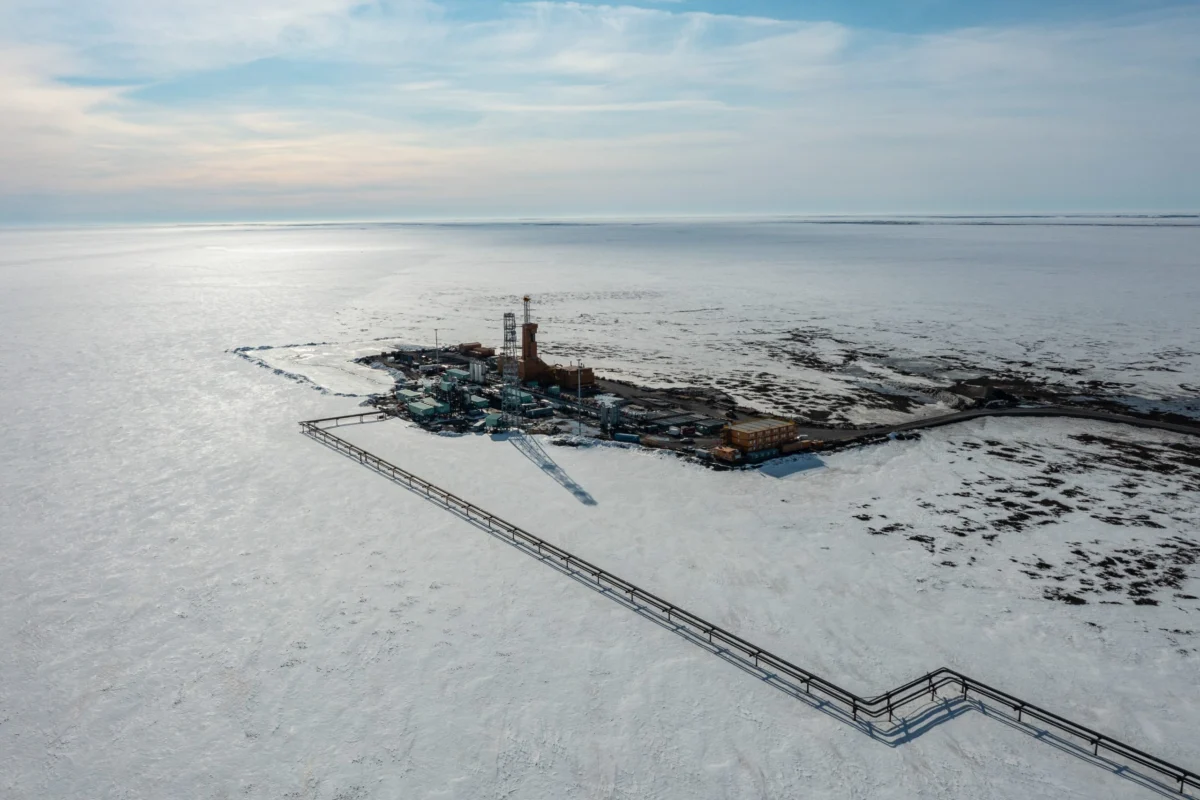
The implications of such policy shifts are not theoretical; they have tangible consequences for the environment and communities. During Trump’s previous term, two prominent national monuments, Bears Ears and Grand Staircase-Escalante, originally established by the Obama and Clinton administrations respectively, were dramatically reduced in size. While President Joe Biden subsequently restored these monuments to their original boundaries upon taking office, the episode underscored the vulnerability of these protected areas to changing political tides. If national monument designations are weakened or removed, the lands surrounding critical waterways would lose their crucial insulation from the impacts of extractive industries, including expansive oil and gas drilling, large-scale mining operations, and intensive grazing. The potential for contamination from these activities is profound, with pollutants, chemicals, and sediment capable of seeping into streams, which then feed into larger river systems. Furthermore, these industrial operations often demand vast quantities of water, particularly in already arid regions, further depleting vital supplies that communities downstream rely upon. Although some limited mining and grazing activities are permitted within certain national monuments under stringent regulations, the removal of monument protections would undoubtedly lead to expanded and less regulated industrial encroachment.
Drew McConville, a senior fellow for conservation policy at the Center for American Progress and a co-author of the recent report, emphasized the inherent interconnectedness of ecosystems, stating, "Landscapes and waterways go hand in hand. The clean water depends on what comes into them from natural lands… Just protecting the wet stuff itself doesn’t guarantee that you’re keeping [water] clean and durable." This perspective highlights the holistic nature of conservation, where the health of the land directly dictates the purity and abundance of water.
The report also brought to light a critical environmental justice dimension: historically marginalized communities constitute a disproportionately larger segment of the population living within the watersheds of these national monuments compared to the national average for watersheds. This means that any degradation of water quality or quantity in these protected areas would disproportionately affect populations already facing systemic disadvantages. Compounding this vulnerability, 23 of the national monuments analyzed are situated in regions projected to experience severe water shortages in the coming decades due to the escalating impacts of climate change. The removal of protections in these areas would not only intensify the existing aridity but also place immense additional stress on water resources in downstream communities already grappling with dwindling supplies.
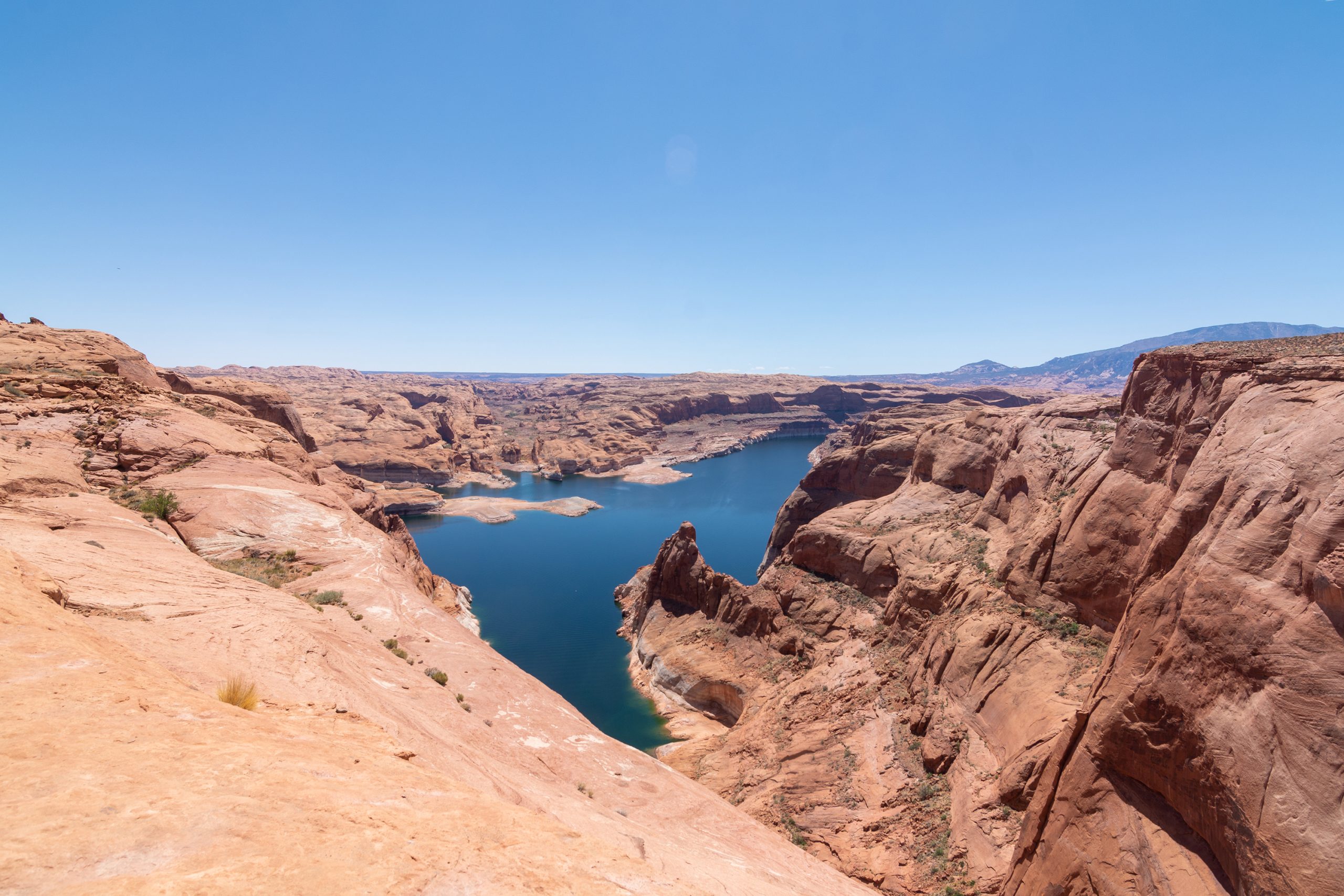
The Grand Staircase-Escalante National Monument in southern Utah serves as a potent illustration of these complex challenges and interdependencies. Spanning an immense 1.87 million acres of rugged public land, this monument is not only a treasure trove of wildlife and invaluable archaeological resources but also a critical hydrological nexus. The analysis indicates that it protects an astounding 2,517 miles of waterways, with nearly 90 percent of the watersheds within its boundaries anticipated to experience significant declines in water levels. The monument strategically straddles the Upper and Lower Colorado River Basins, encompassing the headwaters and stretches of the Paria and Escalante rivers, and its southern boundary lies just north of Lake Powell, the nation’s second-largest reservoir. Despite its outwardly sparse, arid appearance, Grand Staircase-Escalante plays an indispensable role in the health of the Colorado River System, a lifeblood for millions of people across seven U.S. states and parts of Mexico, supplying water for agriculture, municipalities, and industry.

Jackie Grant, the executive director of Grand Staircase Escalante Partners, a nonprofit dedicated to the monument’s protection, underscored its vital, often overlooked, hydrological function. Her organization has invested $11 million in safeguarding the Escalante River watershed and its tributaries, recognizing its immense importance. Grant explained that while the monument is perceived as dry, it is crucial for slowing the flow of water originating as snowpack from the Paunsaugunt Plateau in Bryce Canyon National Park, allowing it to gradually melt and feed downstream systems. "People don’t think of water when they think of Grand Staircase-Escalante National Monument," Grant observed. "So when we can bring this view of water and how important it is to the protection of the monument, it helps us put another building block in our case for supporting the monument, because not only is it important for the animals, the native plants, the geology and the paleontology, water plays a huge role in the monument, and the monument protects the water itself."
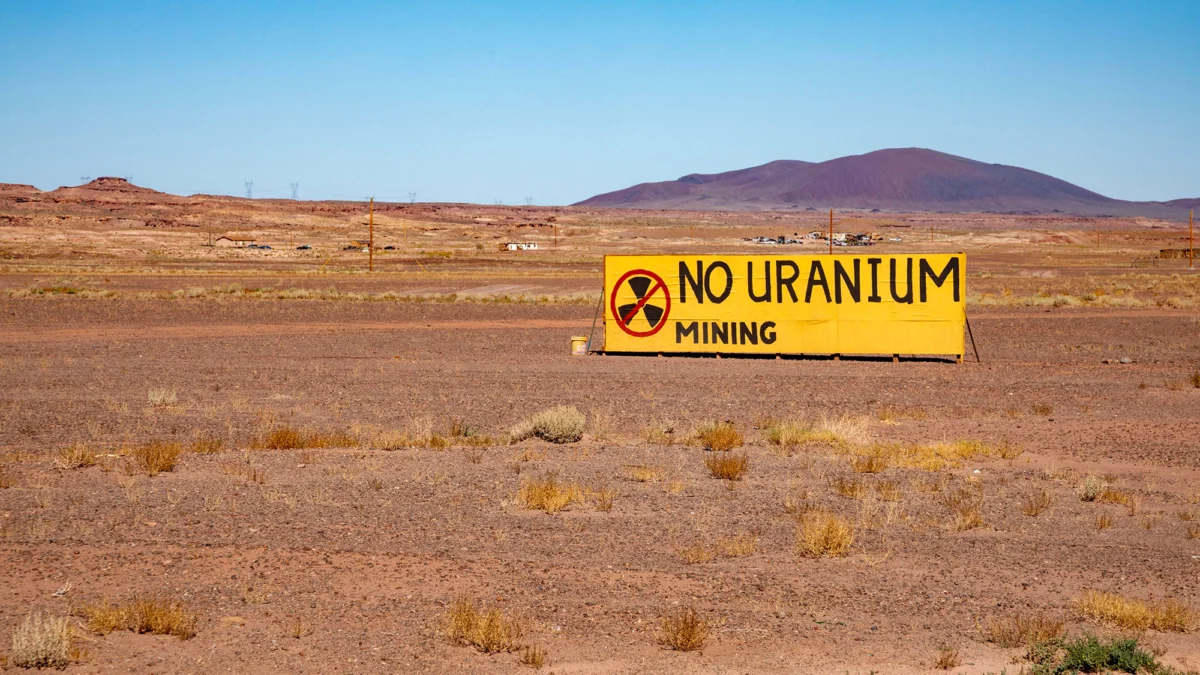
The monument’s unique geology, however, also presents a profound challenge. Beneath its stunning landscapes lie significant mineral deposits, including a nine-billion-ton coal reserve, as well as uranium and nickel. These resources have long fueled calls for increased extractive activity, aligning with past administrations’ pro-mining agendas. Grant warned of the severe risks posed by such endeavors: "It’d be very easy to contaminate either one of those rivers if mining were to take place in the center section of the monument." The potential for acid mine drainage, heavy metal contamination, and other pollutants to irrevocably damage the delicate hydrological balance is a constant concern for conservationists and water managers alike.
Margaret Walls, a senior fellow at Resources for the Future who has extensively studied national monuments, though not directly involved in this particular report, highlighted a key insight: while national monuments are typically designated to protect cultural or historical landmarks, their concurrent role in safeguarding vital natural resources like water is frequently underestimated. Walls emphasized that even if monument protections are loosened, the lands remain federal property, meaning their status change does not automatically guarantee development. However, the shift in designation undeniably alters the regulatory framework and opens the door to activities previously restricted. "We don’t protect waterways the way we do land," Walls noted, "we’re going to get those water benefits by protecting the land." This statement encapsulates the essence of the report’s findings: that the broad, landscape-level protection afforded by national monument status is often the most effective and sometimes the only mechanism for preserving the purity and flow of water sources that sustain millions.
The ongoing debate over national monument designations transcends mere land management; it is fundamentally a debate about water security, public health, and the long-term resilience of ecosystems in an era of accelerating climate change. As arid regions across the globe face unprecedented water stress, the proactive protection of headwaters and watersheds within designated conservation areas becomes not just an environmental imperative, but a critical strategy for societal well-being and economic stability. The fate of these national monuments, therefore, holds profound implications for the clean water access of millions of Americans and the environmental integrity of the nation’s most precious natural heritage.