Rocky Georgio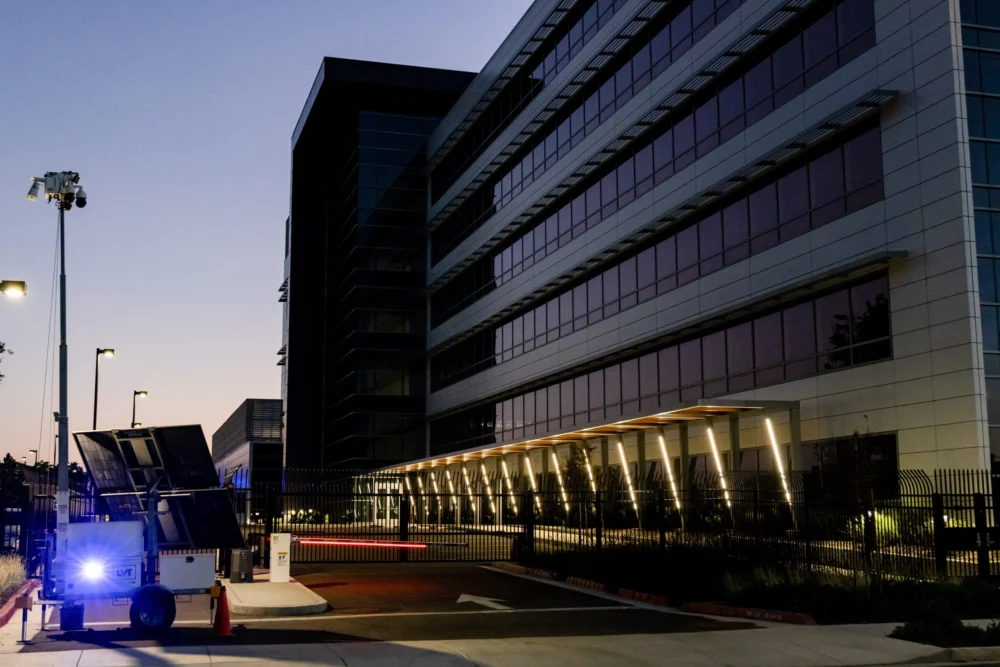
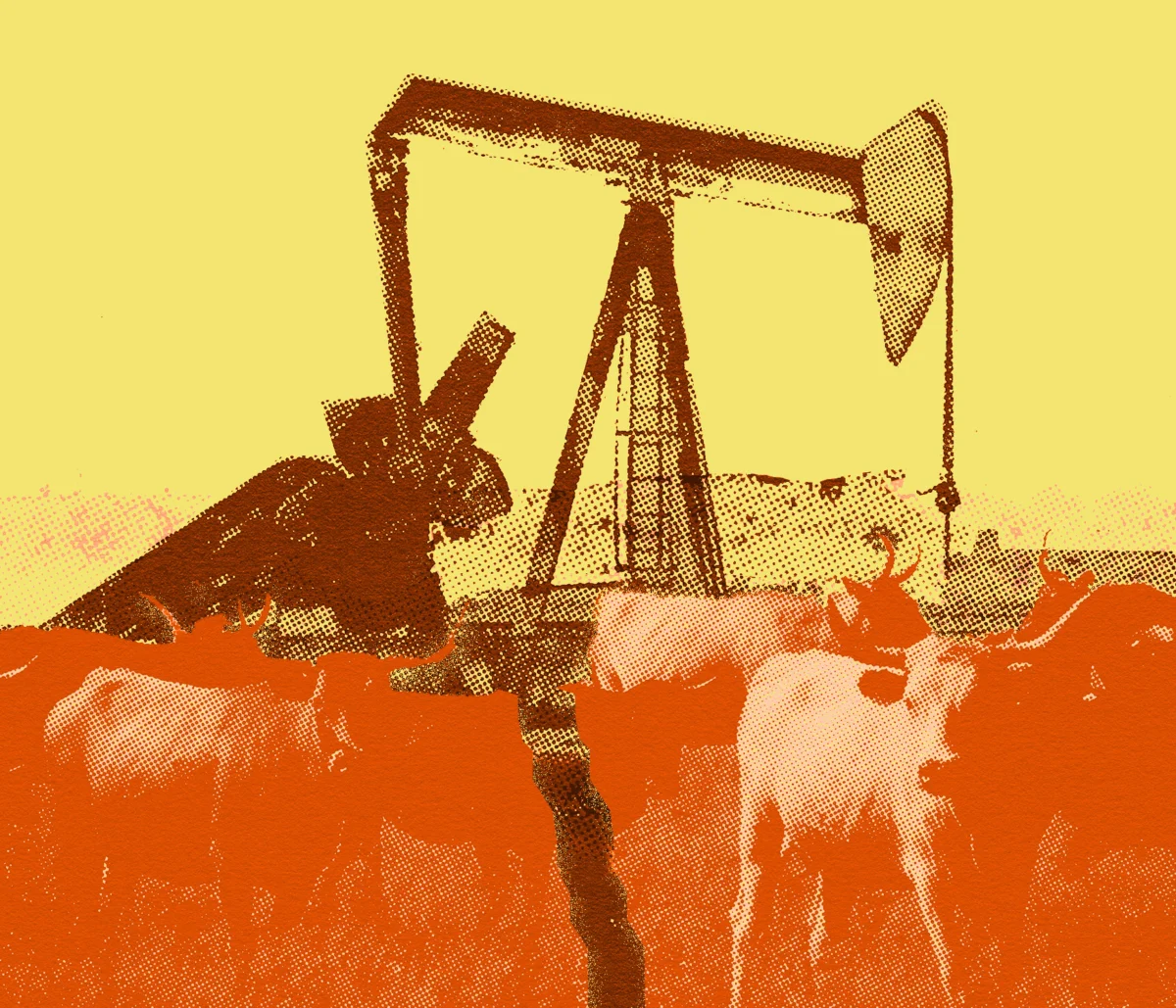
Texas-based New Era Energy & Digital has announced ambitious plans to construct a massive "hyperscale" data center complex in Lea County, New Mexico, an area already at the heart of the Permian Basin’s oil and gas industry. This proposed facility, designed to support advanced artificial intelligence processing, is so colossal that it is slated to be accompanied by its own nuclear and natural gas power plants, boasting a combined generation capacity of approximately 7 gigawatts. To put this immense power output into perspective, it would be equivalent to combining the outputs of the West’s largest nuclear and natural gas plants, Palo Verde and Gila River near Phoenix, and then adding an additional 800 megawatts. Such an energy surplus could theoretically power about 5.3 million homes, though its intended purpose will be to fuel the burgeoning demands of digital activities, from movie streaming and social media engagement to the computationally intensive requirements of AI.
Despite the sheer scale of this undertaking, the announcement has garnered relatively little widespread media attention. This lack of prominent coverage stems not from any attempt at secrecy, but rather from the increasing frequency of similar proposals, making each individual announcement less noteworthy. While New Era’s proposed server farm and its accompanying power infrastructure are still some distance from realization, the cumulative effect of even a fraction of these projects succeeding will undoubtedly reshape the Western United States’ power grid, its landscapes, and its economies. This transformation is poised to rival the impact of the post-World War II "Big Buildup," a period marked by the proliferation of massive coal and hydroelectric power plants across the region to supply energy to burgeoning urban centers via extensive high-voltage transmission networks.
Indeed, this transformation is already in motion. A recent report from the nonprofit NEXT 10 and the University of California, Riverside, revealed that in 2023, data centers in California consumed an estimated 10.82 terawatt-hours of electricity, a figure roughly equivalent to the power needed for one million U.S. households. This consumption, even within California’s comparatively clean energy framework, resulted in approximately 2.4 million tons of carbon emissions; on grids more reliant on fossil fuels, these emissions would likely be double or more. Furthermore, these facilities directly and indirectly consumed around 13.2 billion gallons of water for cooling and electricity generation. In Silicon Valley, over 50 data centers accounted for about 60% of one electricity provider’s total demand, necessitating rate increases for customers to fund the required upgrades to transmission, substations, and new battery energy storage systems.

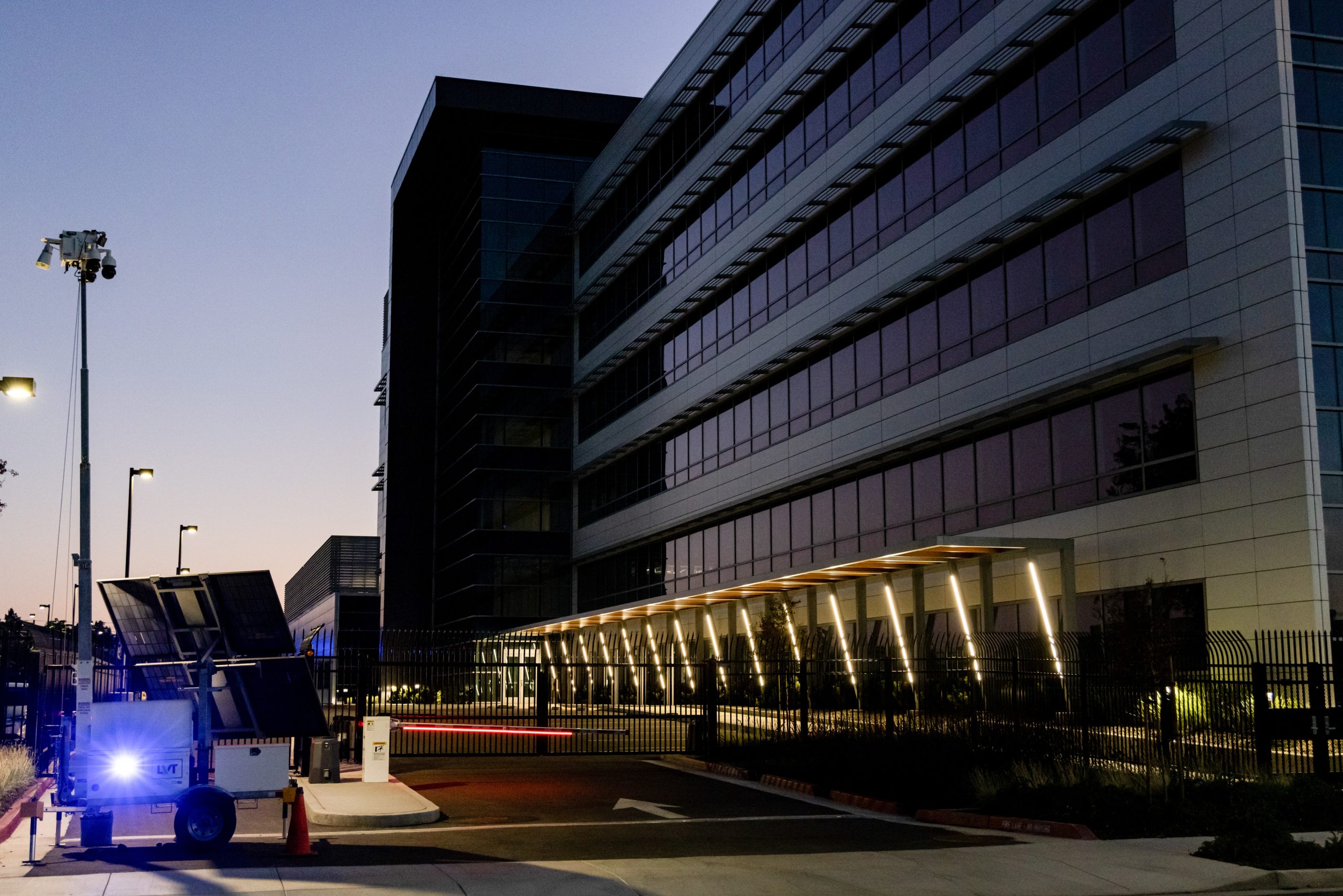
These data centers are also expanding their footprint into cities and towns far beyond the traditional tech hubs of Silicon Valley. In the Phoenix metropolitan area, more than 100 data centers, physically resembling large retail stores filled with rows of computer processors, have already been established within business parks. Projections from utilities suggest that planned new facilities could triple Arizona’s total power load compared to current levels. In response to this escalating demand, Arizona Public Service has announced its intention to continue operating the Four Corners Power Plant, a coal-fired facility, beyond its previously scheduled 2031 retirement date.
The Western power grid, a complex network of interconnected but distinct balancing authorities, is anticipating a significant increase in data center-driven demand across nearly all its operational regions over the next decade. Many of these authorities are not yet adequately prepared to meet this surge. The North American Electric Reliability Corporation has issued warnings that the growing power consumption by data centers is elevating the risk of winter outages in parts of the West. Consequently, many of the largest data center developments will likely need to establish their own power generation capabilities. Simultaneously, utilities face the urgent task of rapidly expanding generating capacity and related infrastructure to serve the on-grid facilities, with the associated costs of this new infrastructure ultimately being passed on to ratepayers.

The question of how this immense power demand will be met is complex, as solar and wind energy alone are unlikely to suffice. Utilities are already planning to extend the operational life of existing coal plants beyond their scheduled retirements and to construct new natural gas facilities. The development of new nuclear reactors is also on the table, with major technology companies like Google, Switch, Amazon, OpenAI, and Meta exploring the possibility of powering their proposed facilities with advanced small modular reactors, though these are still in early development stages.
The environmental ramifications of these data center developments are significant and varied. The burning of fossil fuels contributes to climate change and air pollution, while oil and gas drilling and coal mining can lead to landscape degradation. Large-scale solar and wind projects, while cleaner alternatives, can impact wildlife habitats and necessitate extensive new transmission lines. Nuclear power presents its own challenges, including safety concerns and the long-term management of radioactive waste, alongside the environmental risks associated with uranium mining. Even data centers powered entirely by solar and batteries still contribute to demand that could otherwise be met by replacing fossil fuels on the grid. Furthermore, unless equipped with closed-loop air-cooled systems, many data centers will continue to consume substantial amounts of water for cooling, often drawing from municipal potable water supplies.

One company, Wyoming-based Prometheus Hyperscale, has garnered attention for its declared commitment to building "sustainable" data centers. Their vision includes dedicated clean energy generation, water recycling, and efficient cooling systems that leverage the colder climate of the Northern Rockies. They have even proposed utilizing waste heat from servers to warm greenhouses and support shrimp-farming operations, with the potential supplementation of power from nuclear micro-reactors in the future. However, their current operational plans reveal a more immediate reliance on natural gas for initial power, with a commitment to offset carbon emissions by funding carbon dioxide capture and sequestration from biofuel plants in Nebraska.
Resistance to the burgeoning wave of data centers, with their substantial energy and water demands, is mounting. However, the localized nature of these projects often makes opposition feel like a fragmented battle. In Tucson, Arizona, residents successfully opposed a city annexation plan that would have allowed a proposed data center, Project Blue, to utilize treated wastewater for cooling. The developers subsequently relocated the project to county jurisdiction, opting for an air-cooling system that, while reducing water consumption, increases energy requirements. Subsequent community concerns led the firm to pledge investment in renewable energy on the Tucson Electric Power grid sufficient to offset all its electricity usage.

The proliferation of data centers is also being driven by the welcome they receive from many local governments and utilities. These facilities can provide much-needed jobs and tax revenue to economically struggling regions, provided they are not granted significant tax exemptions. Utilities, eager to increase sales and fund necessary infrastructure upgrades, often express enthusiasm for new load. Jeff Brigger, an executive with NV Energy, commented on the utility’s excitement to "serve this load" as data centers expand into Nevada.
While much of the opposition centers on environmental impacts, potential increases in utility rates, and community disruptions, the very concept of artificial intelligence is also becoming a point of contention. The idea of significant water or energy consumption for tasks like generating essays, answering trivial questions, creating images, or even providing companionship is being weighed against the potential benefits of AI in areas like medical diagnosis and scientific research. While AI holds promise for addressing complex challenges, critics suggest that the technology itself should first strive for greater energy and water efficiency before aiming to fundamentally alter the world.