Roger Danuarta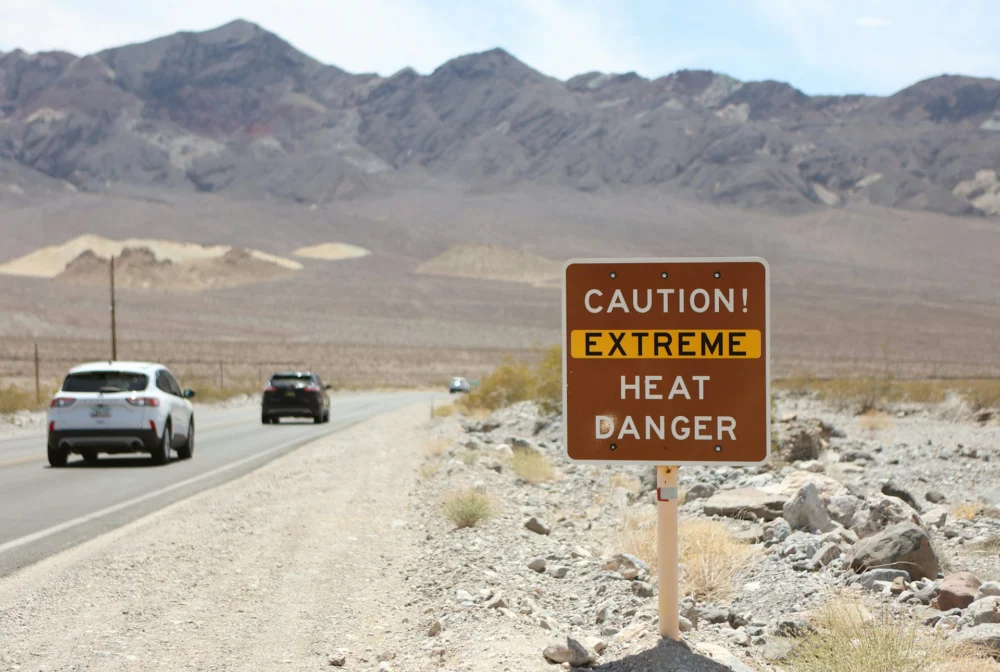
In a pivotal move that underscored its commitment to dismantling environmental regulations, the Trump administration, on February 12, initiated steps to rescind the seminal 2009 Endangerment Finding. This finding, a cornerstone of U.S. climate policy, formally declared that six key greenhouse gases – primarily carbon dioxide and methane released from the combustion of fossil fuels – pose a demonstrable threat to public health and welfare. The administration’s rationale for dismissing these well-documented health risks, however, stands in stark contrast to an overwhelming body of scientific and medical evidence, a stance that experts warn is not only factually inaccurate but also deeply perilous to the health and safety of Americans and global citizens alike.
The 2009 Endangerment Finding by the Environmental Protection Agency (EPA) was not a mere symbolic gesture; it represented a critical legal determination under the Clean Air Act, providing the regulatory authority for the EPA to control greenhouse gas emissions. This landmark decision affirmed the scientific consensus that climate change, driven by human activities, was a tangible and present danger, empowering subsequent administrations to implement policies aimed at mitigating its effects. Rescinding it effectively seeks to strip the EPA of this fundamental power, potentially unraveling years of environmental protection efforts and casting doubt on the nation’s commitment to addressing a global crisis.

Physicians, epidemiologists, and environmental health scientists globally have consistently observed and documented the escalating connections between climate change and widespread harm to human health. Their research, spanning decades and disciplines, paints a clear and increasingly urgent picture of the multifaceted health risks posed by a warming planet. These dangers manifest in various forms, from the immediate and acute impacts of extreme weather to the insidious, long-term effects on air quality, disease patterns, food security, and mental well-being.
One of the most immediate and pervasive threats is extreme heat. Greenhouse gases, accumulating in the atmosphere from vehicles, power plants, and industrial processes, act like an insulating blanket, trapping heat and causing global temperatures to rise. This persistent warming leads to more frequent, intense, and prolonged heatwaves, exposing larger populations to dangerous thermal stress. While minor heat illnesses like cramps or exhaustion are recoverable, severe exposure without adequate hydration or cooling mechanisms can swiftly lead to heatstroke, organ failure, and death. Vulnerable populations, including outdoor laborers, the elderly, young children, and individuals with pre-existing conditions such as cardiovascular, respiratory, or kidney diseases, face disproportionately higher risks. Globally, heat-related mortality has surged by 23% from the 1990s to the 2010s, with average annual deaths exceeding half a million. In the United States, tragic events like the 2021 Pacific Northwest heat dome claimed hundreds of lives, and climate scientists predict a future where major U.S. cities like Miami, Houston, Phoenix, and Las Vegas will endure significantly more days each year with temperatures threatening human survival, demanding robust public health interventions like widespread cooling centers and early warning systems.
Beyond heat, climate change intensifies extreme weather events. Warmer atmospheric temperatures increase the air’s capacity to hold moisture, leading to more intense rainfall and severe storms, which in turn exacerbate flooding. Many U.S. communities have grappled with the devastating consequences of such events in recent years, from inland riverine floods to coastal storm surges. Warmer ocean waters also provide more energy for tropical cyclones, fueling more powerful and destructive hurricanes. The health repercussions of increased flooding are extensive, encompassing drownings, traumatic injuries, and widespread water contamination from sewage, industrial runoff, and agricultural pollutants, leading to outbreaks of waterborne diseases. Post-flood cleanup operations expose residents to additional hazards, including dangerous mold growth, structural collapse risks, and significant mental health distress, including anxiety, depression, and post-traumatic stress disorder. Conversely, climate change also amplifies droughts, disrupting vital agricultural systems, exacerbating food insecurity, and increasing the risk of respiratory illnesses from wind-blown dust and particulate matter. The heightened aridity dries out forests and grasslands, transforming them into tinderboxes and creating ideal conditions for devastating wildfires.

Air pollution represents another critical health nexus. Wildfires, fueled by climate change, release vast plumes of smoke that degrade air quality across vast distances. This smoke is a toxic cocktail of microscopic particulate matter (PM2.5), which can penetrate deep into the lungs and bloodstream, and hazardous compounds like lead, formaldehyde, and dioxins formed from the combustion of homes, vehicles, and synthetic materials. These plumes can travel thousands of miles downwind, triggering acute health crises like heart attacks and strokes, exacerbating asthma and other respiratory conditions, and elevating long-term risks for lung cancer. Furthermore, warmer temperatures accelerate the chemical reactions that form ground-level ozone, a potent lung and heart irritant that further compromises respiratory and cardiovascular health, particularly in urban areas. The continued burning of fossil fuels, the primary driver of climate change, directly contributes to these and other dangerous air pollutants, leading to a long list of adverse health outcomes that disproportionately affect communities living near industrial facilities and transportation corridors.
The shifting climate also facilitates the spread of infectious diseases. As cold-blooded organisms, insects like mosquitoes are highly sensitive to temperature. Rising temperatures accelerate their metabolic rates, increase their biting frequency, and shorten the incubation period of pathogens they transmit, making them more effective vectors. Consequently, mosquito-borne illnesses like dengue fever, traditionally confined to tropical and subtropical regions, are appearing in new areas of the United States, including Florida, Texas, Hawaii, Arizona, and California. Similarly, chikungunya virus, another mosquito-borne disease, has seen locally acquired cases in regions like New York state. Beyond insect vectors, warmer temperatures contribute to the proliferation of waterborne pathogens like Vibrio cholerae and other bacteria, increasing the incidence of diarrheal and foodborne illnesses. Heavy rainfall events can overwhelm outdated infrastructure, leading to sewage-contaminated stormwater overflowing into lakes and streams, further spreading disease. Conversely, severe drought conditions in regions like the desert Southwest increase the risk of fungal infections such as coccidioidomycosis, commonly known as Valley Fever, as fungal spores become aerosolized in dry, dusty conditions.
The cascading effects of climate change extend to numerous other aspects of human well-being. Prolonged and intensified pollen seasons exacerbate allergic reactions and asthma for millions. Disruptions to agricultural productivity, driven by extreme weather and changing growing seasons, threaten food security and diminish the nutritional quality of staple crops. The psychological toll is profound, with studies linking climate-related disasters and sustained environmental degradation to increased rates of anxiety, depression, and post-traumatic stress, along with documented increases in violent crime and suicide rates during periods of extreme heat.

It is critical to recognize that these impacts are not distributed equally. Young children, older adults, pregnant women, and individuals with pre-existing medical conditions constitute some of the highest-risk groups. Furthermore, lower-income populations and marginalized communities often bear a disproportionate burden due to higher rates of chronic disease, increased exposure to environmental hazards, and fewer resources for protection, access to quality medical care, and recovery from disasters. This inequity underscores the social justice dimension of climate change and its health impacts.
The scientific evidence linking climate change with human health has grown exponentially and become incontrovertible since the 2009 Endangerment Finding. Today, numerous reports from the World Health Organization, the Intergovernmental Panel on Climate Change, and national academies of science worldwide consistently affirm these connections. They indicate that heat stress, air pollution, the spread of infectious diseases, and food insecurity, all linked to climate change, are worsening and collectively costing millions of lives globally each year. This robust scientific consensus is mirrored in the lived experiences of Americans who have suffered from heatwaves, struggled to breathe wildfire smoke, or faced injuries and displacement from hurricanes and floods.
Yet, the Trump administration’s willful disregard of this evidence, asserting that climate change poses no endangerment to health, represents a profound departure from evidence-based governance. The move to rescind the 2009 finding aligns with a broader agenda of deregulation, including efforts to cut support for renewable energy and provide subsidies to fossil fuel industries, which themselves are significant contributors to public health crises. This strategy extends to rolling back vehicle emissions limits, despite transportation being the leading source of U.S. carbon emissions and a major contributor to harmful air pollutants like PM2.5 and ozone.

However, the narrative is not solely one of endangerment; it also illuminates a powerful opportunity. When governments and societies commit to reducing the causes of climate change, they simultaneously address some of the world’s most pressing health challenges. A transition to cleaner vehicles and renewable electricity generation leads directly to cleaner air, translating into fewer cases of heart disease, strokes, asthma exacerbations, and lung cancers. Promoting active transportation, such as walking and cycling through safe infrastructure, encourages physical activity, reduces sedentary lifestyles, and lowers the risk of chronic diseases like diabetes and obesity. Investing in sustainable agriculture can improve food security and nutritional quality. Moreover, fostering resilient communities capable of adapting to a changing climate can alleviate the mental health burdens associated with environmental uncertainty and disaster.
Ultimately, confronting climate change is not merely an environmental imperative; it is a fundamental public health strategy. To truly build a healthier America and a healthier world, nations must acknowledge the undeniable facts underpinning the endangerment finding and accelerate the transition from fossil fuels towards a future powered by clean energy – a future that promises not only environmental sustainability but also significantly improved health and well-being for all.