Rocky Gerung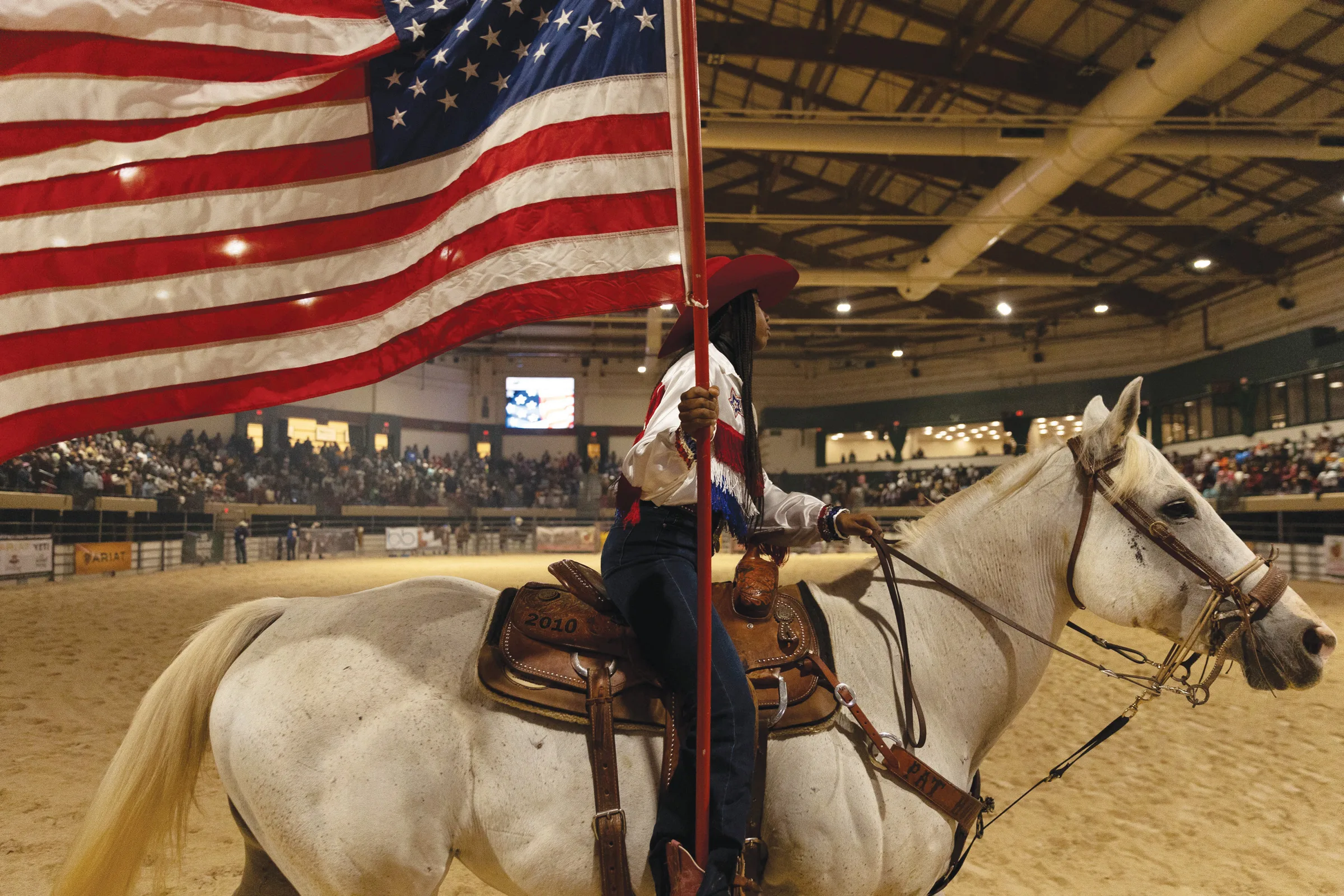
The recent docuseries "High Horse: The Black Cowboy" resonates deeply, particularly for those who understand the profound connection between humans and horses, a connection built on mutual respect, clear communication, and unwavering honesty. This three-part series masterfully illustrates that the Black cowboy is not a new addition to the American West’s story, but an integral part of its very foundation, a truth that has too long been overlooked and actively suppressed by popular narratives. The series challenges the pervasive notion that the West is a domain exclusively for white figures, revealing a rich and continuous legacy of Black horsemanship, ranching, and land stewardship that stretches back centuries.
Executive produced by Jordan Peele’s Monkeypaw Productions and helmed by independent filmmaker Jason Perez, who benefited from mentorship by Spike Lee, "High Horse" skillfully weaves together compelling archival footage and photographs with contemporary scenes of Black cowboy life. It embarks on a journey through the history of film, music, and marketing to demonstrate how the romanticized image of the West often diverges from its lived reality. This historical "airbrushing," as the series suggests, occurs not through sudden, dramatic edits, but through a gradual and insidious narrowing of who is deemed authentic and significant in the Western landscape. The series deliberately refuses to relegate Black cowboys to a marginal role, instead tracing a clear and unbroken lineage from the skilled labor of formerly enslaved people who mastered horses and cattle, through the dominance of Black jockeys in early horse racing, to the contemporary Black riders, ranchers, and entrepreneurs who continue to shape the West. It achieves this by presenting history in a way that is present and engaging, avoiding the didacticism of a lecture.
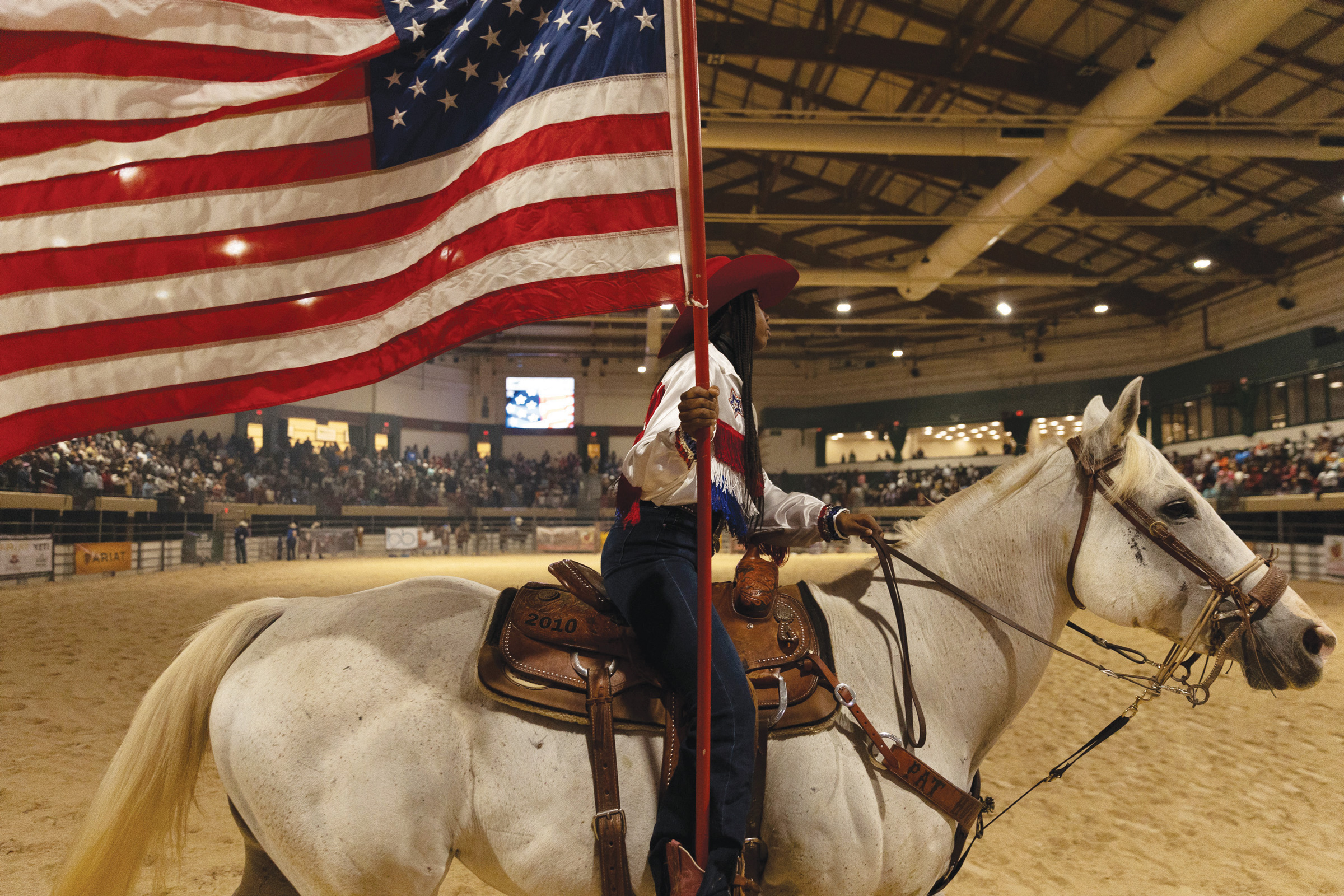
A particularly powerful aspect of "High Horse" is its deliberate focus on the tangible realities of horsemanship: the rider’s seat, the subtle language of their hands, and the countless hours dedicated to practice and understanding. For anyone with experience in riding, these elements are instantly recognizable. Horses, in their innate wisdom, are indifferent to human stories or pretenses; they respond solely to consistency, fairness, and clear intent. This fundamental truth about working with horses highlights a broader societal paradox: the cowboy aesthetic is widely celebrated, yet the actual labor, dedication, and nuanced craft involved are frequently disregarded. The series captures this through lingering shots of Black riders, positioned high and steady in their saddles, surveying vast open landscapes or navigating urban peripheries that bear the imprint of the same historical forces. These seemingly simple, quiet images carry an immense power, particularly for Black Americans, for whom land represents far more than just scenery. It embodies inheritance and loss, promises made and subsequently broken, and the critical distinction between being a transient visitor and a committed steward.
This intersection of land, legacy, and horsemanship is deeply personal for many, including myself. My father, a native Texan, grew up on a ranch and later managed land and livestock in California, a heritage that inspired me to establish Outdoor Afro in 2009. Initially a blog, it served as both a platform and a tribute to his enduring legacy, aiming, much like "High Horse," to correct the historical record regarding Black Americans’ profound and often understated connections to the outdoors. This endeavor has since blossomed into a national organization that annually connects thousands of Black families with nature, fostering a sense of reunion rather than mere participation in a trend. Now, in midlife, I have returned to horsemanship with a seriousness that has surprised even me. This practice has cultivated greater patience and honesty within me, and it has also broadened my perspective on land, prompting a deeper consideration of my own lifestyle choices and their impact on both our communities and the natural world.
My current mare, True Haven, is a mustang from the Twin Peaks Herd Management Area, situated in the high desert along the California-Nevada border. I named her as a personal reminder of faith and the pursuit of peace in all aspects of life. Horses, by their very nature, demand a consistent practice of fairness and a clear demonstration of leadership; they immediately assess and respond to trustworthiness. Owning a wild horse does not confer expertise in public lands and wildlife policy, but it does foster an intimate connection to pressing questions of stewardship and reinforces a commitment to protecting the nation’s public lands and wild spaces. The abstract language of policy and rhetoric loses its sway when one is holding a lead rope, focusing intently on the immediate needs of another living creature to ensure its safety and clarity.

"High Horse" astutely recognizes that the narrative of Black cowboys cannot be disentangled from the broader story of Black land ownership and access. It moves beyond the romantic imagery of wide-open spaces to confront the practical realities of acreage, access rights, land titles, property taxes, and the intricate ways in which power structures have historically determined who is able to remain on and cultivate the land. While not delving into the minutiae of policy, the series forthrightly addresses a truth that many in the West tend to avoid: the freedom and opportunity the West purportedly offered were never equitably distributed, and historical violence, both overt and systemic, is an undeniable aspect of the region’s geography.
However, "High Horse" is far from a somber lament; at its core, it is a vibrant celebration of freedom and resilience. The series showcases young riders engaged in training and competition, elders diligently passing down their invaluable knowledge, and families perpetuating traditions, all coming together around horses in a manner akin to community gatherings or family reunions. In a cultural landscape where Black history is too often presented solely through the lens of trauma, this series offers a vital alternative perspective: one of excellence, mastery, humor, pride, discipline, and profound joy.
While the series is commendable, its inherent limitation lies in its scope. Three episodes can effectively raise a banner of recognition but cannot encompass the full spectrum of complexity. There is a discernible desire for more in-depth exploration of Black women riders, a greater focus on the everyday economic realities of horse ownership, and a more thorough acknowledgment of the intertwined histories of Black and Indigenous peoples on Western lands. Additionally, the series could have benefited from allowing its working riders and ranchers, the individuals whose lives and livelihoods are intrinsically tied to the land and their horses, to speak more directly, perhaps with less reliance on interpretation from well-known celebrities and scholars, whose contributions, while valuable for reach and context, occasionally risk overshadowing the authentic voices of those with generations of lived experience.

Arguably, "High Horse"’s most significant accomplishment is its resolute refusal to portray the Black cowboy as an anomaly. It powerfully invites viewers to broaden their understanding of what it means to be "Western," extending beyond the confines of traditional Hollywood portrayals. For anyone who cherishes the American West, this re-evaluation of its historical and contemporary identity arrives at a crucial moment. Watching the series, I found myself reflecting on my initial moments with my mare: her observant gaze, her patient waiting, her silent inquiry into the kind of partner I would be. In the same way a horse responds to clarity, consistency, and care, we must approach our history with similar principles. If we aspire to inhabit a West that is honest and possesses a robust future, we must candidly recount its complete story and diligently protect the very ground upon which it is built.
"High Horse" is not, and should not aim to be, the definitive conclusion on the subject of Black cowboys. Nevertheless, it represents a significant stride toward a more inclusive vision of the West, one where Black riders are recognized not as transient visitors, but as fundamental architects of the region’s identity and vital contributors to its conservation future.