

 Rocky Gerung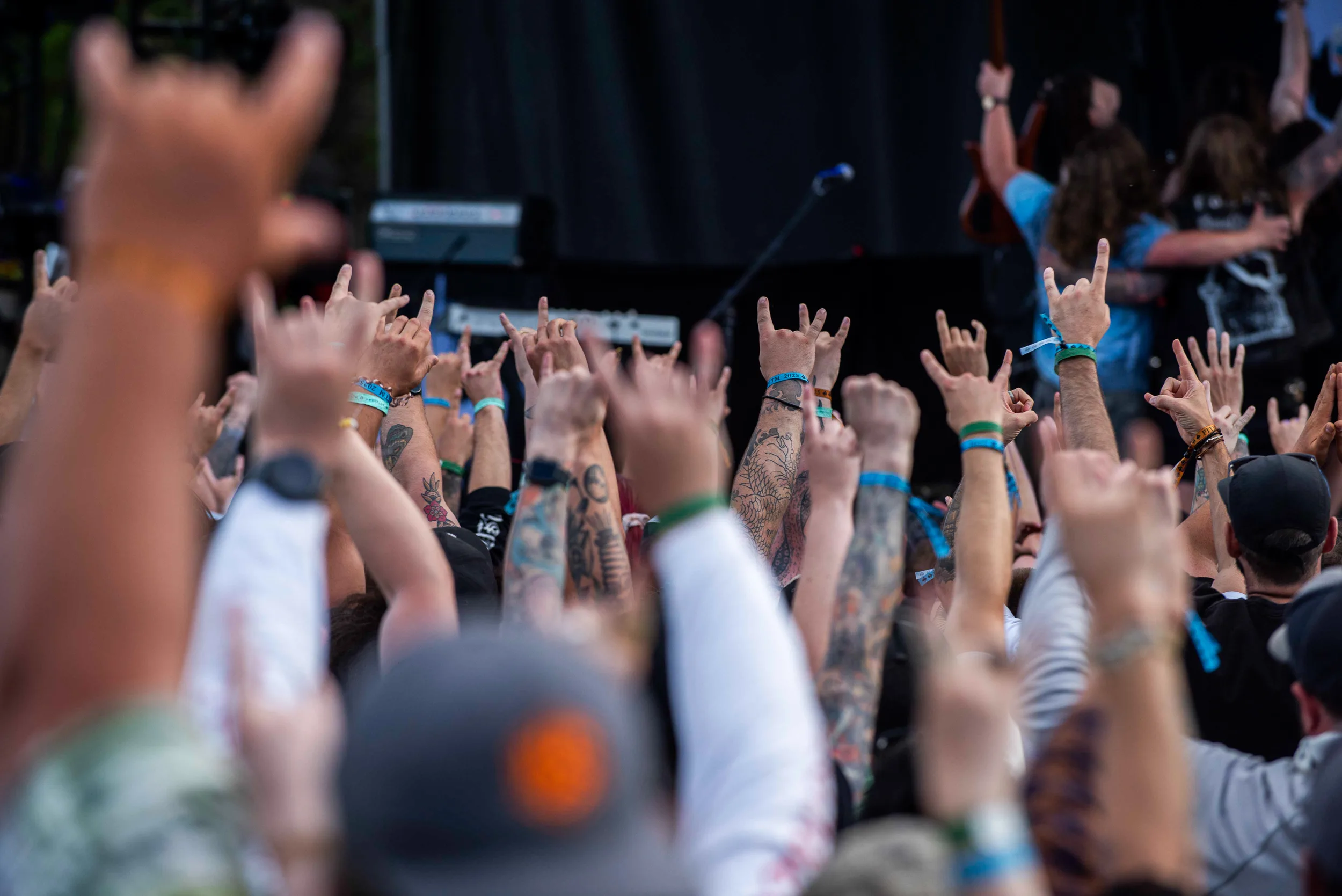
The resonant power of heavy music, often associated with rebellion and catharsis, has found a profound and unexpected connection within Indigenous communities, particularly among young people grappling with immense societal pressures. This burgeoning synergy was vividly on display at the recent Fire in the Mountains festival, an event that transcended its musical roots to become a beacon of hope and cultural affirmation for Native youth on the Blackfeet Nation and beyond. The festival, born from a unique educational initiative, highlights the genre’s capacity to provide solace, foster community, and serve as a vital tool for mental health advocacy.
The journey to uncover this story began with a personal curiosity about why Indigenous individuals, including the author, felt drawn to the intensity and sonic landscape of metal music. Initial attempts to document this phenomenon, such as a proposed tour with the Indigenous black metal band Blackbraid, were met with logistical challenges, underscoring the difficulty in directly accessing this niche community. The breakthrough arrived through a connection to the Fire in the Mountains festival, an event that was not only a celebration of heavy music but also intricately linked to a groundbreaking educational program at Buffalo Hide Academy in Browning, Montana.
This educational component, a first-year endeavor at the academy, involved teaching Piikunii teenagers about hardcore and heavy metal music. Spearheaded by educators and facilitated by figures like musician Steve Von Till, the initiative extended beyond classroom instruction. Students were offered internships to actively participate in running the festival, providing them with practical experience and a deeper sense of ownership. The overarching goal of this program was to offer support and a sense of belonging to Indigenous teens facing significant challenges, particularly the pervasive issue of suicidal distress that affects many Native communities.
For the author, the personal resonance of suicide prevention made this story particularly urgent. The desire to encourage these young people to persevere, coupled with an academic interest in the curriculum and the festival’s broader cultural implications, fueled the immersive reporting experience. The festival itself proved to be an exceptionally engaging, albeit demanding, assignment. Days were long and often sweltering, filled with the pressing need to connect with numerous individuals for interviews. Amidst the whirlwind of activity, the author was treated to performances by a diverse array of talented bands, though the sheer volume of the lineup meant some sets were inevitably missed due to the demands of reporting.

The initial approach at the festival involved directly engaging attendees, asking, "Are you an Indigenous metalhead? Can I interview you for a magazine?" The response was overwhelmingly positive, with individuals readily sharing deeply personal stories about the impact of suicide on their lives and the ways in which music, especially heavy genres, had served as a lifeline. These candid conversations, often held between sets, provided a powerful testament to the genre’s therapeutic qualities. The author also sought out Indigenous musicians, some already admired, others newly discovered, to gain their perspectives on the scene and their artistic journeys. Even casual interactions over breakfast at local establishments like the Two Medicine Grill in East Glacier Park offered richer insights, painting a comprehensive picture of the influx of music enthusiasts descending upon the small Montana town. The wealth of material gathered presented a significant challenge in structuring the narrative, a testament to the depth and emotional complexity of the experience.
The editorial process involved navigating sensitive subject matter with care and respect. Initial plans to include detailed statistics on suicide were reconsidered, as the focus shifted towards the human element. The author felt that a purely clinical or numerical approach would detract from the profound emotional and cultural significance of the stories shared by the young people. Instead, the narrative leans into the heartfelt discussions that emerged, particularly from a lakeside panel where musicians candidly articulated how heavy music had profoundly shaped their lives. These exchanges were rich with illuminating insights and a surprising amount of humor, making the selection of quotes a difficult but necessary task.
During the panel, musicians offered compelling observations on contemporary anxieties and the nature of human connection. Ivar Bjørnson of the band Enslaved, for instance, commented on the prevailing suspicion and fear in society, contrasting it with the more open and inquisitive ethos he observed within the metal community. He expressed a desire for increased curiosity and a willingness to learn from diverse backgrounds, lamenting the current climate where individuals might prefer encountering a bear in the wild over a stranger. Similarly, Chelsea Wolfe contributed valuable reflections on the detrimental effects of Western cultural norms and the importance of emotional vulnerability, particularly the freedom to express sadness when needed.
An earlier draft had explored a scene depicting a listening party on a hillside, where hundreds of metal fans gathered to hear an advance playback of the album Blackbraid III. This event also included a question-and-answer session with frontman Jon Krieger. While this moment offered a glimpse into the dedicated fan base and the anticipation surrounding new releases, it ultimately did not make the final cut. Similarly, details about the catering company Region Sauvage, which featured locally sourced meats like duck and buffalo, and their chef’s poignant comment about the region not being "cattle country," were omitted to maintain focus. These specific culinary and cultural observations, while interesting, were deemed tangential to the central themes of music, healing, and community support.
The editorial decision-making prioritized the core narrative, which included a dramatic interlude detailing a thunderstorm that sent festival-goers scrambling for shelter, humorously attributed by some to the "ghost of Ozzy Osbourne." However, the most crucial element of the story remained the voices of the students and Native metal fans, sharing their perspectives on the genre, its cultural significance, and its role in suicide prevention efforts.

The author approached quoting the students with extreme caution, adhering to ethical guidelines for reporting on minors who have experienced trauma. Anonymizing their quotes was deemed the safest and most respectful method for presenting their sensitive experiences. This approach also allowed the author to finally address the initial question: "Why do Natives like metal so much?" While a straightforward answer like "You’d be pissed off too, if you had to live under colonization!" was secretly anticipated, the reality proved far more nuanced and intellectually stimulating. The responses offered a diverse range of thought-provoking theories, expressed with an eloquence that belied their informal, often expletive-laden, delivery, a characteristic the author found refreshingly educational.
The experience of reporting on the Fire in the Mountains festival left the author with an unexpected sense of hope and profound connection. The initial draft flowed rapidly in the days following the event, fueled by little sleep and an emotional outpouring that necessitated reflective walks through the neighborhood to process the transcendent nature of the experience. The challenge of translating such deep emotion for readers was immense, resulting in a piece that is deeply personal and close to the author’s heart.
For those inspired by the story and wishing to contribute to the cause, resources are available to support suicide prevention efforts. The Firekeeper Alliance offers avenues for donations, social media engagement, and the purchase of merchandise, including T-shirts. Additionally, prospective attendees are encouraged to secure tickets for next summer’s festival, an event that promises to continue its vital work in fostering community, providing a platform for artistic expression, and offering a crucial source of healing and empowerment for Indigenous youth.







