Rocky Georgio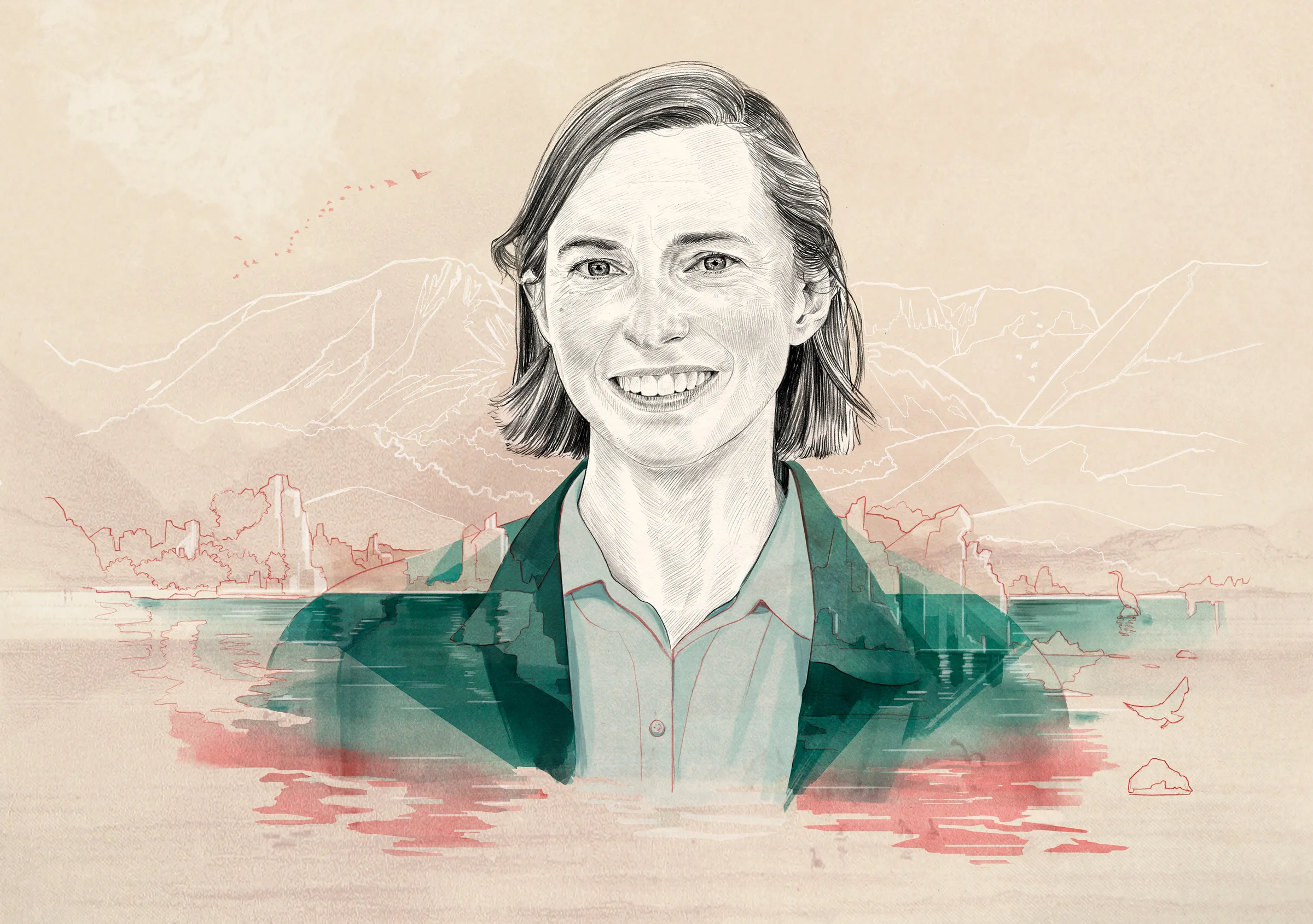
Caroline Tracey’s first encounter with a salt lake, California’s Salton Sea, was met with a startling crunch beneath her feet, revealing a grim landscape of dried fish skeletons. Yet, as she ventured closer to the water’s edge, a remarkable transformation unfolded: what initially appeared as desolate wasteland revealed itself as a vibrant haven for an array of avian life, including bustling sandpipers, plovers, and elegant snowy egrets. This initial immersion marked a profound realization for Tracey, as she explains in her new book, Salt Lakes: An Unnatural History: "This was the first of salt lakes’ many lessons for me: places that seem ugly or desolate are vital and complex in ways that you don’t notice until you give them a chance."
Tracey’s debut work, published on March 17th, serves as a passionate exploration and celebration of these unique and often overlooked ecosystems. With a background as a geographer and a contributor to High Country News, Tracey discovered that dozens of salt lakes exist across the globe, shimmering bodies of water nestled in remote desert valleys, often vibrant with pinkish algae and teeming with salt-tolerant crustaceans. However, these fragile environments face an existential threat from agricultural water diversion and the escalating impacts of climate change, leading to widespread desiccation with devastating consequences for biodiversity and human well-being.
Her extensive research took Tracey across diverse landscapes, from the expansive Great Basin in the United States to the arid expanses of Kazakhstan, Mexico, and Argentina. In her book, she meticulously documents both the alarming retreat of these vital water bodies and the dedicated communities striving to protect them. Salt Lakes is also a deeply personal narrative, weaving Tracey’s investigative reporting with her own journey of self-discovery, charting her path toward queerness and her evolving understanding of her desires and values through her engagement with literature and the natural world. The book is characterized by its personal depth, pragmatic approach, and a cautious optimism, offering a thoughtful reflection on navigating a planet undergoing rapid and profound transformations.
In a recent conversation, Tracey elaborated on the critical challenges confronting salt lakes, the innovative solutions emerging for their preservation, and how the principles of queerness can inform our approach to confronting the losses wrought by climate change.
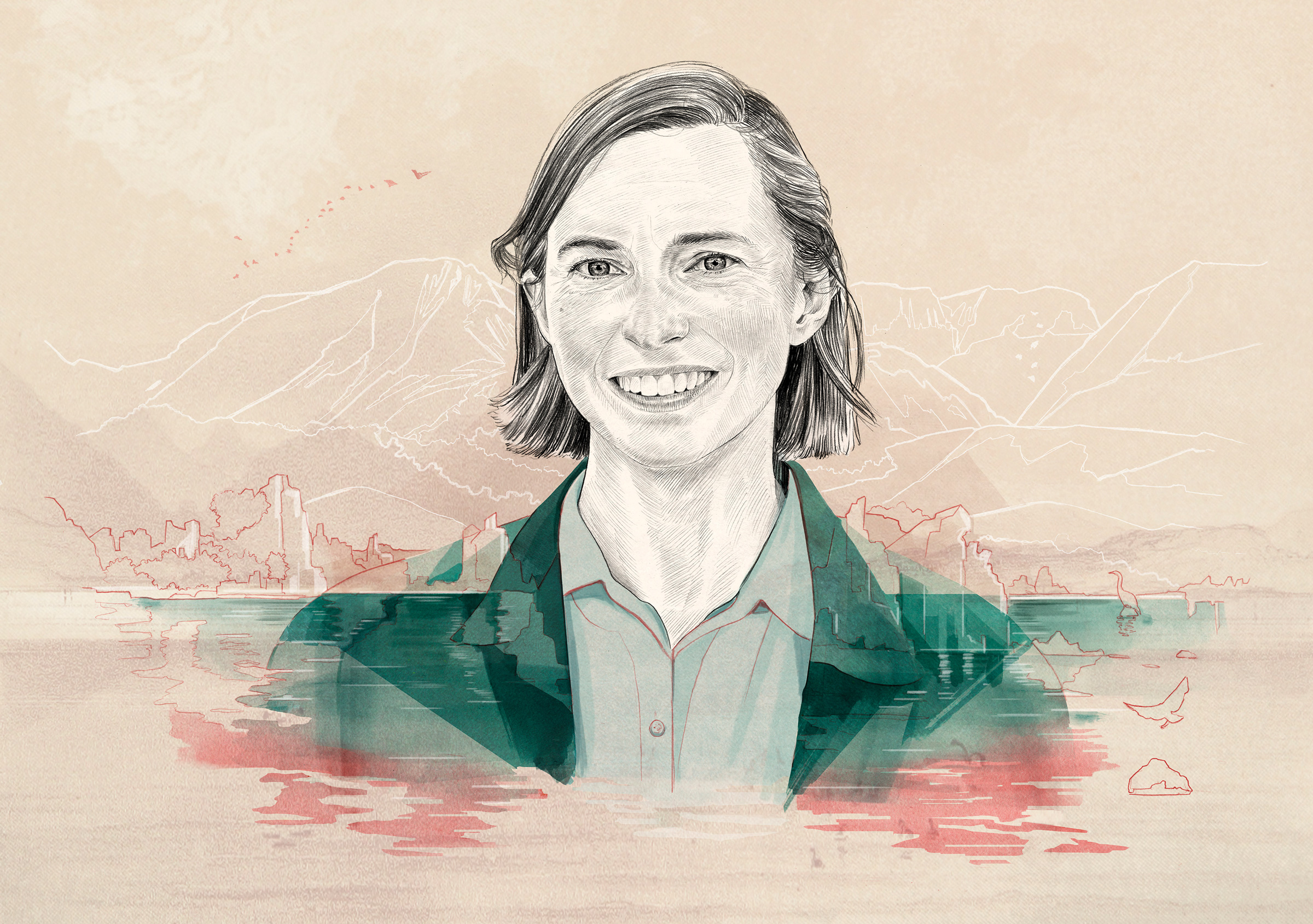
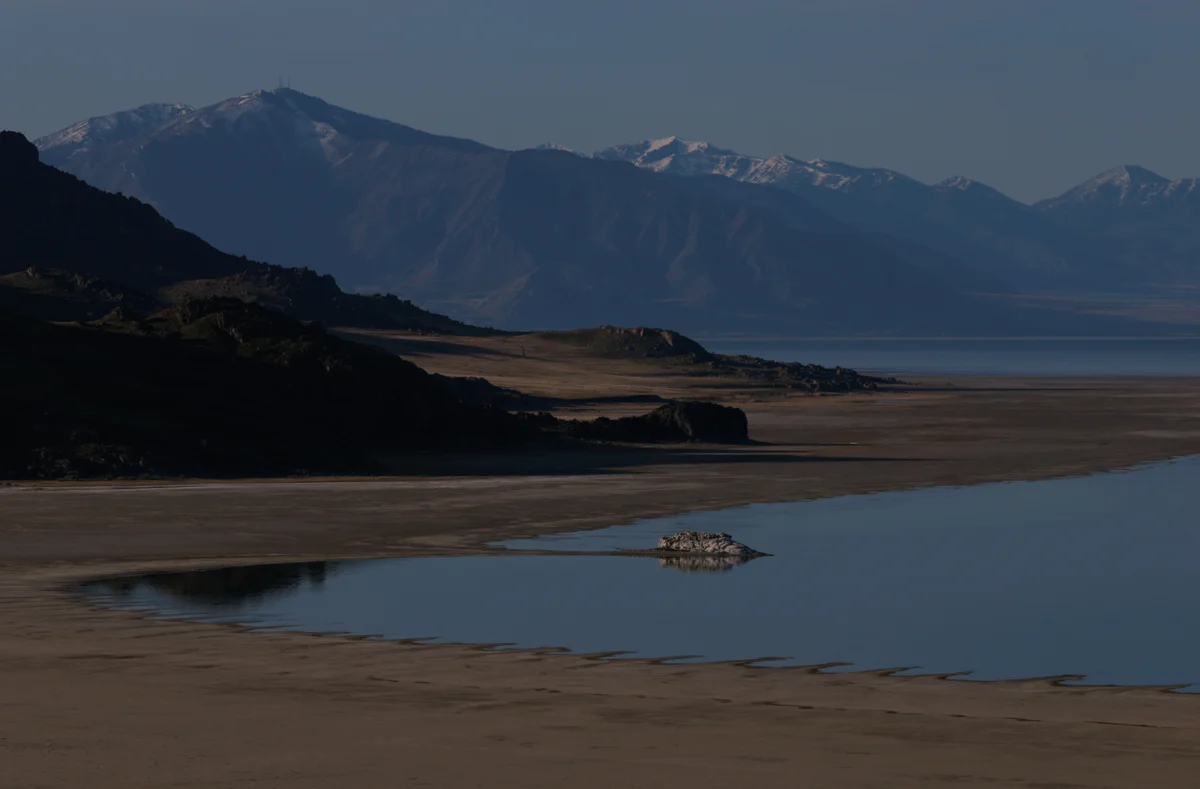
Tracey’s fascination with salt lakes, a subject she has dedicated a decade to exploring, stems from their striking visual presence and the complex histories intertwined with their existence. "I was driving around the Great Basin and I saw these lakes, and they’re very striking," she recalls. "Because they have these minerals dissolved in the water, they actually reflect the sky better than fresh water." This inherent beauty, she explains, drew her in initially, but her research soon revealed a deeper narrative. "Once I started doing more research, I became really fascinated by the different histories of water diversion that had affected the lakes; you can’t really write about salt lakes without getting deeply into the history of the Bureau of Reclamation and irrigation in the American West." The emergence of activism dedicated to saving these lakes further fueled her optimism, a rare commodity for an environmental reporter.
Despite its focus on ecological degradation, Salt Lakes offers a surprisingly hopeful perspective, with Tracey asserting that the decline of these ecosystems presents a more solvable challenge compared to other environmental restoration efforts. Her optimism is rooted in the fundamental geology of salt lakes, which form in closed basins where water accumulation is crucial. Historically, the primary threat has been water diversion for agriculture, particularly for crops like alfalfa and cotton. "So, the simple idea is, if we reduce the amount of alfalfa that we are growing in the Southwest, much more water will reach the Great Salt Lake Basin," Tracey suggests. However, she acknowledges that climate change, with its attendant reduction in snowpack, has exacerbated the problem, creating a situation where less water is available overall.
Tracey highlights several promising initiatives aimed at safeguarding salt lakes. The Clean Air Act, for instance, plays a crucial role, as drying salt lakes release significant amounts of dust, leading to severe respiratory problems in surrounding communities, such as those near California’s Salton Sea. This legal framework is instrumental in holding accountable the entities responsible for the lakes’ desiccation. Furthermore, the Public Trust Doctrine, which posits that governments are stewards of the water bodies within their jurisdiction, is gaining traction. Tracey cites a successful lawsuit in California where residents argued that the state must uphold this doctrine and protect its salt lakes, underscoring the powerful idea of a collective societal value placed on the state’s environmental responsibilities.
The book also draws inspiration from a successful LandBack case involving the Zuni Salt Lake in New Mexico, a victory that holds significance not only for salt lakes but for various land and water rights movements across the country. Tracey also points to the involvement of scholars of Mormon scripture in the fight to save the Great Salt Lake, noting how integrating religious concepts of the sacred can foster a deeper connection to place, extending beyond purely aesthetic or environmental justifications.
The narrative of Salt Lakes deliberately intertwines the ecological struggles of these water bodies with Tracey’s personal journey of coming into queer adulthood in the American West. She explains that this connection was not entirely unanticipated. "I always had a sense that I wanted to have the book involve a degree of coming of age and critical thinking about womanhood," she states. As she delved deeper into her research, she discovered a surprising congruence between salt lake ecology and queer theory. "Salt lakes are just hotbeds of queer ecology," she observes, citing the brine shrimp’s multiple reproductive strategies and the phalaropes’ reversed mating cycle, where females are more dominant and males undertake incubation duties.

This ecological observation leads to a broader philosophical point: "Ecology teaches that biodiversity is a good thing, right? That we want as much complexity in the landscape as we can have," Tracey asserts. "And I think that’s also the lesson of queer theory: that diverse ways of living are a good thing, and we want as much diversity and complexity in our society as we can have."
Tracey’s experience of queerness has profoundly reshaped her perspective on climate change, loss, and the potential for recovery. "I think queerness and being a writer are very compatible, because both put you at a slight distance from society, in this kind of observer role," she reflects. This vantage point allows for a critical examination of societal norms and consumption patterns. "And so the benefit of queerness for thinking about the environment is [understanding] there are actually many other ways of life that are possible. We don’t need to consume at the rate that we’ve been consuming, that our parents have consumed."
A significant intervention from queer ecology, Tracey notes, challenges the traditional conservation focus on pristine landscapes. "Queer ecology has an intervention, which is to say that highly altered landscapes also have a lot of value in terms of biodiversity and ecology." She distinguishes between perennial salt lakes, which exist year-round, and ephemeral lakes, which often appear as salt flats but can fill with water during significant rain events or snowmelt. "One of the most powerful experiences for me in writing the book was shifting away from thinking about the efforts to save these perennial lakes and thinking: What can the concept of the ephemeral teach us, especially in a moment of climate change?" she muses. "As we’re facing this very likely possibility that a lot of these permanent lakes become ephemeral lakes, what does it mean to embrace and live with the ephemeral?" This contemplation offers a new lens through which to approach environmental change, embracing fluidity and adaptation in the face of inevitable transformations.