Joko Susilo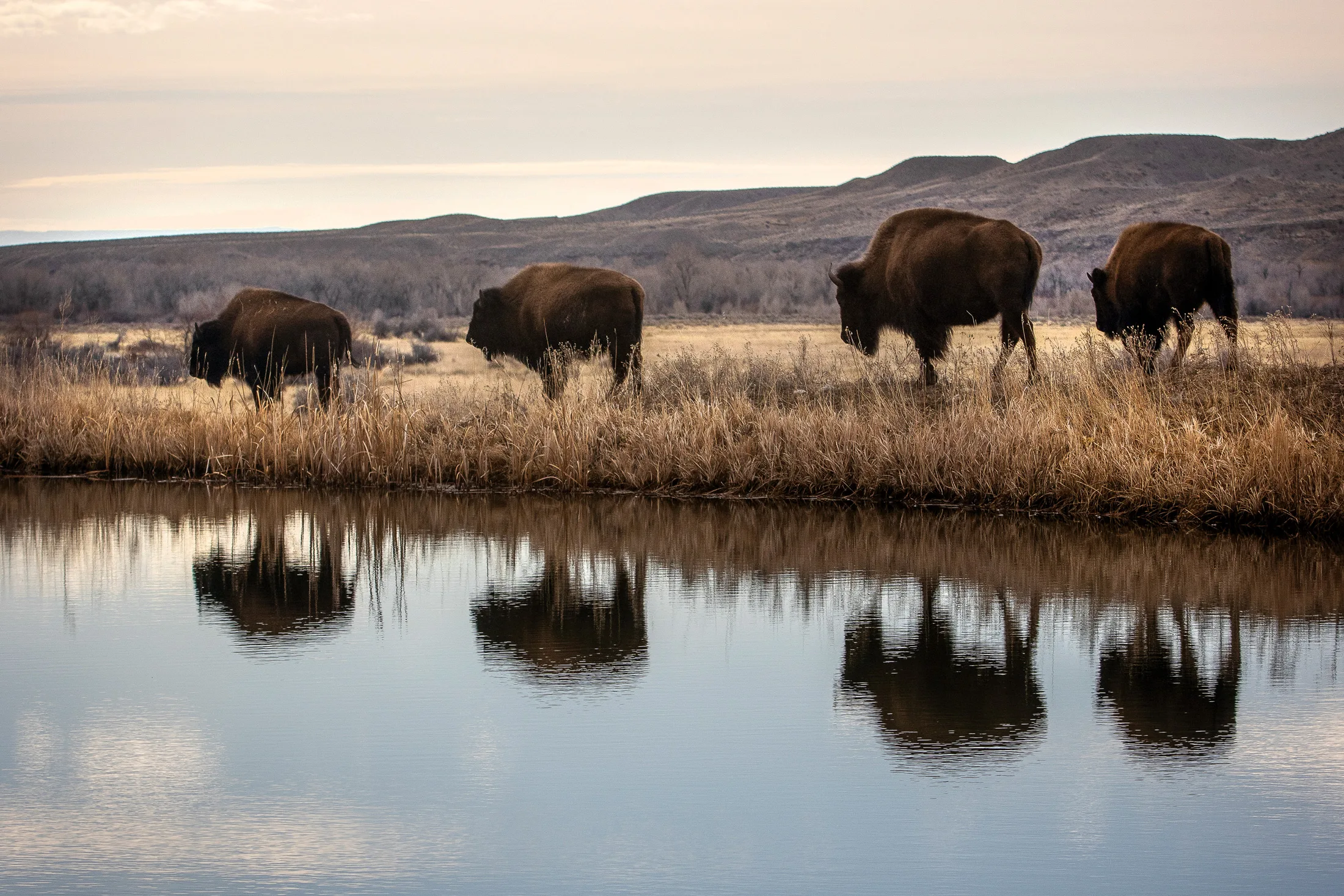
A dense tangle of fallen timber, the result of neglected trail maintenance, obscured a critical intersection deep within Wyoming’s Bridger-Teton National Forest, a scene indicative of a deepening crisis affecting America’s vast public lands. Our group, a seasoned mix of adults, children, llamas, and dogs, found our annual mid-August llama packing trip into this 1.3-million-acre wilderness transformed from an anticipated adventure into a grueling test of endurance, requiring us to hack through successive logjams under the relentless summer sun. The unprecedented condition of the trail, even for those with decades of experience in Wyoming’s mountains, starkly underscored the widespread repercussions of recent, drastic federal staffing reductions.

These challenging conditions, far from an isolated incident, directly link to the "Department of Government Efficiency" (DOGE), an initiative launched in January 2025 under the administration of President Donald Trump, with Elon Musk controversially appointed to lead its efforts. This program, ostensibly designed to streamline federal operations, has instead triggered a sweeping overhaul of environmental agencies, resulting in the haphazard dismissal or forced resignation of at least 5,860 Forest Service employees by the summer of 2025, according to a report by the USDA Office of Inspector General. This dramatic downsizing has left critical public land management functions severely understaffed, threatening the ecological integrity and recreational accessibility of some of the nation’s most treasured natural landscapes.

The onset of these cuts, often referred to by federal employees as the "Valentine’s Day Massacre," began on February 14, 2025, when thousands of probationary staff across agencies like the Forest Service, Fish and Wildlife Service (FWS), and Bureau of Land Management (BLM) received immediate termination notices. By the end of September, the Forest Service had lost 16% of its workforce, while the National Park Service (NPS) saw a 24% reduction in permanent staff, even in flagship parks such as Grand Teton. The BLM experienced the most severe impact, shedding over 32% of its personnel. This wave of departures, a mix of firings and buyouts, signaled a strategic shift by the administration, deprioritizing scientific research and conservation in favor of resource extraction and logging.

The consequences for ecological research in the Greater Yellowstone Ecosystem (GYE) have been immediate and profound. Scott Jackson, leader of the Forest Service’s National Carnivore Program, witnessed the demise of his decade-long meso-carnivore monitoring project by fall 2025. This vital research, tracking elusive species like lynx, wolverines, and fishers to understand their responses to climate and forest changes, saw its equipment—from refurbished snowmobiles to DNA kits—liquidated, and its dedicated staff, including the project leader, released. Jackson, a veteran of 40 years, retired earlier than planned, citing the frustration and uncertainty, lamenting the potential loss of critical data that could take immense resources to restart. Similarly, the U.S. Geological Survey’s Cooperative Fish and Wildlife Unit at the University of Wyoming, a network of 44 university-housed units across the nation lauded for its bipartisan support, faced severe funding freezes. Despite congressional appropriations, White House approval for spending beyond salaries became a bottleneck, halting critical fieldwork such as mule deer capture and migration monitoring, forcing researchers like Jerod Merkle to scramble for state and nonprofit funding to salvage projects.

New conservation initiatives also stalled. Niall Clancy’s efforts to establish a nongame fisheries program for Idaho’s Fish and Game Department, designed to protect native fish populations in the Yellowstone region’s drainages, were placed on indefinite hold due to delayed federal funding from the FWS. Clancy, like many others, faced a future clouded by uncertainty, reflecting a wider paralysis within conservation planning. Adding to the erosion of long-standing collaboration, the Forest Service canceled its crucial Lamar Valley gathering, a forum that for decades united biologists, tribal representatives, and policymakers to address complex issues from climate change to wildlife management across the Western U.S. This suspension, following a brief revival in 2024, eliminated a vital platform for interagency cooperation in the region.

On the ground, land management suffers visibly. An internal Forest Service memo, leaked in late 2025, revealed that trail maintenance miles in 2025 plunged 22% below average, reaching a 15-year low. Some ranger districts lost their entire trail crews, including the Bridger-Teton’s three-person team, which included Peggie dePasquale, a wilderness ranger with a master’s degree and extensive experience. Despite being transitioned to permanent status by the previous administration, dePasquale and thousands of other probationary federal employees became vulnerable to the 2025 cuts under Trump’s Executive Order 14210, which imposed a hiring freeze of "one employee for every four that depart." The resulting neglect extends beyond trails to overflowing toilets and increased instances of recreationists disregarding fire bans and other regulations, reflecting a perceived vacuum of authority. Grand Teton National Park Superintendent Chip Jenkins noted a 25% vacancy rate in permanent staff, anticipating long-term impacts on emergency response systems, infrastructure maintenance, and overall operational efficiency, even with a full seasonal staff. The historical interagency coordination facilitated by the Greater Yellowstone Coordinating Committee, crucial for managing invasive species and wildlife health, also faces existential threats as staffing turnover and reduced capacity diminish the energy available for such collaborative efforts.

The current crisis, however, is not entirely new. Federal land management agencies have faced systematic defunding and staffing shortages for decades. National wildlife refuges, for instance, operated with one-third fewer staff in 2025 than in 2010. Peggie dePasquale, now the national forest wildlands director for the Wyoming Wilderness Association, emphasized that agencies were "bare bones" even before the 2025 terminations, framing the current situation as an acceleration of a long-term trend of eroding support for public lands.

For the Eastern Shoshone and Northern Arapaho tribes on the Wind River Reservation, the administration’s actions resonate with a painful history of broken promises. Wes Martel, a senior conservation associate for the Greater Yellowstone Coalition and an enrolled Shoshone member, highlights the reservation’s immense ecological value as crucial habitat for species migrating in and out of Yellowstone and Grand Teton. He contrasts this with the federal government’s consistent disregard for tribal sovereignty, citing the 1863 treaty that reserved 44 million acres for the Shoshone, only to be systematically diminished through land grabs for mining and homesteading. Modern injustices persist, from the Diversion Dam, built with tribal funds but diverting water to non-Native irrigators, to legislative attempts by Wyoming Senators John Barrasso and Harriet Hageman to transfer the Pilot Butte Power Plant on tribal land to a non-Native irrigation district without tribal consultation. Even the two-person FWS office in Lander, vital for tribal wildlife management, faced repeated attempts at closure, though the tribes successfully fought to keep it open. Richard Baldes, an Eastern Shoshone tribal member and FWS biologist, describes the dire state of the Bull Lake burbot fishery, a traditional food source, decimated by water diversions for irrigation, with no federal agency willing to advocate for it. In response, tribes are bolstering their own resilience, expanding the Eastern Shoshone buffalo herd and holding workshops on tribal resource management, governance, and sovereignty, transforming historical injustices into a powerful, positive fight for self-determination.

Private land conservation, essential for the GYE’s ecological connectivity, also feels the sting of federal cutbacks. With private lands comprising roughly 30% of the ecosystem and acting as vital corridors for migratory species, their protection is paramount. However, soaring land values make conservation easements increasingly expensive. Federal programs, such as the USDA’s Migratory Big Game Initiative and the Grasslands Conservation Reserve Program, which offered financial assistance to landowners for conservation efforts, have been severely curtailed. Montana alone saw $75 million in federal conservation easement grants canceled in 2025, a significant portion of which would have supported GYE conservation. Furthermore, payments for the Grasslands Conservation Reserve Program were slashed from approximately $13 per acre to as little as $1 in many counties, rendering the program ineffective as an incentive for landowners like Jim Hellyer to prioritize conservation. Ranchers like Hellyer and Jim Magagna of the Wyoming Stock Growers Association report increased bureaucratic frustration and profound uncertainty, undermining years of collaborative efforts. This policy shift flies in the face of strong bipartisan public support for private land conservation, as evidenced by a 2025 Colorado College poll showing over 90% favorability.

Despite the current challenges, a glimmer of resilience emerges from the public’s unwavering support for conservation. Bob Keiter, a University of Utah law professor, notes that congressional proposals to sell public lands failed due to bipartisan public pushback. The 2025 Conservation in the West poll revealed that 86% of Western voters, including 75% of MAGA supporters, worry about cuts to public land agencies, and a record 76% desire more emphasis on conservation and recreation over energy production. These figures suggest a potential turning point, an opportunity for "reconstruction," as Jacob Malcom, former director of the Interior Department’s Office of Policy Analysis, envisions. This widespread public sentiment, coupled with tribal communities forging their own solutions and dedicated volunteers stepping up, may transform the current distress signals into a powerful movement for rebuilding and strengthening America’s public lands. However, the lingering concern remains that without adequate federal stewardship and funding, problems may go unnoticed, and irreplaceable natural heritage could be lost before the public fully comprehends its disappearance.