Rocky Gerung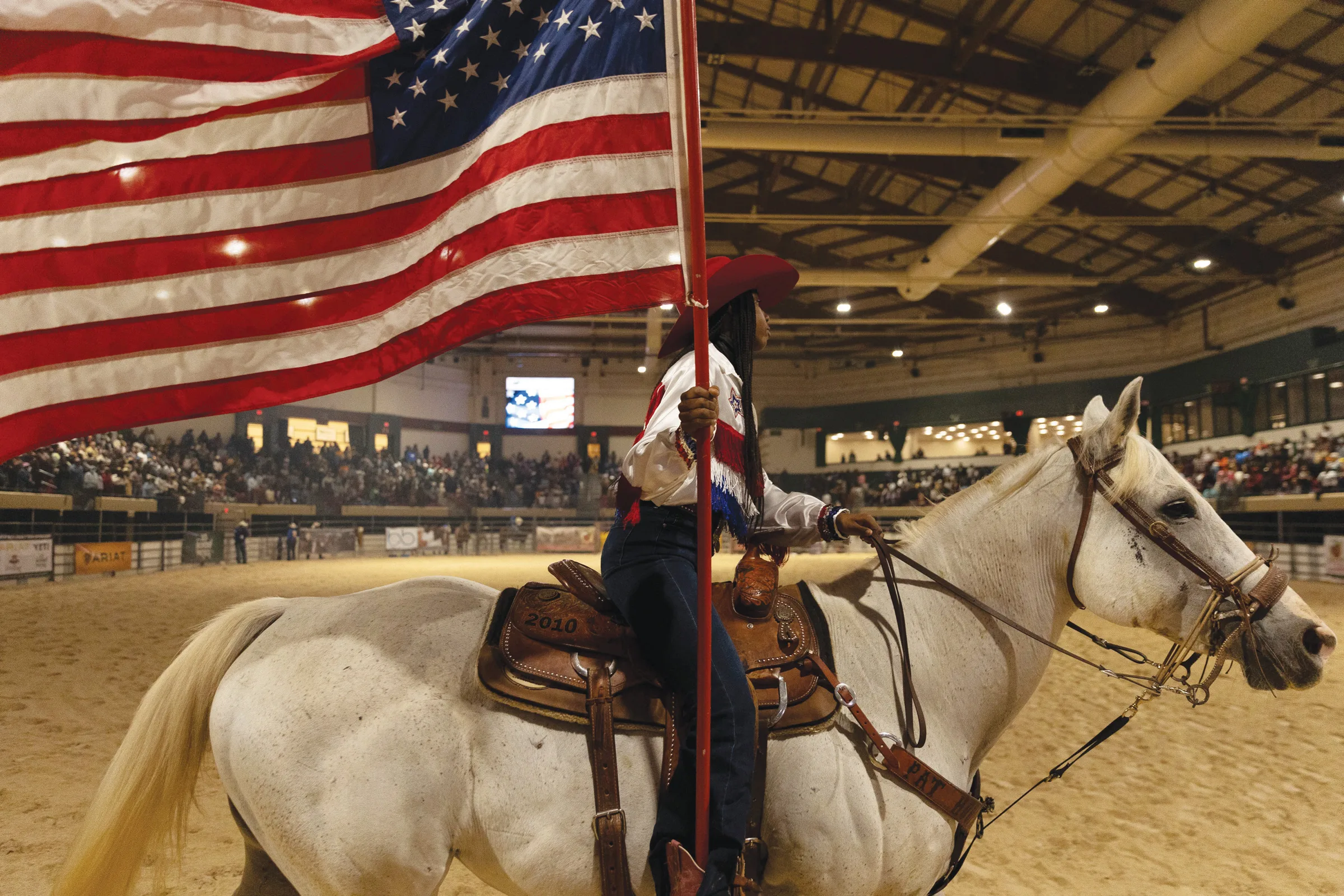
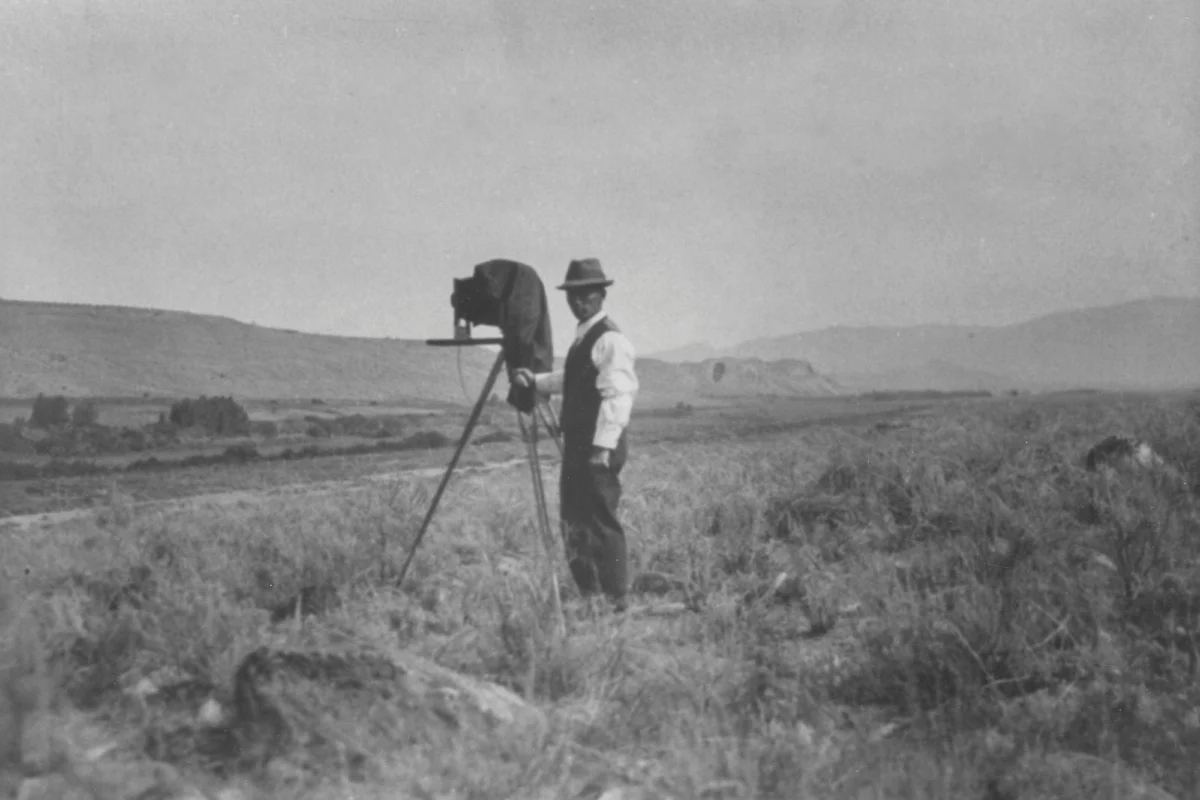
The recent docuseries "High Horse: The Black Cowboy" resonates deeply, offering a powerful counter-narrative to the often-simplified portrayal of the American West. This three-part series, executive produced by Jordan Peele’s Monkeypaw Productions and directed by Jason Perez, a filmmaker mentored by Spike Lee, masterfully weaves together compelling archival footage and photographs with contemporary scenes of Black cowboy life. By exploring film, music, and marketing history, "High Horse" reveals how the widely accepted story of the West has frequently glossed over the authentic experiences and contributions of Black individuals. The series underscores a persistent issue: the nation’s tendency to express surprise at the presence of Black cowboys, rather than acknowledging their long-standing and integral role in shaping the West.
"High Horse" refrains from relegating Black cowboys to a marginal footnote in history; instead, it meticulously traces a direct lineage from the skilled labor of formerly enslaved people who managed horses and cattle, to the dominance of Black jockeys in early horse racing, and onward to today’s riders, ranchers, and entrepreneurs. The series succeeds in keeping history alive and relevant without resorting to a didactic lecture, presenting a nuanced and engaging exploration of this vital heritage.
A significant strength of the docuseries lies in its deliberate focus on the tangible realities of horsemanship—the rider’s posture, the subtle movements of their hands, and the immense dedication required through countless hours of practice. Those with equestrian experience will recognize this authenticity immediately, understanding that a horse, a creature of immense power and sensitivity, responds not to embellished stories but to consistent, fair, and clear communication. This inherent honesty in the human-equine relationship highlights how often the romanticized aesthetic of the cowboy is celebrated, while the profound skill and hard work integral to the craft are overlooked.
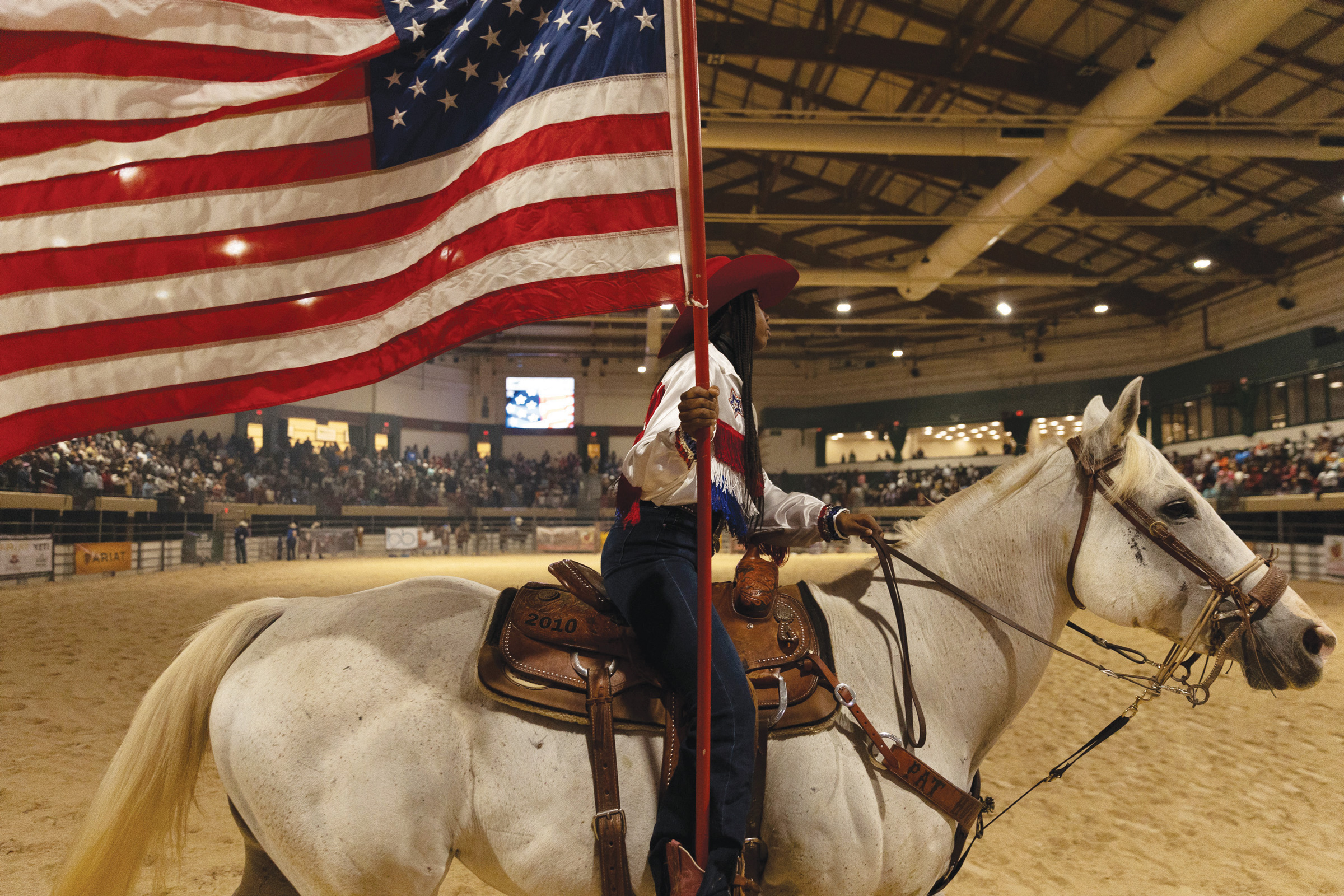
Throughout "High Horse," the camera frequently captures Black riders in moments of quiet contemplation, seated with a natural poise against backdrops ranging from expansive open landscapes to urban peripheries marked by the same historical currents. These seemingly simple, almost understated images carry a profound weight. For Black Americans, land represents far more than just scenery; it embodies inheritance and loss, the echoes of promises made and broken, and the fundamental distinction between being a transient visitor and a committed steward.
This intricate connection between Black identity and the land holds personal significance. The author’s own father, a rancher from childhood in Texas who later managed land and livestock in California, inspired the creation of Outdoor Afro in 2009. Initially launched as a blog and a tribute to his legacy, Outdoor Afro evolved into a national organization dedicated to reconnecting Black communities with the outdoors. This initiative aims to correct historical misrepresentations and foster a sense of belonging, enabling thousands of Black families to engage with nature annually, not as a fleeting trend, but as a profound reunion with their heritage.
Now, in midlife, a renewed engagement with horsemanship has brought a surprising depth of seriousness to the author’s life. The practice of riding has cultivated greater patience and honesty, while also fostering a more multidimensional perspective on land stewardship and a deepened commitment to protecting the nation’s public lands and wild spaces. The abstract ideals of slogans lose their currency when one is holding a lead rope, fully concentrated on the immediate needs of another living being for safety and clarity.
"High Horse" astutely recognizes that the narrative of Black cowboys is inextricably linked to the history of Black land ownership and access. It moves beyond the mere romance of wide-open spaces to confront the complex realities of acreage, land rights, property taxes, and the power dynamics that dictate who can remain connected to the land. While not delving into exhaustive policy details, the series bravely addresses a truth often sidestepped by many in the West: the freedom promised by the region was never equitably distributed, and violence, both legal and extralegal, has been an inherent part of its geographical and social landscape.

Despite its serious historical and social commentary, "High Horse" is fundamentally a celebration of freedom. The series showcases young riders in training and competition, elders imparting generational wisdom, vibrant family traditions, and communities gathering around horses with the same warmth and camaraderie found at church potlucks or family reunions. In a landscape where Black history is too often presented solely through the lens of trauma, this docuseries offers a refreshing alternative, highlighting excellence, skilled craftsmanship, humor, pride, discipline, and, crucially, joy.
While the series is lauded for its impact, a perceived limitation lies in its scope. Three episodes, while effective in raising a significant banner, cannot encompass every nuance of this rich history. The desire for more extended focus on Black women riders, a deeper exploration of the day-to-day economics of horse ownership, and a more thorough acknowledgment of the interwoven Black and Indigenous histories on Western lands is understandable.
Furthermore, there is a sentiment that the series could have placed greater trust in the voices of its working riders. While well-known celebrities and scholars provide valuable reach and context, their commentary occasionally risks overshadowing the authentic experiences of Black cowboys and ranchers whose multi-generational stories of working the land and their horses possess inherent power and merit, capable of standing independently without extensive interpretation.
Perhaps the most significant achievement of "High Horse" is its resolute refusal to frame the Black cowboy as an anomaly. It compels viewers to broaden their understanding of what "Western" truly signifies, moving beyond the confines of conventional Hollywood portrayals. For anyone with an appreciation for the American West, this re-evaluation arrives at a critically important moment.

The author’s initial encounter with their new mare, a mustang named True Haven, from the Twin Peaks Herd Management Area along the California-Nevada border, mirrors the series’ core message. The mare’s quiet observation, her patient waiting, and her unspoken questions about the rider’s intentions evoke a profound sense of shared inquiry. Just as a horse responds to clarity, consistency, and care, so too should society engage with its history. To foster an honest West with a robust future, a complete and unvarnished historical narrative must be told, and the land that underpins it must be diligently protected.
"High Horse: The Black Cowboy" is not intended to be, nor should it be, the definitive final word on the subject. However, it represents a crucial and powerful stride toward a vision of the West where Black riders are recognized not as visitors, but as foundational elements of the region’s past, present, and its vital conservation future.