Joko Susilo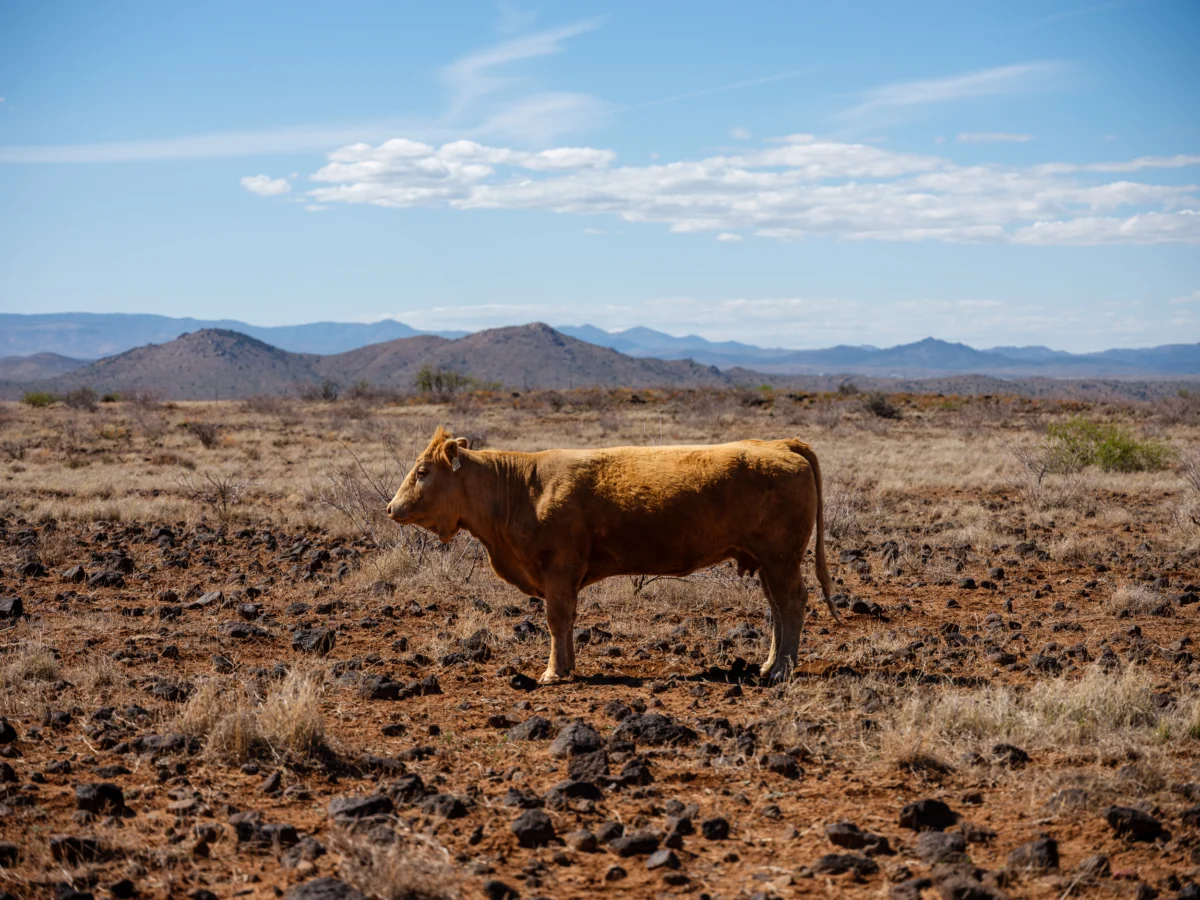
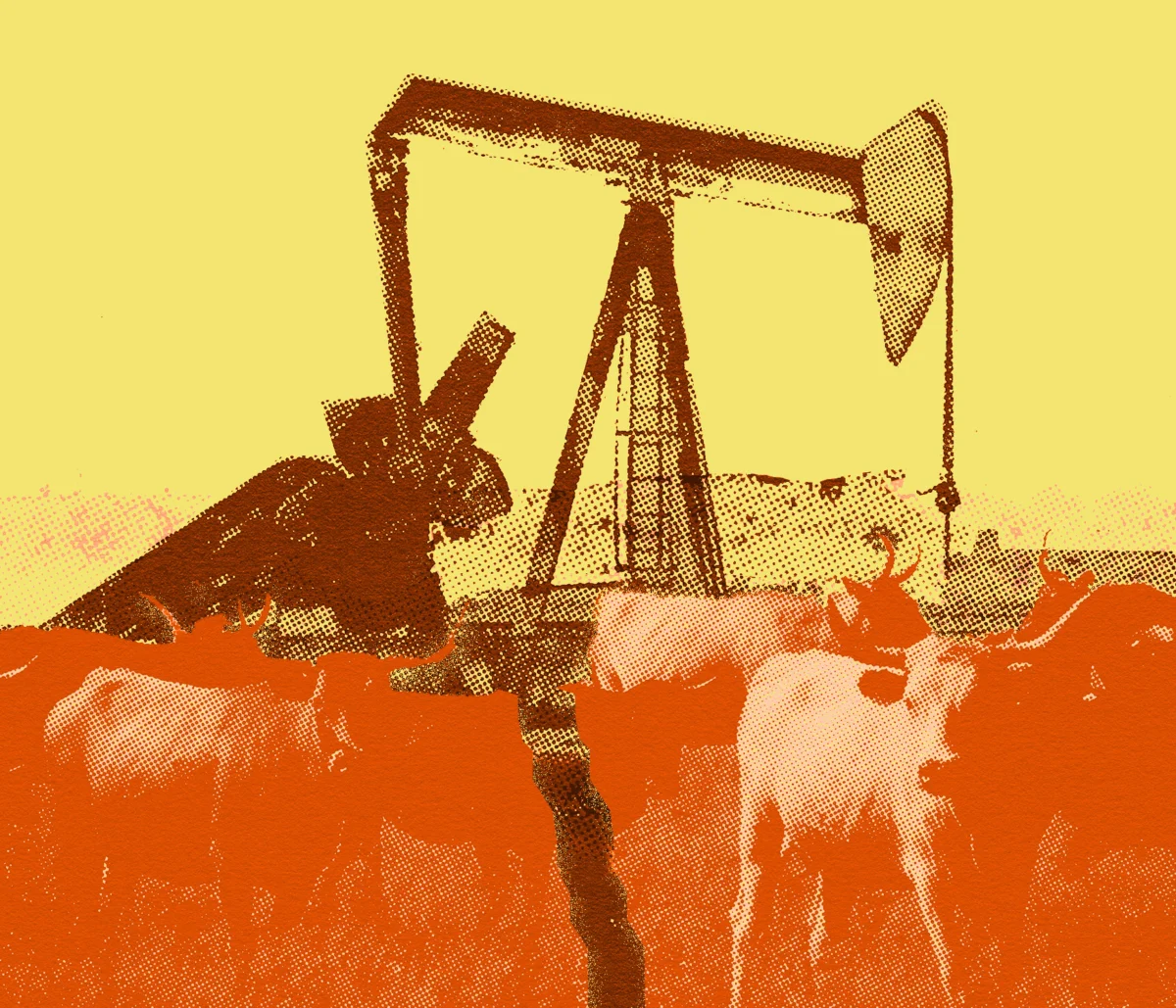
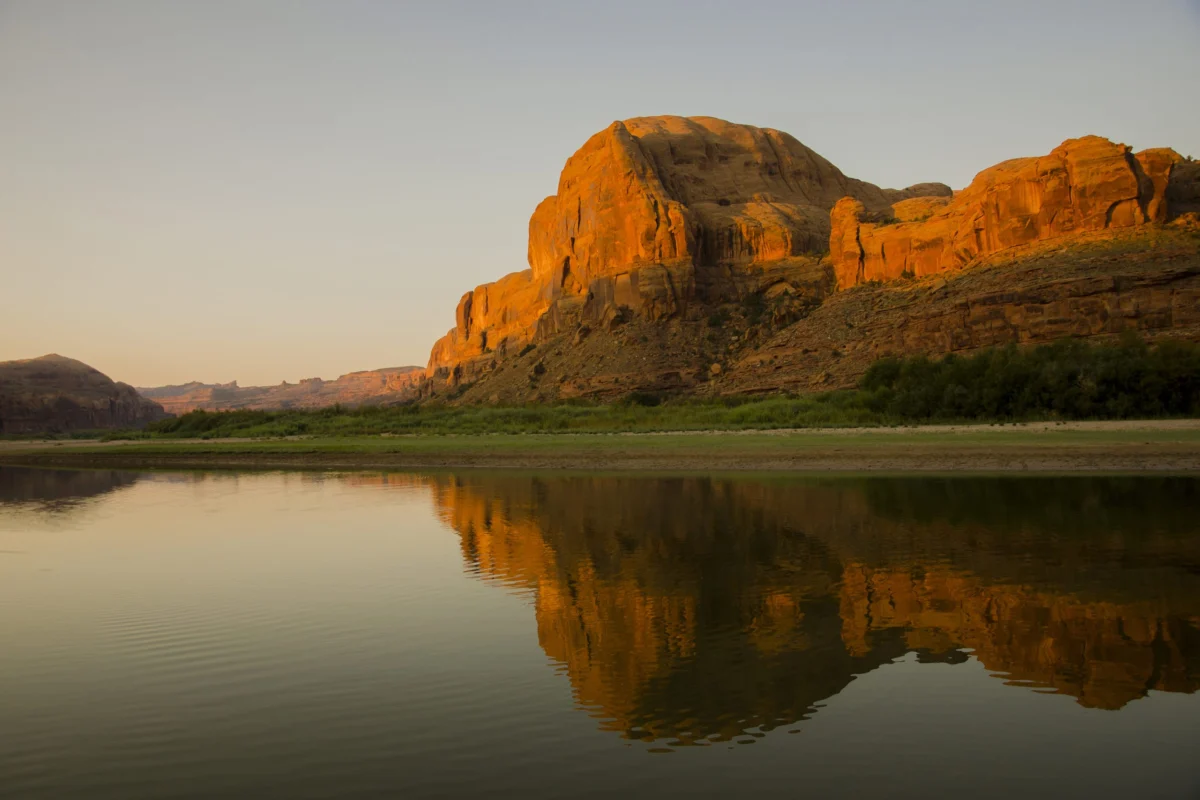
The United States federal government is poised to implement a monumental shift in its management of public lands, revising century-old regulations to significantly increase the number of cattle, sheep, and other livestock grazing across 155 million acres of the American West—an expanse equivalent to more than twice the size of New Mexico. This proposed overhaul, spearheaded by the U.S. Department of the Interior’s Bureau of Land Management (BLM), marks the first comprehensive update to grazing rules since 1995 and has ignited a fierce debate among ranchers, conservationists, Native American tribes, and even within the ranks of the federal agency itself. The existing public lands grazing system has long been criticized for heavily subsidizing some of the nation’s wealthiest ranching operations while simultaneously contributing to widespread environmental degradation, a pattern thoroughly documented by investigative reports.

Despite mounting scientific consensus from rangeland management experts who warn that decades of overgrazing have severely degraded Western ecosystems, the new rules are designed to expand the practice rather than curtail it. Critics argue that this direction stands in stark contrast to the ecological realities faced by arid and semi-arid landscapes, which are increasingly vulnerable to the impacts of climate change, drought, and intensified land use. Beyond merely expanding livestock numbers, the proposed regulations would also drastically curtail public participation in the BLM’s decision-making processes regarding grazing permits on federal lands. The agency’s updates seek to strictly define and limit who can voice concerns or object to decisions, effectively eliminating many established avenues for public observation and comment that have historically served as a crucial check on agency power. One BLM employee, speaking anonymously due to their continued employment, candidly stated, "They’re clearly trying to reduce involvement of anyone other than ranchers."
The proposed regulations, publicly released in May, entered a period of public comment before returning to the agency for further review in mid-July. While the BLM did not respond to direct inquiries about the specifics of the new rules, a June news release from the agency asserted that the action "reflects the Trump administration’s priority to reduce unnecessary regulatory burdens, promote productive working lands and strengthen local economies." This statement underscores a philosophical divergence in public land management, prioritizing economic output and reduced oversight for the ranching industry, a sector deeply embedded in the cultural and economic fabric of the American West but one that also relies heavily on taxpayer subsidies. Reports have indicated that in 2024 alone, the federal government charged ranchers an estimated $284 million below market rate for the use of these vast public resources, raising questions about the true economic benefit versus the environmental cost.

Interviews with current and former BLM employees reveal a complex picture of the proposed changes. While some staff acknowledge several concrete benefits, such as a new requirement for the agency to study the ecological impacts of all public land uses—from timber harvesting and recreation to mining and oil drilling—the primary concern remains the expansion of grazing. Historically, such reviews, when applied to the livestock industry, have uncovered tens of millions of acres damaged by overgrazing, leading many to question the efficacy of broader reviews if the underlying policy encourages increased livestock numbers. Other positive aspects noted include provisions to handle low-level grazing violations more informally, potentially avoiding protracted legal battles, and updates to reconcile code sections with recent court decisions and laws. Furthermore, the rules aim to offer the agency and ranchers greater flexibility in range management, theoretically allowing for quicker responses to local ecosystem needs.
However, these perceived benefits are largely overshadowed by deep concerns from environmental groups and Native American tribes. Tim Canterbury, president of the Public Lands Council, a prominent ranching trade group, hailed the update as "a massive step forward," arguing that existing regulations stemmed from an "anti-ranching" movement of the early 1990s and hindered the industry’s adoption of modern scientific and management advances. Conversely, conservation groups contend the regulations swing too far in the opposite direction, favoring ranchers at the expense of ecological health. Josh Osher, public policy director of the Western Watersheds Project, a leading conservation organization, warned of significant environmental repercussions, stating, "We can expect considerably more places where cows and sheep are going to be and more damage. I think we see big impacts on wildlife," including critical habitats for threatened and endangered species across the Southwest, from degraded riparian areas to parched rangelands.

The influence of the livestock industry in shaping these regulatory changes has been substantial and transparent. Both the National Cattlemen’s Beef Association and the Public Lands Council publicly celebrated meetings with the secretaries of the Interior and Agriculture departments earlier in the year. These discussions led to a memorandum of understanding allowing the trade groups to provide direct guidance to the departments, specifically on a "Grazing Action Plan" that included updating regulations. In stark contrast, representatives of Native American tribes and conservation groups reported being denied any opportunity to provide input on the draft regulations before their public release, highlighting a significant imbalance in access and influence.
Adding to the controversy is the prominent role of Karen Budd-Falen, a high-ranking official within the Interior Department. A long-time advocate for grazing interests with a family history in ranching, Budd-Falen previously served in the first Trump administration and was initially barred from discussing grazing policy due to potential conflicts of interest. Upon rejoining the department, she received an ethics waiver that permitted her to work on these very policies. In a December discussion with Republican Sen. Cynthia Lummis of Wyoming, Budd-Falen openly expressed her excitement for the impending regulations, revealing a clear ideological directive. She explicitly stated her intention to undo the "Bruce Babbitt’s regulations"—referring to President Bill Clinton’s Interior secretary—and to return to the policies of the "Ronald Reagan years," a period often characterized by less restrictive environmental oversight and a stronger emphasis on commodity production from public lands.

This historical rewind carries significant implications, particularly for Native American tribes striving to restore cultural practices and ecological balance through bison herds. Several rancher and stock grower associations in Montana, some of which were formerly represented by Budd-Falen, have actively opposed conservation efforts by groups like American Prairie, which utilize permits to graze bison for ecosystem revitalization. These ranching groups voice concerns over potential loss of subsidized leases and the risk of disease transmission to their cattle. The Trump administration has demonstrably sided with the ranchers in this dispute, first by revoking American Prairie’s permits and subsequently by redrafting grazing regulations to mandate that public lands livestock operations be "production-oriented." This mandate directly threatens permits for herds used for ecological restoration or cultural preservation, leading tribal leaders to fear losing control over their bison herds. OJ Semans Sr., a member of the Rosebud Sioux Tribe and executive director of the Coalition of Large Tribes, representing over 15 tribes, voiced deep concern, stating, "We’re really concerned about this. I’m just kind of confused about how badly it was written."
The proposed changes also systematically reduce avenues for public oversight, making it more challenging for environmental groups to challenge decisions that could harm fragile Western ecosystems. The agency plans to redefine "interested public," requiring individuals to prove a "cognizable" interest in the grazing in question. While the agency has not defined "cognizable," former BLM officials suggest this will establish a significantly higher barrier for who receives advance notice and can comment on agency decisions, effectively narrowing participation to those with direct business interests. Furthermore, the new regulations remove a crucial mandate for the BLM to include the public in "consultation, cooperation and coordination" processes when preparing actions like authorizing grazing, further limiting external input.

Mark Squillace, a law professor specializing in natural resources at the University of Colorado Law School, highlighted a particularly alarming provision: if a rancher appeals an unfavorable ruling, the decision is automatically paused, allowing the rancher to continue the very practices deemed harmful. "That effectively invites everyone to appeal to avoid the decision," Squillace warned, describing it as "a disaster" for effective rangeland management. The new rules additionally elevate the role of cattle as "firefighters," making it easier to place herds on public lands under the justification that they consume vegetation that could fuel wildfires. However, critics argue this approach often fails to address the underlying ecological issues and can exacerbate soil degradation in already fire-prone areas.
Nada Culver, who served as deputy director of the BLM during the Biden administration, emphasized that several provisions would hinder agency staff’s ability to direct ranchers to remove animals, thereby undermining efforts to combat overgrazing. Renewing grazing permits, she noted, would also become considerably easier under the new framework. "The most text in this regulatory proposal is devoted to explaining why the public no longer gets to participate in pretty much every step of the process," Culver observed, underscoring the shift towards reduced transparency and accountability. The Trump administration has also aggressively prioritized restocking vacant allotments—areas that might be empty due to lack of water, recovery from wildfire, or efforts to eradicate invasive species. Political appointees have instructed staff to identify every eligible vacant plot for more livestock. Budd-Falen confirmed this directive, stating that by the end of next year, "every single vacant allotment will be filled by a rancher," signaling a complete reversal of prior land management strategies. This comprehensive rewrite of federal grazing rules represents a profound reorientation of public land management, prioritizing commercial livestock interests over environmental protection and public participation, setting a controversial course for the future of the American West’s iconic landscapes and vital ecosystems.