Johny Prima
For generations, the Hopi people have carried prophecies within their culture, ancient warnings that the arrival of non-Indigenous nations would herald a seismic shift, causing the Earth to tremble and life itself to unravel. This profound concept found broader recognition in the 1982 film Koyaanisqatsi, a title derived from the Hopi word for "life out of balance," which starkly juxtaposes the relentless march of industrialization against the timeless, sacred sandstone landscapes of the American Southwest. Today, the harrowing realities of record-breaking heat domes, unprecedented drought, and vanishing snowpacks across the Western United States are seen by Hopi elders as undeniable manifestations of these age-old warnings, echoing a wisdom that has been steadfastly preserved through countless generations. The current ecological precarity, far from being an unforeseen disaster, aligns chillingly with a foresight deeply embedded in Indigenous worldviews.
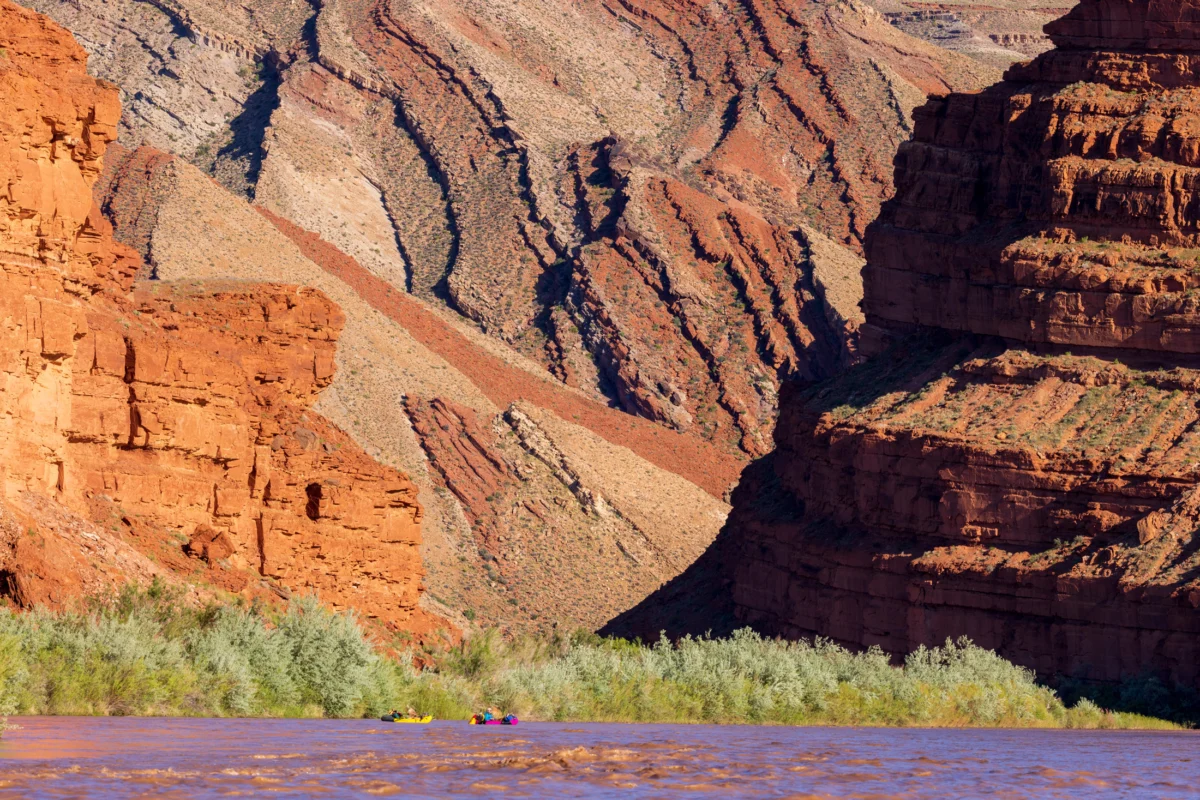
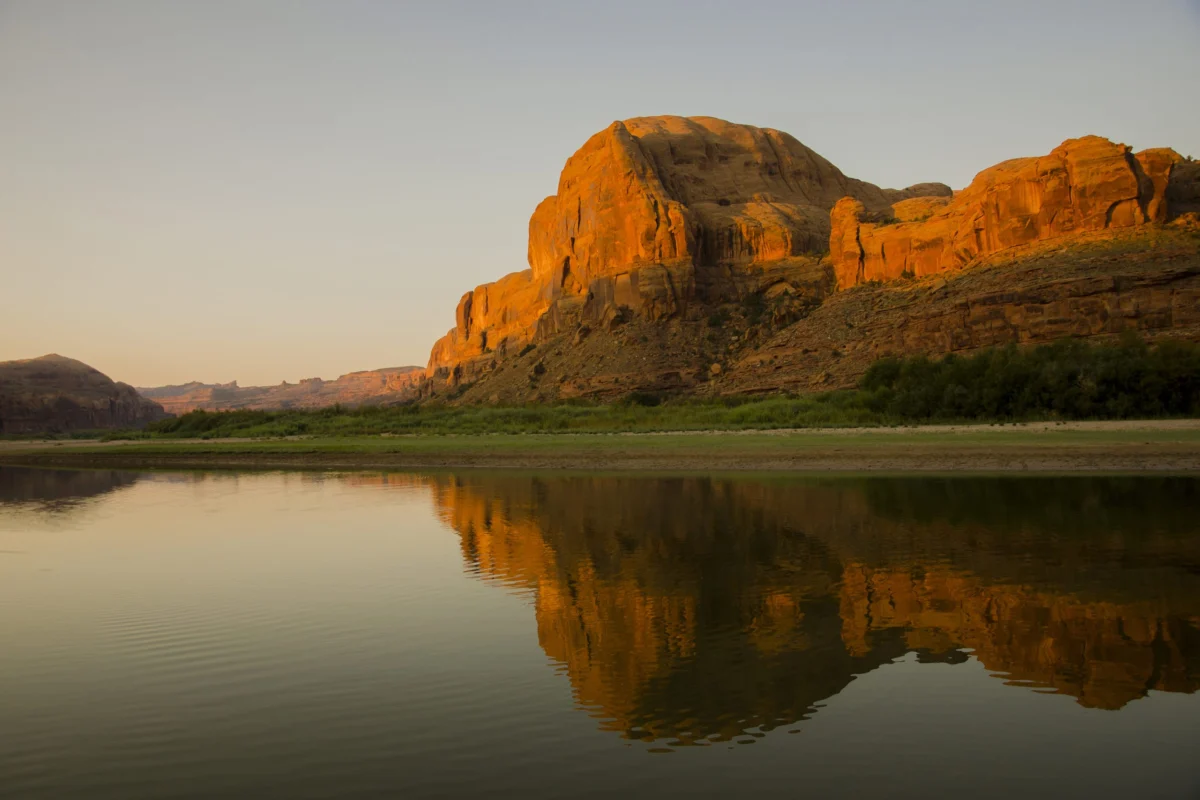
At the heart of this unfolding crisis lies Pisisvayu, known to the wider world as the Colorado River, a lifeline now tragically interrupted. Blocked by pahâ’uutsi, the Glen Canyon Dam, the river’s once vibrant flow now stagnates, forming Lake Powell. This vast reservoir, a testament to human engineering’s ambition, slowly bakes under an intensifying sun, its waters diminishing, suffocating sacred ancestral sites that re-emerge eerily from its receding shores, and siphoning away into sprawling development projects in burgeoning cities like St. George. The river, once destined for its historical journey to paatuwaqatsi, the Sea of Cortez in the Gulf of California, now terminates prematurely, a stark symbol of human intervention overriding natural order. Glen Canyon Dam is but one of three major dams in Arizona constructed to harness the Pisisvayu‘s power, embodying a colonial paradigm that views water as a resource to be controlled and commodified, rather than a sacred entity. This stands in stark contrast to the Hopi understanding, where water is treated with the reverence accorded to family, a covenant with the Creator to steward both land and water with utmost care.
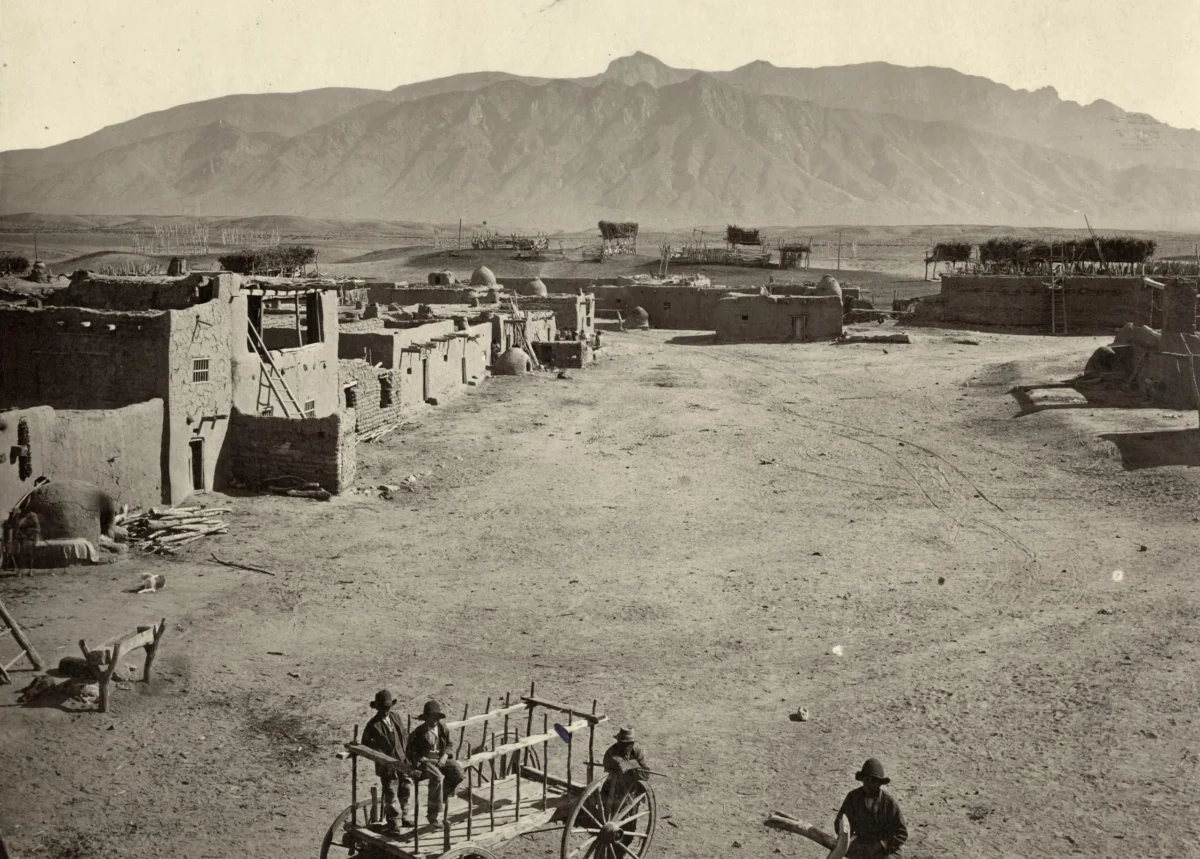
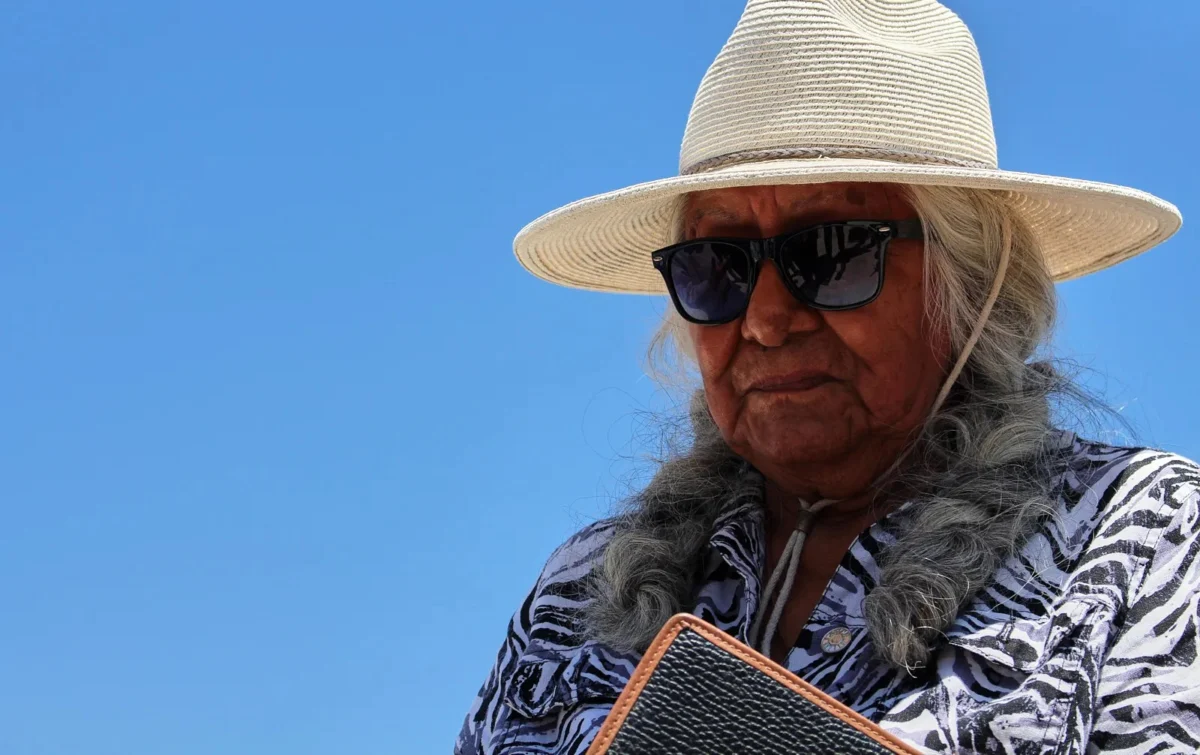
For millennia, the Hopi people endured the arduous task of hauling water to their mesa-top villages, undertaking long, steep journeys to bring this life-giving force for ceremonies and domestic use. Their survival in the arid northern Arizona landscape was predicated on an intimate understanding of their environment, pioneering sophisticated dry farming techniques that rely exclusively on the delicate cycles of rain and snowpack. An elder, whose family has cultivated food on their reservation lands—a small square carved out of their ancestral Hopitutskwa by the federal government—for over 60 years, exemplifies this enduring resilience. Beyond dry farming, many Hopi have maintained traditional ranching practices for decades, heating their homes with wood, demonstrating a profound, lived relationship with the land’s challenges. The choice to round up cattle on horseback, rather than with all-terrain vehicles, is not merely a preference but a conscious act of stewardship, mitigating severe damage to the fragile land and its vital vegetation. Even when physical injuries, some sustained while serving in the military, prevent riding, the commitment to walking the land to tend to livestock underscores a personal and communal dedication to the Creator’s bestowal of guardianship.

Over generations, the Hopi have borne witness to colossal transformations impacting animals, people, landscapes, and food systems. They have watched in dismay as precious water, diverted through colossal infrastructure projects like the Central Arizona Project, leaves their lands for the ostentatious luxury of distant golf courses and swimming pools. On Hopi lands, such amenities are nonexistent, prompting a fundamental question about the distinction between genuine need and extravagant want in the allocation of essential resources. This dichotomy highlights a profound ethical divergence between Indigenous values and the prevailing consumerist culture that often dictates modern resource management.
A pervasive sense of ignorance and an entrenched refusal to heed experienced voices characterize much of the legislation and management policies at every governmental level. The ability to retain water on the land is severely compromised as long as federal agencies—including the U.S. Forest Service, the Bureau of Land Management, and their governing bodies within the U.S. Congress and the executive branch—persistently prioritize external commercial interests over the intrinsic well-being of the land and its original stewards. These agencies often manage vast tracts of aboriginal land as if they were mere commodities to be sold to the highest bidder. The proposed land exchange that would cede Oak Flat, a site of profound sacred significance for the Apache people in central Arizona, to Rio Tinto for a massive copper mine, under the guise of economic prosperity, represents the latest frontier of colonial exploitation. This multinational mining conglomerate, not even an American company, plans an extremely water-intensive operation. The critical question remains: from where will the vast quantities of water for this mining be sourced? And what accountability will Rio Tinto bear for the pollutants that inevitably travel downstream, threatening the water supplies and ecosystems of major population centers like Phoenix and Tucson?
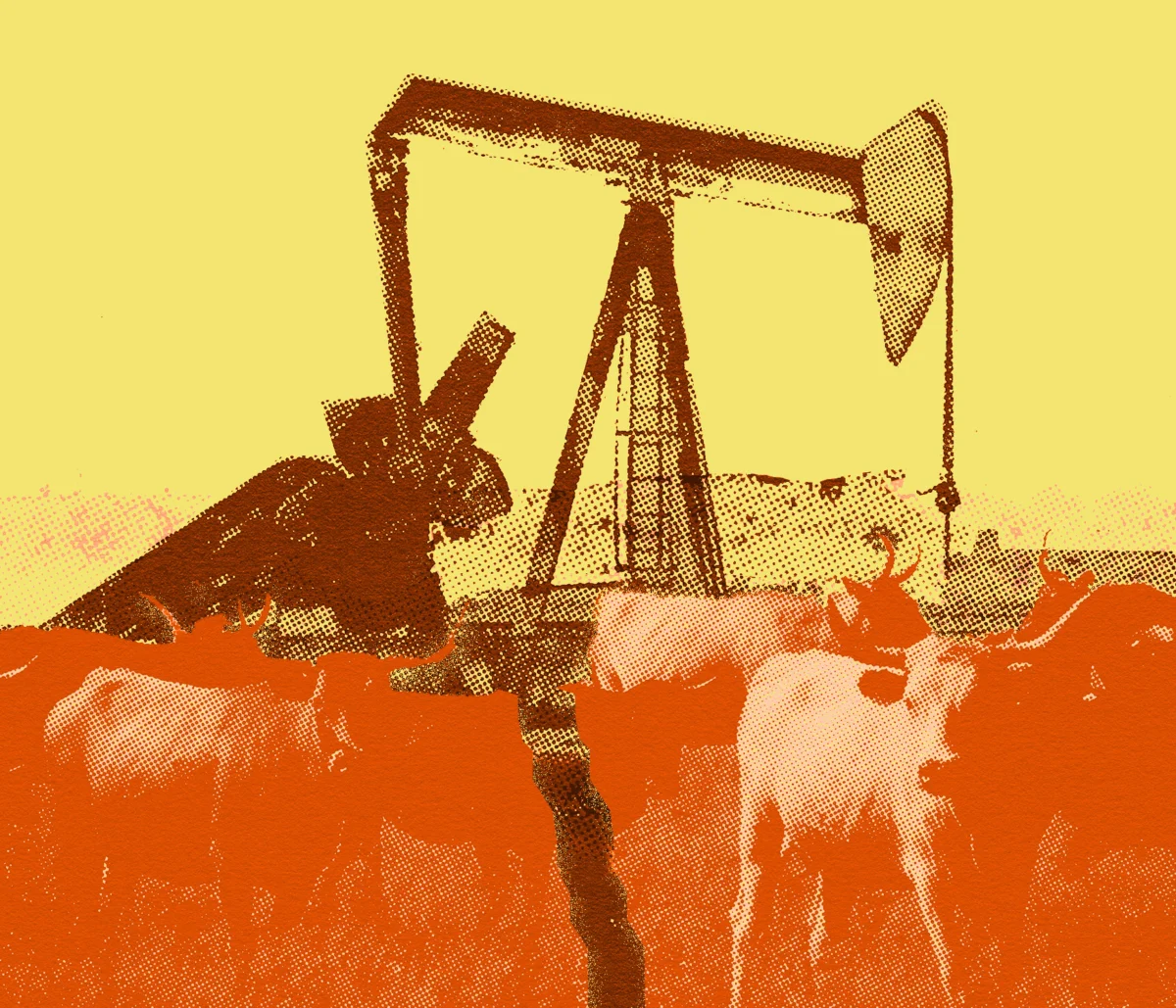
Throughout Hopitutskwa, particularly in New Mexico, these same federal agencies and decision-makers, often influenced by powerful special interests like the oil and gas industry, have facilitated rampant fracking. This highly controversial process exacerbates the global climate crisis by extracting fossil fuels and further depletes already scarce water resources through its wasteful and often contaminating methods. This destructive pattern is not confined to the Southwest; it is a global phenomenon, prompting the urgent re-evaluation of whether such industrial activities constitute a genuine societal need or merely an insatiable corporate want. For the Hopi, the spiritual connection to water is absolute: upon passing, their bodies’ moisture is believed to rejoin the Earth, allowing them to become Oomawsinom, the Cloud People. The cumulative impact of emissions, pollutants, and the pervasive disrespect for water, they believe, actively obstructs the completion of this sacred spiritual journey.
In Arizona, a proliferation of anti-wolf and anti-wildlife bills has emerged at both state and federal levels, largely at the behest of the cattle industry, designed to enrich distant shareholders who often have no direct connection to the land. One such legislative effort, HB 2160, even sought to empower specific interest groups to manage wolf populations if they came under state jurisdiction, conspicuously excluding tribal voices. This omission is particularly egregious given that Indigenous communities have coexisted with wolves and other "predators" for millennia without succumbing to such manufactured panic. Many view these legislative maneuvers as a deliberate distraction, a constructed hysteria designed to deflect accountability from state and federal agencies for the dire fate of numerous wild creatures. Scientific data overwhelmingly demonstrates that wolves are keystone species, vital for maintaining ecological balance, including the health of riparian systems which are crucial for retaining water on the land. When humans and animals were first brought into being, the Creator established a delicate balance within the ecosystem, appointing not just people but also waterfowl, reptiles, amphibians, and raptors as messengers to bring water back to the land, underscoring their integral role in the web of life.

The U.S. Forest Service and the Bureau of Land Management, bound by a "multiple use mandate," continue to treat aboriginal lands as a balance sheet, employing outdated metrics of success such as cattle headcount or timber logged. While these agencies are mandated to consult with tribes, this often devolves into perfunctory 30-minute phone calls with tribal government officials, lacking any genuine face-to-face engagement or deep, relational work with cultural practitioners. Crucially, consultation does not equate to consent. As the Hopi poignantly remind us, one cannot drink oil or money. These so-called public lands are progressively drying out due to relentless overgrazing, aggressive thinning practices, and the erosive recreational demands of ATV use. Furthermore, the few protective environmental laws in place are being systematically dismantled, particularly under administrations beholden to the fossil fuel industry. Precious time is being squandered defending basic protections, when collective efforts should be proactively pushing these agencies to genuinely serve the people, the land, and the animals. A fundamental shift in success metrics is imperative, moving towards outcomes that prioritize keeping water on the land through abundant biodiversity, increasing habitat connectivity, and fostering true co-existence.
The mismanagement of land in the pursuit of profit is undeniably the root cause of this unfolding global disaster and the profound threat to life itself. It is the very reason why ancestral sites were submerged during the creation of Lake Powell. Settler perspectives naively believed they could literally imprison a wild river within an unnatural concrete bowl, bending its will to their own. Yet, as the waters of Lake Powell recede dramatically due to accelerating climate change, revealing these ancient ancestral sites once more, the Hopi have always known that such attempts to artificially contain water are ultimately futile. True water retention, they teach, is achieved naturally: in the living bodies of animals, in the flourishing branches of trees, in the rich, moisture-laden soil of old-growth forests. Water is held on the land when deer and elk populations are naturally regulated by their wolf relatives, allowing vital vegetation to thrive and anchor the soil. Water is preserved when it is not violently drilled or blasted from the Earth’s depths for fracking and mining. Ultimately, water is held within our own human bodies, intrinsically connected to the vast, intricate whole, every single drop precious. Paahuquatsi – water is life. Kwakwâ’kwy: Thank you.