Johny Prima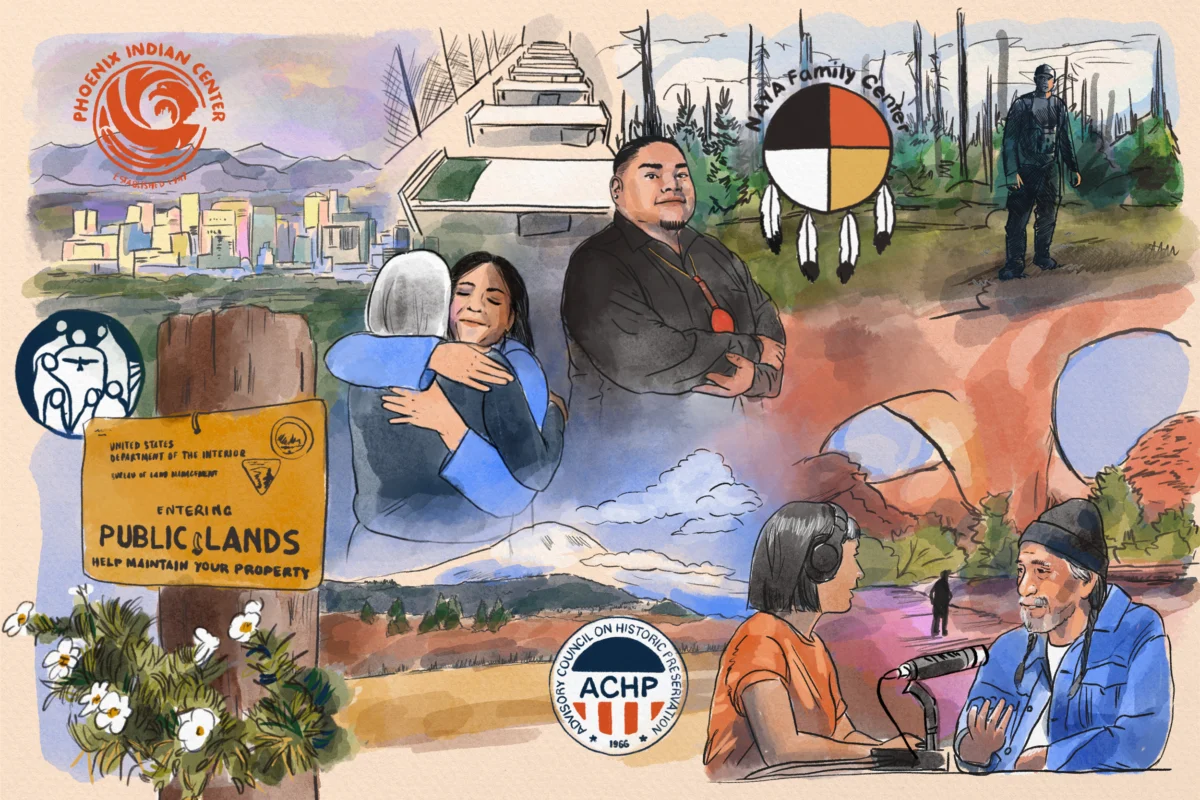
Over a year into the second Trump administration, Native American communities across the Western United States are grappling with profound and multifaceted changes, ranging from the abrupt rescission of land-management policies designed to integrate Indigenous knowledge to significant reductions in climate funding earmarked for tribal initiatives, alongside symbolic actions like the removal of tribal flags from Veterans Affairs hospitals. The federal government has consistently bypassed crucial tribal consultation processes, dismantling partnerships and rolling back progress achieved with Indigenous nations in previous years, creating an atmosphere of deep uncertainty and operational challenges for tribal governments and Native-run organizations. While these shifts have led to demonstrable community harm, some Indigenous leaders are also identifying unexpected avenues for reflection, drawing upon ancestral wisdom, and forging new paths rooted in intergenerational commitment.

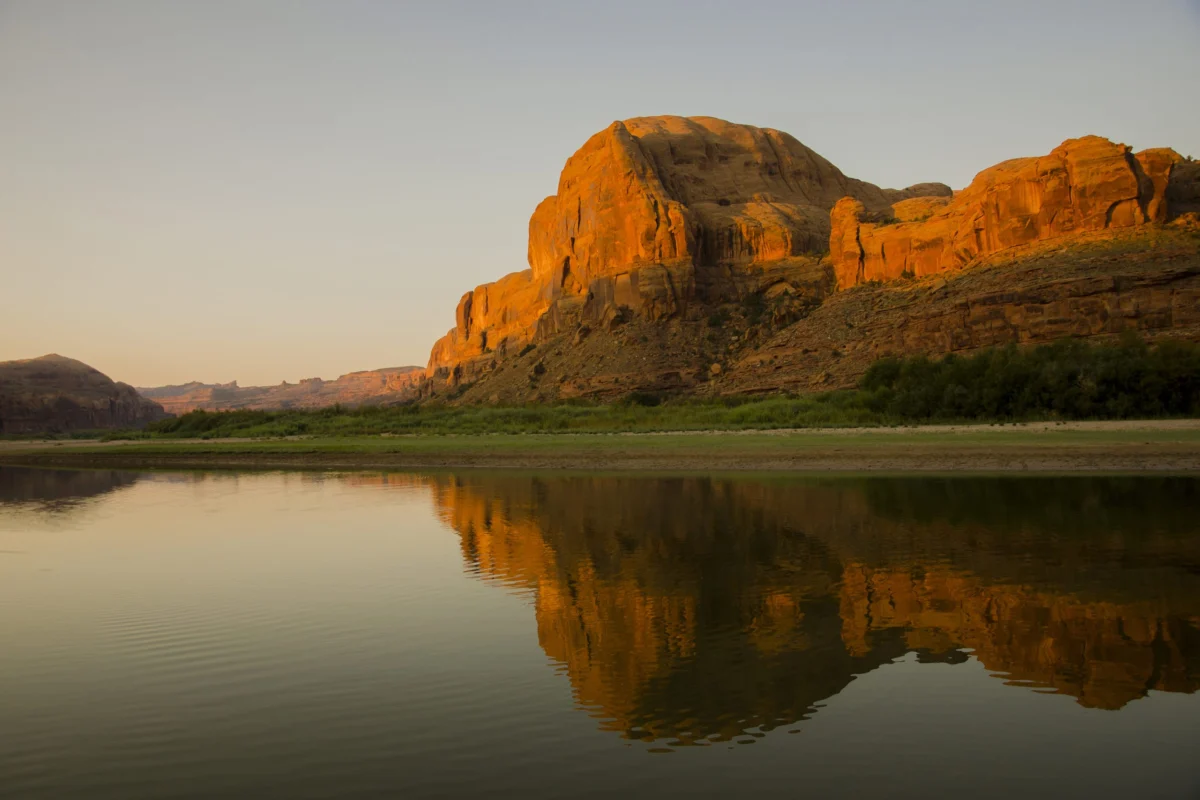
The reverberations of these policy shifts are keenly felt across the vast landscapes of ancestral Indigenous territories, impacting everything from national monuments to essential social services. In Utah, the Grand Staircase-Escalante Intertribal Coalition, formed by the five tribes with ancestral ties to the region, has been vigorously advocating for the monument’s integrity and the inclusion of Indigenous perspectives in its stewardship. Autumn Gillard, the coalition’s coordinator and a Southern Paiute citizen, recounts the painstaking efforts made since 2019 to ensure Indigenous voices were heard in the development of a new resource management plan, which was finally approved in January of 2025. This plan, a culmination of diligent work, sought to integrate traditional ecological knowledge into the monument’s management, a critical step towards recognizing Indigenous sovereignty and historical connection to the land. However, Republican members of Congress moved swiftly in early March of the current year to repeal this meticulously crafted plan, an action that would effectively nullify years of consultation and erase invaluable cultural knowledge, much of which was contributed by elders who are no longer with the community.

Further west, in California, the recently established Chuckwalla National Monument faces a similar existential threat. Formed with broad, bipartisan support in the final days of the preceding administration, this monument is now a focal point of tribal protection efforts. Zion White, a Quechan tribal commissioner on the Chuckwalla Intertribal Commission, asserts that any attempt to reduce or rescind the monument will be met with resolute opposition. For the Quechan Tribe, the desert Southwest is not merely a landscape but a living repository of culture, language, and sacred sites, with connections extending far beyond contemporary reservation boundaries. White, a traditional singer of urav lightning songs, emphasizes that this deep knowledge of place is not a relic of the past but a vibrant, living tradition carried by tribal members today. To deny tribes a say in the care of these lands is, in their view, an injustice to both the landscape and the ancestors who fought for their very existence. The commission is preparing for a protracted struggle, aiming to engage with the Bureau of Land Management and the Department of the Interior to establish co-stewardship plans that embed shared values in the monument’s ongoing management.

The broader framework for land conservation and Indigenous rights also saw a significant setback with the rescission of the Public Lands Rule in 2025, a measure enacted under the Biden administration that had elevated conservation as an official "use" and provided clearer pathways for tribes to protect cultural sites on public lands. Ray Watson, an executive board member of the Bering Sea Interior Tribal Commission and a citizen of the Orutsararmiut Native Council in Bethel, Alaska, vehemently opposes this rollback. For the Indigenous communities of Alaska, the land, ocean, river, and tundra are the foundation of their existence, providing sustenance and cultural continuity across generations. Watson highlights the administration’s expedited approval of regulatory rulings for mines and mineral extraction, often without adequate tribal consultation, leading to irreversible environmental impacts and a fracturing of traditional ways of life. He warns that while development accelerates, the fight to protect what remains will intensify, driven by a deep commitment to preserving culture for future generations.

Amidst these challenges, some tribal leaders are finding opportunities within the disruption. Cody Desautel, President of the Intertribal Timber Council, which represents some 50 tribal nations focused on forest, fire, and natural resource management from the Colville Reservation in Washington, notes the complexities introduced by the Department of the Interior’s fire reorganization. Concerns linger over how the new leadership structure will truly understand Indian Country’s unique needs, particularly regarding the protection of tribal trust resources and the navigation of new contracting mechanisms with tribal governments. Yet, Desautel also observes a renewed objective within the U.S. Forest Service, particularly under its new chief, to partner with tribes. This shift, coupled with an increase in tribal-specific legislation moving through Congress aimed at expanding co-management authorities on adjacent federal lands, presents new possibilities for shared stewardship agreements. Desautel reflects that tribes are adept at pivoting, adapting to changing political agendas, and leveraging opportunities that arise even from federal downsizing, positioning themselves as capable partners in critical resource management.

The integrity of tribal consultation and the preservation of cultural heritage have also come under direct assault. Amelia Marchand, a Colville citizen, who in 2024 became the first woman appointed by a U.S. president to the sole Indigenous seat on the Advisory Council on Historic Preservation (ACHP), found her four-year term abruptly terminated by the incoming Trump administration. Marchand’s role was to represent the interests of 575 diverse Indigenous cultures and governments, a task she pursued by advocating for the ACHP’s involvement in the upcoming 250th anniversary of the United States and by ensuring the council’s strategic plan referred to tribal nations and their people as “rights holders” rather than mere “stakeholders.” This distinction is fundamental, acknowledging tribes’ inherent sovereignty and treaty rights, which are often overlooked or intentionally obscured. Her dismissal, alongside three other appointees, left tribes without a dedicated advocate on the ACHP until John Tahsuda III (Kiowa Nation of Oklahoma), a lobbyist who served in the first Trump administration, was appointed in January of this year.

The repercussions of diminished federal support extend to the very fabric of cultural preservation. Ira Matt, Executive Director for Indigenous diplomacy and federal relations at the National Association of Tribal Historic Preservation Officers (NATHPO) and a citizen of the Confederated Salish and Kootenai Tribes, witnessed federal funding for tribal historic preservation officers (THPOs) frozen in early 2025. Despite clarifications that federal obligations to tribes are distinct from Diversity, Equity, and Inclusion initiatives, budget cuts severely impacted THPOs, who were already operating on tight deadlines, with limited resources, and high emotional investment in their work. The absence of communication from federal agencies exacerbated the crisis, leading to staff departures and programmatic suffering. Matt emphasizes that THPOs are the voice of their tribal nations in protecting cultural sites, and their inability to participate in outreach or cultural surveys means projects often move forward unchecked, damaging and destroying invaluable cultural locations, with intangible impacts that will resonate for generations.

Beyond land and cultural heritage, Indigenous communities are grappling with severe social and economic strain. Oscar Arana, CEO of Portland, Oregon’s Native American Youth and Family Center (NAYA), a vital hub serving the city’s Indigenous residents with a food distribution center, educational programs, housing support, and more, describes a community under immense stress. Reduced federal funding, stagnant wages failing to keep pace with rising costs, and a surge in evictions have led to a significant increase in requests for food and other basic necessities. The presence of Immigration and Customs Enforcement (ICE) agents, particularly in cities like Houston that function as "border cities" due to their proximity to coastal borders, further exacerbates fear and uncertainty within Indigenous immigrant communities. Mincho Jacob, a Q’eqchi’ Mayan interpreter for the International Mayan League in Houston, highlights the overwhelming impact of expedited removal policies, which leave Indigenous asylum seekers with little margin for error and often result in detention and deportation, even for those who have lived in the U.S. for years. Jacob works tirelessly to help people navigate a complex legal system utterly alien to their rural Guatemalan realities, emphasizing that for Indigenous people, "the law is only as good as what gets enforced."

The symbolic importance of federal recognition and respect also faces erosion. Jolyana Begay-Kroupa, CEO of the Phoenix Indian Center, the oldest nonprofit of its kind supporting urban Indigenous people, recalls the deeply disrespectful removal of tribal flags from a Veterans Affairs hospital in the past year. This action profoundly impacted Indigenous veterans and their families, signifying a blatant disregard for their service and identity. Furthermore, federal grant applications began requiring the removal of "diversity and inclusion" language, with "Native American" explicitly listed among the terms to be avoided. Begay-Kroupa and her team adapted their language to ensure continued funding for vital programs, demonstrating a resilient and pragmatic approach to navigating adverse policies. She draws inspiration from elders, like her traditional Navajo grandmother, who would seek positive aspects even in challenging times, emphasizing the organization’s enduring commitment to sustainability and serving its relatives.

Finally, the critical work of truth and reconciliation has also been undermined. Samuel Torres, Deputy Chief Executive Officer of the National Native American Boarding School Healing Coalition (NABS) in Denver, recounts the severe impact of the Trump administration’s order to cancel over $1.5 million in National Endowment for Humanities funding. This funding was crucial for archival research and interviewing boarding school survivors, a non-partisan issue that should resonate with all leaders. Torres, a Mexica/Nahua citizen, views this as a direct wound to the progress NABS and Indian Country have made in their pursuit of truth and accountability for the lasting trauma inflicted by government-run boarding schools. Despite these setbacks, Indigenous people maintain an intergenerational perspective, viewing these conflicts not as derailing their progress but as moments for discernment, creative problem-solving, and a firm resolve to uphold their sovereignty, recognizing that no single presidential administration can diminish the inherent meaning of self-determination for their nations.