Rocky Georgio
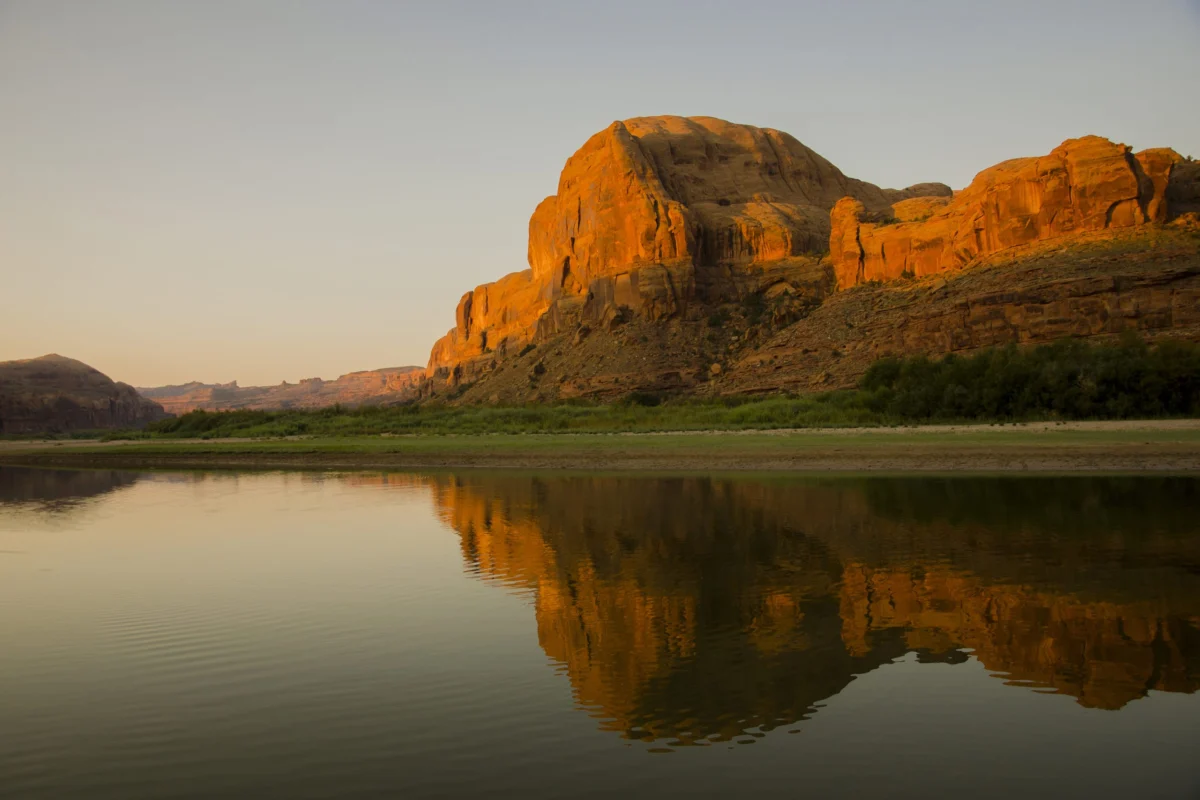
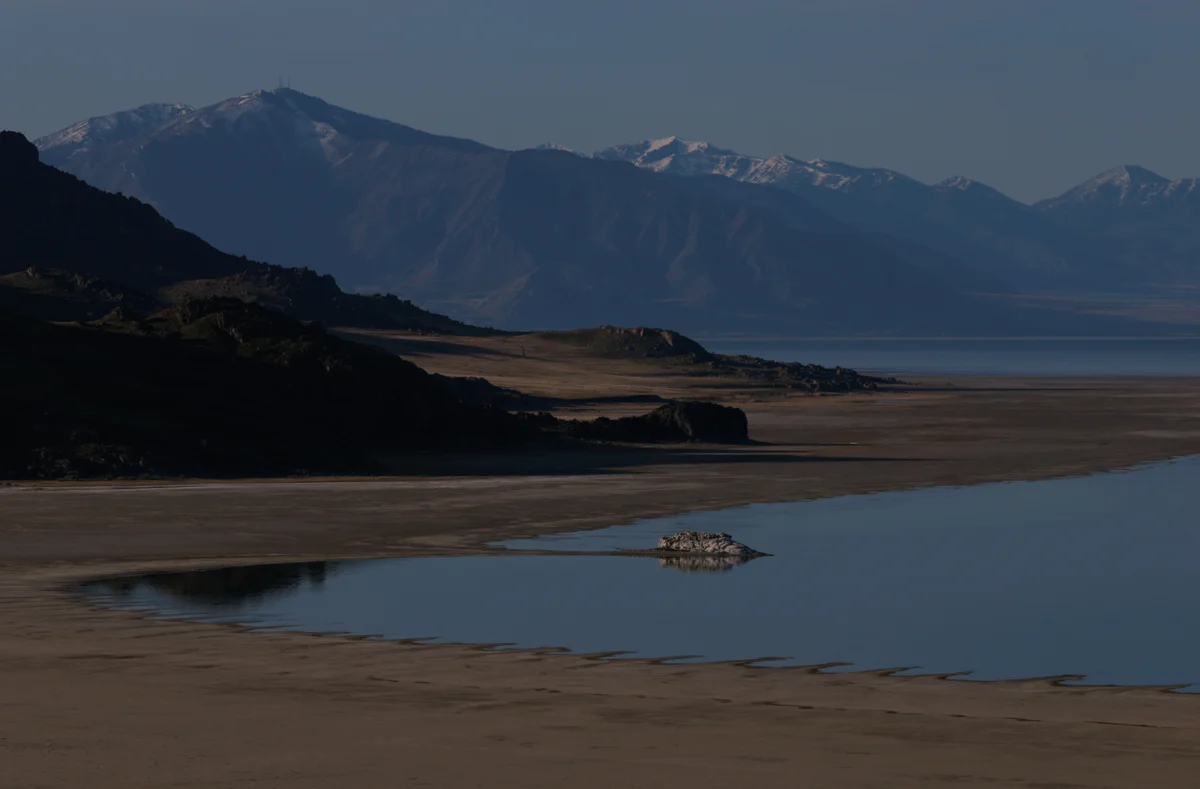
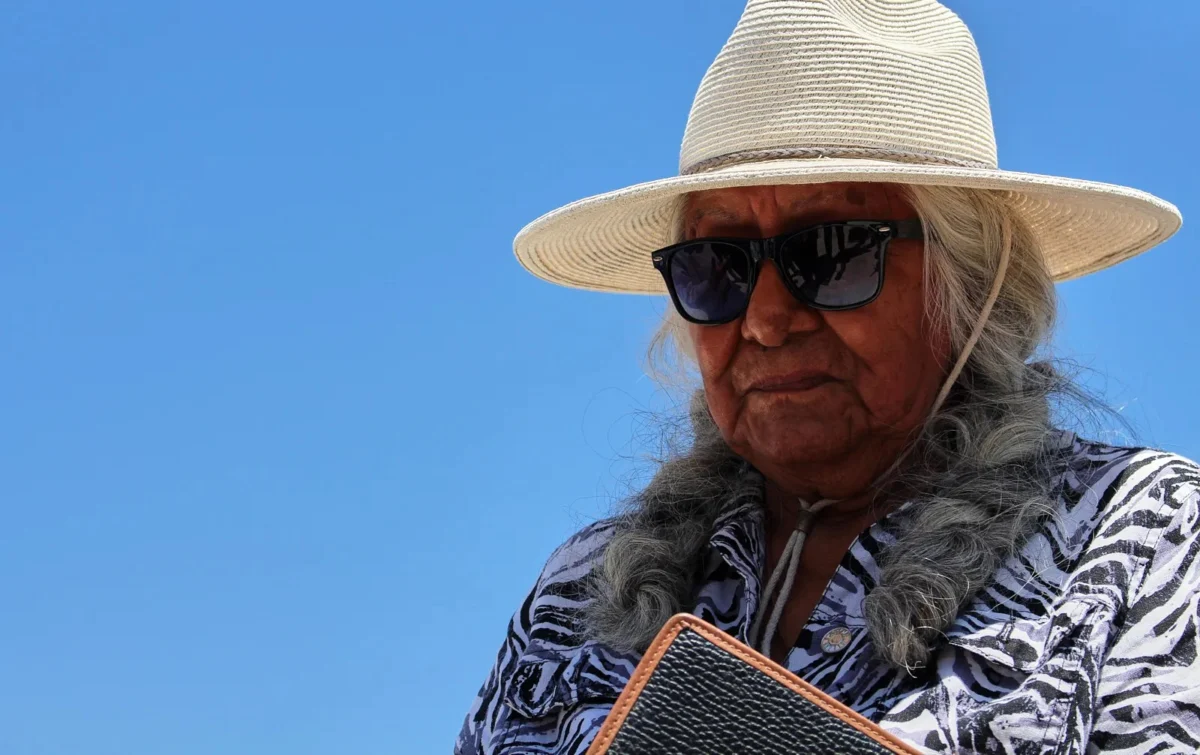
The headwaters of the Klamath River, a vital artery for ecosystems and indigenous cultures, are being revitalized by the recent removal of four hydroelectric dams, signaling a momentous return for salmon populations and the ancestral territories of the Klamath Tribes. Tribal Chairman William Ray Jr. of the Klamath, Modoc, and Yahooskin tribes emphasizes the profound connection to these waters, stating, "The water comes right out of the ground. I know this because I see it. I’ve lived it. And I know where the headwaters come out of." These headwaters converge to form Klamath Lake in southern Oregon, from which the Klamath River flows through Northern California to the Pacific Ocean, supporting the anadromous fish that are central to the economies, cuisine, and traditional medicine of the tribal communities throughout the watershed, including the Yurok Tribe downstream.
In historical times, salmon constituted a significant portion of the Klamath peoples’ diet, representing a third of their sustenance. Chairman Ray reverently describes salmon as "Creator couldn’t have created a more powerful species," highlighting their remarkable ability to navigate both freshwater and saltwater environments, a gift intended "for all the Indians to enjoy." The Klamath Trail, a historic trade route, once traversed what is now Oregon, connecting to Celilo Falls on the Columbia River, a renowned fishery and international trade hub that has since been submerged. The Klamath River itself was once the third-largest salmon producer globally. The deep cultural significance of salmon is further evidenced by their role in traditional healing practices; specific fish, like the c’waam or koptu from particular lake shores, or certain anadromous species from the river, were used for medicinal purposes, with parts such as gills or boiled heads forming therapeutic broths.
However, the construction of dams drastically altered the river’s ecology, leading to the decline of salmon and other anadromous fish populations, which ceased returning to the upper basin, severely impacting the lake-dwelling fish and compelling tribal communities to make difficult choices. Chairman Ray recalls a growing awareness of the environmental degradation, noting, "We knew that there was something wrong beginning in the ’70s and especially the ’80s. It didn’t take Western science to tell the Indian (with) Indigenous knowledge that something was drastically wrong." This realization led to emotionally challenging deliberations, culminating in the Klamath Tribes’ sorrowful decision in 1986 to voluntarily cease fishing. "It hurt us," Ray admitted, "This was another issue that pecked away at our culture, the viability of it."
The chairman articulated the challenging predicament faced by tribal nations, paraphrasing a Umatilla elder who questioned, "How can you build a tribal traditional economy on species that are endangered?" This is not an abstract concern for the tribes; when an elder falls ill, Chairman Ray may now have to deny them the traditional practice of seeking a healing fish from the water. "How do you say that to somebody? How?" he poignantly asks.
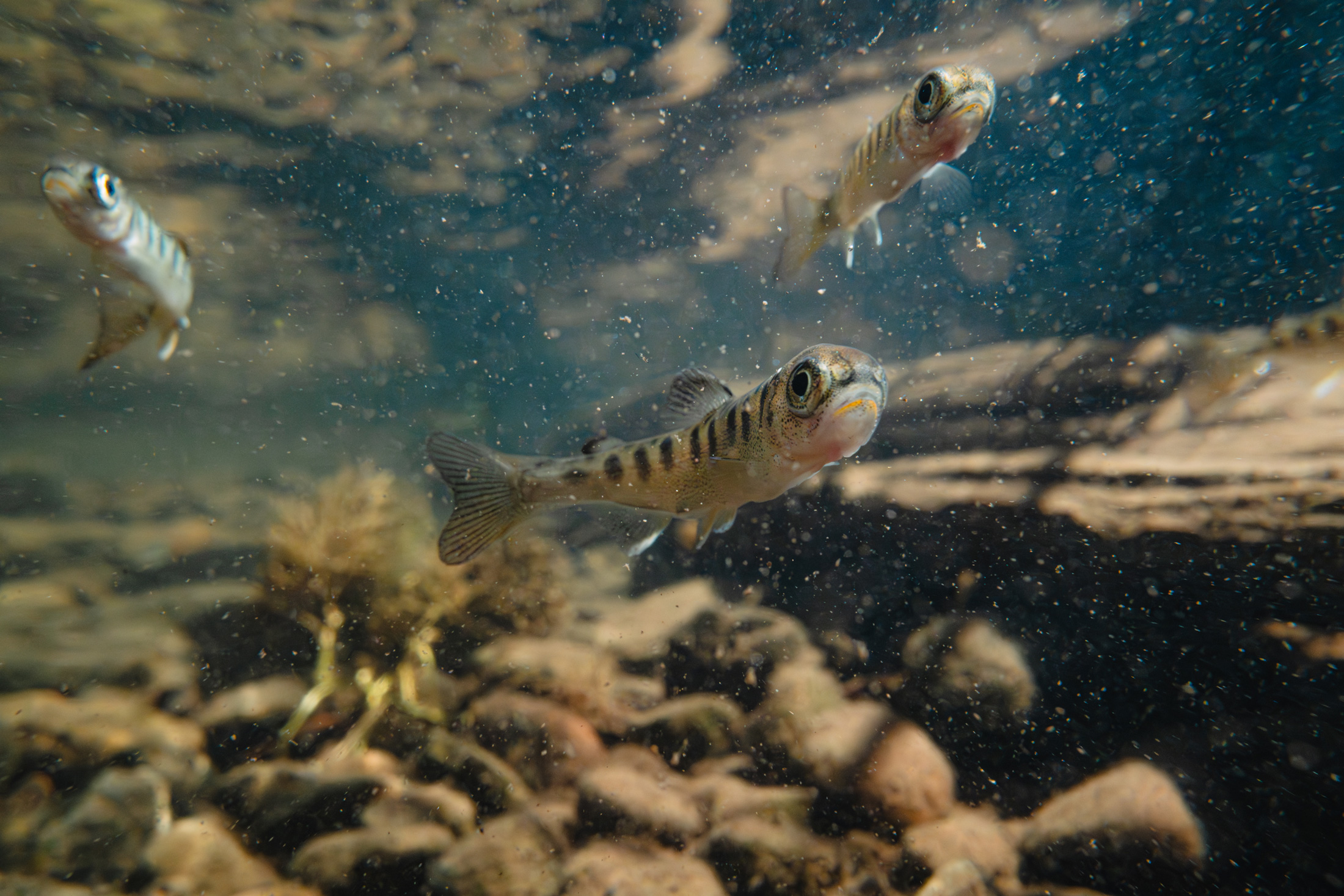
Today, however, a palpable shift toward restoration and recovery is underway for the Klamath’s fish and the cultural heritage they represent. In October 2024, the removal of four aging and inefficient hydroelectric dams on the lower Klamath River opened the waterway, allowing Pacific lamprey, steelhead, fall chinook salmon, and other anadromous fish to resume their ancient migration routes to the upper basin, a passage blocked for over a century. By the end of that year, approximately 20 coho salmon had successfully reached Oregon, according to Jordan Ortega, an anadromous fish specialist for the Klamath Tribes. "Almost all the anadromous species are responding favorably to dam removal," Ortega stated, noting that only two dams, the Kino Dam and the Link River Dam, with their existing, albeit imperfect, fish ladders, remain in the upper Klamath River.
Earlier this year, a significant step forward was taken when the Bureau of Indian Affairs (BIA) and the National Oceanic and Atmospheric Administration (NOAA) jointly offered a $5.9 million grant for tribal salmon restoration initiatives, inviting tribes to apply for this competitive funding. Chairman Ray learned of this opportunity through their Yurok relatives downstream and promptly initiated outreach, contacting the governor’s office and the Oregon Department of Fish and Wildlife. The Klamath Tribes had already collaborated with these agencies on a comprehensive post-dam-removal plan for fish reintroduction and monitoring natural repopulation.
A significant obstacle emerged when Chairman Ray discovered that the BIA and NOAA grant was exclusively designated for salmon restoration tribes. Due to the prolonged absence of salmon from Klamath ancestral territory for over a century, the federal government did not classify them as a restoration tribe, rendering them ineligible to apply. Ray expressed his bewilderment and frustration: "We’re trying to put salmon back into our territory, right? So how couldn’t we be a salmon tribe?"
Fortunately, the downstream Yurok Tribe provided crucial support. Mike Belchik, the Yurok Tribe’s senior water policy analyst, intervened, immediately contacting the BIA to request the inclusion of the Klamath Tribes on the eligible list. However, Belchik was informed by the BIA that it was too late in the application process to make such an amendment. While the BIA did not elaborate on its criteria for designating salmon restoration tribes, it clarified that the funding opportunity prioritized specific hatcheries involved in raising Pacific salmon stocks. Undeterred, the Yurok Tribe submitted its application and extended an invitation for the Klamath Tribes to join, resulting in the grant being awarded jointly to the Yurok Tribe, the Klamath Tribes, and the Oregon Department of Fish and Wildlife. Belchik explained that the Yurok Tribe would serve in an administrative capacity, acting as a conduit for the funds to the Klamath Tribes.
Despite potential perceptions of rivalry over water resources between the Yurok and Klamath Tribes, with each seeking to restore vital fish populations, Belchik asserts their relationship has always been collaborative. "Our council, our leadership, pledged to help the Klamath Tribes in any way they could," he stated. "We made a promise to them. When this funding opportunity came up, that’s who we thought of." This partnership is mutually beneficial, as both nations stand to gain from an increased run of spring chinook salmon. Belchik further emphasized their shared vision: "We have pushed, as have the Klamath Tribes, for the treatment of the entire basin as an ecosystem of which all parts are important. It’s heartfelt. My direction from council is to make that real."

The grant is currently supporting the expansion and deployment of innovative "remote site incubators," as explained by Jordan Ortega. These incubators, resembling salmon redds in size and function, are submerged structures designed to mimic the natural conditions required for incubating fertilized eggs, offering protection from predation and other environmental hazards. The initiative aims to establish these incubators across a diverse range of thermal and flow conditions to foster maximum life-history diversity within the salmon populations. Ortega elaborated that life-history diversity is a key evolutionary strategy for chinook salmon, allowing them to adapt and achieve their reproductive goals through varied approaches.
Typically, salmon exhibit strong homing instincts, returning to spawn in the waters where they were born, with only a small percentage exploring alternative locations. However, following the dam removals, the Klamath fish have demonstrated a remarkable departure from this norm; out of an estimated 60,000 to 70,000 returning fish, an impressive 13,000 migrated past the former dam sites, a significantly higher proportion than typically observed in scientific literature. When the Klamath Tribes piloted the remote site incubators using 10,000 fertilized eggs obtained from the Trinity River Hatchery, they achieved an exceptional hatch-success rate exceeding 99%.
Just last month, the first spring chinook salmon in over a century were documented returning to the upper basin, a monumental achievement. While fall run chinook have been the most prevalent thus far, spring chinook, prized for their superior flavor, are more geographically concentrated in the lower basin, particularly in the Trinity and Salmon Rivers, areas closer to the ocean. Their generally smaller population size also means that "springers," as they are colloquially known, require additional support for their upstream migration, a role the incubators are designed to fulfill.
Chairman Ray highlighted that many local non-Native residents have historically disputed the presence of salmon in the upper basin. "There’s a lot of naysayers all over the place saying that we trucked them around the dams and that they were never here. Well, they’re here," Ray asserted. He also noted the irony of some non-Indigenous individuals now expressing enthusiasm for fishing the returning salmon, despite their historical denial. Ray recounted overhearing conversations in a restaurant where people eagerly discussed the prospect of fishing the salmon, unaware that these resources are treaty-protected under the Treaty of 1864, with the tribes being the primary beneficiaries of their restoration.
Nevertheless, the undeniable return of salmon to Klamath territory is a profound affirmation. "It’s a blessing by Creator, because now it’s undeniable," Ray declared. Belchik underscored that the overarching objective of dam removal, encompassing all salmonid species, is to establish a "harvestable surplus for all."

Phil Milburn, a wildlife biologist with the Oregon Department of Fish and Wildlife, expressed optimism about the return of the fish and its potential implications, while also emphasizing the long-term nature of the restoration process. "But we are probably years away from having even initial discussions about harvest, because the goal is re-establishment of these species in Oregon," he stated. The tribes plan to install new remote site incubators next year, with adult springers anticipated to return as early as 2030.
Chairman Ray pointed out that the restoration of the Klamath watershed is uniquely feasible due to the absence of a large urban municipality in the area. "There’s an opportunity for us to set a new standard, to show America that we can restore, as humans, a watershed that’s been degraded for the last 100-plus years," he remarked. He expressed pride in the leadership role tribal nations are playing in this endeavor, stating, "There’s a lot of positive things going on, and we’re fighting like heck. We have to be very speedy. We have to have all cylinders going."