Rocky Georgio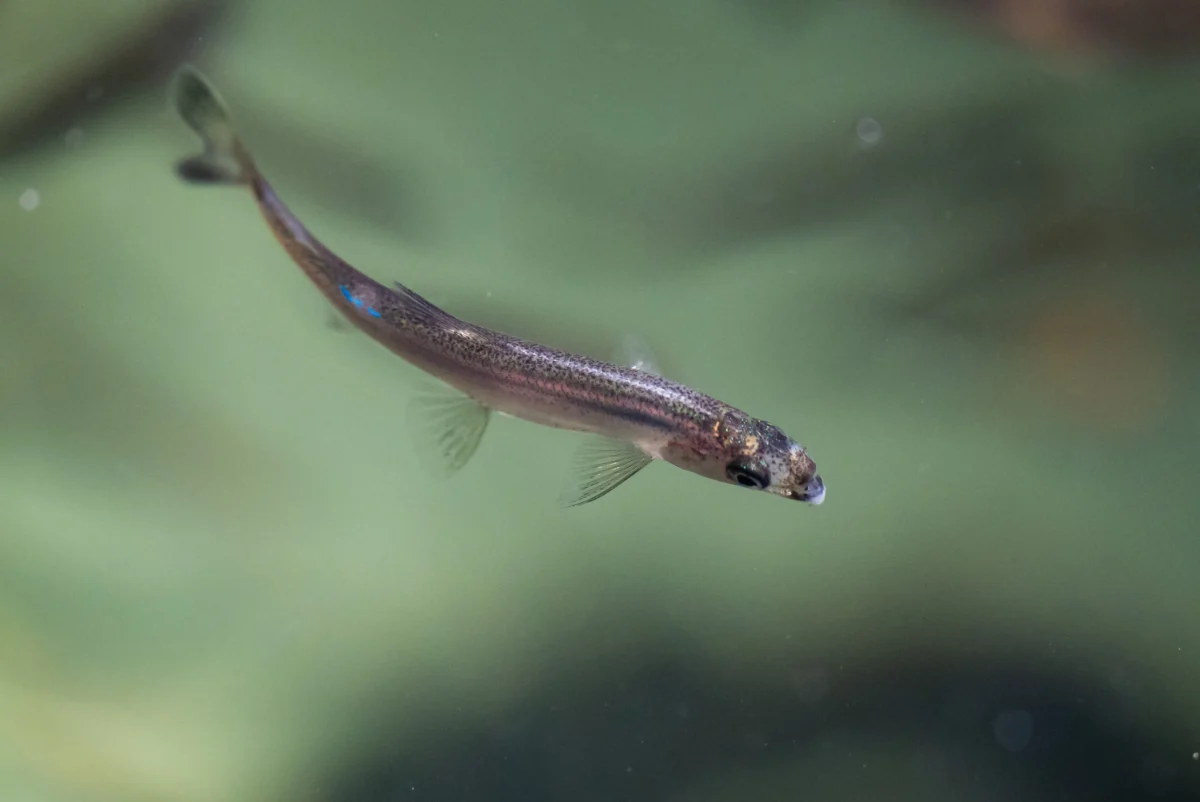
Lookout Slough, a sprawling 3,400-acre wetland bordering California’s Sacramento-San Joaquin Delta, now teems with life, its aquatic plants flourishing and its waters pulsing with the tides of San Francisco Bay. This vibrant ecosystem, home to a diverse array of fish, amphibians, reptiles, and birds, represents a dramatic metamorphosis from its prior state as parched farmland, isolated from the Sacramento River’s natural floodplain by a formidable 26-foot levee. This ambitious undertaking, the largest tidal restoration project in the Delta’s history, was catalyzed by the precipitous decline of the Delta smelt, a diminutive fish, barely longer than an index finger, that has long served as a critical indicator of the region’s ecological health. The disappearance of the smelt signals a profound imbalance, indicating insufficient phytoplankton and zooplankton—the very foundation of the aquatic food web—which in turn impacts the birds and larger fish that depend on them. Charlotte Biggs, program manager for the California Department of Water Resources (DWR), aptly compares the smelt’s role to a vital sign in human health, stating that its decline points to larger systemic issues within the Delta’s delicate environment. The central question now is whether the extensive wetland restoration efforts, exemplified by Lookout Slough, can indeed orchestrate a comeback for this imperiled species.
Historically, the Sacramento-San Joaquin Delta has been a cornerstone of California’s ecological and agricultural bounty, a fertile confluence where the saltwater of San Francisco Bay meets the freshwater flows of the Sacramento and San Joaquin rivers. For millennia, Indigenous peoples, including the Miwok, Maidu, and Yokut, thrived along its abundant waterways, skillfully fishing and cultivating food. However, the 20th century ushered in an era of profound transformation as state and federal agencies prioritized the Delta’s water for the burgeoning cities and expansive agricultural enterprises of California. A network of levees was constructed, designed to control riverine flooding and facilitate the conversion of natural marshlands into vast orchards and fields of staple crops. By 1969, the installation of seven colossal pumps belonging to the California State Water Project marked a turning point, initiating the diversion of immense volumes of Delta water. This water was then lifted over a 244-foot hill near Tracy and transported through an intricate system of aqueducts to irrigate the farmlands of the Central Valley and supply the water needs of cities further south.

This massive diversion of freshwater had devastating consequences for the Delta smelt. It effectively dried up its crucial spawning grounds, disrupted the natural tidal flows that sustained the microscopic organisms vital to its diet, and eliminated the shallow, vegetated areas that once provided essential shelter from predators. The impact was stark and undeniable; in the early 2000s, the smelt population experienced a catastrophic plunge, mirroring the declines observed in other iconic Delta species such as the longfin smelt, striped bass, and threadfin shad. The ecological ripple effects were profound, underscoring the interconnectedness of this complex estuarine system.
The gravity of this ecological crisis prompted federal intervention. In 2008, following decades of escalating water diversions, the U.S. Fish and Wildlife Service declared that the impact of freshwater withdrawal on fish habitat constituted a significant threat, mandating the restoration of 8,000 acres of wetland and stream ecosystems. This ruling initiated an 18-year endeavor by the state to rectify the environmental damage caused by its own water management policies. Over the subsequent decade, the DWR identified and commenced work on ten separate restoration sites within the Delta, collectively spanning approximately 5,000 acres. Each of these projects involved the challenging task of dismantling or breaching the levees that had long separated these lands from the vital tidal influence. However, with an additional 3,000 acres requiring restoration to meet the federal mandate, the state recognized its limitations and the need to engage external expertise. This realization paved the way for the emergence of what are often termed "biodiversity brokers."
A cornerstone of environmental regulation in the United States, and many other nations, is the requirement for private and public developers to "mitigate" the environmental impacts of their projects on sensitive waterways and endangered species. This often translates to financial contributions or direct action to restore similar habitats elsewhere. A significant mechanism for achieving this mitigation is through "mitigation banking," a practice that began in the 1980s and has evolved into a multibillion-dollar industry over the past two decades. In this model, private companies specialize in acquiring degraded lands, restoring them to functional ecosystems, and then selling "mitigation credits" to developers who need to offset their environmental footprints.

In 2018, the State of California issued a call for proposals to address the remaining 3,000 acres of riparian habitat restoration. Among the respondents was Ecosystem Investment Partners (EIP), a prominent firm specializing in mitigation banking. EIP acquired the 3,400-acre parcel that would become Lookout Slough, with the explicit goal of restoring it to generate credits that could be sold to developers. A pivotal agreement was struck between EIP and the state in 2018, and groundbreaking work commenced in June 2022. Adam Davis, co-founder and managing director of EIP, described the intricate process, emphasizing that beneath the ecological significance lies valuable land owned by people. Mitigation banking, he explained, strategically leverages private land ownership for conservation purposes, establishing financial incentives to combat extinction rates and land degradation.
The transformation of Lookout Slough was a monumental feat of engineering and ecological design. Over two years, EIP and its contractors meticulously reshaped the landscape, carving out 26 miles of intricate channels across the 3,400 acres. This complex network was designed to attenuate river and tidal flows, creating the diverse aquatic environments essential for the spawning and survival of fish and amphibians. An estimated 30,000 dump truck loads of soil were moved to achieve the desired topography. Upon completion, EIP was awarded 2,975 mitigation credits, purchased by the state at a cost of $32,605 per credit, totaling nearly $97 million. This substantial investment underscores the significant economic and ecological value placed on restoring these critical habitats.
In September 2024, the symbolic breaching of the levees marked the culmination of the restoration phase. As a bulldozer tore into the earthen barrier, water surged across the landscape, beginning the process of re-establishing the tidal connection. Eighteen months later, the site presented a transformed vista: a complex mosaic of water channels and newly formed islands. On a recent visit, teenagers could be seen fishing from the banks, pelicans glided overhead, and a flock of geese paddled serenely near the distant, low-lying islands, signs of a nascent ecosystem reawakening. However, as of this reporting, the DWR has not yet recorded the presence of Delta smelt within the restored slough.

The restoration of Lookout Slough and other Delta landscapes, while a significant achievement, raises questions about whether it has arrived in time to save the Delta smelt. The species’ population has plummeted by an astonishing 99% since it was first listed as federally threatened in 1993. Despite repeated efforts to bolster populations through the release of hatchery-raised smelt in recent years, weekly surveys conducted by the Fish and Wildlife Service consistently report catch numbers in the single digits, a stark testament to the species’ precarious status. Jon Rosenfield, a fish biologist and science director for San Francisco Baykeeper, an environmental advocacy group, lamented the smelt’s former abundance, stating that they were once among the most common fish in the Delta, but are now "almost impossible to find." He views the restoration effort as commendable but insufficient, likening it to "building a very nice playground in a neighborhood you’ve allowed to burn down."
Despite these sobering assessments, there is a glimmer of optimism. Dan Riordan, section manager for tidal habitat restoration at DWR, noted the detection of phytoplankton and zooplankton within Lookout Slough—key indicators of healthy smelt habitat—which will be detailed in an upcoming September report. The story of the Delta smelt, and the massive restoration efforts it has spurred, serves as a powerful narrative about the long-term consequences of human alteration of natural systems. More than five decades after the powerful pumps began draining the Delta’s lifeblood, the plight of this tiny fish has finally compelled a significant return of water to the land. If the restored wetlands continue to thrive and mature, they hold the potential to provide a lasting haven for a multitude of species, and perhaps, the Delta smelt itself will ultimately find its place among them, marking a profound ecological redemption.