Rocky Georgio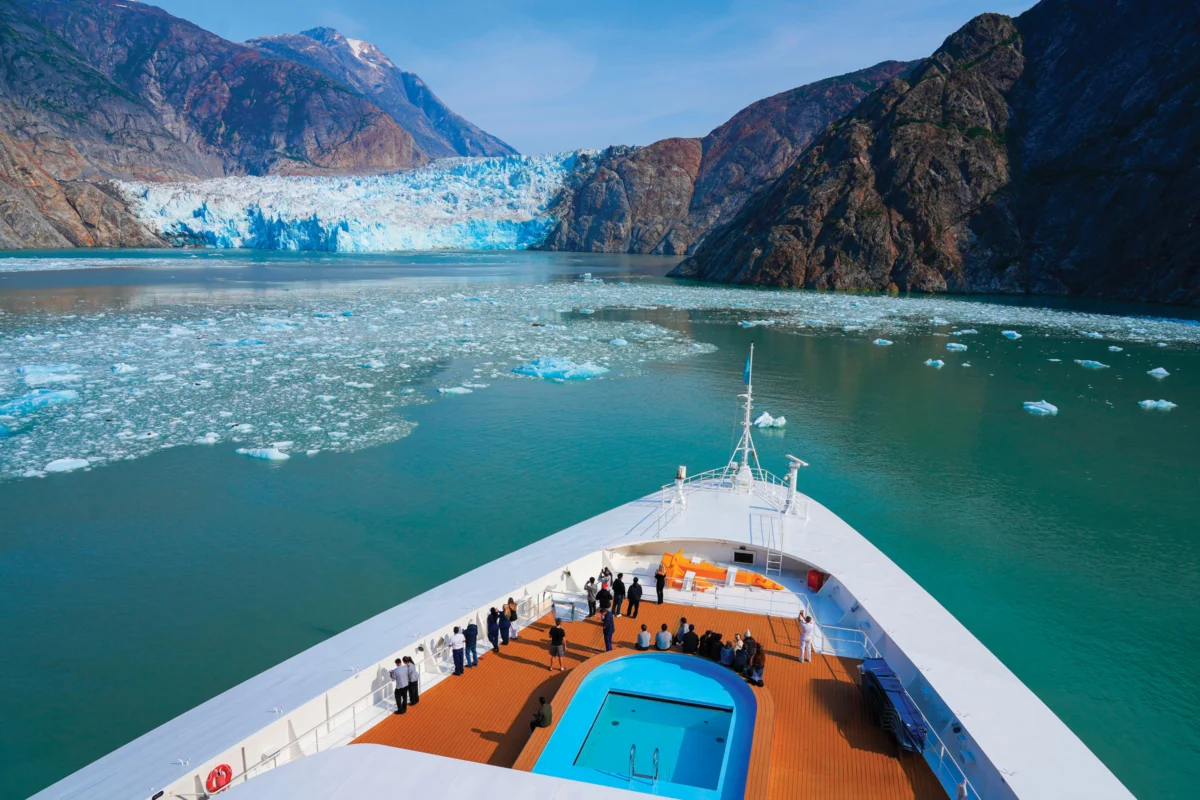
Sasha Calvey and her two companions were 74 days into a remote sea kayaking expedition from Washington when the earth’s fury erupted on August 10, 2025. Camped on a secluded island in Southeast Alaska in the pre-dawn hours, Calvey was awakened not by the usual sound of waves against the shore, but by a deep, resonant rumble that grew with alarming speed, a sound so profound it seemed to shake the very ground beneath their tent. "Everything in my gut told me to check outside," Calvey recounted, a premonition that saved their lives. Emerging from their shelter, they were met with a terrifying scene: 15-foot waves had surged inland, inundating the forest and leaving a trail of seaweed near their campsite. Half of their carefully stowed gear was gone, their kayaks battered and scattered, one even lodged precariously against a tree. They were fortunate; had the tsunami arrived just three hours earlier, with the tide 10 feet higher, the devastating surge could have easily overwhelmed their tent, sweeping them into the churning ocean.
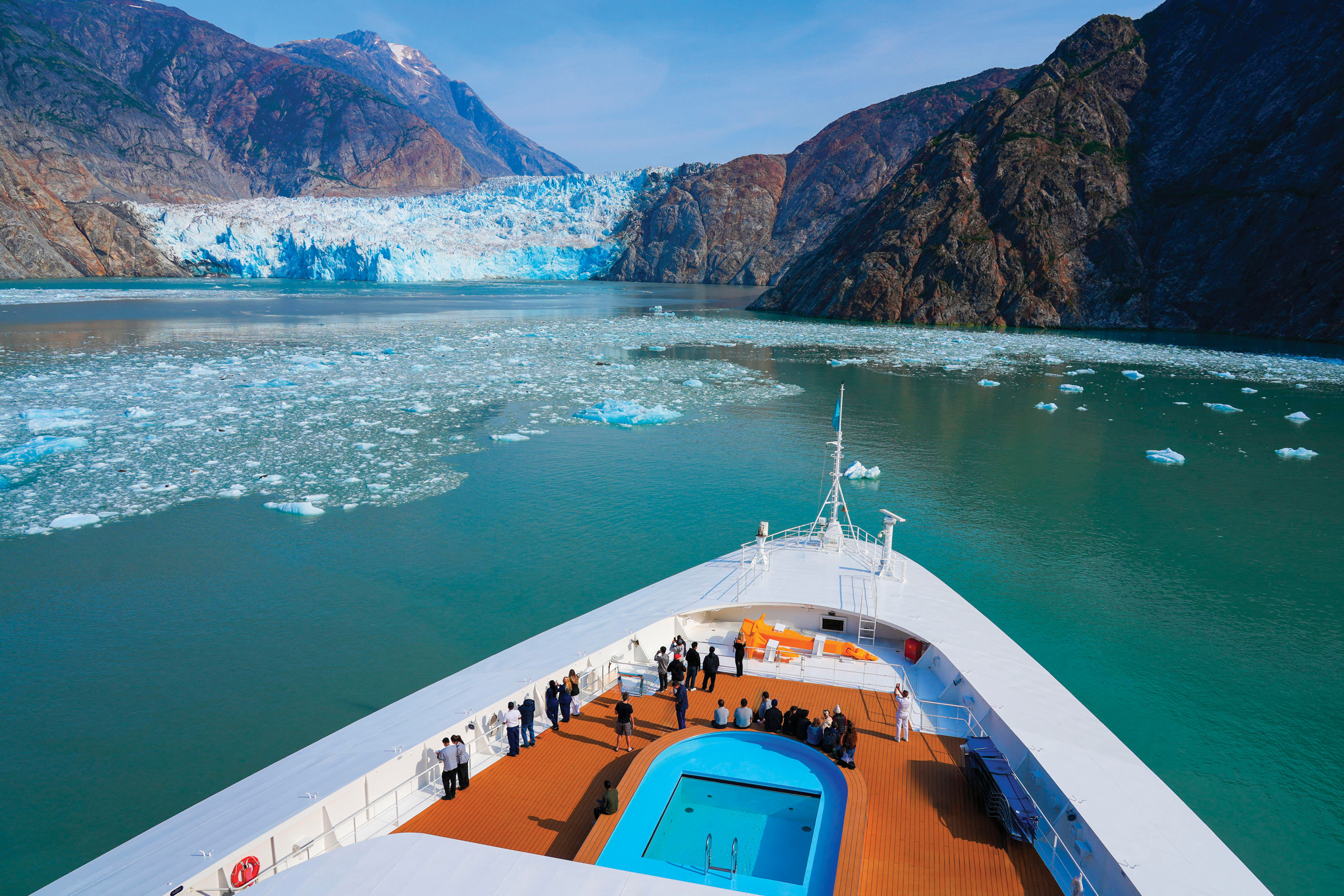
The water’s chaotic power persisted for hours, marked by powerful swells and massive whirlpools, forcing the group to radio for rescue and prematurely end their ambitious journey. Later, they learned the source of the cataclysm: a colossal landslide approximately 30 miles away at the terminus of Tracy Arm fjord, a dramatic waterway winding between towering mountains south of Juneau. The slide occurred near the retreating South Sawyer Glacier, a phenomenon scientists increasingly link to glacial melt. This event generated a tsunami with an astonishing run-up of 1,580 feet on the surrounding mountainsides, stripping vegetation and soil and leaving a stark bedrock scar. The receding wave scoured the fjord’s steep shores, and its remnants ultimately reached Calvey’s beach, well beyond the fjord’s mouth.
This incident is not an isolated event; evidence points to a disturbing rise in landslide-generated tsunamis across Alaska in recent years. In 2015, a similar landslide in Taan Fjord, over 400 miles northwest of Tracy Arm, produced a 630-foot run-up. Even more concerning, a slow-moving landslide near the Barry Glacier in Prince William Sound is actively threatening to unleash a tsunami potentially larger than the one experienced in Tracy Arm. This escalating hazard has prompted a concerted effort by scientists, land managers, and tour operators to understand and mitigate the risks, especially as glaciers continue their rapid retreat. The implications are far-reaching, threatening coastal communities, vital infrastructure, and the myriad of vessels, including the nearly two million cruise ship visitors who flock to Alaska annually.

While researching her expedition, Calvey had encountered warnings about tsunamis in Alaskan fjords, primarily associated with seismic activity, such as the infamous 1958 Lituya Bay event that triggered a landslide and a record 1,720-foot run-up. However, the concept of massive, tsunami-inducing landslides caused by receding glaciers was not widely publicized. Her harrowing experience now serves as a stark reminder of this emerging threat.
The near-miss at Tracy Arm underscores the sheer luck involved. The fjord is a popular destination, with over 200 cruise ship visits annually, drawing an estimated 500,000 boat-based visitors each summer. While the landslide occurred in the early morning hours when visitor traffic was minimal, several vessels were in the vicinity. The cruise ship National Geographic Venture, carrying over 100 passengers, was in Tracy Arm, about 20 miles from the South Sawyer Glacier, and was unharmed due to its distance from the slide. Had it been closer to the glacier, where passengers typically disembark onto skiffs for a closer view, the massive waves, laden with icebergs and debris, could have been catastrophic.

Similarly, Christine and Jeffrey Smith, owners of the tour boat David B, narrowly avoided disaster. They had planned to anchor near South Sawyer Glacier with six guests but were forced to relocate 45 miles away to Endicott Arm due to stormy weather. Even there, the tsunami reached them, causing 10-foot swells that battered a nearby 80-foot vessel. Their satellite text to geologist Jackie Caplan-Auerbach, a professor at Western Washington University, initiated the first external report of the Tracy Arm tsunami.
Caplan-Auerbach, alerted by the Smiths’ message, quickly analyzed seismic data. While seismic monitoring is sparse in remote Southeast Alaska, a sensor in the Tlingit village of Angoon, about 60 miles from the David B, registered a telltale signal consistent with a nearby landslide. This data, combined with information from other stations, allowed scientists to pinpoint the event’s origin in Tracy Arm. Caplan-Auerbach noted that the seismometer had also recorded subtle, precursory signals for hours before the main event, signals that would have gone unnoticed without the subsequent landslide. She believes these "precursory" signals, observed for nearly two decades, could potentially inform future landslide warning systems, though she cautions that predicting landslides remains incredibly challenging due to complex factors like rock type, precipitation, and the unpredictable nature of precursory signals.

The scientific community is actively investigating these phenomena. Bretwood "Hig" Higman, an independent geologist with Ground Truth Alaska, is a leading voice in this field. During a visit to Portage Lake, southeast of Anchorage, Higman was inspecting sensors on a slow-moving landslide above Portage Glacier. He explained that retreating glaciers can destabilize mountainsides through a process called "debuttressing," where the glacier’s support is removed, leading to increased fracturing and potential collapse. This process, exacerbated by climate change, thawing permafrost, and extreme rainfall, creates a dangerous synergy.
The Barry Arm landslide, near the Barry Glacier, serves as a prime example. After Higman and other scientists issued a public warning about its potential for a catastrophic tsunami in 2020, state and federal agencies deployed an extensive array of monitoring equipment, including seismometers, weather stations, and radar. This sophisticated network provides real-time data and supports an experimental tsunami warning system. The research conducted at Barry Arm has also improved the ability to detect more distant landslides, as demonstrated by its role in identifying the Tracy Arm event. This comprehensive monitoring effort represents millions of dollars in investment.

Higman emphasized that for a landslide to pose a significant tsunami risk, three key elements are necessary: an unstable slope, a body of water large enough to generate a destructive wave, and proximity to human populations and infrastructure. Portage Lake, with its visitor center, popular tour boat operations, nearby road, and campgrounds, fits this description ominously. The Portage Glacier itself is visibly shrinking, exposing unstable slopes and creating new cracks that indicate ongoing movement. Scientists like Higman believe that the debuttressing effect of the thinning glacier is contributing to the instability, raising concerns about a potential catastrophic collapse into the lake in the coming years, mirroring the sequence of events at Tracy Arm.
Recent research published in the journal Science, led by University of Calgary researcher Dan Shugar and including Higman and Caplan-Auerbach, details how the rapid retreat of the South Sawyer Glacier primed the mountainside for the Tracy Arm landslide and subsequent tsunami. However, pinpointing the exact trigger remains a challenge. Dennis Staley, a U.S. Geological Survey scientist leading the Barry Arm monitoring efforts, noted that while the connection between retreating glaciers and landslide-generated tsunamis is increasingly evident, predicting specific events is difficult. Higman echoed this sentiment, calling the timing of the glacier’s retreat at Tracy Arm an "extraordinary coincidence" that highlights the urgency of monitoring areas like Portage.

The implications of these events are resonating throughout Alaska’s tourism industry and coastal communities. In Whittier, a town heavily reliant on glacier tourism, a public meeting addressed the ongoing monitoring of the Barry Arm landslide. Tour operators are adapting their practices, with many now avoiding areas deemed high-risk, a dynamic described as an "ongoing assessment" by Jeff Pedersen, operations manager for Alaska Wildland Adventures, whose company experienced minor damage from a landslide-generated tsunami near the retreating Pedersen Glacier in Kenai Fjords National Park.
Major cruise lines, including Carnival, Holland America, and Royal Caribbean, have also responded by announcing they will avoid Tracy Arm in 2026, rerouting hundreds of ship visits to the neighboring Endicott Arm. Meanwhile, communities like Yakutat, situated between Southeast Alaska and Prince William Sound, are proactively engaging with scientists. The Yakutat Tlingit Tribe is collaborating on the Áut Geohazards Project, integrating Indigenous knowledge with Western science to better understand landslide risks. Melenda Lekanof, secretary and treasurer of the Yakutat Tlingit Tribe Council, expressed concern about the potential impact of cruise ships passing near their territory and the need for coordinated emergency planning. She also advocates for enhanced monitoring systems, drawing parallels to the funding challenges faced by tsunami warning centers.

The growing awareness of these climate-driven hazards is fostering a new approach to operating in Alaska’s dynamic glacial environments. The proactive evacuation of a school group and cancellation of tours at Portage Lake due to heavy rainfall and landslide risk exemplify this evolving adaptability. Higman emphasizes the need to expand monitoring efforts to areas like Endicott Arm and LeConte Bay, which are popular tourist destinations and may harbor similar risks, especially given that the Tracy Arm landslide occurred without the visible warning signs present at other monitored sites. As Higman candidly stated, scientists must acknowledge the limitations of their current understanding and proactively identify and monitor these emerging threats before they lead to further devastation.