Johny Prima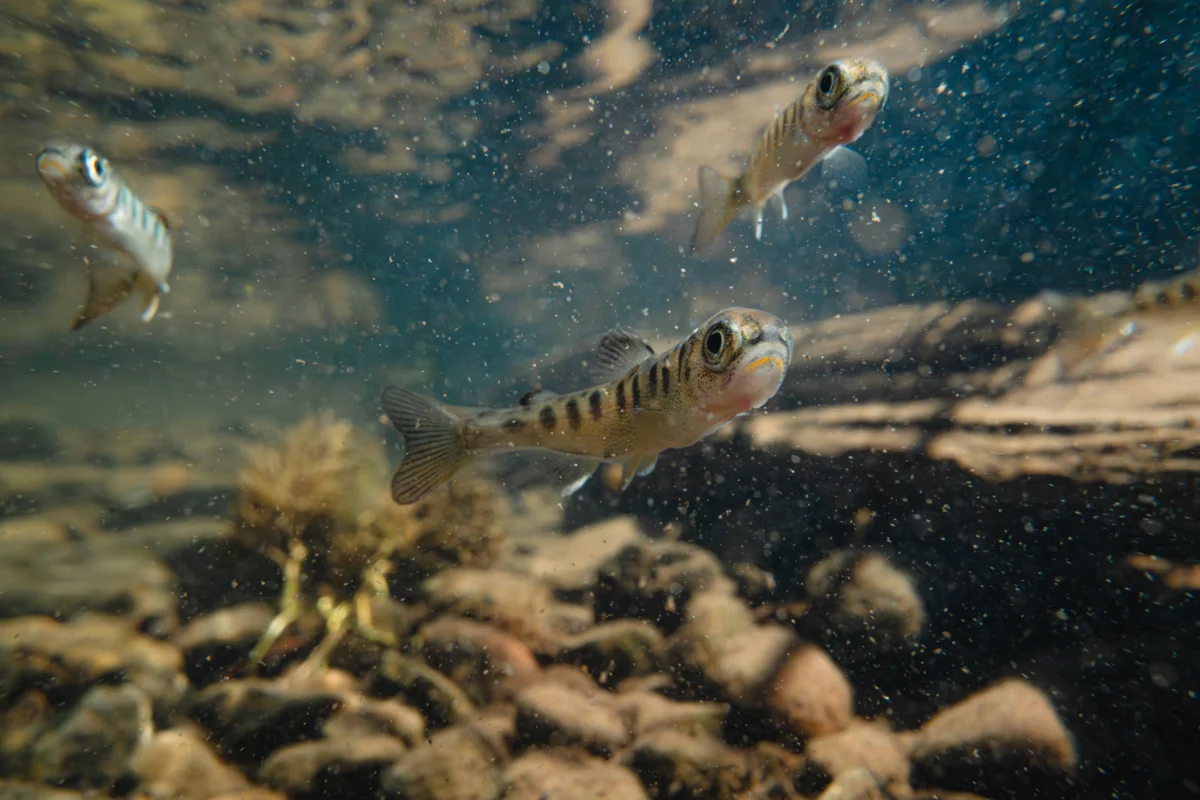
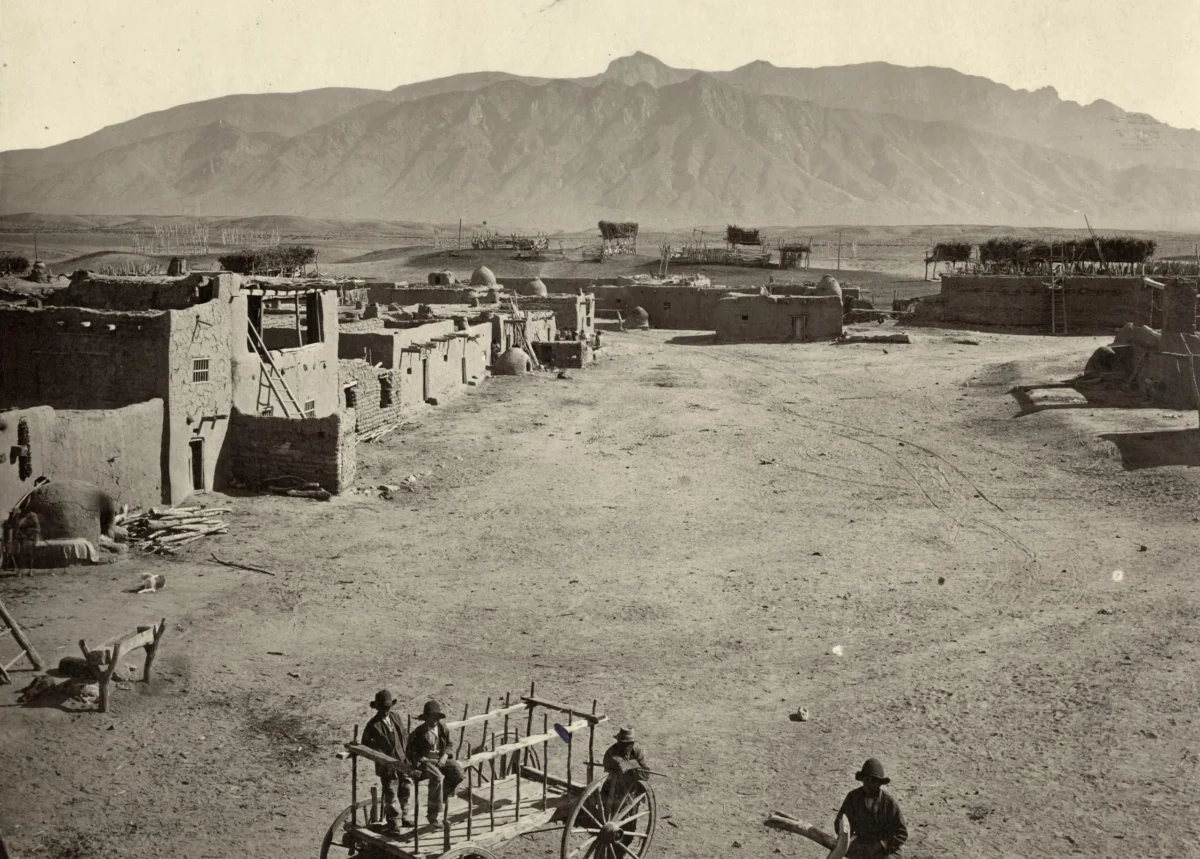
The very essence of the Klamath River begins in the ancestral lands of the Klamath Tribes, a confederation comprising the Klamath, Modoc, and Yahooskin peoples. As Tribal Chairman William Ray Jr. profoundly articulates, these waters emerge directly from the earth, a truth intimately known through generations of lived experience. These pristine headwaters converge to form the expansive Upper Klamath Lake in southern Oregon, from which the Klamath River embarks on its journey through Northern California, eventually meeting the vast Pacific Ocean. Along its entire 250-mile course, this vital waterway sustains a rich tapestry of aquatic life, particularly salmon and other anadromous fish, which historically formed the bedrock of the economies, culinary traditions, and medicinal practices for numerous tribal communities, including the Yurok Tribe situated downstream at the river’s mouth.
In an era predating extensive industrialization and dam construction, salmon were an indispensable component of the Klamath peoples’ diet, often accounting for as much as a third of their sustenance. Chairman Ray reverently describes salmon as a species of unparalleled power, endowed by the Creator with the unique ability to navigate both freshwater and saltwater environments, a gift intended for all Indigenous peoples to cherish. The historical significance of the Klamath River as a global salmon powerhouse is underscored by its status as once the world’s third-largest salmon producer, a testament to the basin’s extraordinary ecological productivity. This abundance facilitated extensive trade networks, exemplified by the ancient Klamath Trail, which traversed present-day Oregon to connect with Celilo Falls, a legendary fishery and international trade hub on the Columbia River, now submerged beneath the waters of a dam. Beyond sustenance, specific fish species, such as the c’waam (Lost River sucker) and koptu (shortnose sucker) from particular lake bends, or certain anadromous fish from the river, were integral to tribal medicine. When illness struck, specialized knowledge guided the retrieval of the appropriate fish, its gills eaten, or its head boiled to create potent medicinal broths, highlighting the deep, holistic connection between health, culture, and the natural environment.
However, this ancient equilibrium was shattered by the advent of hydroelectric dams, which began to degrade the river system profoundly in the early 20th century. These monumental structures blocked the essential migratory pathways of salmon and other anadromous fish, preventing their return to the crucial upper basin spawning grounds. Simultaneously, the altered water flows, temperatures, and sediment regimes behind the dams devastated native lake-dwelling fish populations. The Indigenous communities, acutely attuned to the subtle rhythms of their environment, observed these alarming declines long before Western scientific studies confirmed them. "We knew that there was something wrong beginning in the ’70s and especially the ’80s," Chairman Ray recalls, emphasizing that Indigenous knowledge, honed over millennia, recognized the drastic changes without external validation. Faced with the stark reality of vanishing fish, the Klamath Tribes convened emotionally charged meetings, culminating in the heart-wrenching and self-imposed decision in 1986 to cease fishing. This act of profound sacrifice was not merely an economic adjustment; it was a severe blow to the very fabric of their culture and identity, a painful erosion of practices passed down through countless generations.
The existential dilemma facing these communities is perhaps best encapsulated by a Umatilla elder’s poignant question, paraphrased by Chairman Ray: "How can you build a tribal traditional economy on species that are endangered?" For the Klamath Tribes, this is far from an abstract query. It translates into the agonizing reality of being unable to provide traditional medicines to ailing elders, denying them the ancestral fish that once offered healing. The cultural and spiritual void left by the absence of salmon created an immense burden, testing the resilience of a people deeply intertwined with their natural world.
Today, however, a profound shift is underway, signaling a more hopeful trajectory for the Klamath’s fish populations and the tribal cultures inextricably linked to them. In a monumental triumph for environmental justice and ecological restoration, four aging and inefficient hydroelectric dams on the lower Klamath River – Copco 1, Copco 2, Iron Gate, and JC Boyle – were systematically removed in October 2024. This unprecedented undertaking, recognized as the largest river restoration project in U.S. history, immediately yielded remarkable results. Pacific lamprey, steelhead trout, fall Chinook salmon, and other anadromous fish, blocked from their ancestral spawning grounds for over a century, wasted no time in migrating back to the newly accessible upper basin. Jordan Ortega, an anadromous fish specialist for the Klamath Tribes, reported an astonishing response, with approximately 20 coho salmon reaching as far as Oregon before the year’s end. "Almost all the anadromous species are responding favorably to dam removal," Ortega confirmed, a testament to the river’s ecological memory and innate resilience. While two dams, Kino and Link River, still persist in the upper Klamath River, equipped with fish ladders that are suboptimal for all species but nonetheless offer some passage, the overwhelming success of the initial removals has invigorated restoration efforts.
Earlier this year, the Bureau of Indian Affairs (BIA) and the National Oceanic and Atmospheric Administration (NOAA) jointly announced a competitive $5.9 million grant specifically earmarked for tribal salmon restoration initiatives. The Klamath Tribes, alerted to this critical opportunity by their Yurok relatives downstream, immediately recognized its potential. Chairman Ray swiftly initiated contact with the governor’s office and the Oregon Department of Fish and Wildlife (ODFW), an agency with whom the Klamath Tribes had already collaborated to develop comprehensive post-dam-removal plans for fish reintroduction and monitoring natural repopulation.
Yet, a disheartening bureaucratic hurdle quickly emerged. Chairman Ray discovered that the BIA and NOAA grant was ostensibly intended only for "salmon restoration tribes." Due to the extirpation of salmon from Klamath ancestral territory for over a hundred years, the federal government paradoxically did not classify them as a current "salmon tribe," rendering them ineligible for the very funding designed to restore salmon. Ray expressed his profound dismay, questioning the logic: "We’re trying to put salmon back into our territory, right? So how couldn’t we be a salmon tribe?" This incident starkly highlighted the systemic challenges Indigenous communities often face, where historical injustices, such as dam construction, are compounded by administrative definitions that inadvertently penalize their long-standing efforts for ecological recovery.

Fortunately, the enduring spirit of inter-tribal solidarity proved instrumental. Mike Belchik, the Yurok Tribe’s senior water policy analyst, swiftly intervened. "First thing I did was contact Bureau of Indian Affairs and said, ‘Can you add Klamath Tribes to the list?’" Belchik recounted. Although the BIA stated it was too late in the application process for such an amendment – explaining that the funding prioritized "certain hatcheries that raise stocks of Pacific salmon" – the Yurok Tribe demonstrated unwavering support. They applied for the grant themselves and extended a vital invitation for the Klamath Tribes to collaborate on their application. This act of profound partnership resulted in the BIA jointly awarding the grant to the Yurok Tribe, the Klamath Tribes, and the Oregon Department of Fish and Wildlife. Belchik clarified that the Yurok Tribe would serve primarily in an administrative "pass-through" capacity, directing the funds to the Klamath Tribes, underscoring their commitment to a shared vision of a restored river.
Despite narratives in some circles that portray the Yurok and Klamath Tribes as rivals over water rights – the former striving to restore salmon in the lower basin, the latter seeking the same water to save c’waam and koptu upstream – Belchik adamantly refutes this perception. "Our council, our leadership, pledged to help the Klamath Tribes in any way they could," he affirmed. "We made a promise to them. When this funding opportunity came up, that’s who we thought of." He emphasized that both tribal nations stand to gain immensely from an expanded run of spring Chinook, illustrating a profound understanding that the entire basin functions as an interconnected ecosystem. "We have pushed, as have the Klamath Tribes, for the treatment of the entire basin as an ecosystem of which all parts are important," Belchik explained, adding, "It’s heartfelt. My direction from council is to make that real."
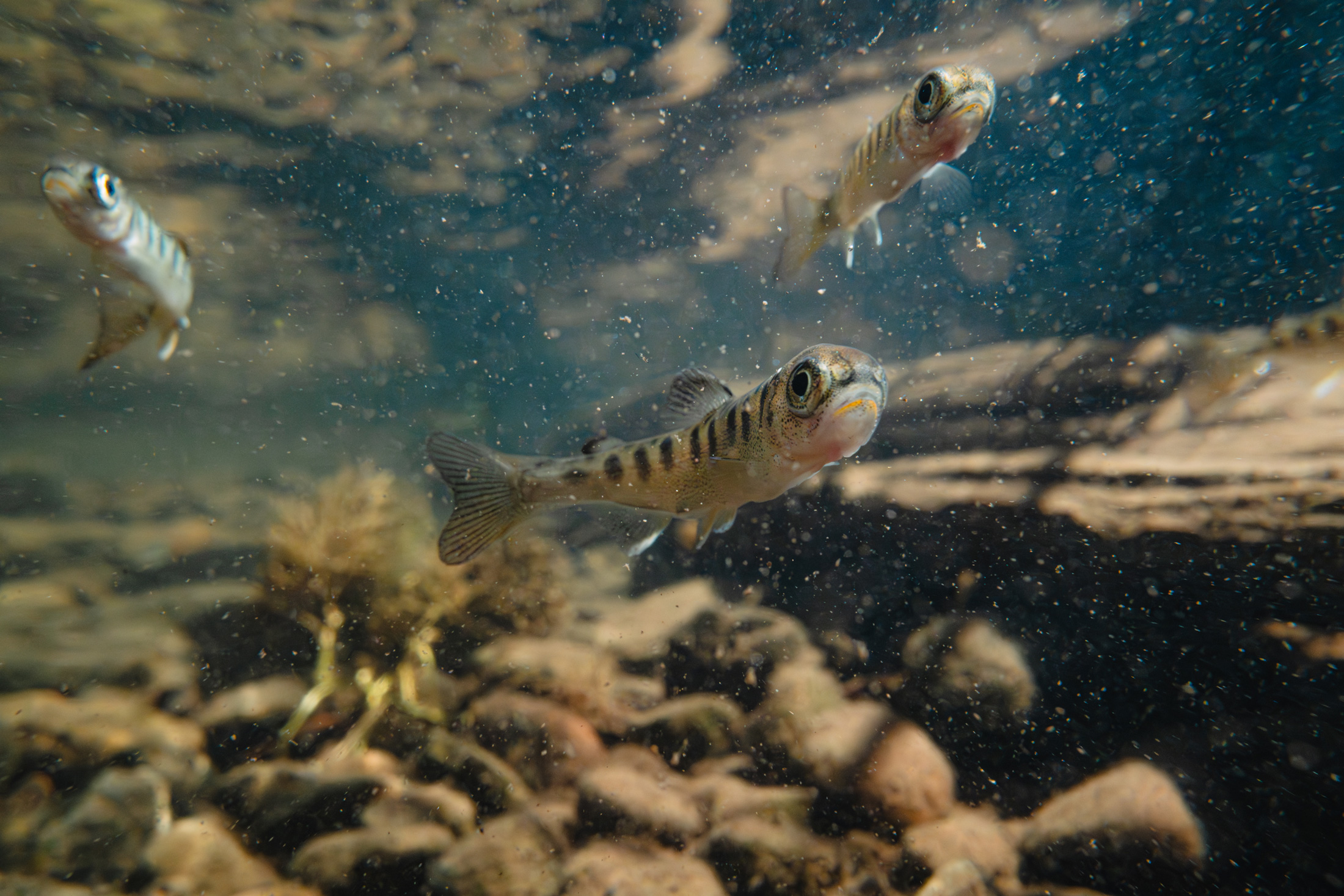
This critical grant is now fueling the expansion and deployment of innovative "remote site incubators," as detailed by Jordan Ortega. These ingenious devices consist of panels, each roughly the size of a salmon redd (a natural salmon nest), strategically placed in the water. They meticulously mimic the optimal conditions necessary to support thousands of fertilized eggs, offering crucial protection from predation and environmental threats. The overarching goal is to deploy these incubators across a diverse array of thermal and flow regimes, thereby fostering maximum "life-history diversity." This biological strategy, inherent to Chinook salmon, enables them to adapt and thrive across varied environmental conditions, bolstering the resilience of the species against future ecological challenges, including climate change. Unlike traditional hatcheries, remote site incubators aim to nurture wilder populations, preserving genetic diversity and natural behaviors.
The immediate post-dam removal response has been nothing short of astonishing. While salmon typically exhibit a strong homing instinct, with only about 5% venturing into new territories to spawn, the Klamath fish defied these statistics. Out of an estimated 60,000 to 70,000 returning fish, an extraordinary 13,000 migrated past the former dam sites, a significantly larger fraction than typically observed. This powerful drive to recolonize ancestral spawning grounds speaks volumes about the river’s potential for rapid recovery. The efficacy of the remote site incubators has also been validated; initial trials with 10,000 fertilized eggs sourced from the Trinity River Hatchery yielded an impressive hatch-success rate exceeding 99%.

Just last month, a truly historic moment occurred: the first spring Chinook in over a century returned to the upper basin. While most returning salmon thus far have been fall-run Chinook, the return of "springers" holds particular cultural and ecological significance. Spring Chinook, widely revered for their exceptional flavor and higher fat content, are more narrowly distributed, with strongholds primarily in the lower basin’s Trinity and Salmon Rivers, closer to the ocean. Their smaller population size means they require additional support to re-establish themselves in the upper basin, precisely the role the remote site incubators are designed to fulfill.
Chairman Ray also highlighted a persistent challenge: the historical denial by many non-Native locals that salmon ever populated the upper basin. The undeniable presence of returning fish now serves as a powerful refutation. "They’re here," Ray declared, "now it’s undeniable." He recounted overhearing non-Native individuals in a restaurant expressing excitement about the salmon’s return and their eagerness to fish them, seemingly unaware of the profound irony. Ray emphasized that these are "treaty protected resources under the Treaty of 1864," underscoring the legal and historical rights of the Klamath Tribes. "We’re the one that’s been harmed here," he asserted, advocating for justice and recognition of treaty rights in future resource management. Mike Belchik echoed a long-term vision, stating that the ultimate goal of dam removal is to achieve "a harvestable surplus for all," a future where sustainable fishing can benefit everyone. However, Phil Milburn, a wildlife biologist at the Oregon Department of Fish and Wildlife, prudently cautioned that discussions about harvest are "probably years away," as the immediate objective remains the re-establishment of robust populations. The tribes plan to install new remote site incubators next year, with adult springers anticipated to return in greater numbers as early as 2030.
Chairman Ray envisions the Klamath watershed restoration as a global exemplar, particularly given the absence of a large metropolitan area within the basin. "There’s an opportunity for us to set a new standard, to show America that we can restore, as humans, a watershed that’s been degraded for the last 100-plus years," he stated with conviction. He expressed immense pride that tribal nations are at the forefront of this monumental effort, demonstrating unparalleled leadership in conservation and environmental stewardship. "There’s a lot of positive things going on, and we’re fighting like heck," Ray concluded, reflecting the urgency and determination driving this historic endeavor. "We have to be very speedy. We have to have all cylinders going." The Klamath River’s rebirth is not just an ecological success story; it is a powerful narrative of Indigenous resilience, inter-tribal collaboration, and a profound commitment to healing the land and its people.