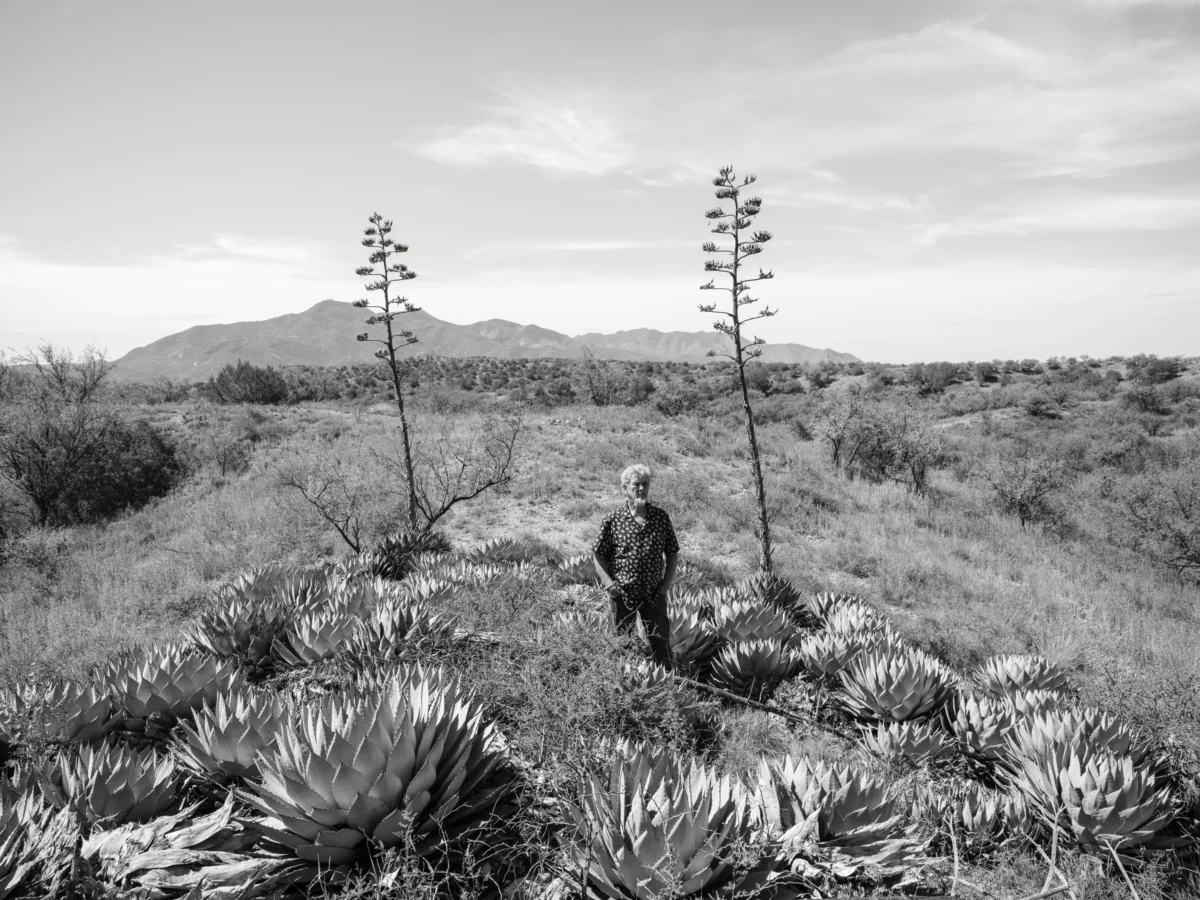
Rocky Gerung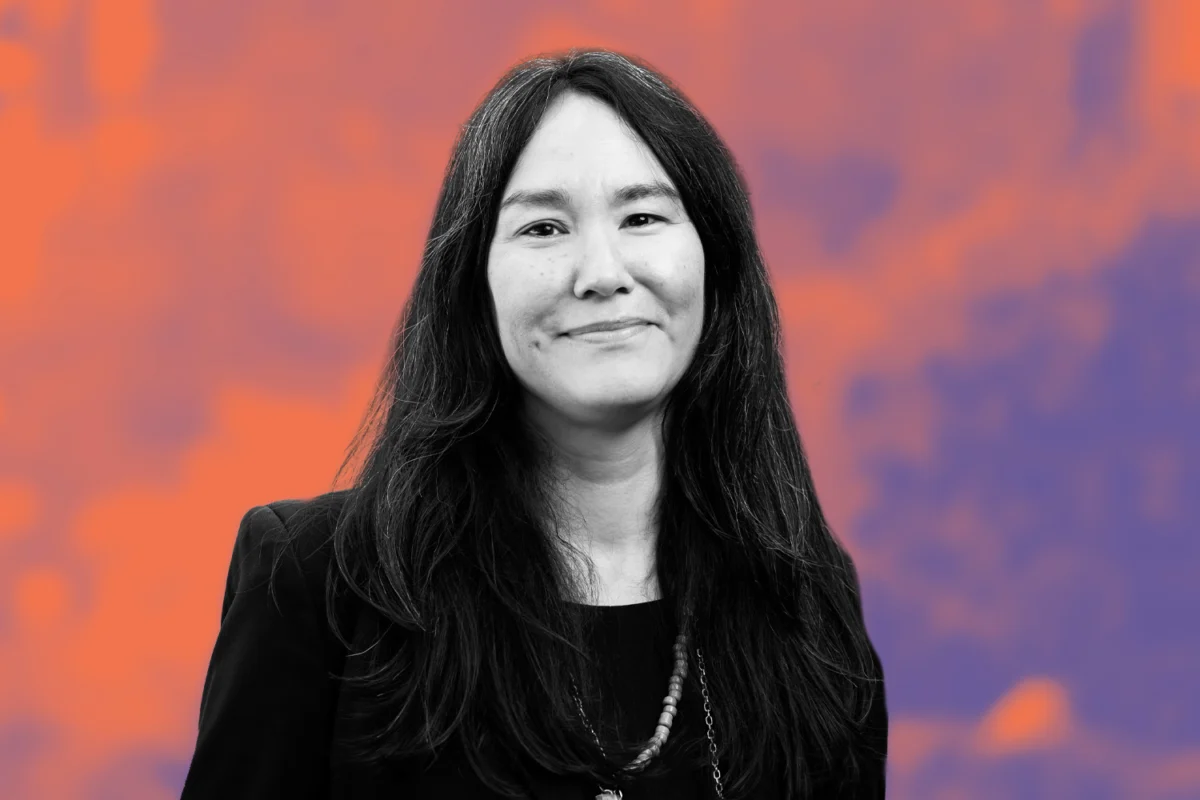
The stark beauty and profound sorrow of the Arctic landscape serve as the canvas for Joan Naviyuk Kane’s latest poetic exploration, a deeply personal yet universally resonant meditation on memory, environmental degradation, and the enduring strength of Indigenous identity. Kane, a celebrated Inupiaq poet and scholar, weaves a narrative that confronts the ravages of climate change and historical trauma with a voice that is both urgent and elegiac, demanding reflection from her readers.
Kane’s poetry often delves into the liminal spaces between past and present, between the physical and the spiritual, and in this work, she positions language itself as a fragile vessel grappling with immense forces. She articulates a profound sense of unease, describing her language as having "taken on all manner of smog," a potent metaphor for how the pressing realities of pollution and environmental collapse can obscure and contaminate even the most fundamental forms of communication and understanding. This self-awareness of language’s limitations is not a surrender but a deliberate artistic choice, an attempt to articulate the inarticulable in the face of overwhelming change.
The poet expresses a deep-seated apprehension, confessing, "I come to fear the things that inspire me in the wake of our destroyers." This striking paradox highlights the complex emotional terrain she navigates, where the very elements that fuel her creativity are inextricably linked to the destruction of her homeland and her heritage. The "destroyers" can be interpreted as the forces of industrialization, resource extraction, and the climate crisis, all of which leave indelible scars on the Arctic and its peoples. Kane’s fear is not of inspiration itself, but of the source of that inspiration—the altered, damaged world that now exists.
Central to her reflection is a communion with her deceased ancestors and peers, whose spectral presence imbues her work with a sense of ancestral wisdom and a poignant lament for what has been lost. She perceives their desire not for "pretty things" or sanitized descriptions of suffering, but for an honest reckoning with the profound pain inflicted upon their land and their way of life. This desire for authenticity and truth resonates with the broader Indigenous struggle to reclaim narratives that have been historically misrepresented or silenced.

Kane’s imagery of "gold dredges hinging into the earth" paints a vivid picture of resource extraction that scars the land, mirroring the disruption of ancient ecosystems. The image is further intensified by the sinking sensation, as "permafrost thaws, as we all slink down into a kind of hell." This descent into a hellish landscape is a direct consequence of melting permafrost, a critical indicator of global warming’s impact on the Arctic. The thawing permafrost not only threatens infrastructure and traditional hunting grounds but also releases ancient carbon stores, potentially accelerating climate change in a dangerous feedback loop. The phrase "we all slink down" suggests a collective vulnerability and a shared descent into a degraded future, underscoring the interconnectedness of human actions and environmental consequences.
In a powerful act of catharsis and remembrance, Kane invites readers to "wash ourselves in those waters" and "thirst because we cannot drink them." This paradoxical call speaks to the contaminated state of Arctic waters, once pristine sources of life, now tainted by pollution and the effects of climate change. The thirst she evokes is not merely physical but also a spiritual and cultural yearning for a lost purity and a sustainable future that seems increasingly out of reach. It is a call to acknowledge the profound loss and to feel the ache of what can no longer be.
The poet then turns to the oral traditions of her people, asking mothers to recount their girlhoods. These memories are not of idyllic innocence but of a time when survival and connection to tradition often involved acts of desperate resilience. The poignant image of rolling "willow leaves tight in toilet paper" and smoking them—not for recreation or oblivion, but "only to see visions of Mary"—speaks volumes about the deep spiritual yearnings and the cultural adaptations born out of hardship. This "Mary" is not necessarily a religious figure in the Western sense, but a symbol of a guiding, maternal presence, a source of solace and insight in a world that offered little comfort. This act of smoking, while seemingly mundane, becomes a ritual, a way to access altered states of consciousness to seek answers and strength.
This particular passage offers a glimpse into the complex intermingling of Indigenous spiritual practices and the influences of external cultures, a phenomenon often observed in communities undergoing rapid societal change. It highlights the adaptive nature of belief systems and the persistent human need for connection to something larger than oneself, especially when faced with immense environmental and social pressures.
Joan Naviyuk Kane’s work is a vital contribution to contemporary literature, offering a crucial perspective on the Arctic’s ecological crisis and its human cost. Her poetry serves as a powerful testament to the resilience of Indigenous cultures, their deep connection to the land, and their unwavering determination to preserve their heritage in the face of unprecedented challenges. As a 2025 USA Fellow and co-editor of "Circumpolar Connections: Creative Indigenous Geographies of the Arctic," Kane is at the forefront of a movement to amplify Indigenous voices and perspectives on the Arctic, a region increasingly central to global climate discussions. Her collections, including "The Cormorant Hunter’s Wife," "Hyperboreal," "Milk Black Carbon," and "Dark Traffic," have consistently explored themes of place, memory, and identity, solidifying her reputation as a poet of profound insight and unwavering integrity. This latest work, published in the July 2026 print edition of the magazine under the title "Apparitional," further cements her legacy as a crucial chronicler of the Arctic’s evolving landscape and the enduring spirit of its people. Her writing not only mourns what is being lost but also insists on the visibility and survival of Indigenous presence and knowledge systems in a world grappling with profound transformation.