Johny Prima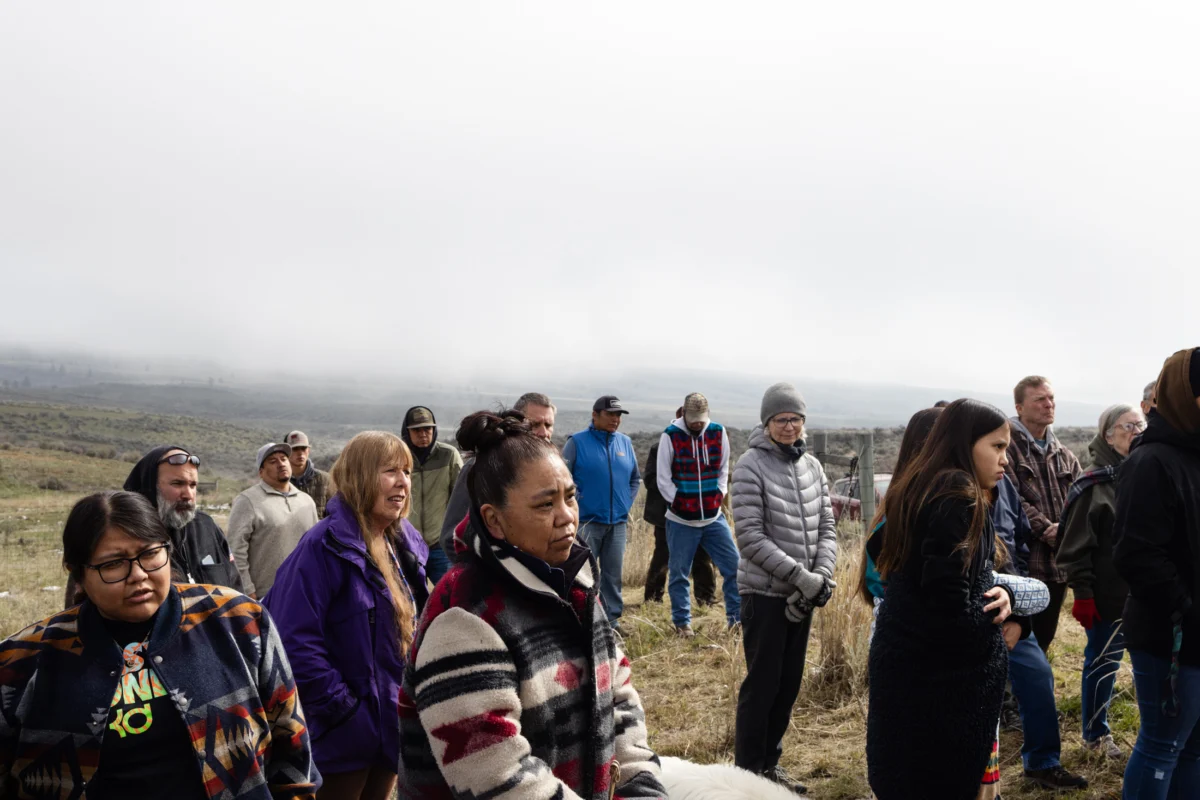
Energy developer Avangrid this month formally withdrew its long-standing permit application to construct an industrial-scale solar facility on a site profoundly sacred to the Confederated Tribes of the Colville Reservation and the Confederated Tribes and Bands of the Yakama Nation. This pivotal decision marks a significant victory for indigenous rights and cultural preservation, bringing an end to a protracted dispute over the proposed Badger Mountain project in central Washington, a landscape imbued with centuries of tribal heritage and spiritual significance. The withdrawal underscores the increasing global scrutiny of renewable energy developments that infringe upon ancestral lands and highlights the critical importance of respecting indigenous sovereignty in the pursuit of sustainable infrastructure.
Badger Mountain, a prominent geological feature in Washington’s Columbia Basin, holds immeasurable cultural and historical value for the indigenous peoples who have stewarded these lands since time immemorial. For the Colville Tribes, which encompass twelve distinct bands including the Wenatchi-P’squosa, and the Yakama Nation, the mountain is far more than just terrain; it is an active cultural landscape, a living repository of ancestral knowledge, and a crucial site for traditional practices. Generations have relied on its slopes for vital food gathering, harvesting an abundance of roots, berries, and medicinal plants, and for conducting sacred ceremonies that connect them to their ancestors and the spiritual world. These traditions, fundamental to their identity and survival, are actively practiced today, demonstrating an unbroken chain of cultural continuity. The proposed project site itself straddled a complex mosaic of private land and public parcels owned by the Washington Department of Natural Resources (DNR), a detail that brought into sharp focus the nuanced legal and ethical obligations surrounding tribal access and cultural rights on public domain.
The inherent conflict between the solar development and these deeply held indigenous rights gained significant public traction following a comprehensive 2024 investigation by High Country News and ProPublica. This collaborative exposé meticulously detailed how Avangrid’s ambitious solar plans threatened to irrevocably damage or obstruct the tribal nations’ constitutionally protected rights to practice their cultural traditions on public lands, igniting a broader conversation about environmental justice and the ethical sourcing of green energy. The investigation served as a catalyst, galvanizing tribal communities and their allies to amplify their voices against the project.
In the wake of this heightened awareness, the Confederated Tribes of the Colville Reservation expressed profound relief and satisfaction. Chairwoman Cindy Marchand articulated the Tribes’ position in a statement, emphasizing a dual commitment: "While the Colville Tribes certainly appreciates the value of renewable energy such as solar power, sacred sites must remain pristine to pass down to future generations. We appreciate Avangrid Power LLC’s decision to withdraw this project and we trust that they can find a more appropriate site." This statement encapsulates a sentiment increasingly echoed by indigenous communities worldwide: a willingness to embrace sustainable energy solutions, but not at the expense of their sacred places and cultural heritage.
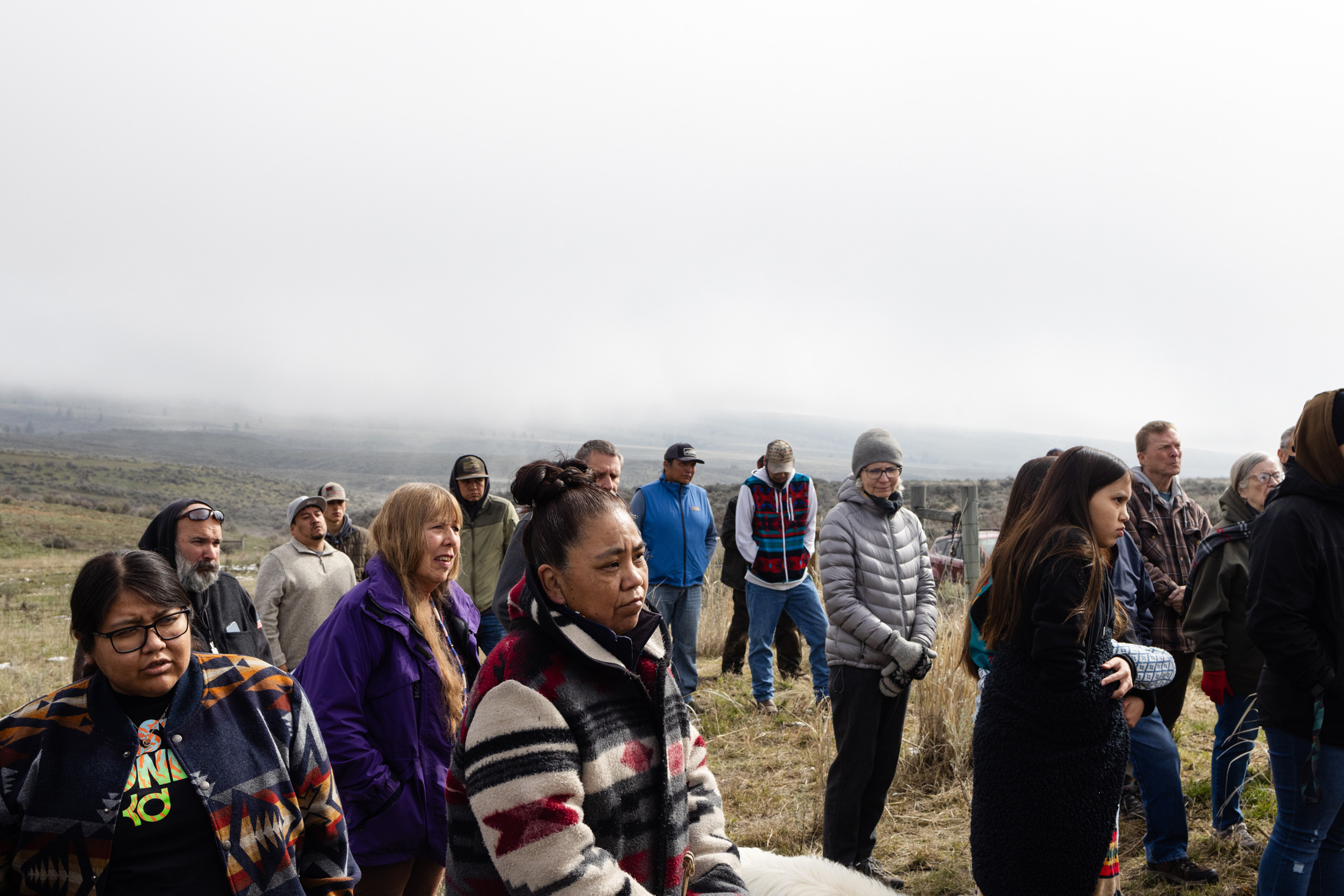
The Wenatchi-P’squosa, one of the twelve constituent bands of the Confederated Colville Tribes, played a crucial role in direct action. Following the investigative report, members organized a powerful demonstration on Badger Mountain, unequivocally stating their support for renewable energy but drawing a firm line against its placement on culturally vital sites. This demonstration, orchestrated by the Wenatchi Advisory Group—an independent body dedicated to advocating for the specific interests of its Wenatchi-P’squosa constituents—highlighted the deep spiritual and historical ties that bind the community to the land. Such public expressions of dissent are often among the few formal avenues available for tribal nations to advocate for their inherent rights regarding land development, underscoring the systemic challenges they face in protecting their ancestral domains. In response to the growing public and tribal outcry, Avangrid initially announced a "pause" in development, signaling a willingness to reconsider tribal input and public response, a temporary reprieve that ultimately paved the way for the project’s complete withdrawal.
While the outcome is a clear win for tribal nations, the precise motivations behind Avangrid’s final decision remain somewhat opaque. Official permitting proceedings suggest that the company’s rationale was not primarily driven by tribal considerations, but rather by unforeseen construction delays affecting other crucial grid infrastructure. At a state energy permitting meeting earlier this month, Avangrid had requested yet another year-long extension to pause its permitting work—while crucially keeping the project active within the state’s system—citing significant delays from the Bonneville Power Administration (BPA). Mark Eilers, Avangrid’s senior director of business development, informed the Energy Facility Site Evaluation Council (EFSEC) that the BPA’s Cross-Cascades North transmission line, a vital project aimed at reinforcing power delivery from eastern Washington to the burgeoning Seattle metropolitan area, faced an anticipated four-year delay, pushing its completion to 2032. Eilers implied, though did not explicitly state, that this extended timeline for grid connectivity was the primary driver for Avangrid’s request to delay the solar project. Both Avangrid and the Department of Natural Resources declined to offer further clarification on the company’s reasoning for the withdrawal, leaving a degree of ambiguity.
The state permitting authority, EFSEC, which hosted the July meeting, plays a pivotal role in balancing energy development with environmental and cultural protections. EFSEC Chair Kurt Beckett, while acknowledging the legitimate objections of the Yakama Nation and the Colville Tribes regarding the solar project’s potential environmental and cultural impacts, remarked, "We try to minimize as much of that noise" as possible in the public forum. However, he also conceded, "I don’t wish to overemphasize those, but ultimately they exist," adding that tribal objections should indeed be considered in the state’s permitting decisions. Just five days after Avangrid sought this year-long extension, the company filed a request for a complete withdrawal of its proposal, a project that had been in development since at least 2019. EFSEC formally announced the withdrawal, stating its intention to "process this request by closing out existing financial arrangements and notifying interested and agency partners," deferring further comment to the developer.
This case on Badger Mountain resonates with a global narrative where the urgent need for renewable energy development often collides with the equally urgent imperative to protect indigenous rights and sacred sites. Across continents, from wind farms in Arctic regions to geothermal projects on ancestral lands in New Zealand and solar installations in the American Southwest, indigenous communities are increasingly challenging energy projects that fail to secure their Free, Prior, and Informed Consent (FPIC), a principle enshrined in the United Nations Declaration on the Rights of Indigenous Peoples (UNDRIP). The Badger Mountain outcome serves as a powerful reminder that "green energy" must also be "just energy," developed in a manner that respects cultural heritage, environmental integrity, and the self-determination of indigenous nations. It underscores a growing awareness among developers and policymakers that meaningful engagement with tribal communities from the earliest stages of project planning is not merely a regulatory hurdle but an ethical imperative and a pathway to more sustainable and equitable development.
Despite the lingering questions surrounding Avangrid’s specific motives, the palpable relief and profound satisfaction within the Wenatchi Advisory Group are undeniable. Steven Wynecoop, Vice Chair of the Wenatchi Advisory Group and grandson of its revered founder, Matthew Dick, articulated the community’s joy: "We are very, very happy that they chose to go this route with us, ’cause it is a very sacred site to us." Wynecoop’s words paint a vivid picture of Badger Mountain’s enduring significance: "Generations, we’ve been going to that mountain for plenty of reasons: medicines, foods like roots and berries," he explained, adding that families continue to journey there for vital ceremonies, maintaining ancient connections. He shared a poignant family anecdote, tracing back through Wenatchi lineages, illustrating the deep personal and historical ties to Badger Mountain. Wynecoop recounted how, when his grandfather Matthew was young, his family was gathering medicines on the mountain when they encountered landowners. "A white couple showed up in their car and pulled over and started talking to my grandma, because they adored her son, Uncle Terry, so much." Terry, Matthew’s brother, was charmingly fishing in a puddle with a stick and string. "They thought he was just adorable," Wynecoop recalled, echoing a story his grandfather often shared at ceremonies. "They wanted to adopt him. They offered their part of Badger Mountain to her for her kid—which, of course, she turned them down." Wynecoop chuckled, adding, "We would always laugh, ’cause Grandpa would always say ‘Yeah, now here we are—no Badger Mountain, but we got Terry!’" This story, passed down through generations, encapsulates the inextricable bond between the Wenatchi people and Badger Mountain, a bond that ultimately prevailed over industrial development.
The withdrawal of the Badger Mountain solar project stands as a testament to the persistent advocacy of indigenous communities and a potent symbol of the ongoing struggle for environmental justice and cultural preservation in the face of expanding energy infrastructure. It sends a clear message to developers and governments alike: the transition to a renewable energy future must be undertaken with profound respect for ancestral lands and the inherent rights of indigenous peoples, ensuring that progress does not come at the cost of irreplaceable cultural heritage.