Joko Susilo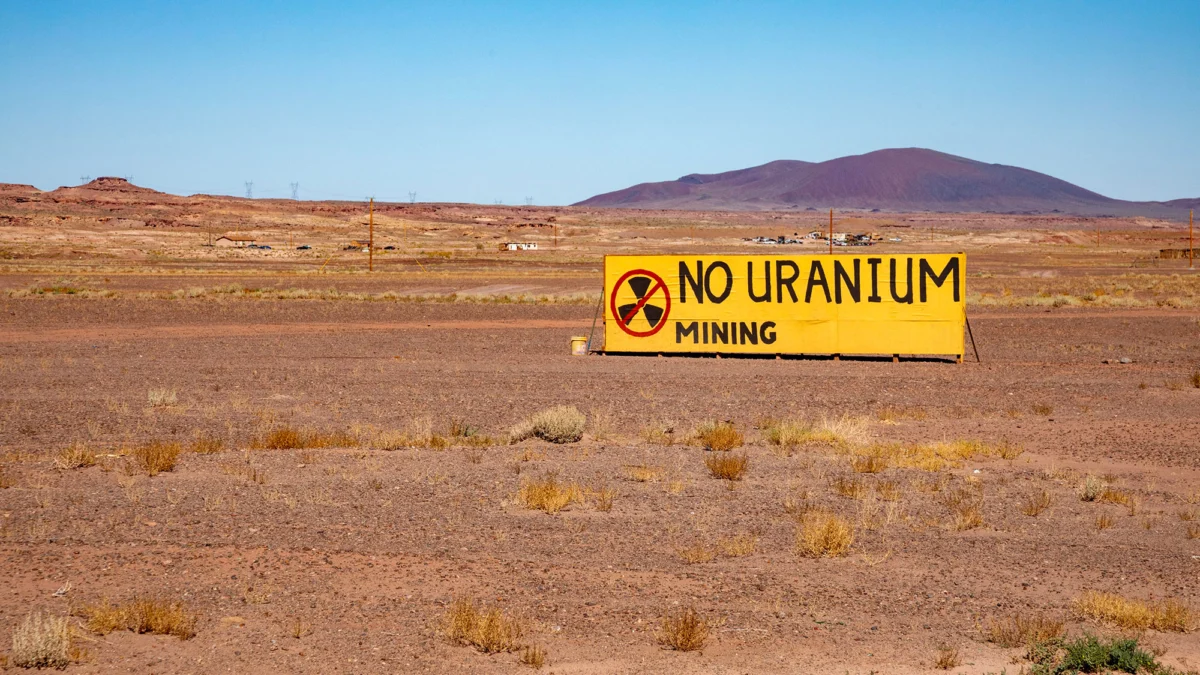
Congressional Democrats have initiated a formal investigation into Energy Fuels, a prominent mining company, following revelations that its CEO and chairman acquired substantial shares in the firm just days before former President Donald Trump significantly reduced the boundaries of the Bears Ears National Monument in southeastern Utah. This move has reignited a fierce debate over public land management, resource extraction, and the sanctity of Indigenous cultural heritage, while simultaneously raising serious questions about potential insider trading.
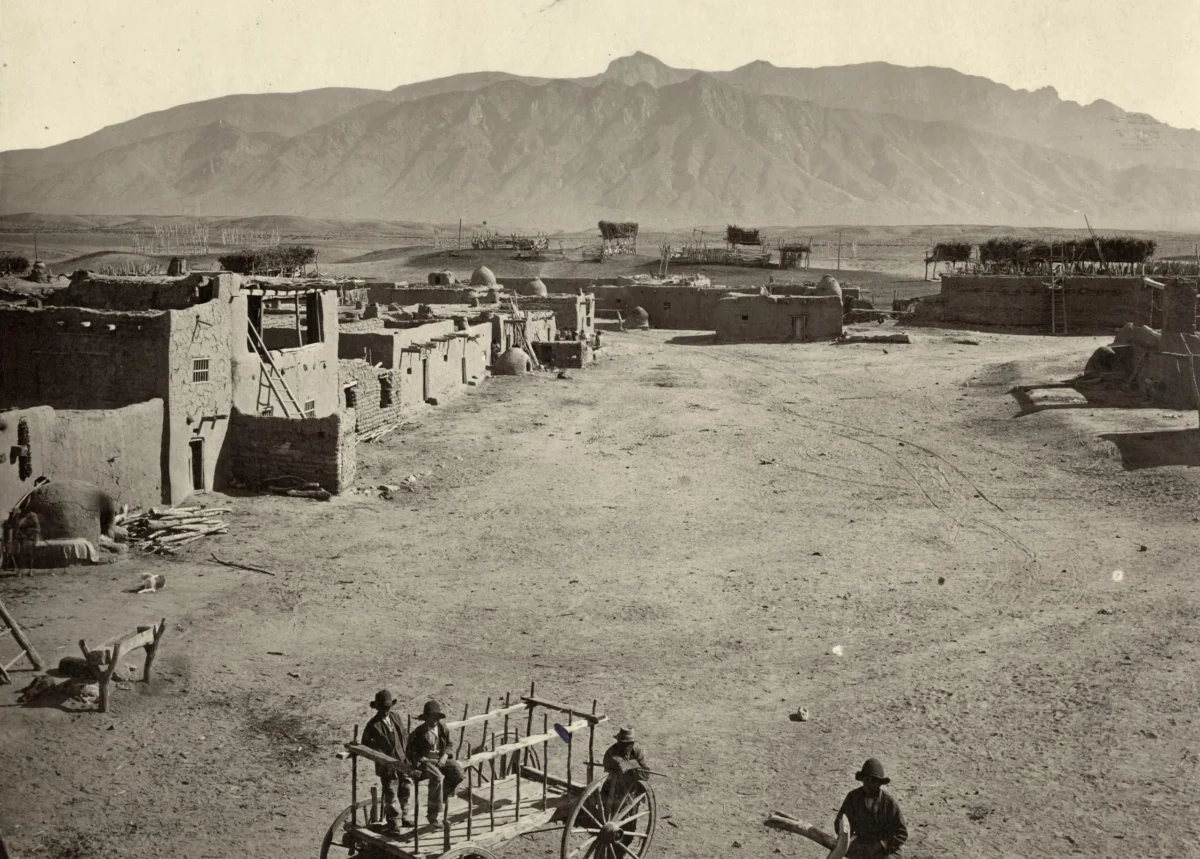
At the heart of the controversy stands Energy Fuels’ White Mesa Mill, located approximately one mile from the original boundary of Bears Ears. This facility holds a unique and critical position as the last conventional uranium processing site in the United States. Its proximity to the monument has historically placed it at the nexus of conservation efforts and the drive for domestic mineral production. The monument, initially established by President Barack Obama in December 2016, protects a vast expanse of ecologically diverse and culturally significant land, sacred to numerous Native American tribes. Its initial designation was a landmark achievement for tribal co-management and conservation, safeguarding an estimated 100,000 archaeological sites, including ancient cliff dwellings, petroglyphs, and ceremonial sites that narrate millennia of Indigenous history.
The specific transactions under scrutiny occurred recently, as reported by Democrats on the House Natural Resources Committee. Energy Fuels CEO Ross Bhappu reportedly purchased 74,000 shares of the company’s stock in early July, marking the largest insider purchase in the firm’s history and increasing his ownership stake to 41 percent. The following day, Board Chairman Bruce Hansen acquired an additional 4,000 shares. Less than a week after these significant insider trades, former President Trump issued a proclamation that dramatically cut Bears Ears National Monument by 90 percent, stripping protection from 1.24 million acres and effectively reopening these lands to potential mining and other extractive activities. This action mirrored a previous decision during his first term, when he reduced the monument’s size by over 85 percent in 2017, a move that President Joe Biden subsequently reversed in October 2021, restoring the monument’s original boundaries. The recent downsizing, therefore, represents a renewed assault on an already contested landscape.
The Bears Ears Commission, a coalition representing five tribal nations—the Hopi Tribe, Navajo Nation, Ute Mountain Ute Tribe, Ute Indian Tribe of the Uintah and Ouray Reservation, and Zuni Tribe—swiftly condemned the reduction. In a powerful statement, the Commission declared that the decision "weakens protections for a living cultural landscape and sacred ancestral homeland that has been cared for by Indigenous peoples since time immemorial and is a major setback to one of the nation’s most extraordinary models of collaborative management of public lands between Tribal Nations and federal agencies." This sentiment underscores the deep spiritual, historical, and cultural connection these tribes hold to Bears Ears, which they view not merely as a collection of archaeological sites, but as an active, living landscape integral to their identity and heritage.
The investigation was formally announced by Representative Jared Huffman (D-California), the ranking member of the House Natural Resources Committee, and Representative Maxine Dexter (D-Oregon), ranking member of the Oversight and Investigations Subcommittee. In a letter addressed to Bhappu, the lawmakers explicitly stated, "We understand that monument boundaries were redrawn in a way that could benefit Energy Fuels." The letter demands comprehensive communication records between Energy Fuels executives and federal officials, along with detailed lobbying contracts, seeking to uncover any undue influence or prior knowledge that might have informed the executives’ stock purchases.
Energy Fuels has strongly rejected any allegations of wrongdoing. A company spokesperson, acknowledging receipt of the congressional letter, stated that the firm "is unaware of any evidence supporting claims of wrongdoing… and strongly rejects any suggestion that the Company or its executives engaged in any improper conduct." The spokesperson further asserted that "The White Mesa Mill has never been located in the Bears Ears National Monument, Energy Fuels holds no properties, mining claims, or economic interests in the monument, and we have not actively advocated for any changes to the monument with the current Administration." The company emphasized its commitment to regulatory compliance, stating that it "follows federal, state, and local regulations to protect communities and the environment" and that the White Mesa Mill "is one of the most highly regulated mineral processing facilities in the United States and plays a critical role in strengthening domestic supply chains."

However, historical records complicate Energy Fuels’ claims of non-advocacy. Documents from 2017 indicate that Energy Fuels actively pressured the first Trump administration to shrink Bears Ears in a manner that would directly benefit the company’s operational interests, just months before the monument’s initial reduction. The sandstone deposits within the monument’s original boundaries are known to contain valuable reserves of both uranium and vanadium, minerals central to Energy Fuels’ business model.
Beyond uranium, Energy Fuels has strategically diversified into the burgeoning market for rare earth elements. The company recently announced a significant expansion of its White Mesa Mill to process heavy rare earth materials, which are indispensable components in a vast array of modern technologies, including data centers, electric vehicles, renewable energy systems, and advanced robotics. This pivot aligns with a broader national security imperative to reduce reliance on foreign, particularly Chinese, sources for these critical minerals.
Indeed, a hypothetical second Trump administration has signaled an even more aggressive push for domestic critical mineral mining. This policy direction is not merely economic; it is framed as a matter of national security, vital for technological independence and defense capabilities. The Department of Defense has already demonstrated tangible support, issuing a $725 million loan to Energy Fuels in June to bolster its rare earth element development. Energy Fuels itself highlighted "strong government support" as a key competitive advantage in an investor presentation filed with the U.S. Securities and Exchange Commission. This was further underscored by a recent announcement from former President Trump promising a $3 billion investment in critical mineral mining and battery project development, signaling a clear intent to prioritize domestic resource extraction.
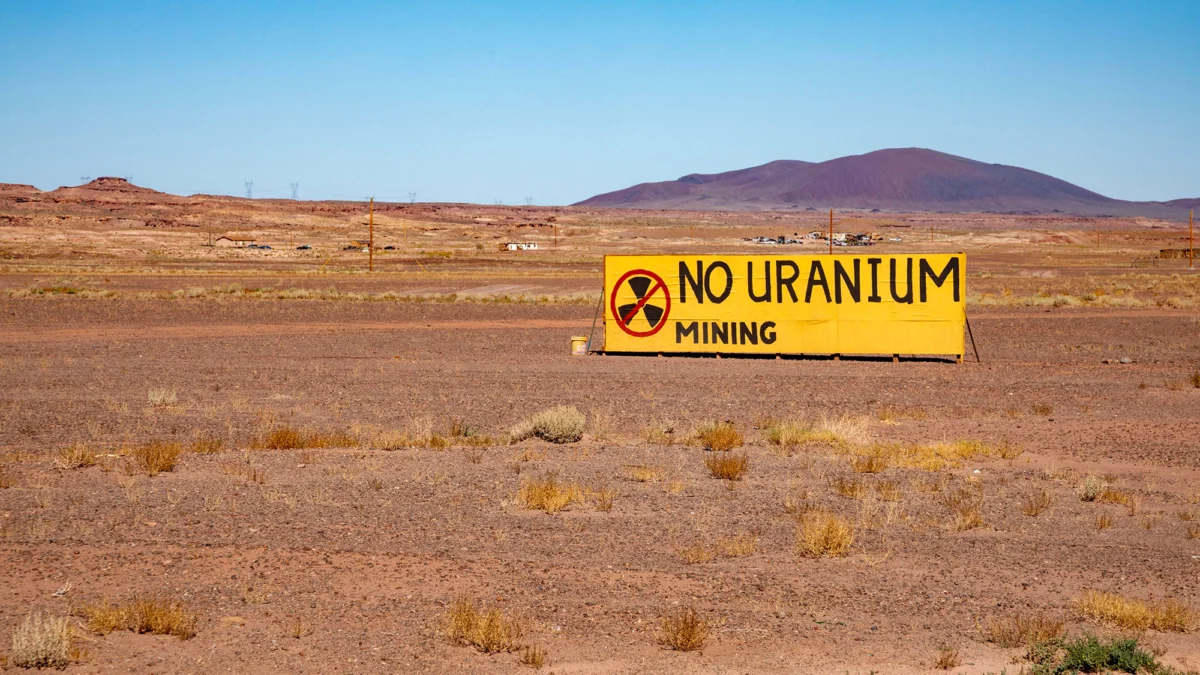
Despite the national security rhetoric, the White Mesa Mill has long faced intense scrutiny and opposition from the coalition of tribal nations and environmental advocacy groups. Accusations against the company include secretly transporting radioactive materials through tribal lands and storing hazardous waste in ways that pose severe risks to water quality and public health in the arid southeastern Utah region. The mill’s tailings ponds, containing radioactive and toxic byproducts of uranium processing, are a particular concern for communities reliant on scarce water resources. Critics argue that the facility operates like an "unregulated, bargain-bin waste dump on the doorstep of an Indigenous community," directly contradicting the company’s claims of being highly regulated.
The Democratic lawmakers’ letter to Energy Fuels encapsulates this sentiment, stating, "Instead of respecting the Tribes for whom Bears Ears is sacred, you appear to be enriching yourself from their devastation." This stark accusation highlights the profound ethical and environmental dimensions of the ongoing investigation, juxtaposing corporate profit motives against Indigenous rights and the protection of irreplaceable natural and cultural heritage.
The unfolding investigation not only probes potential financial impropriety but also delves into the complex interplay of corporate lobbying, executive decision-making, and public land policy. It represents a critical juncture in the long-standing national debate over balancing resource extraction with environmental conservation and tribal sovereignty. As the demand for critical minerals like uranium and rare earths intensifies globally, driven by the clean energy transition, geopolitical tensions, and technological advancements, the stakes surrounding facilities like the White Mesa Mill and protected areas like Bears Ears National Monument will only continue to rise. The outcome of this congressional inquiry could have far-reaching implications for corporate accountability, environmental justice, and the future of America’s public lands.