Joko Susilo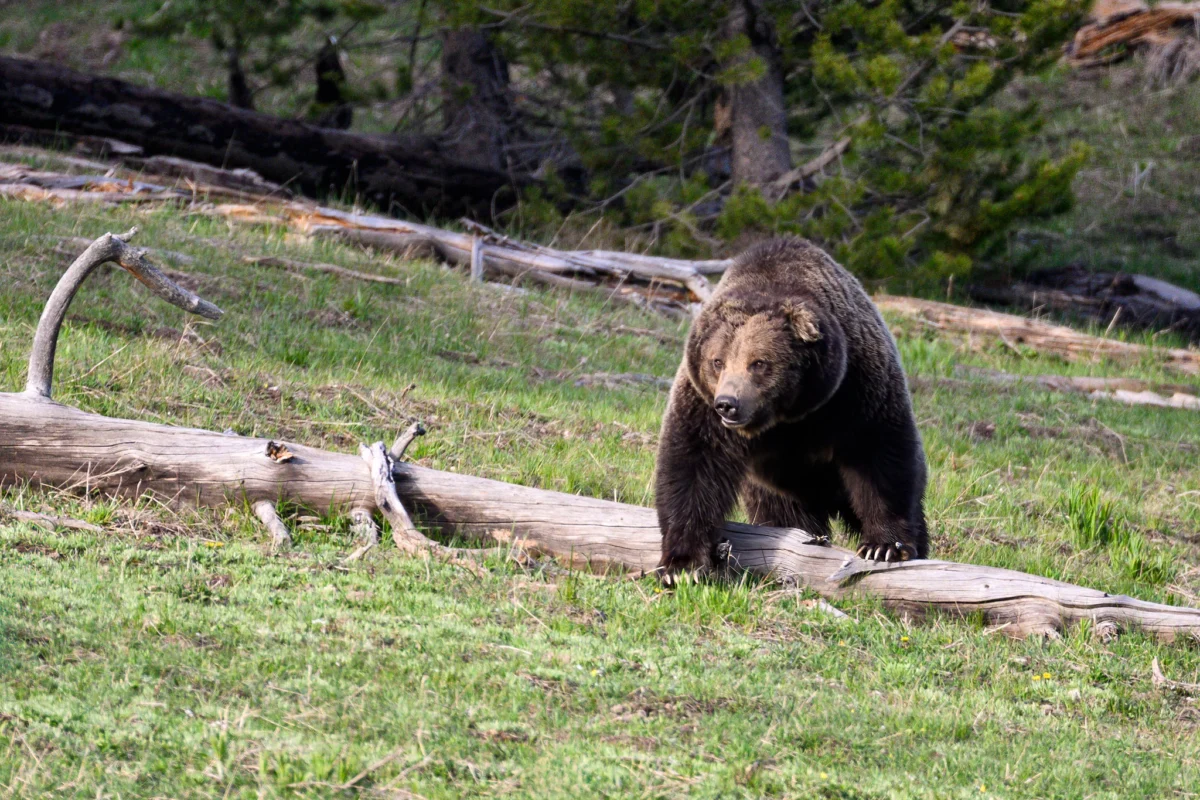
After more than half a century of robust federal oversight, the Trump Administration on Tuesday unveiled a significant proposal to transfer the management of grizzly bears in the Lower 48 states back to individual state authorities. This landmark announcement, delivered by Secretary of the Interior Doug Burgum, alongside Governors Greg Gianforte of Montana, Mark Gordon of Wyoming, and Brad Little of Idaho, took place amidst the majestic landscapes north of Yellowstone National Park, a region emblematic of grizzly country. The move signals a pivotal shift in conservation strategy for one of America’s most iconic apex predators, eliciting both praise for a perceived success story and concern over the future of the species.
Governor Gianforte, speaking from a temporary stage near Big Sky, Montana, hailed the grizzly bear’s recovery as "one of America’s greatest conservation successes." He underscored the mounting challenges accompanying this resurgence, particularly the increasing frequency of bear-human conflicts encroaching upon residential areas, recreational spaces, and agricultural lands. "Montana is ready to have full authority to manage grizzly bears," Gianforte declared, articulating a sentiment echoed by his counterparts in Wyoming and Idaho who have long advocated for greater state control over wildlife management decisions within their borders.
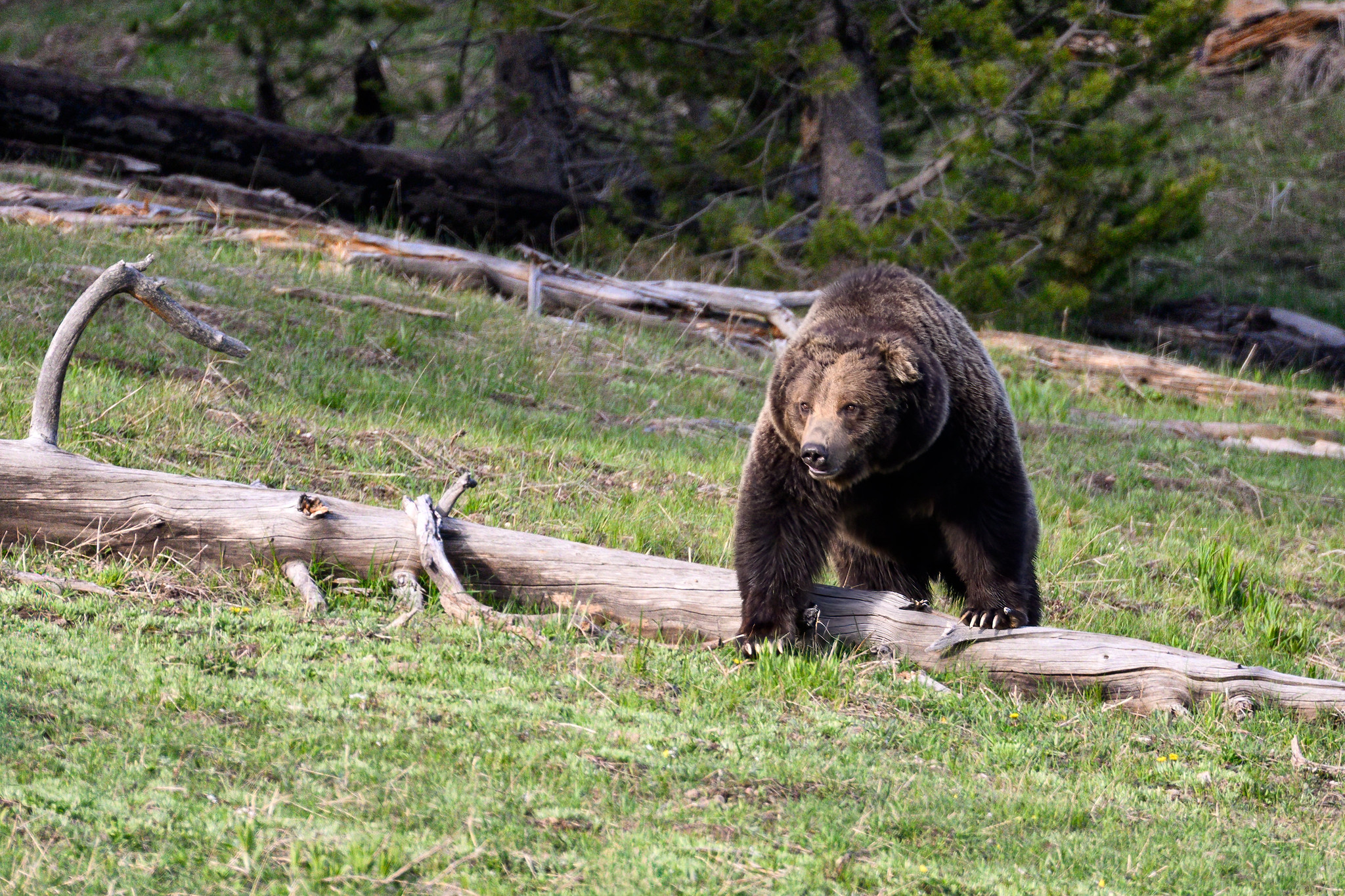
The grizzly bear, a subspecies of brown bear (Ursus arctos horribilis), faced a perilous future in the mid-20th century. In 1975, the U.S. Fish and Wildlife Service (FWS) formally listed the grizzly as "threatened" under the Endangered Species Act (ESA) throughout the contiguous United States. This designation provided a critical safety net, mandating federal protections and recovery plans to prevent its extinction. At the time, an estimated fewer than 600 grizzlies remained south of the Canadian border, remnants of a population that once numbered over 50,000 across the American West. Habitat loss, unregulated hunting, and human encroachment had pushed the species to the brink.
Decades of concerted conservation efforts, primarily guided by federal agencies, have led to a remarkable turnaround. Today, two major grizzly populations are thriving, centered around the Greater Yellowstone Ecosystem and Glacier National Park, each boasting approximately 1,000 bears. These populations represent significant milestones in species recovery, demonstrating the effectiveness of the ESA in shielding vulnerable wildlife and facilitating their return. Beyond these strongholds, smaller, more isolated populations exist in other designated recovery zones, offering the potential for further expansion and genetic exchange, though often with far fewer resident bruins.
Despite this undeniable success, the path to full delisting from the ESA has been fraught with legal and political challenges. The federal government has previously attempted to remove protections for grizzlies in the Greater Yellowstone Ecosystem on two separate occasions, in 2007 and again in 2017. Both efforts were ultimately overturned by federal courts, which cited concerns about the adequacy of state management plans and the long-term viability of the populations without federal safeguards. States, however, continued to petition for the removal of federal protections, arguing that the populations had recovered sufficiently to warrant local control. Most recently, in January 2025, during the final hours of the preceding Biden administration, the FWS denied these petitions and issued a new rule perpetuating the bears’ protected status under the ESA, setting the stage for the current administration’s counter-proposal.

The rule announced by Secretary Burgum takes a different approach than outright delisting. Rather than removing grizzlies from the endangered species list entirely, the species will maintain its "threatened" status. However, a new revision to Section 4(d) of the Endangered Species Act will effectively concede the day-to-day management of grizzly bears to the states. Section 4(d) of the ESA allows the FWS to issue special rules for "threatened" species that are less restrictive than those for "endangered" species, providing flexibility in management actions. This legal mechanism permits certain activities that would otherwise be prohibited for an endangered species, as long as they are deemed consistent with the species’ conservation.
Christy Clark, director of Montana Fish, Wildlife and Parks, encapsulated the prevailing sentiment among state officials, remarking after the announcement, "I think of this as a dress rehearsal for delisting." This statement highlights the expectation that this shift in management authority is a precursor to eventual full delisting, allowing states to demonstrate their capacity for effective stewardship. Proponents argue that local wildlife agencies possess intimate knowledge of regional ecological conditions and human-wildlife dynamics, enabling more responsive and tailored management strategies than a distant federal bureaucracy. They contend that this approach will foster a greater sense of local ownership and accountability in conservation efforts.
For decades, the specter of a grizzly bear hunt has been a central point of contention in delisting debates. Opponents of state management often fear that it would inevitably lead to trophy hunting, undermining recovery gains. However, Governor Gianforte asserted that the new 4(d) rule would not permit a hunt in Montana, citing a standing five-year moratorium on pursuing the animals post-delisting. While the full text of the new 4(d) rule remains to be published, all three governors and Secretary Burgum emphasized that the revised framework would grant states enhanced flexibility to manage grizzlies on the ground, facilitating a transition from an era focused primarily on recovery to one of sustained stewardship. This flexibility could encompass a range of actions, including lethal removal of bears involved in conflicts, relocation efforts, and habitat management decisions tailored to local needs.

Despite assurances from state officials, the proposed change has drawn sharp criticism from environmental and conservation organizations, who argue that the move could lead to increased grizzly mortality and jeopardize the species’ long-term recovery. "We’re disappointed the Trump administration is trying to make it easier to kill grizzly bears," stated Andrea Zaccardi, a senior attorney at the Center for Biological Diversity, a prominent nonprofit dedicated to species protection. Critics contend that state wildlife agencies, often influenced by agricultural and hunting interests, may prioritize human convenience over robust bear protection.
Jenny Harbine, managing attorney at the nonprofit environmental law firm Earthjustice, voiced grave concerns, pointing to a confluence of threats facing grizzly bears that could be exacerbated by relaxed federal oversight. She cited a series of federal actions, including weakened environmental reviews for development projects, the rescission of critical roadless area protections, and the fast-tracking of logging and mining operations. These actions, she argued, contribute to habitat fragmentation, diminish crucial food sources, and increase the likelihood of human-bear encounters, all of which pose significant risks to grizzly populations. "This does not create a situation where the service should be relaxing protections for grizzly bears," Harbine asserted, emphasizing that "They need them more than ever."
Conservationists underscore the complex ecological needs of grizzly bears, which require vast, interconnected landscapes to thrive, disperse, and maintain genetic diversity. Isolated populations, even if numerically strong, are vulnerable to disease, climate change impacts, and inbreeding. The absence of comprehensive federal oversight, critics fear, could lead to a patchwork of state regulations that may not adequately address the broader landscape-level conservation needs essential for the species’ enduring viability. The history of litigation surrounding grizzly delisting suggests that this latest proposal is likely to face intense scrutiny and potential legal challenges from environmental groups, setting the stage for another protracted battle over the fate of these magnificent animals in the American West. The debate over who is best equipped to manage these complex ecosystems – federal agencies with a broad mandate, or states with localized interests – continues to define the future of wildlife conservation in the United States.