

 Rocky Gerung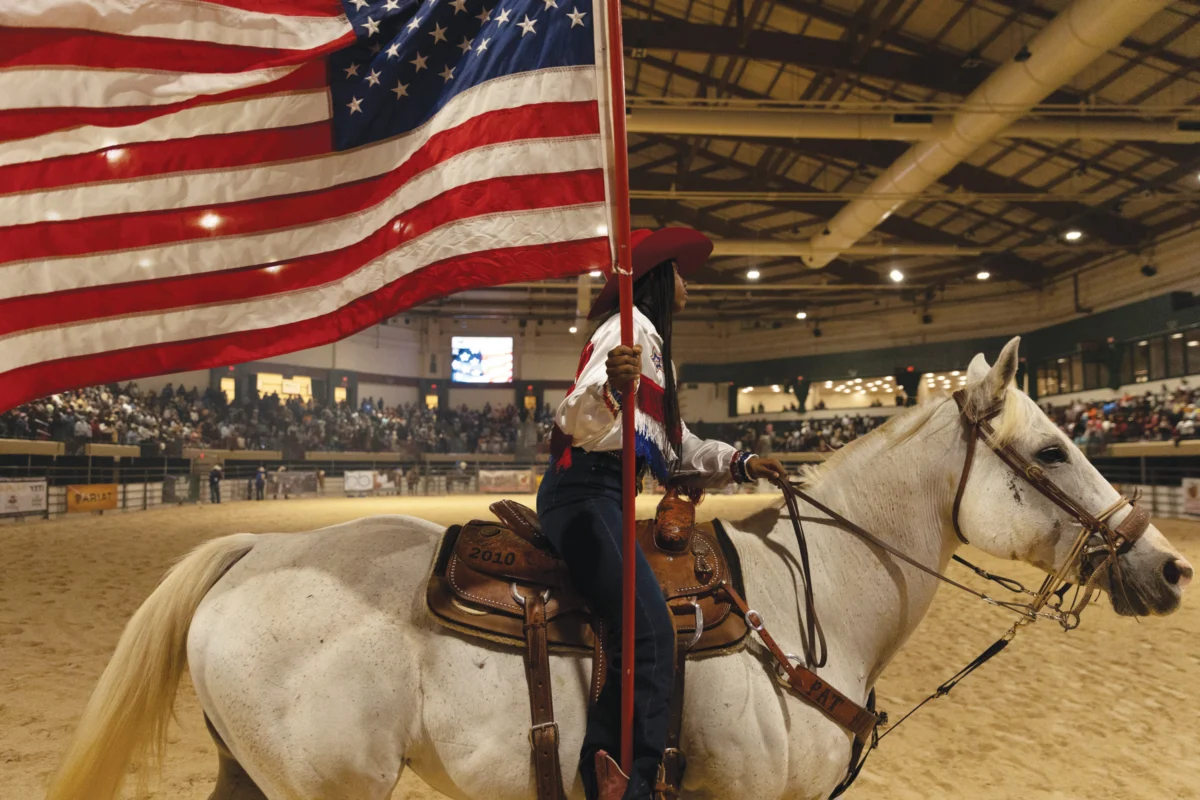
The visceral connection forged between humans and horses, a bond built on trust and consistent effort, provides a profound lens through which to view the compelling new docuseries, "High Horse: The Black Cowboy." This three-part series, executive produced by Jordan Peele’s Monkeypaw Productions and directed by independent filmmaker Jason Perez, offers a vital re-examination of the American West, asserting that Black hands have been integral to its history from its inception. The documentary masterfully weaves together rich archival footage and photographs with contemporary scenes of Black cowboy life, traversing film, music, and marketing history to illustrate how the widely disseminated narrative of the West often obscures the lived realities of those who shaped it. It challenges the persistent surprise that greets the acknowledgment of Black cowboys, arguing that their presence is not an addition to a familiar story, but a fundamental part of its ongoing telling.
"High Horse" eschews the marginalization of Black cowboys, charting a clear historical trajectory from the essential skills of formerly enslaved individuals who managed horses and cattle, through the dominance of Black jockeys in early racing, to the contemporary landscape of Black riders, ranchers, and entrepreneurs. The series presents history not as a static lecture, but as a dynamic, present force, underscoring how the portrayal of the West has been subject to a gradual erasure, a slow narrowing of who is recognized as authentic. This subtle yet persistent exclusion has led to a historical airbrushing, where the visual aesthetic of the cowboy is celebrated, while the demanding, hands-on craft of horsemanship is frequently overlooked.
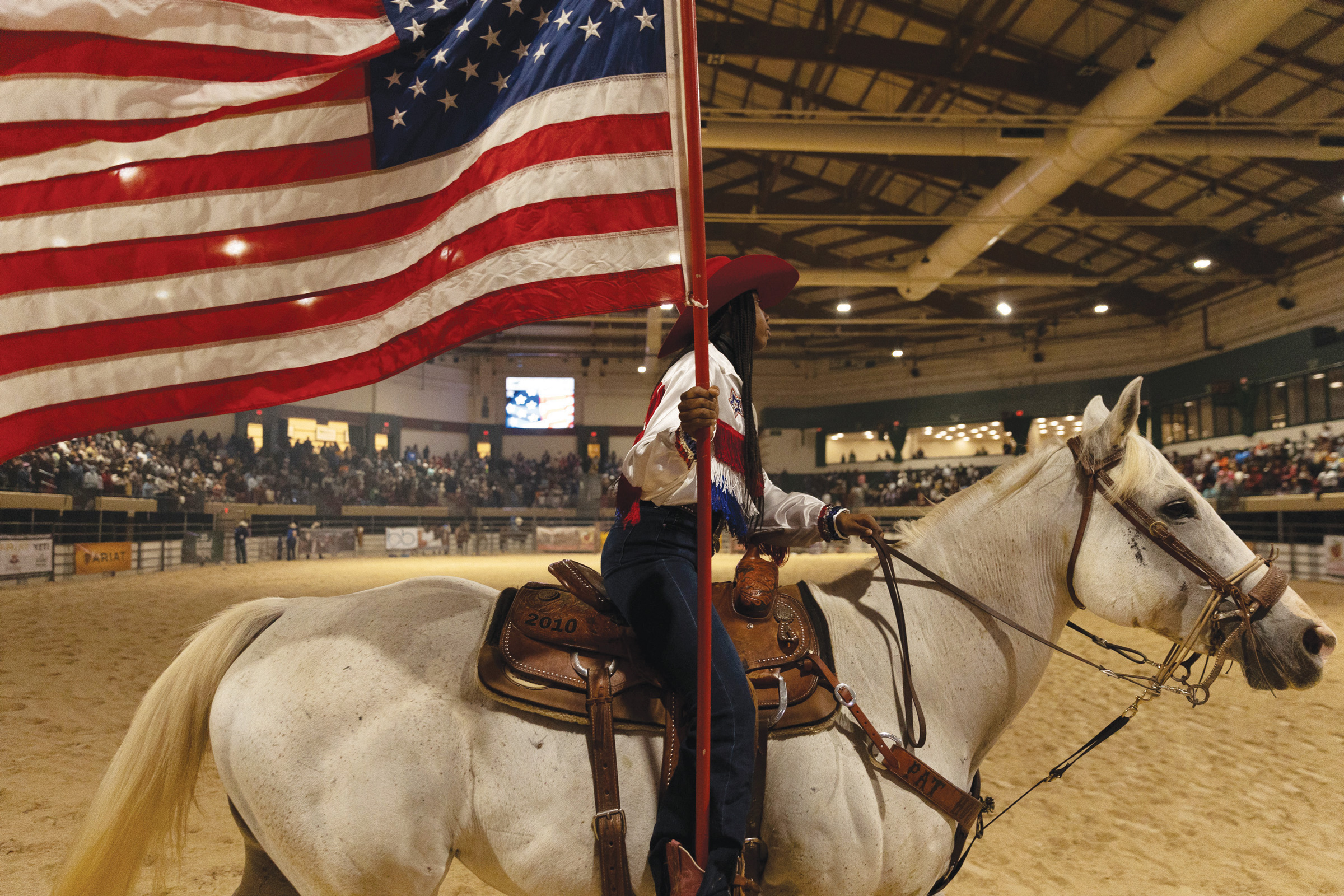
A significant strength of "High Horse" lies in its dedication to the physical realities of horsemanship. The series allows viewers to appreciate the subtle nuances of a rider’s seat, the delicate control of their hands, and the sheer dedication represented by countless hours spent in the saddle. For those familiar with riding, these elements resonate immediately, embodying the truth that horses respond not to pretense, but to unwavering consistency and fairness. The docuseries captures the quiet power of Black riders, often shown seated with a steady presence, surveying vast open landscapes or navigating urban environments shaped by the same historical currents. These seemingly simple images carry a profound weight, particularly for Black Americans, for whom land represents far more than scenery; it embodies inheritance, loss, broken promises, and the fundamental distinction between being a transient visitor and a committed steward.
This profound connection to land and legacy resonates deeply on a personal level, echoing the experiences of those who founded organizations like Outdoor Afro. The inspiration for such endeavors often stems from familial ties to ranching and land management, seeking to rectify the historical record and celebrate enduring connections to the outdoors. "High Horse" similarly aims to set the record straight, demonstrating that engagement with the natural world, and specifically with the equestrian traditions of the West, is not a fleeting trend but a profound reunion with heritage. This return to horsemanship, particularly in midlife, fosters increased patience and honesty, prompting a more dimensional understanding of land and a heightened sense of responsibility towards both one’s community and the natural world.
The series recognizes that the story of Black cowboys is inextricably linked to the broader narrative of Black land ownership and stewardship. It moves beyond the romanticized imagery of wide-open spaces to confront the complex realities of acreage, access, property titles, taxation, and the pervasive influence of power structures in determining who can maintain a presence on the land. While not delving into exhaustive policy details, "High Horse" makes clear that the promised freedom of the West was never equitably distributed, acknowledging the role of legal and extralegal violence in shaping the region’s geography.

Despite its powerful thematic explorations, "High Horse" is ultimately a celebration of freedom and resilience, not a somber elegy. It showcases the vibrant present of Black cowboy culture, highlighting young riders honing their skills, elders imparting generations of knowledge, and families gathering around horses in a manner akin to community traditions. In a landscape where Black history is too often presented solely through the lens of trauma, this series offers a refreshing counter-narrative, emphasizing excellence, craftsmanship, humor, pride, discipline, and unadulterated joy.
While the docuseries excels in its breadth of vision, its inherent limitations—confined to three episodes—mean that certain complexities are necessarily condensed. A deeper exploration of Black women riders, a more detailed examination of the economic realities of horse ownership, and a more explicit acknowledgment of the intertwined histories of Black and Indigenous peoples on Western lands would have further enriched the narrative. Additionally, while the inclusion of well-known celebrities and scholars provides valuable reach and context, there’s a discernible risk of their interpretations overshadowing the authentic voices of the Black cowboys and ranchers themselves. The stories of these individuals, whose families have worked the land and cared for horses for generations, possess an inherent power that can stand independently, without extensive external commentary.
Perhaps the most significant achievement of "High Horse" is its unwavering commitment to viewing the Black cowboy not as an anomaly, but as an integral part of the Western fabric. The series invites viewers to expand their perception of what "Western" truly means, moving beyond the confines of traditional Hollywood portrayals. For anyone who holds an appreciation for the American West, this re-framing arrives at a crucial moment.

The experience of engaging with "High Horse" mirrors the profound lessons learned in the initial moments with a new mare. The horse’s quiet observation, its patient waiting, and its apparent questions about the rider’s intentions mirror the self-inquiry that arises in such interactions. Just as a horse responds to clarity, consistency, and care, so too should society approach its own history. To foster an honest West with a resilient future requires the plainspoken telling of its complete story and the safeguarding of the very ground upon which it is built.
"High Horse: The Black Cowboy" is undoubtedly not—and should not be—the final word on the subject, but it represents a powerful stride toward a more inclusive vision of the West. It moves toward a future where Black riders are recognized not as visitors, but as foundational pillars of the region’s identity and essential partners in its ongoing conservation efforts. The series serves as a compelling reminder that embracing the full spectrum of Western history is essential for understanding its present and shaping a more equitable future.







