Johny Prima
The ancient prophecies of the Hopi people, foretelling a time when the arrival of non-Indigenous nations would cause the Earth to shake and life to rupture, find profound resonance in the unfolding environmental crises of the modern era. This stark vision, encapsulated in the 1982 film Koyaanisqatsi, a Hopi term signifying "life out of balance," starkly contrasts the accelerating pace of industrialization with the enduring sanctity of ancestral lands. Today, record-breaking heat domes, critically diminished snowpacks, and severe moisture deficits across the American West are not merely meteorological phenomena; they are tangible manifestations of the warnings passed down through generations of Hopi elders and ancestors, signaling a profound disequilibrium between humanity and the natural world.
Central to this unfolding crisis is the plight of Pisisvayu, known to the wider world as the Colorado River. This vital artery, a lifeline for millions across the arid Southwest, now lies obstructed by pah’uutsi, the colossal Glen Canyon Dam. Its once free-flowing waters are transformed into the vast, stagnant reservoir of Lake Powell, a testament to human engineering that has come at immense ecological and cultural cost. The damming has not only suffocated sacred sites submerged beneath the rising waters but also diverted this precious resource to fuel unchecked development in burgeoning urban centers like St. George, Utah, severing the river’s historical journey long before it could reach paatuwaqatsi, the Sea of Cortez. This single dam is but one of three in Arizona designed to impound the Colorado River’s flow, yet the Hopi people recall a time when water was revered as family, not merely a commodity. Their covenant with the Creator binds them to a sacred stewardship of both land and water, a responsibility profoundly at odds with current management paradigms.
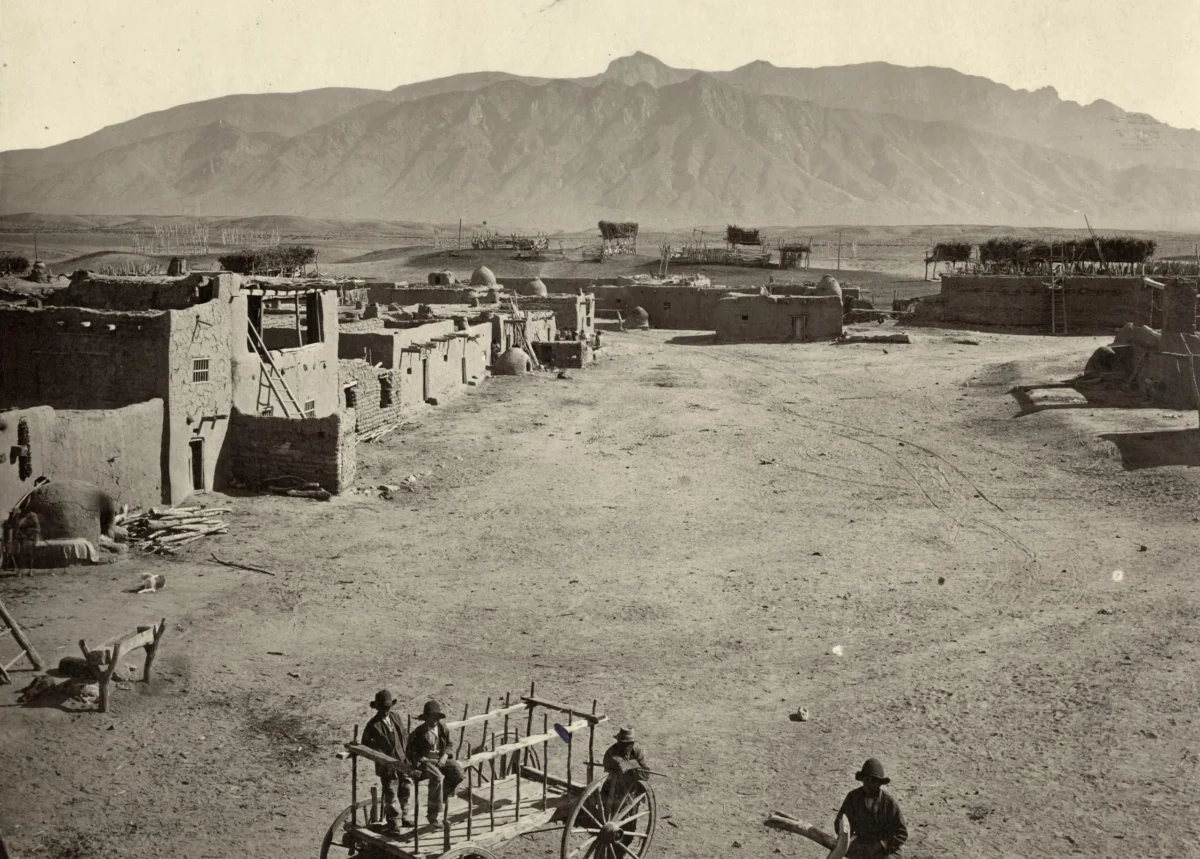
For millennia, the Hopi have demonstrated an unwavering commitment to this stewardship, hauling water up treacherous hills to their mesas for ceremonies and sustenance, a practice that forged an intimate connection with this life-giving force. As dry farmers, they cultivate their crops by relying exclusively on the rhythms of rain cycles and the ephemeral bounty of snowpack, a traditional method that stands in stark contrast to modern irrigation-intensive agriculture. For over six decades, individuals have dedicated their lives to growing food for their families on the small reservation square in northern Arizona, a parcel carved by the federal government from the vast expanse of Hopitutskwa, their traditional lands. Beyond dry farming, many are also ranchers, employing sustainable practices such as rounding up cattle on horseback, rather than with disruptive all-terrain vehicles, to minimize damage to the delicate landscape and its fragile vegetation. Even when physical injuries, sustained in service to the nation, preclude riding, the commitment to stewardship compels them to tend to their herds on foot. This profound dedication exemplifies the ancient covenant bestowed by the Creator, a living philosophy of harmonious coexistence.

Over countless generations, the Hopi people have borne witness to monumental transformations impacting animals, human communities, landscapes, and food systems. They have observed with growing alarm as precious water resources are siphoned from the land, not for essential needs, but for the perceived luxuries of golf courses and swimming pools, facilitated by massive infrastructure projects like the Central Arizona Project. These amenities remain conspicuously absent on Hopi lands, prompting a fundamental question that resonates globally: Is the relentless pursuit of such water-intensive developments a genuine need or merely an insatiable want? This query underscores a critical disparity in resource allocation, highlighting the unsustainable consumption patterns of some regions at the expense of others, particularly Indigenous communities who bear the brunt of environmental degradation.
A pervasive sense of ignorance and a stubborn refusal to heed the wisdom of experienced land stewards permeate legislative bodies and management agencies at every level. Federal agencies, including the U.S. Forest Service and the Bureau of Land Management, along with the U.S. Congress and the executive branch that oversee them, persistently prioritize external, often corporate, interests over the well-being of Indigenous communities and the health of the land itself. These bodies continue to manage ancestral lands and vital water resources as if they were mere crops to be cultivated and sold to the highest bidder, a philosophy that fundamentally misunderstands the intrinsic value of ecosystems. The proposed transfer of Oak Flat, a sacred site of immense spiritual significance for the Apache people in central Arizona, to Rio Tinto, a foreign mining conglomerate, under the dubious premise of a prosperous land exchange, represents the latest frontier of this colonial exploitation. Such mining operations are notoriously water-intensive, raising critical questions about the source of the vast quantities of water required and, equally importantly, who will bear the responsibility for mitigating the inevitable downstream pollutants that threaten communities like Phoenix and Tucson.
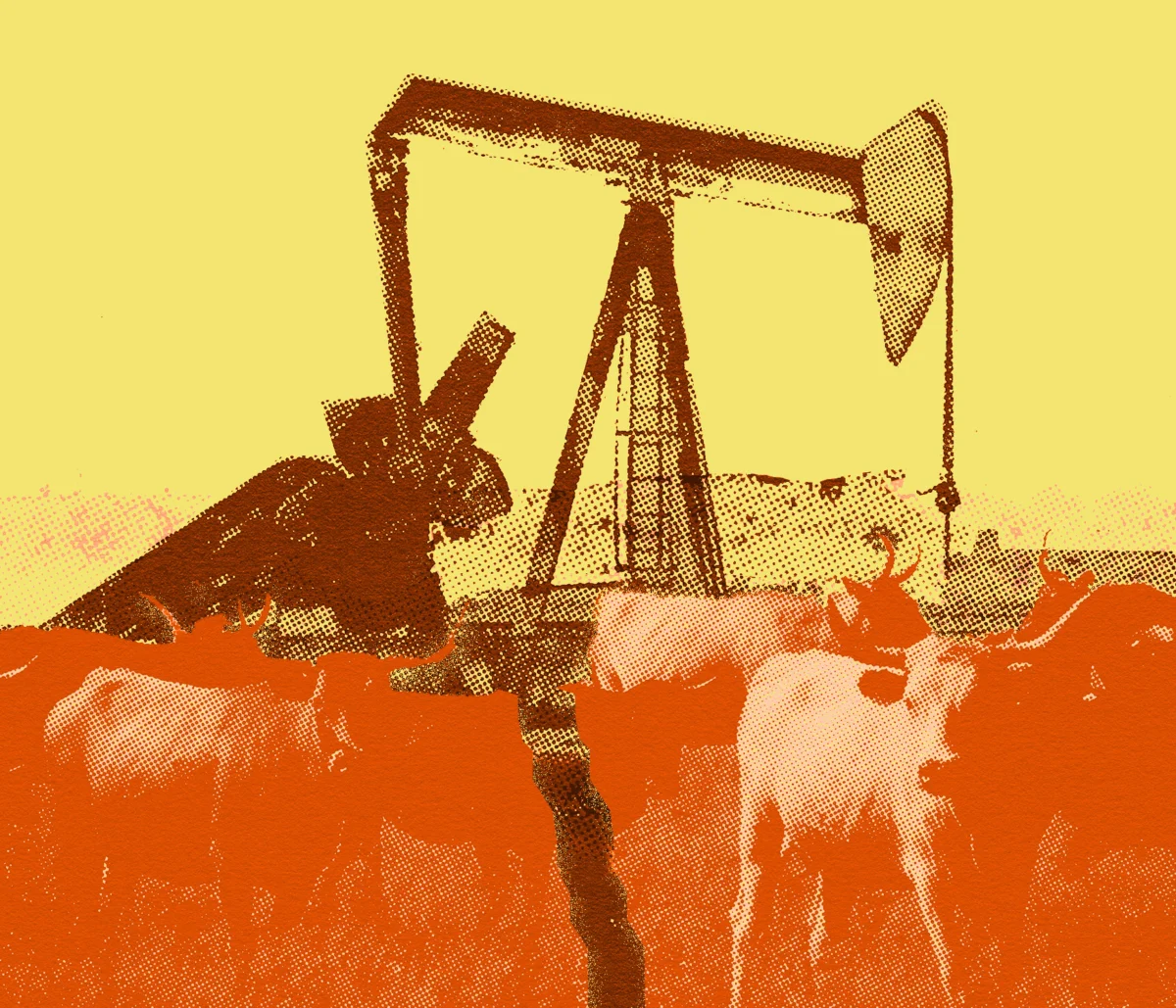
Across the expanse of Hopitutskwa, particularly in New Mexico, the influence of powerful special interests, notably the oil and gas industry, has driven rampant fracking operations. These activities, facilitated by the aforementioned agencies and decision-makers, not only exacerbate the global climate crisis by releasing potent greenhouse gases but also deplete precious water reserves through their inherently wasteful processes. This phenomenon is not confined to the Southwest; it is a global issue, symptomatic of a worldwide addiction to fossil fuels, prompting a renewed examination of the fundamental distinction between genuine societal needs and economically driven desires. For the Hopi, the spiritual dimension is inextricably linked to the land and water; they believe that upon passing, their body’s moisture returns to the Earth, transforming them into Oomawsinom, the Cloud People. The escalating emissions, pollutants, and profound disrespect for water, however, are perceived as impediments, blocking the completion of this sacred spiritual journey and disrupting the natural cycle of life.
The political landscape in Arizona has also seen the introduction of numerous anti-wolf and anti-wildlife bills at both state and federal levels, largely at the behest of the cattle industry, designed to enrich shareholders who often have no direct connection to the land or its ecosystems. One egregious example, HB 2160, sought to empower specific interest groups to manage wolves should they fall under state jurisdiction, conspicuously excluding tribal voices from the deliberation. This exclusion is particularly alarming given that Indigenous communities have coexisted with wolves and other "predators" for millennia without resorting to such levels of panic or legislative overreach. This manufactured hysteria, many believe, serves as a deliberate distraction, diverting attention from the true accountability of state and federal agencies for the dire fate of numerous wild creatures. Scientific data overwhelmingly affirms that wolves are keystone species, playing a critical role in maintaining ecological balance, which in turn helps retain water on the land. The Creator, in establishing the initial balance of the ecosystem, did not solely entrust humans with managing the land but created an intricate web of life, including waterfowl, reptiles, amphibians, and raptors, all serving as messengers to bring water back to the land.

The U.S. Forest Service and the Bureau of Land Management, both bound by a "multiple use mandate," tend to approach aboriginal lands as a mere balance sheet, evaluating success through outdated metrics such as cattle head counts and logging quotas. While these agencies are mandated to consult with tribes, such interactions often devolve into superficial 30-minute phone calls with tribal government officials, entirely devoid of genuine face-to-face engagement or the deep, relational work essential for understanding and respecting Indigenous cultural practitioners. Crucially, consultation does not equate to consent. The fundamental truth remains: we cannot sustain ourselves on oil or money. These so-called public lands are increasingly succumbing to overgrazing, unsustainable thinning practices, and the destructive recreational demands of ATV use. Furthermore, the few protective environmental laws that exist are being systematically dismantled by administrations often beholden to the fossil fuel industry. This constant battle forces communities to expend precious time defending basic protections, time that should instead be dedicated to proactively pushing these agencies to genuinely serve the people, the land, and its diverse animal inhabitants. A critical paradigm shift is needed, redefining success to focus on keeping water on the land through fostering abundant biodiversity, enhancing habitat connectivity, and promoting true co-existence.
The mismanagement of land in the relentless pursuit of profit lies at the very foundation of this escalating global disaster, threatening the delicate balance of life itself. It is this shortsighted perspective that led to the deliberate inundation of ancestral sites during the creation of Lake Powell, a monumental engineering feat predicated on the settler belief that a wild river could be bent to human will and held captive in an unnatural concrete basin. Yet, as the waters of Lake Powell recede dramatically due to the undeniable impacts of climate change, revealing long-submerged ancestral sites, the Hopi wisdom is reaffirmed: there is no sustainable way to artificially hold water on the land in such a manner. True water retention is achieved naturally, held within the living bodies of animals, sequestered in the branches of trees, and absorbed by the rich, moist soil of old-growth forests. Water thrives on the land when deer and elk populations are naturally regulated by their wolf relatives, allowing vital vegetation to flourish and thrive. Water remains on the land when it is not ruthlessly drilled or blasted from the Earth’s belly for fracking and mining operations. Ultimately, water is also held within our own human bodies, intrinsically connected to the entire ecological web, every single drop precious. Paahuquatsi—water is life. Kwakwá: Thank you.