Joko Susilo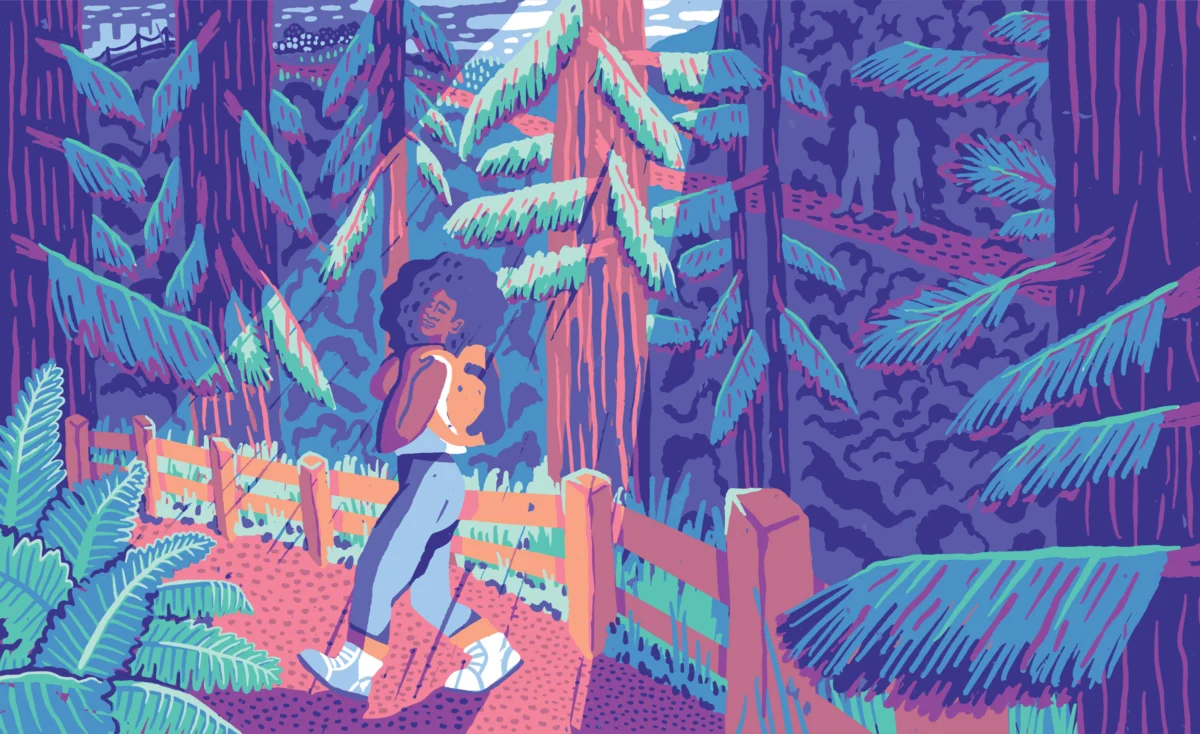
The deep imprint of such historical narratives is undeniable. The founder of Outdoor Afro, a pioneering organization dedicated to reconnecting Black Americans with nature, recalls a conversation with her father, whose simple affirmation—"All the time"—in response to her query about lynchings, revealed the pervasive and normalized threat that permeated Black life in earlier eras. This stark reality imprinted an understanding of how outdoor spaces, far from being universal sanctuaries, frequently became exclusive, unwelcoming, and even deadly territories for Black people.
Yet, this narrative is not solely one of pain and peril. It is often interwoven with stories of extraordinary resilience, determination, and a deep-seated connection to the land. The founder’s parents, for instance, navigated the oppressive realities of the Jim Crow South to later cultivate a thriving 14-acre hobby and recreation farm in California, complete with fruit trees, a flourishing garden, and a swimming pool. This private oasis, nestled in the oak-studded hills near Clear Lake, served as a powerful testament to their spirit of self-determination, hospitality, and a broader tradition of Black agency in nature. Tending animals, tilling the soil, and sharing abundant harvests with friends and family, they wove resistance and a profound sense of belonging into the fabric of everyday life, creating a vital outdoor refuge.
Despite these pockets of solace and historical acts of defiance, the themes of safety and comfort persist as central concerns for Black individuals venturing outdoors today. Conversations within Outdoor Afro, founded in 2009, frequently circle back to a fundamental query, often posed with quiet urgency around trailheads and campfires: "Will we be safe here?" This question delves deeper than the immediate threat of physical violence; it encompasses the discomfort arising from lingering stares, pointed questions, or a palpable sense of awkward attention that signals one’s perceived "otherness" in a particular setting.
An early experience for the organization’s leader, during a youth church event in an affluent, predominantly white Oakland neighborhood, highlighted the insidious nature of this silent scrutiny. While children initially reveled in a playground beneath a stunning redwood canopy, the fading light brought with it a heavy, unspoken judgment from nearby adults. No words were exchanged, yet the message was clear: it was time to leave. This moment illuminated how some of the most consequential outdoor conversations unfold in silence, conveying exclusion without a single uttered word.
Historically, legal and violent prohibitions often barred Black Americans from public parks, swimming pools, beaches, and picnic areas. The infamous "Sundown Towns"—municipalities where Black people were expected to be gone by nightfall—were a grim reality, meticulously tracked and widely circulated through word-of-mouth networks. These tangible barriers profoundly shaped generations of memory and habit, influencing travel routes and residential patterns. Before the Great Migration, the majority of Black Americans resided in rural Southern communities, where many tenaciously pursued their connection to nature, even creating their own recreational havens.
Iconic destinations like Idlewild, Michigan; Oak Bluffs on Martha’s Vineyard; and Lincoln Hills, Colorado, emerged as vibrant hubs of enterprise, recreation, and community life. These enclaves drew Black families from across the nation, offering respite from pervasive racism and providing infrastructure like overnight inns, campgrounds, guides, outfitters, and children’s programming. These communities not only thrived but also forged a crucial sense of collective freedom and belonging in nature.

During this era, The Negro Motorist Green Book, popularly known as The Green Book, became an indispensable travel companion. Conceived by Victor H. Green, a New York postal worker, it meticulously listed safe havens—accommodations, dining, shopping, entertainment, and outdoor destinations—along interstates for Black travelers. Regularly updated, The Green Book ceased publication around 1964, following the passage of the Civil Rights Act, as its publisher optimistically believed the need for such a guide had finally passed.
However, the feelings of being unwelcome persisted, prompting many families to remain closer to home rather than risk uncertain encounters in unfamiliar territories. As Black Americans migrated en masse to Western and Northern cities, many of these historical safe enclaves gradually faded, were sold off, or disappeared through eminent domain, leaving a lingering void and a continued uncertainty regarding safety in remote public lands.
The complexity of navigating these spaces in modern times is further illuminated by contemporary experiences. The founder’s first dove hunt in California’s Central Valley in 2020, a period marked by heightened social and racial tensions nationwide, presented a nuanced challenge. Lost in waist-high grass, surrounded by individuals of different racial backgrounds, many openly carrying firearms, a primal sense of unease took hold. An encounter with a man whose gaze was "hard, measured" instantly triggered an instinct of unwelcomeness based on race.
Upon later reflection and with more public-land hunting experience, the founder recognized a more multifaceted dynamic at play. The man’s cold frustration might have stemmed not from racial animus, but from the fiercely competitive nature of the sport itself. Seasoned outdoorspeople often guard their prized fishing spots, elk ridges, or perfect camping sites with a quiet intensity, a common ethos in outdoor culture. This protectiveness, born from a desire to preserve the quality of the experience and concern that "too much attention" might diminish a good spot, can easily be misconstrued as hostility by newcomers, particularly those already attuned to historical biases. This understanding offers a certain grounding, distinguishing moments of competitive outdoor culture from those rooted in racial identity.
Yet, beyond the dynamics with strangers, another dimension to the safety question exists: the profound impact of place and context on the outdoor experience. Growing up in Oakland, the diversity of hikers in Joaquin Miller Park, reflecting the city’s multicultural fabric, fostered a natural sense of belonging. This starkly contrasted with the earlier childhood experience in the predominantly white Oakland park. Venturing further afield, as a 20-year-old mountaineering with Outward Bound, the sole Black woman in her group, brought forth a different kind of isolation. Trekking the Pacific Crest Trail, a "quiet wondering" emerged in the absence of those who shared her history, humor, and worldview. Yet, this feeling of isolation coexisted with profound support, as an instructor’s simple advice, "trust your feet," provided the courage to overcome fear and continue climbing.
In many respects, Outdoor Afro is building upon the legacy of The Green Book for a new generation. Victor Green’s belief in the right of Black people to move through the world freely and with dignity propelled him to create a vital tool for navigation. Similarly, Outdoor Afro is forging a living map through shared stories, experiences, and relationships, empowering individuals to navigate unfamiliar places with confidence. While preceding generations were burdened with painful memories of exclusion, the present offers an unprecedented opportunity to cultivate and share narratives of connection, confidence, and profound joy in nature.
Every Black person who embarks on a trail, casts a fishing line, or wakes to birdsong in a tent today carries forward a powerful legacy. They embody the spirit of those who built Idlewild and Lincoln Hills, and they pave the way for future generations. Each invitation, every group trip, and every first outdoor experience significantly expands the realm of what the next generation believes is possible, fostering a more inclusive and equitable future for all in the embrace of the natural world.