Rocky Gerung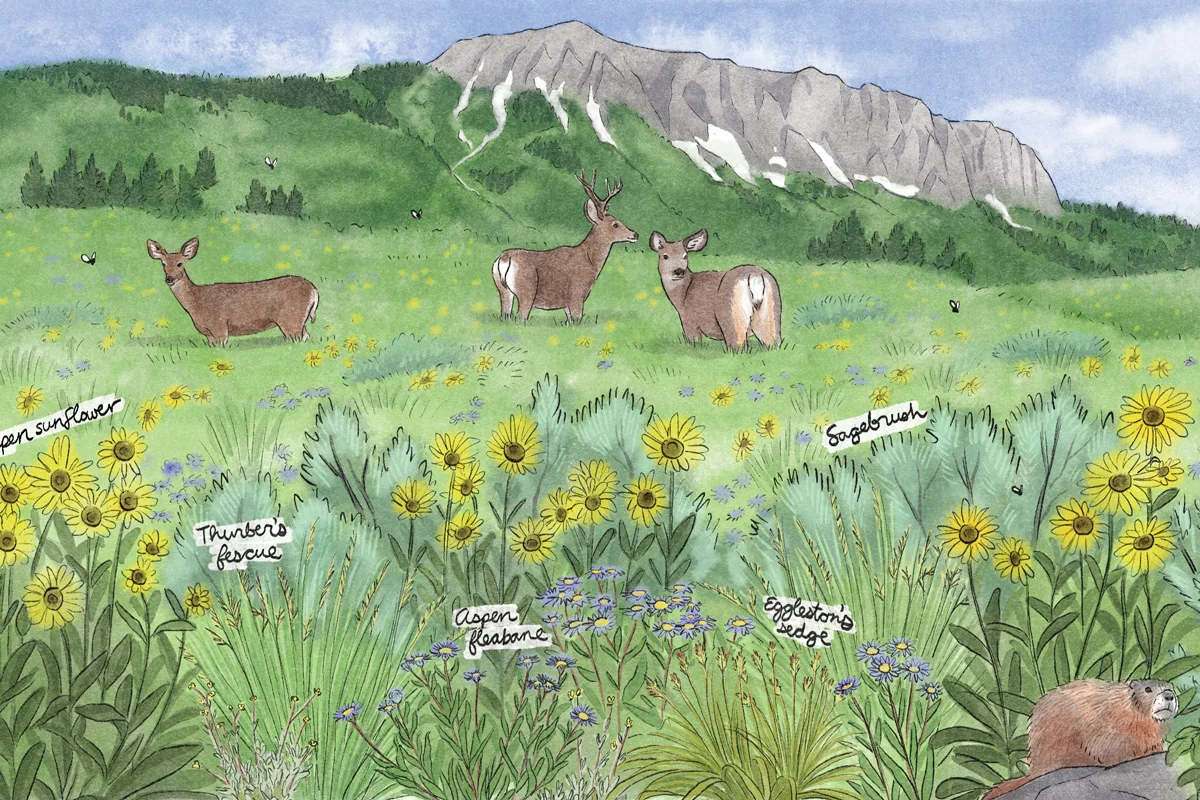
The intricate web of life on Earth is far from silent; it hums with a constant, dynamic conversation. Plants, often perceived as passive inhabitants of our planet, actively engage in complex dialogues both above and below the soil surface, influencing their environment and each other in profound ways. Above ground, their vibrant petals act as luminous beacons, broadcasting urgent invitations to pollinators with their dazzling colors, intoxicating scents, and the promise of nourishing nectar. Beneath the earth, their roots engage in a more subtle, yet equally vital, exchange, whispering secrets and sharing resources with the vast networks of fungi that underpin forest and meadow ecosystems. These symbiotic partners, known as mycorrhizal fungi, form intricate, mutually beneficial relationships with neighboring plants, playing a crucial role in drawing atmospheric carbon deep into the soil, a process essential for long-term carbon sequestration. Simultaneously, they act as sophisticated intermediaries, facilitating the plants’ uptake of essential carbohydrates and minerals, thereby bolstering their growth and resilience.
However, the very nature of this ancient botanical discourse is undergoing a significant transformation in the face of a rapidly warming global climate. For nearly three decades, researchers have been meticulously observing these subtle shifts. At a subalpine meadow near Gothic, Colorado, a groundbreaking, long-term experiment led by ecologist John Harte of the University of California, Berkeley, has been artificially warming a designated area for 29 years, making it one of the most enduring climate change studies globally.
The experimental setup involved the strategic use of heat lamps to elevate the soil temperature within specific test plots by approximately 3.6 degrees Fahrenheit (2 degrees Celsius). This controlled warming mirrors projections for future climate change, offering a crucial insight into the potential consequences of rising global temperatures. It’s important to note that this figure represents an optimistic scenario under current climate models for average global temperature rise by the end of this century; in stark contrast, state-level climate models predict that Colorado itself could experience warming exceeding 6 degrees Fahrenheit. The long-term study has meticulously documented a cascade of changes, both on the visible surface of the meadow and within the hidden depths of the soil in these artificially warmed plots. These persistent temperature shifts have demonstrably influenced the delicate balance of plant communities, dictating which species thrive and which begin to recede. The ripple effects of these changes extend far beyond the individual plants, impacting the entire ecosystem, from the composition of the soil and its microbial inhabitants to the behavior and even the likelihood of wildfires in the region.
Further research is shedding light on the underground dimension of these climatic shifts. Lara Souza, a plant ecologist at the University of Oklahoma, and her colleagues have been investigating the profound alterations that occur within the soil when a meadow ecosystem transitions from a dominant mix of grasses and herbaceous flowering plants (forbs) to the encroachment of woody shrubs like sagebrush. Their findings, recently published in the prestigious peer-reviewed journal Proceedings of the National Academy of Sciences, paint a compelling picture of a fundamentally altered dialogue between plants and the subterranean fungal communities. Souza describes this evolving interaction as a "decoupling," a significant departure from the established symbiotic relationships.

As the climate shifts, there is evidence suggesting a decline in the prevalence of mycorrhizal fungi, which are crucial for nutrient exchange, and a corresponding increase in saprotrophic fungi. Saprotrophic fungi are primarily decomposers, breaking down dead organic matter to obtain nutrients. This shift fundamentally changes the nature of the underground conversation. Instead of the mutually beneficial, two-way exchange of nutrients and resources characteristic of mycorrhizal relationships, the interaction becomes more one-sided. The plants may rely more heavily on the decomposing action of saprotrophs, but the direct facilitation of nutrient uptake and carbon storage, vital for the health of the plants and the soil, diminishes. This transition has significant implications for the survival and vitality of the remaining wildflowers and other sensitive plant species, impacting their ability to access the resources they need to flourish.
The broader implications of these findings extend to the stability and resilience of entire landscapes. Changes in plant communities and soil health can influence water retention, carbon cycling, and the overall biodiversity of an area. For instance, a meadow dominated by grasses and forbs, supported by a robust mycorrhizal network, might be more resilient to drought and better at sequestering carbon than a landscape increasingly dominated by sagebrush with a less beneficial fungal community. The health of these plant-fungal partnerships is intrinsically linked to the health of the soil, which in turn influences everything from agricultural productivity to the capacity of natural ecosystems to mitigate climate change.
The long-term ecological experiments, such as the one conducted by Harte’s team in Colorado, are invaluable for understanding the slow, incremental changes that can lead to significant ecosystem shifts. By artificially manipulating environmental conditions, scientists can isolate variables and gain a deeper understanding of cause and effect, providing crucial data for predicting future ecological trajectories. The findings from both Harte’s and Souza’s research underscore the interconnectedness of above-ground and below-ground processes and highlight the vulnerability of these systems to anthropogenic climate change.
Globally, similar shifts are being observed in various ecosystems. From the boreal forests of Canada to the tropical rainforests of the Amazon, warming temperatures, altered precipitation patterns, and increased frequency of extreme weather events are stressing plant communities and their associated microbial partners. The potential for widespread "decoupling" of plant-fungal relationships could have cascading effects on global carbon cycles, nutrient availability in soils, and the ability of natural landscapes to support biodiversity and provide essential ecosystem services.
Understanding and protecting these intricate natural dialogues is becoming increasingly critical. Conservation efforts may need to consider not only the protection of plant species themselves but also the preservation of the soil microbial communities that support them. This could involve strategies to maintain soil health, reduce soil disturbance, and potentially even reintroduce beneficial fungal species in degraded areas. As the planet continues to warm, the conversations happening beneath our feet are changing, and their outcomes will profoundly shape the future of life on Earth. The delicate balance of nature, maintained for millennia through complex exchanges, is now at a crossroads, demanding our attention and informed action to ensure its continued vitality.