Johny Prima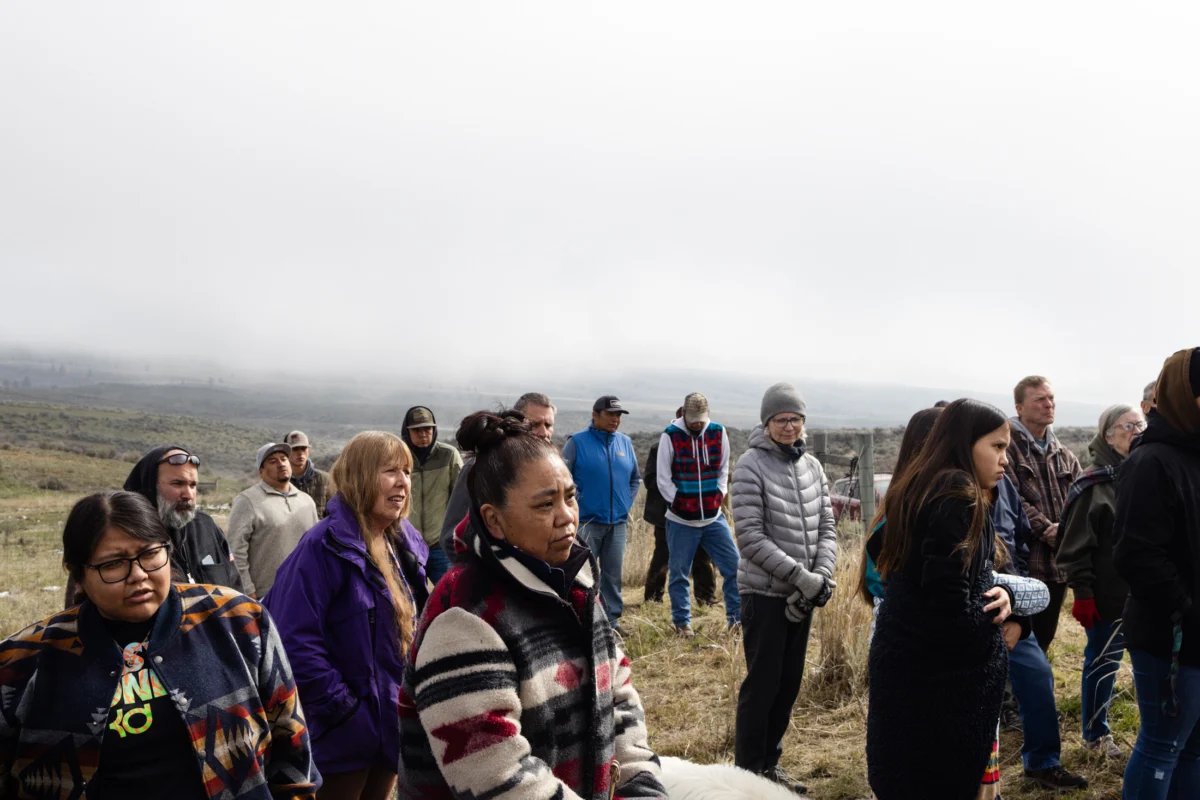
The decision, formally announced by the state’s Energy Facility Site Evaluation Council (EFSEC), culminates years of advocacy from tribal nations who asserted their inherent rights to practice cultural traditions, including vital food gathering and ceremonial observances, on these ancestral public lands. A comprehensive investigation earlier in 2024 had highlighted how Avangrid’s proposed solar development posed a direct threat to these constitutionally protected rights, bringing national attention to the delicate balance between environmental sustainability goals and the sovereignty of Indigenous peoples.
Chairwoman Cindy Marchand of the Colville Tribes conveyed the community’s profound relief, stating, "The Colville Tribes is very happy to hear that the proposed solar project on Badger Mountain has been withdrawn." She underscored the critical importance of preserving such sites for future generations, a principle that often clashes with the rapid expansion of renewable energy. "While the Colville Tribes certainly appreciates the value of renewable energy such as solar power, sacred sites must remain pristine to pass down to future generations. We appreciate Avangrid Power LLC’s decision to withdraw this project and we trust that they can find a more appropriate site." This statement encapsulates the complex challenge faced by Indigenous communities worldwide: supporting the urgent need for climate action while simultaneously safeguarding their cultural heritage and ancestral lands from the very projects intended to mitigate environmental damage.
Avangrid, a prominent clean energy company and a subsidiary of Spanish utility giant Iberdrola, has remained tight-lipped regarding the precise motivations behind its withdrawal. While tribal considerations were undeniably a major factor in public discourse and local opposition, formal permitting proceedings suggested that logistical and infrastructural challenges, particularly construction delays within the regional power grid, might have played a significant role. The company declined to offer further clarification, as did the Department of Natural Resources, leaving open the question of whether the decision was primarily an acknowledgment of Indigenous rights or a pragmatic business response to evolving market and infrastructure realities. This ambiguity mirrors a broader trend where corporations, facing multifaceted pressures, often attribute project cancellations to economic or technical factors, even when social and environmental concerns are equally, if not more, compelling.
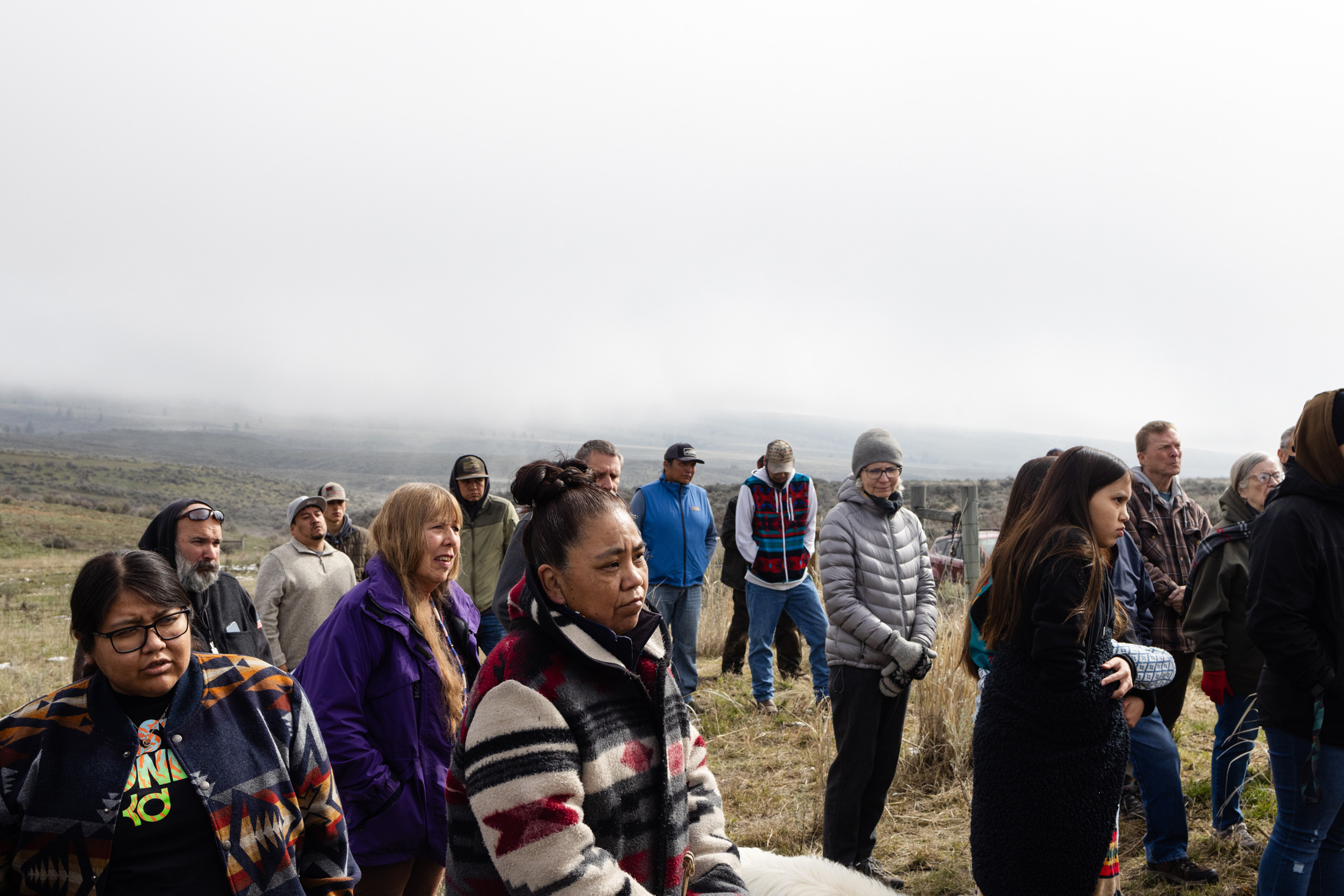
The opposition to the Badger Mountain project gained considerable momentum following the 2024 investigation, galvanizing members of the Wenatchi-P’squosa, one of the twelve Confederated Colville Tribes, to organize a powerful demonstration on Badger Mountain. Participants, while affirming their support for renewable energy, unequivocally declared that such projects should not desecrate culturally significant sites like Badger Mountain. The Wenatchi Advisory Group, an independent body dedicated to representing the specific interests of its constituents within the Colville Tribal Business Council, spearheaded this grassroots mobilization. Their advocacy highlighted the deep spiritual and historical connections to the land, emphasizing that cultural sites are not merely archaeological remnants but living landscapes vital for ongoing cultural practices and identity.
In response to the growing public outcry and tribal input, Avangrid had previously announced a pause in development, signaling an intent to reconsider its approach. This pause underscored the critical role of the public comment process as one of the few formal avenues available for tribal nations to articulate and defend their rights in the face of large-scale land development projects. However, many Indigenous leaders and advocates argue that current regulatory frameworks often fall short of truly incorporating tribal sovereignty and the principle of Free, Prior, and Informed Consent (FPIC), an internationally recognized standard requiring meaningful consultation and agreement before projects impacting Indigenous lands can proceed.
During a state energy permitting meeting earlier in the month, Avangrid had initially sought a further year-long extension to pause its permitting work, while crucially maintaining the project’s active status within the state’s permitting system. The stated reason for this request was significant construction delays impacting the Bonneville Power Administration (BPA). Mark Eilers, Avangrid’s senior director of business development, informed the council that BPA’s anticipated timeline for its Cross-Cascades North transmission line, designed to reinforce power delivery from eastern Washington to the burgeoning Seattle metropolitan area, had been pushed back by four years, now projecting completion in 2032. While Eilers did not explicitly link this delay to the potential project withdrawal, the implication was clear: a solar farm without a viable connection to the grid for nearly a decade faces severe economic challenges.
The state permitting authority, EFSEC, which hosted the July meeting, plays a pivotal role in balancing energy development with environmental and cultural protections. EFSEC Chair Kurt Beckett’s comments at the meeting revealed the inherent tension within such processes. He expressed a desire to "minimize as much of that noise" regarding the solar project’s potential environmental and cultural impacts in the public forum, yet he also acknowledged the legitimate objections raised by both the Yakama Nation and the Colville Tribes. "I don’t wish to overemphasize those, but ultimately they exist," Beckett remarked, adding that tribal objections must be considered in the state’s permitting decisions. This nuanced stance highlights the ongoing struggle to integrate Indigenous perspectives into regulatory frameworks that historically prioritized economic development.
Just five days after requesting the extension, Avangrid filed a complete withdrawal of its proposal, a project that had been in development since at least 2019. EFSEC formally announced the withdrawal, stating its intention to "process this request by closing out existing financial arrangements and notifying interested and agency partners." The council offered no further comment, directing all inquiries to the developer. This abrupt shift from a pause to a full withdrawal, despite the ambiguity surrounding Avangrid’s public reasoning, is widely perceived as a direct consequence of the sustained and powerful tribal advocacy.
For the Wenatchi Advisory Group, the decision represents a profound victory. Steven Wynecoop, vice chair of the Wenatchi Advisory Group and grandson of its revered founder, Matthew Dick, expressed immense satisfaction: "We are very, very happy that they chose to go this route with us, ’cause it is a very sacred site to us." Wynecoop eloquently articulated the deep, multi-generational connection to Badger Mountain, detailing its importance for "medicines, foods like roots and berries," and emphasizing that families continue to hold sacred ceremonies there. His words paint a vivid picture of a living landscape, integral to the cultural fabric and spiritual well-being of the Wenatchi people.
Wynecoop shared a poignant family anecdote, illustrating the enduring bond between the Wenatchi and Badger Mountain. He recounted a story passed down from his grandfather, Matthew Dick, about a time when, during a gathering for medicines on the mountain, his family was approached by non-Indigenous landowners. These landowners, charmed by his young great-uncle Terry, offered their portion of Badger Mountain in exchange for adopting the boy. Wynecoop chuckled as he recalled his great-grandmother’s refusal and his grandfather’s recurring jest at ceremonies: "Yeah, now here we are – no Badger Mountain, but we got Terry!" This story, rich in cultural resonance and historical context, underscores the incalculable value of their land, a value that transcends monetary or developmental considerations.
The withdrawal of the Badger Mountain solar project serves as a crucial case study in the global energy transition, highlighting the increasing prominence of Indigenous rights and environmental justice in renewable energy development. As the world races to decarbonize, the siting of solar farms, wind turbines, and associated transmission lines often intersects with Indigenous territories, ancestral lands, and culturally sensitive areas. This conflict is not unique to Washington state; similar dilemmas are playing out from the Arctic, where wind farms threaten Sámi reindeer herding routes, to the Amazon, where hydropower dams displace Indigenous communities.
This outcome underscores the necessity for developers and governments to adopt a more holistic and culturally sensitive approach to project planning, emphasizing early and meaningful engagement with Indigenous communities. True sustainability in the energy sector demands not only environmental responsibility but also social equity and respect for human rights, particularly those of historically marginalized groups. The Badger Mountain decision sends a clear message that the pursuit of green energy cannot come at the expense of Indigenous sovereignty, cultural heritage, and the living landscapes that sustain them. It compels a re-evaluation of permitting processes and corporate due diligence, urging a shift towards models that prioritize collaborative development, benefit-sharing, and the robust implementation of Free, Prior, and Informed Consent to ensure that the transition to a renewable future is truly just and equitable for all.