Joko Susilo
The Trump Administration recently unveiled a significant policy shift, proposing to relinquish federal oversight of grizzly bears in the contiguous United States, transferring management responsibilities to individual states after more than half a century of robust federal protections. Interior Secretary Doug Burgum, flanked by Governors Greg Gianforte of Montana, Mark Gordon of Wyoming, and Brad Little of Idaho, made the landmark announcement at a press conference staged just north of Yellowstone National Park, deep within the heart of grizzly country. This move, hailed by state leaders as a triumph of conservation, has simultaneously ignited a firestorm of criticism from environmental groups who warn of dire consequences for the iconic species.
Secretary Burgum lauded the grizzly bear’s resurgence as one of America’s paramount conservation success stories. Governor Gianforte echoed this sentiment from a makeshift podium south of Big Sky, Montana, but quickly pivoted to the perceived drawbacks of the bears’ impressive recovery. He highlighted a marked increase in bear-human conflicts, citing incidents in residential areas, public playgrounds, and working ranch pastures as evidence that Montana, along with its neighboring states, is fully prepared and eager to assume comprehensive authority over grizzly bear management. This desire for localized control reflects a long-standing tension between federal mandates and state sovereignty in wildlife stewardship.
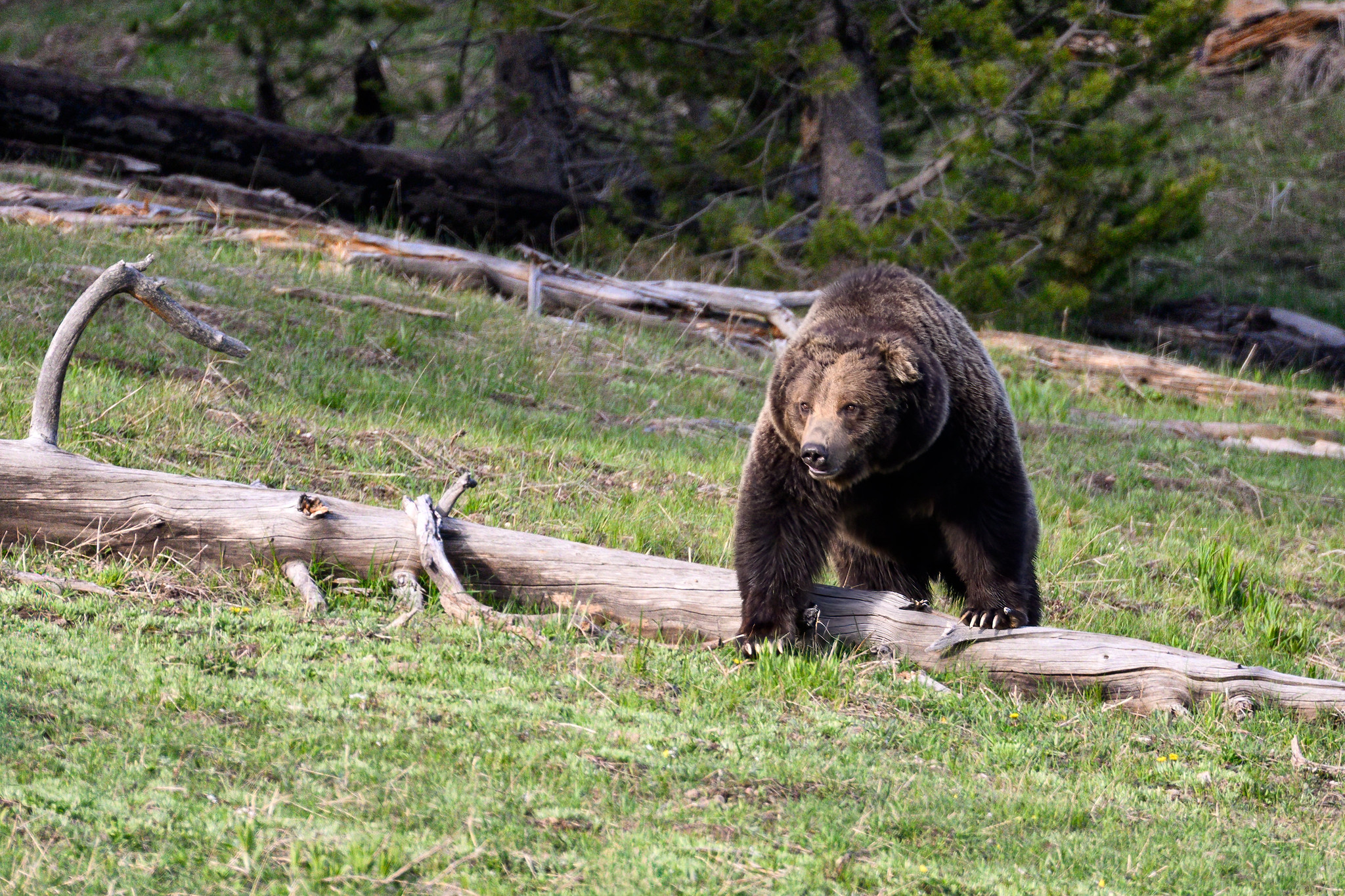
The journey for the grizzly bear (Ursus arctos horribilis) from the brink of extinction to its current population levels is indeed a testament to the power of the Endangered Species Act (ESA). In 1975, the U.S. Fish and Wildlife Service (FWS) designated grizzlies as "threatened" in the Lower 48 states, recognizing the species’ perilous decline. At that time, fewer than 600 grizzlies roamed south of the Canadian border, their populations decimated by widespread hunting, habitat destruction, and persecution. Decades of intensive conservation efforts, including habitat restoration, reduced human-caused mortality, and strict federal protections, allowed these apex predators to begin a slow but steady recovery. Today, two robust populations thrive in and around the Greater Yellowstone and Glacier National Park ecosystems, each boasting approximately 1,000 bears. Additionally, smaller, more fragmented populations persist in other regions, with some areas holding the potential for further recolonization.
Despite this undeniable success, the path to delisting grizzly bears from the ESA has been fraught with legal and scientific challenges. The federal government has previously attempted to remove ESA protections for grizzlies in the Greater Yellowstone Ecosystem on two separate occasions, in 2007 and again in 2017. Both efforts were ultimately overturned in federal courts, with judges citing concerns over the long-term genetic health of the populations, the adequacy of state management plans, and the potential impacts of climate change on critical food sources. Undeterred by these setbacks, states continued to petition for the transfer of management authority. As recently as January 2025, during the final hours of the preceding Biden administration, the FWS formally denied these petitions, reaffirming the bears’ protected status under a new rule that reinforced federal oversight.
However, the Trump administration’s latest proposal takes a distinct and novel approach, circumventing a direct delisting while still achieving a significant shift in power. Instead of fully removing grizzlies from the endangered species list, the new rule amends the Biden administration’s 2025 edict by revising Section 4(d) of the Endangered Species Act. This critical legal provision allows the FWS to issue specific regulations for threatened species that are deemed "necessary and advisable to provide for the conservation of such species." In this instance, the revised 4(d) rule would effectively concede day-to-day grizzly management to the states of Idaho, Montana, and Wyoming, even as the species technically retains its "threatened" designation. This innovative legal maneuver creates a unique hybrid status, granting states greater operational flexibility without the complete removal of federal oversight that full delisting would entail.

Christy Clark, director of Montana Fish, Wildlife and Parks, articulated the strategic nature of this decision, stating, "I think of this as a dress rehearsal for delisting." This perspective underscores the expectation among state officials that this new arrangement will serve as a probationary period, demonstrating their capacity for effective stewardship and paving the way for eventual full delisting. For decades, a primary concern surrounding delisting has been the potential for states to implement grizzly bear hunting seasons. While Montana currently maintains a five-year moratorium on hunting the animals post-delisting, Governor Gianforte clarified that the newly proposed 4(d) rule would not permit a hunt in Montana under its current provisions. The full text of the revised 4(d) rule is yet to be published, but Secretary Burgum and the three governors emphasized that its core purpose is to empower states with enhanced flexibility to manage grizzlies on the ground, facilitating a transition from an era focused solely on recovery to one of sustained stewardship.
Despite the assurances from state and federal officials, conservation organizations remain deeply skeptical, warning that the policy change could lead to increased grizzly mortality and undermine decades of conservation progress. Andrea Zaccardi, senior attorney at the Center for Biological Diversity, voiced strong opposition, stating, "We’re disappointed the Trump administration is trying to make it easier to kill grizzly bears." Environmental law firm Earthjustice also highlighted a confluence of other federal actions that, in their view, could further imperil grizzly populations. Jenny Harbine, managing attorney at Earthjustice, cited concerns over weakened environmental reviews, the rescission of critical roadless rules, and the acceleration of logging and mining projects across grizzly habitat. These cumulative pressures, she argued, create an environment where grizzlies "need [protections] more than ever," making the relaxation of federal oversight particularly problematic.
The debate surrounding grizzly bear management reflects a broader, ongoing ideological struggle over natural resource policy in the American West and beyond. Proponents of state control often argue that local authorities possess a more intimate understanding of regional ecological dynamics and community needs, making them better equipped to balance conservation with economic activities and public safety. Conversely, conservation advocates contend that national interests in biodiversity preservation necessitate a consistent, overarching federal framework, especially for wide-ranging, vulnerable species like the grizzly. The future of grizzly bears, iconic symbols of North American wilderness, will likely continue to be shaped by this complex interplay of science, law, politics, and the enduring human desire to coexist with powerful wild animals. The new 4(d) rule sets a precedent that could influence the management of other recovered or recovering species, potentially altering the landscape of wildlife conservation across the nation. As legal challenges are almost certainly on the horizon, the ultimate fate of this policy, and its long-term impact on the grizzlies of the Lower 48, remains to be seen.