

 Joko Susilo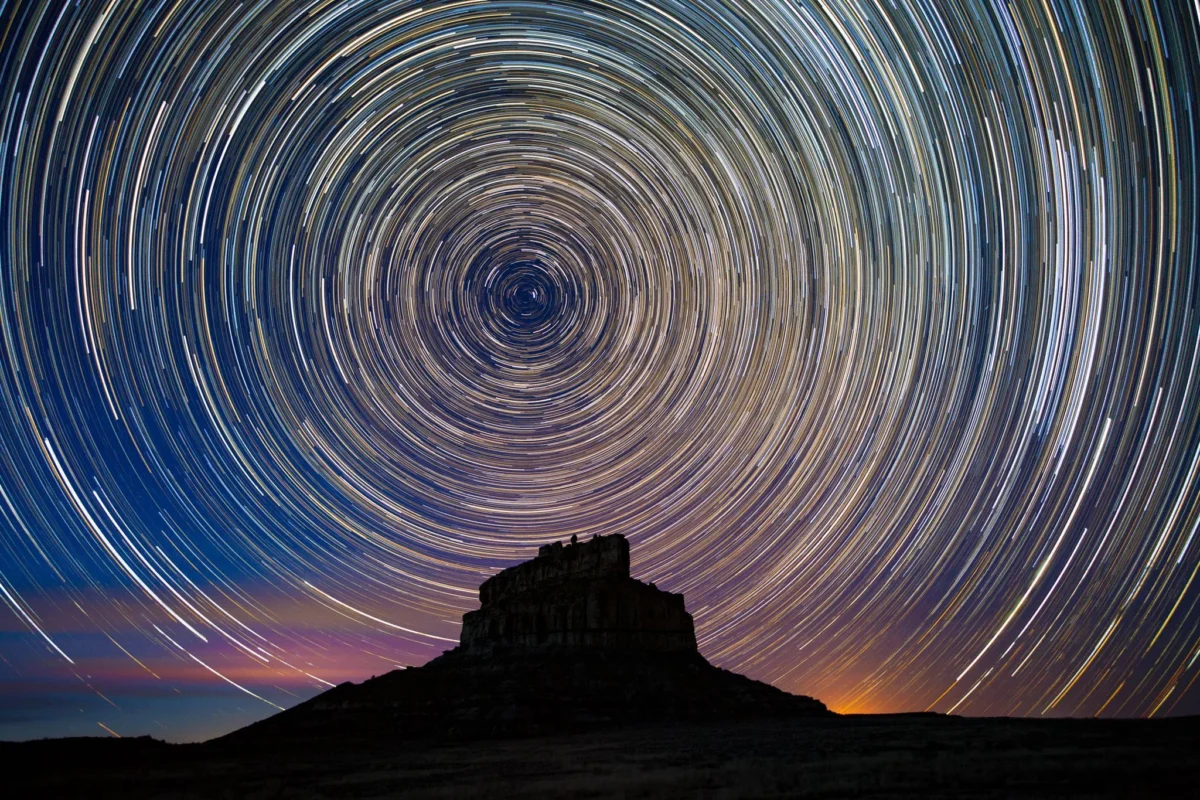
Representatives from 20 sovereign Pueblo nations, alongside New Mexico’s congressional delegation, convened at the U.S. Capitol on Wednesday to deliver a resolute and unified message: "Chaco Canyon is not for sale." This powerful declaration underscores a deepening conflict between federal resource extraction policies and the profound cultural and spiritual significance of Chaco Culture National Historical Park, a UNESCO World Heritage site revered by Indigenous peoples across the Southwest. The gathering signaled an intensified pushback against the Bureau of Land Management’s (BLM) controversial plan to revoke a critical 10-mile buffer zone that currently shields the ancient landscape from new oil and gas drilling and mineral extraction.
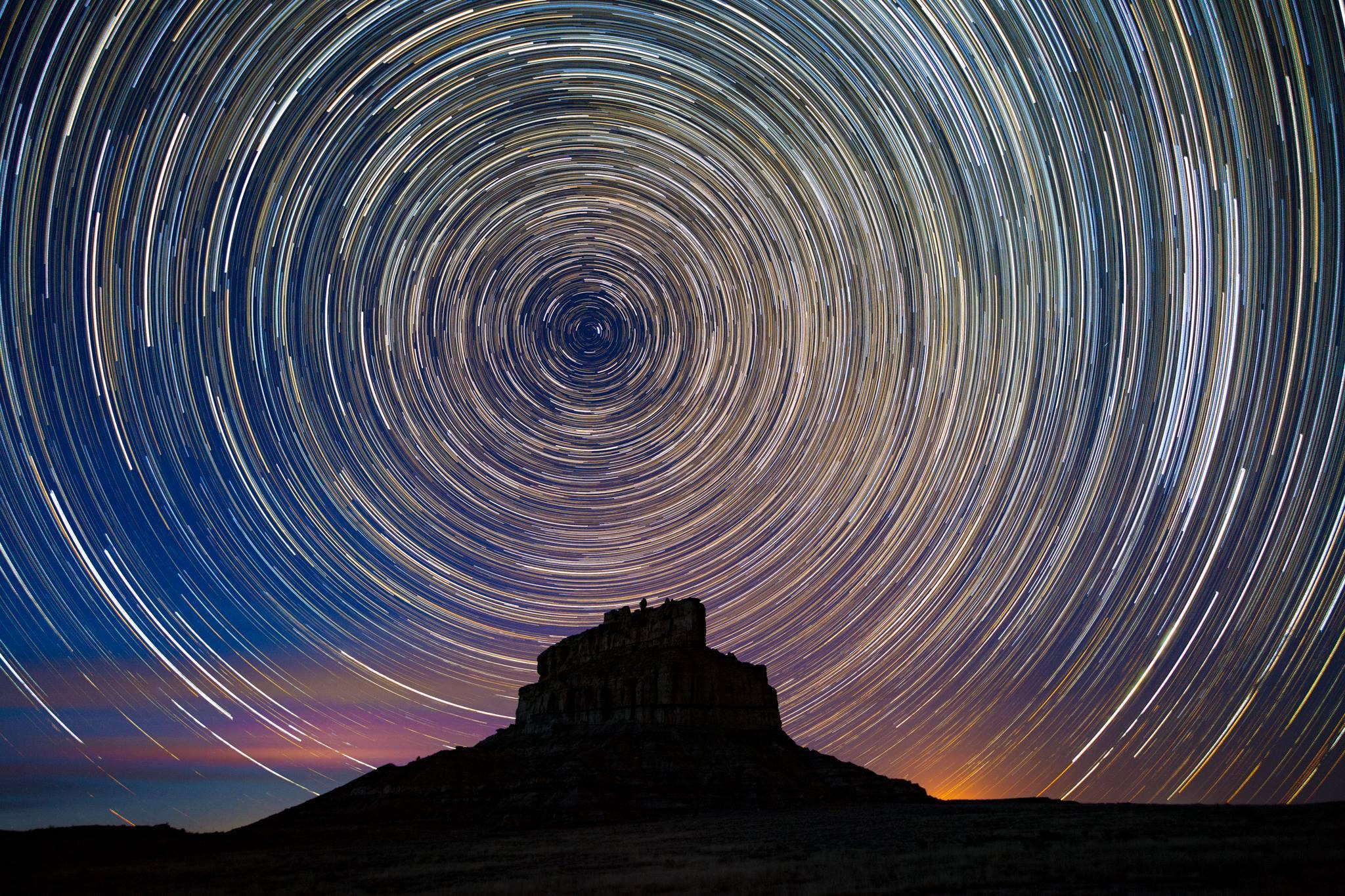
Chaco Canyon, nestled in the remote high desert of northwestern New Mexico, stands as a monumental testament to the sophisticated civilization that flourished there over a millennium ago. Between 850 and 1250 A.D., it served as a major regional center, a hub of culture, trade, and ceremony for the Ancestral Puebloans. Its inhabitants constructed monumental great houses, intricate road networks, and precise astronomical observatories, demonstrating advanced engineering and cosmological knowledge. For the modern Pueblo peoples and other Southwestern tribes, Chaco is not merely an archaeological site; it is an ancestral homeland, a living landscape imbued with spiritual power, a vibrant place of prayer and pilgrimage, and core to their very identity. As U.S. Rep. Gabe Vasquez emphasized at the Washington D.C. news conference, "In other words, there is no replacing it."
The buffer zone in question, established in 2023 by then-Interior Secretary Deb Haaland – a New Mexico Democrat and the first Native American to hold the Cabinet position – closed approximately 336,404 acres of federal land within a 10-mile radius around the park to new drilling and mining for 20 years. Haaland’s order was the culmination of decades of advocacy by tribal communities and environmental groups, recognizing the imperative to protect the "greater Chaco landscape" – a vast, interconnected cultural tapestry extending far beyond the park’s official boundaries. This buffer aimed to safeguard not only the visible ruins but also the intangible cultural resources, sacred sites, and pristine vistas crucial to the spiritual practices of contemporary tribes, as well as the fragile desert ecosystem.
However, aligning with an overarching agenda that prioritizes energy independence through increased domestic production and deregulation, the Bureau of Land Management, under the influence of the prior administration’s policies, now plans to revoke this critical protection. The proposed rescission of the buffer zone is viewed by its opponents as an absolute "gut punch" to New Mexico’s Indigenous communities and a blatant disregard for cultural heritage in favor of short-term economic gains from fossil fuel extraction. Critics argue that allowing industrial activity so close to such a sacred and archaeologically significant area risks irreparable damage through noise, light pollution, habitat destruction, and potential contamination of air and water resources.
The urgency of the current advocacy stems from a critically short public comment period for the environmental assessment (EA) related to the plan to lift the protections. This two-week window, which closes on July 29, has been vehemently decried as insufficient and insulting by tribal leaders and lawmakers. A 14-day period offers little to no meaningful opportunity for extensive public engagement, especially for remote tribal communities who require time for consultation, translation, and travel to participate effectively in federal decision-making processes. Such a truncated timeline raises serious questions about the transparency and fairness of the federal review process, particularly when dealing with matters of such profound cultural and environmental significance.
"The question before us is simple: What kind of legacy will we leave?" posed Cochiti Pueblo Gov. Phillip Quintana. "Will we choose short-term extraction, or will we choose to protect one of the most important Indigenous cultural landscapes in North America, a place whose meaning reaches far beyond any single administration?" His words encapsulate the core dilemma at the heart of the Chaco debate: the tension between economic imperatives and the preservation of irreplaceable cultural and ecological treasures.
In response to the BLM’s move, New Mexico’s entire Democratic congressional delegation, including all five senators and members of Congress, dispatched a letter to U.S. Interior Secretary Doug Burgum on Wednesday. They urgently requested an extension of the comment period to a minimum of 90 days, emphasizing the complex nature of the issue and the need for thorough public and tribal consultation. Furthermore, the delegation reiterated a previous demand for Secretary Burgum to personally visit Chaco Canyon "before taking any action that would put this irreplaceable landscape at risk." This request harks back to an appearance before the House Natural Resource Committee in June 2025, where Burgum reportedly agreed to such a visit. However, U.S. Rep. Teresa Leger Fernández, whose district encompasses Chaco Canyon, expressed strong skepticism, stating, "He lied. But we will hold him to his comment. We will hold the Department of Interior to the rules and the laws and the regulations, and we will not let them silence us." Joey Sanchez, chair of the All Pueblo Council of Governors, echoed this sentiment, lamenting, "We asked for a meeting, but we never got it. I don’t know if you’re here in town, but you know we’re here. We’re ready to be with you. We ask you to come and visit." Secretary Burgum has yet to respond publicly to these latest requests for comment or a visit.
Beyond the federal stage, state-level leaders in New Mexico are also mobilizing. State Rep. Derrick Lente, D-Sandia Pueblo, issued a compelling call to action, urging Governor Michelle Lujan Grisham to "make New Mexico’s opposition unmistakable and to direct the resources of the state toward defending this landscape." Lente specifically called upon the state Department of Cultural Affairs and the State Historic Preservation Officer to leverage their full authority under the National Historic Preservation Act to ensure that the cultural harm posed by the proposal is "honestly studied and honestly weighed." A spokesperson for Governor Lujan Grisham confirmed her administration’s consistent and vigorous opposition to the "terribly shortsighted and reckless proposal," citing months of official correspondence and coordination with the congressional delegation to bolster the state’s stance.
The unity seen among New Mexico’s pueblos stands in contrast to the more complex and sometimes divided perspectives within the Navajo Nation, whose vast lands encircle Chaco Canyon. While many individual Navajo citizens and environmental advocates support the buffer zone, some prominent Navajo leaders have historically opposed it. Outgoing Navajo President Buu Nygren, who recently placed third in his primary election, has been a vocal opponent of the buffer, arguing that it infringes upon the rights of Navajo allottees. Allottees are individual Navajo landowners whose parcels, often remnants of historical land distribution policies, may include subsurface mineral rights. For these individuals, oil and gas development can represent a crucial source of income in a region grappling with significant economic challenges and limited opportunities. The two leading candidates to succeed Nygren, Justin Jones and Crystalyne Curley, have expressed similar views. Jones has previously stated that allottees should be allowed to develop oil and gas resources due to their surface and subsurface possessory rights, while Curley, the Navajo Nation Council speaker, strongly disagreed with Secretary Haaland’s 2023 decision to impose the buffer.
However, this perspective is not universally shared within the Navajo community. Mario Atencio, a Navajo activist and outspoken critic of the oil and gas industry’s environmental and health impacts on his home region, highlighted the detrimental consequences of lifting protections. Atencio, whose own family holds allotments within the buffer zone, warned that revoking these safeguards would grant the government "free rein to pollute the land," posing significant challenges and harm to the public health of local residents. His concerns underscore the environmental justice implications, where Indigenous communities often bear a disproportionate burden of pollution from resource extraction activities.
The struggle over Chaco Canyon is more than a local land dispute; it is a microcosm of global challenges balancing economic development, energy security, and the imperative to protect irreplaceable cultural heritage and the environment. It tests the strength of Indigenous sovereignty and the commitment of governments to honor treaty obligations and respect ancestral ties to land. As the public comment period rapidly concludes, the fate of Chaco’s protective buffer remains uncertain, but the voices demanding its preservation grow louder, carrying the weight of a millennia of history and a future generation’s right to inherit an unspoiled legacy.








