Rocky Georgio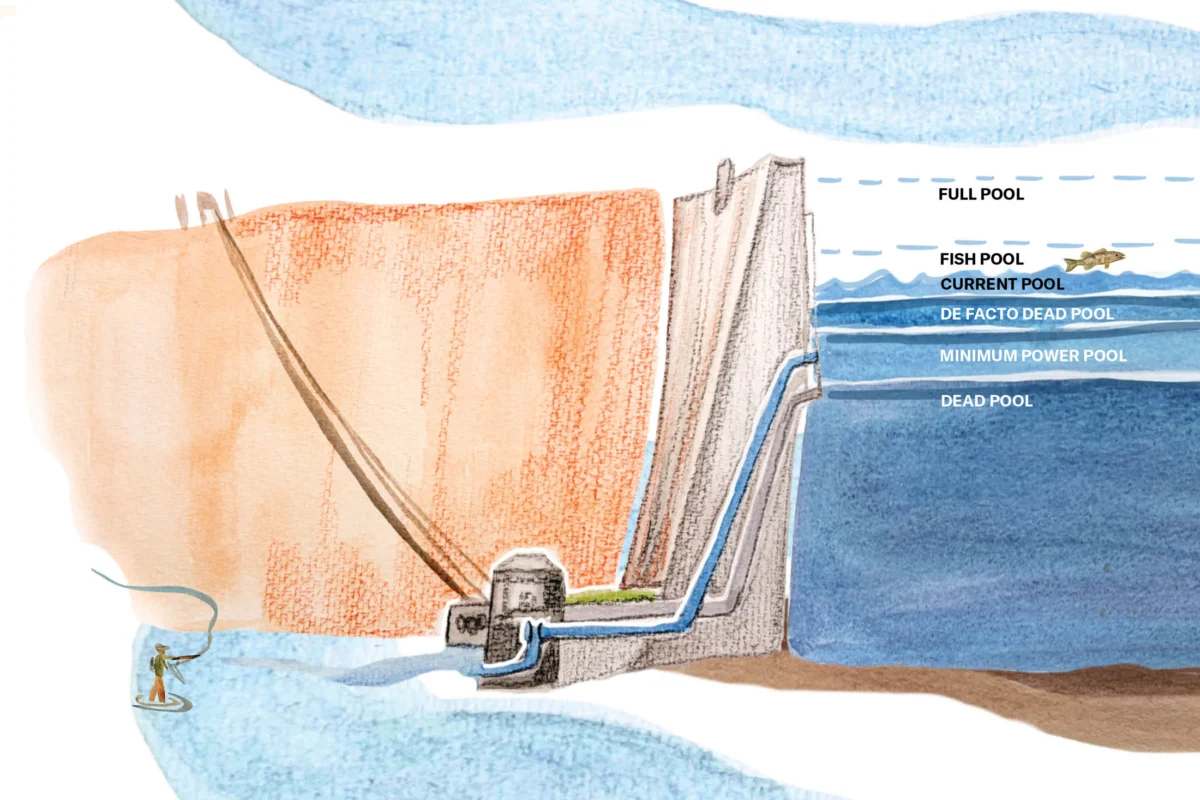
In 1956, the ambitious construction of Glen Canyon Dam commenced, a monumental undertaking designed to reshape the Colorado River’s destiny. Its primary mandate was to create Lake Powell, a vast reservoir intended to function as a critical water savings account for the arid American West. Beyond its role in water conservation, the dam was envisioned to generate vital hydroelectric power, foster burgeoning recreational opportunities, and crucially, prevent the accumulation of silt that threatened to choke the already strained Lake Mead. The fundamental principle behind Lake Powell was to buffer the river’s notoriously erratic flows, storing precious water during periods of abundance for use during inevitable droughts, thereby enabling the Upper Basin states to meet their obligations under the Colorado River Compact. This compact, a cornerstone of regional water management, stipulated that the aggregate flow of the Colorado River at Lees Ferry should not be depleted below 75,000,000 acre-feet over any ten consecutive years.
However, over six decades later, the very functions that justified Glen Canyon Dam’s existence are now facing unprecedented peril. Ironically, the dam, a symbol of human ingenuity in taming a wild river, now stands accused of potentially precipitating a violation of the very compact it was built to uphold. All its intended benefits, with the singular exception of silt capture, are under severe threat. The dire reality is that the Upper Basin states may soon find themselves in breach of the compact’s non-depletion clause, a direct consequence of the dam’s operational constraints in the face of dwindling water supplies.
For more than two decades, a relentless and deepening drought has systematically depleted Lake Powell’s "savings account," reducing it to a fraction of its former glory. The critically low water levels are not merely an abstract environmental concern; they represent a tangible threat to the region’s water supply and the continued operation of the dam itself. The scarcity of snowpack this past winter has exacerbated an already precarious situation, compelling federal dam operators to implement extraordinary measures. These interventions are desperately aimed at preventing the reservoir from plummeting below critical thresholds this summer, a scenario that would jeopardize both its capacity to generate hydroelectric power and its fundamental role as a water storage facility. The difficult decision to curtail downstream releases, a necessary step to conserve the remaining water, carries a significant and unavoidable consequence: the very act of protecting the reservoir’s integrity could push the Upper Basin into violating the Colorado River Compact.
The foundational agreements and infrastructure, including both the Colorado River Compact and Glen Canyon Dam, were conceived and constructed during an era when the Colorado River flowed with considerably greater volume and predictability. The assumptions underpinning water allocation and management were based on a hydrological regime that no longer exists. Today, the intensifying effects of climate change, characterized by rising global temperatures and increasingly arid conditions across the Western United States, are poised to render these once-robust systems obsolete. The delicate balance of water availability, which has long dictated the prosperity and growth of the region, is being irrevocably altered, forcing a fundamental re-evaluation of water management strategies that have been in place for generations.
The Colorado River, often referred to as the "Lifeline of the Southwest," supports a population of over 40 million people across seven states and Mexico, irrigates millions of acres of farmland, and sustains vibrant ecosystems. The current crisis in Lake Powell is a stark manifestation of a larger, systemic issue affecting the entire Colorado River Basin. The Upper Basin states—Wyoming, Colorado, Utah, and New Mexico—are mandated by the compact to deliver a certain amount of water to the Lower Basin states—Arizona, Nevada, and California—while also accounting for water used within their own borders. Glen Canyon Dam, by storing water in Lake Powell, was intended to ensure these deliveries could be met consistently. However, as the reservoir shrinks, the dam’s ability to release sufficient water to meet downstream demands, particularly during critical periods, is compromised.

The implications of a potential compact violation extend far beyond the legal and administrative spheres. It could trigger a cascade of consequences, including potential water use cutbacks for millions of residents and agricultural operations that depend on the river’s flow. Farmers, who are often the first to face restrictions, could see their yields plummet, impacting food production and rural economies. Municipalities might face severe water rationing, affecting daily life and economic development. The intricate web of water rights, developed over a century of complex legal battles and agreements, could unravel, leading to protracted and contentious litigation.
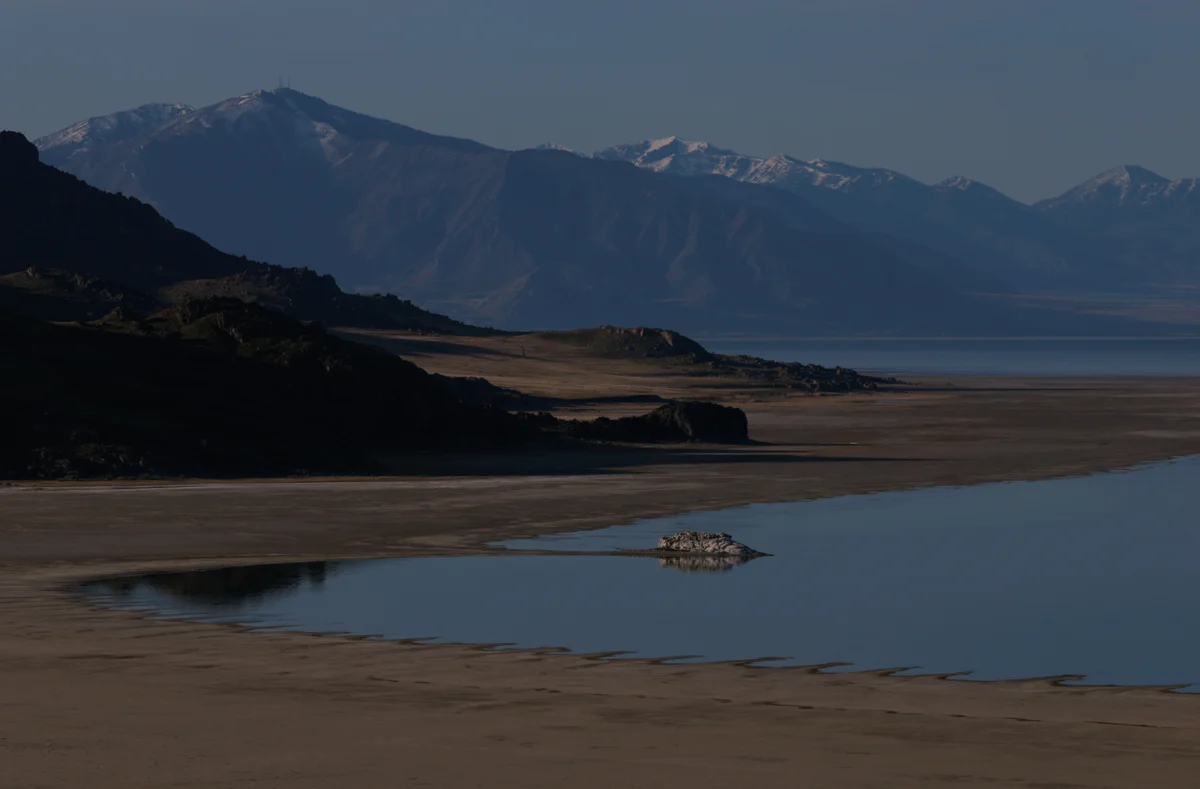
Furthermore, the diminishing water levels in Lake Powell and Lake Mead have profound ecological consequences. The reduction in river flow downstream of the dams can alter aquatic habitats, impacting endangered species and the overall health of the river ecosystem. The iconic landscapes surrounding these reservoirs, which have become major tourist destinations, are also at risk, with receding shorelines revealing the stark reality of water scarcity. The visual impact of exposed bathtub rings around the reservoirs serves as a powerful and unsettling symbol of the environmental challenges facing the region.
The current predicament is not a sudden development but rather the culmination of decades of over-allocation, increasing demand, and a changing climate. During the 20th century, water managers often operated under the assumption that historical flow data provided a reliable predictor of future water availability. However, this era of "wet" conditions, which facilitated the construction of major water infrastructure and the subsequent population boom in the Southwest, is giving way to a new reality characterized by prolonged droughts and reduced precipitation. Climate scientists project that these trends will continue, making the sustainable management of the Colorado River an increasingly formidable challenge.
In response to the escalating crisis, federal agencies, state water managers, and stakeholders are engaged in urgent discussions and the implementation of various measures. These include voluntary water conservation efforts, the negotiation of new operating guidelines for the dams, and the exploration of innovative water management strategies. The Bureau of Reclamation, tasked with managing federal water resources, is continuously monitoring the situation and adjusting dam operations to mitigate the worst impacts. However, the scale of the problem necessitates a coordinated and sustained effort from all parties involved.
The situation at Glen Canyon Dam and Lake Powell underscores a broader global challenge: how to adapt water management systems to the realities of a changing climate. As other arid and semi-arid regions around the world face similar pressures on their water resources, the lessons learned from the Colorado River Basin will be invaluable. The need for integrated water resource management, which considers all aspects of the water cycle—from source to tap, and beyond—is more critical than ever. This includes investing in water-efficient technologies, promoting water conservation at all levels, and fostering a greater understanding of the interconnectedness of water, energy, and food systems.
The future of the Colorado River and the systems designed to manage it hinges on the ability of policymakers, water managers, and the public to confront the uncomfortable truths about water scarcity. The era of assuming abundant water is over, and the legacy of past decisions is now being tested by the harsh realities of climate change. The ongoing crisis at Glen Canyon Dam is not just a regional water issue; it is a critical test of our capacity to adapt, innovate, and cooperate in the face of an existential environmental challenge. The decisions made today will shape the availability of water for generations to come, determining the sustainability and prosperity of the American Southwest and offering crucial insights for a water-stressed world.