Rocky Georgio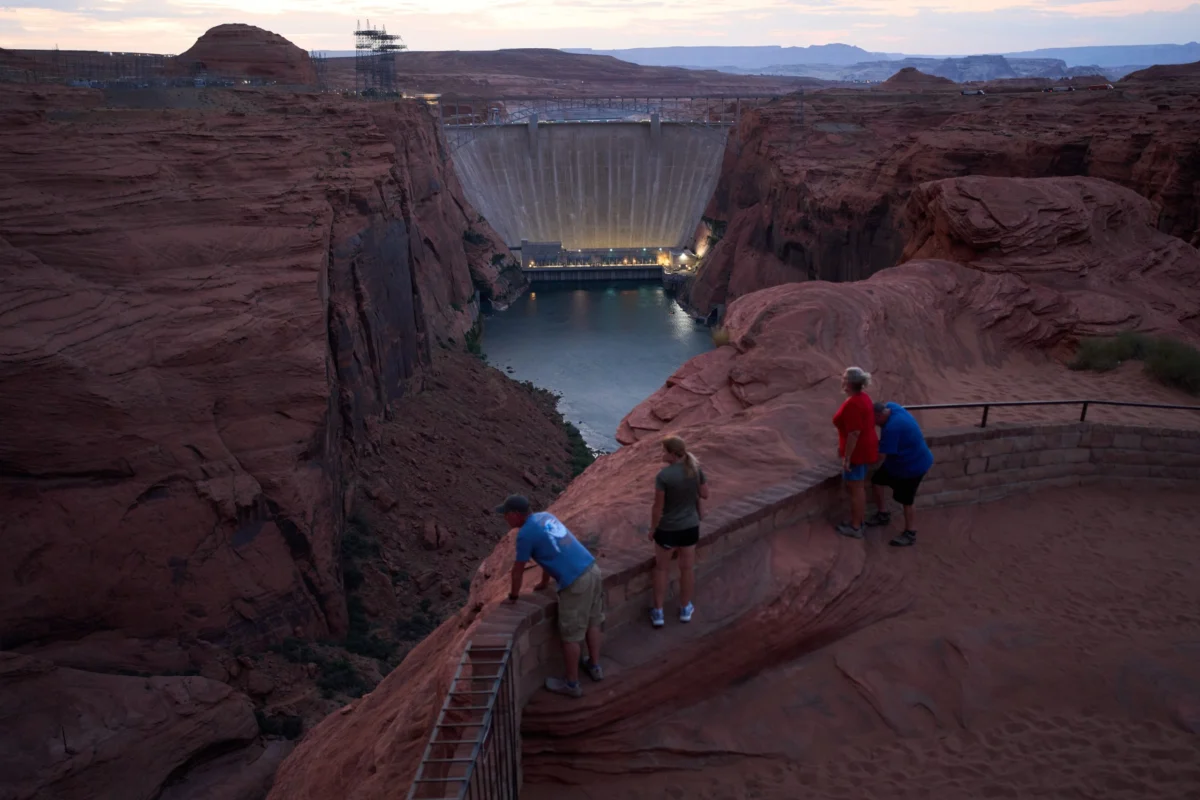
Monsoon storms recently unleashed devastating flash floods upon northern Arizona, particularly inundating the north rim of the Grand Canyon. These torrential rains, exacerbated by the burn scar from the 2025 Dragon Bravo Fire, transformed Bright Angel Creek into a raging torrent. Carrying debris from charred trees, boulders, and loose sediment, the powerful floodwaters surged towards the Colorado River, obliterating bridges, structures, and claiming at least two lives. The event reshaped the canyon’s landscape, erasing beaches and carving out new, treacherous rapids. This summer’s dramatic events underscore a profound and accelerating transformation of the Grand Canyon, a region now grappling with increasingly catastrophic seasonal floods alongside the long-term threat of diminishing water levels due to a warming climate.
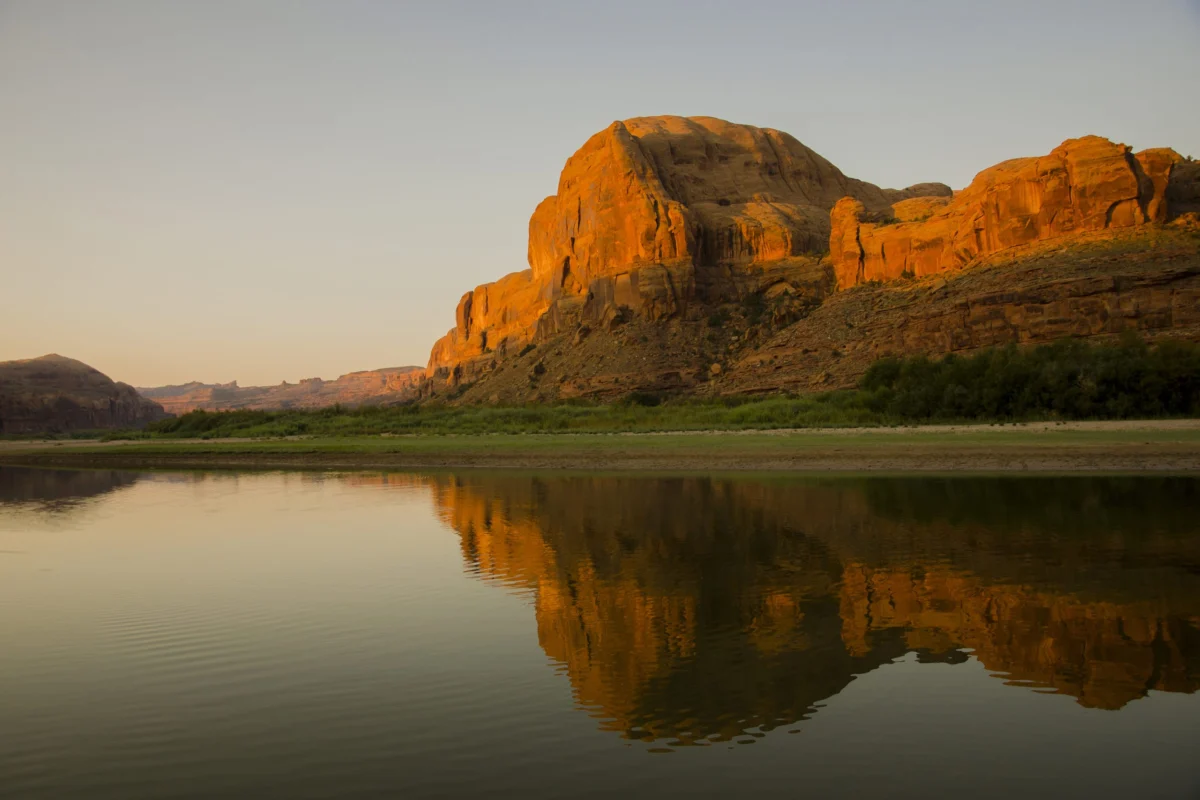
The Glen Canyon Dam, situated upstream of the canyon, is consistently releasing its lowest water volumes in decades, and projections indicate that the Colorado River’s flow will continue to decline. This dual challenge of extreme weather events and systemic water scarcity is already profoundly impacting the canyon’s vital recreation industry, its delicate ecosystem, and the ancestral lands of Indigenous tribes. The Colorado River, arguably the most iconic and heavily managed river system in the United States, flows through the Grand Canyon, a stretch framed by two colossal dams that impound the nation’s largest reservoirs: Lake Powell above and Lake Mead below. These reservoirs, critical water sources for an estimated 40 million people across the American Southwest, have been in a state of persistent decline for years, a trend directly attributable to reduced snowfall and rising temperatures driven by climate change.
The current water levels in these reservoirs have dwindled to a point not seen since the 1950s, a period when only Lake Mead existed and was merely half-full, according to Jack Schmidt, director of Utah State University’s Center for Colorado River Studies. This summer, July inflows into the system registered a stark 12% of the historical average. Compounding these concerns, a June report from the Bureau of Reclamation projects that Lake Powell could drop to levels too low to generate hydroelectric power by January 2027. This potential loss of hydropower generation not only threatens energy supply but also raises significant concerns about the structural integrity of the Glen Canyon Dam itself.

In response to these alarming trends, the Bureau of Reclamation has implemented substantial reductions in water releases from Lake Powell. Monthly allocations have been curtailed, with current releases standing at 482,000 acre-feet per month, projected to decrease further to 401,000 acre-feet by October. While these shrinking water levels will ripple throughout the entire Colorado River Basin and beyond, the Grand Canyon is positioned to experience the most immediate and profound effects. Jen Pelz, water advocacy director for the Grand Canyon Trust, notes that while the canyon historically experienced periods of low flow before the construction of the dam, the current altered system, shaped by over sixty years of dam operations, means a simple reduction in water release will not restore natural conditions. The dynamic high spring flows and warm, low summer flows characteristic of the pre-dam era are unlikely to return.
The indigenous tribes, who have been stewards of the Grand Canyon for millennia, possess an unparalleled understanding of these environmental shifts. Kurt Dongoske, Zuni tribal historic preservation officer and principal investigator for Zuni Cultural Resource Enterprise, emphasizes that tribal relationships with the canyon extend back thousands of years longer than any scientific study. For the Zuni people, the Grand Canyon is a sacred place of emergence, embodying a direct spiritual, cultural, and geographic connection to the Pueblo of Zuni, where the Zuni River flows into the Colorado. Dongoske, a participant in numerous Bureau of Reclamation meetings over decades, laments that the Zuni perspective on consistent ecosystem management has historically been overlooked, and he anticipates this neglect will only intensify as water levels continue to fall.
The impacts of reduced sediment flow are acutely visible at the most granular level. The Glen Canyon Dam effectively traps over 90% of the sediment that historically traveled through the Grand Canyon. Pelz highlights that this lack of sediment transport is a critical consequence of diminished flows, as sediment forms the ecological and structural bedrock of the canyon. It builds the sandbars essential for fish habitats and creates the beaches favored by rafters. Without this vital sediment, vegetation struggles to establish, leading to destabilized banks and a reduction in forage and habitat for wildlife and insects that underpin the canyon’s food web. Furthermore, sediment plays a crucial role in protecting irreplaceable cultural resources, including ancient Indigenous masonry dwellings, seasonal campsites, and petroglyphs. A 2023 U.S. Geological Survey report identified that windblown sand dunes currently shield sensitive archaeological sites from water-based erosion, but with falling sediment levels, nearly 400 such sites are now at risk.
The persistent, sediment-deprived flows contribute to a gradual erosion of the canyon itself, with sand being transported downstream into Lake Mead rather than remaining within the canyon’s ecosystem. To counteract this, the Bureau of Reclamation has, since the late 1990s, typically conducted an annual "high flow experiment" – a significant pulse of water released in the spring or fall – to redeposit sediment into the canyon. However, this crucial experiment was neglected in 2025. Even in 2026, despite sufficient sediment availability to warrant such an event, the agency opted against it, deeming it politically unpalatable. Pelz warns that the cessation of these high flows means the loss of sediment within the canyon, representing one of the most significant ecological detriments to the Grand Canyon.

As reservoir levels drop and less water flows through the canyon, water temperatures are also changing. Water released from the dam is now drawn from the sun-warmed upper layers of Lake Powell. While historically ranging between 45 and 50 degrees Fahrenheit, these temperatures are now approaching 60 degrees Fahrenheit as the lake recedes. Schmidt explains that this warming trend fosters algae blooms in the clear, warmer water near the dam, a phenomenon that is suppressed when the water is rich with sediment. These elevated temperatures pose a severe threat to the blue-ribbon trout fishery immediately below the dam, as the fish are ill-equipped to tolerate such heat. This ecological disruption carries significant local economic consequences, as recreation in the region generates an estimated $1 billion annually, supporting thousands of jobs across guiding, hospitality, and public works sectors.
The warmer surface layer of Lake Powell also harbors another threat: smallmouth bass. These non-native fish, thriving in warmer aquatic environments, are being drawn through the dam’s turbines as water levels fall and released into the canyon. This influx disrupts the existing ecosystem, particularly impacting threatened native fish species like the humpback chub, which are preyed upon by smallmouth bass, especially their young. Approximately 85% of the humpback chub population in the United States resides within the Grand Canyon, a testament to a decades-long recovery program that saw the species upgraded from endangered status in 2021. This recovery is supported by a nursery at the confluence of the Little Colorado River, a vital sanctuary that could be jeopardized by the proliferation of smallmouth bass. Pelz describes this as an interconnected ecological, biological, and cultural issue, noting that native fish have coexisted with tribes for time immemorial, and their absence would fundamentally alter the essence of the Grand Canyon. Adding to the complexity, revenue generated from hydroelectric power at Glen Canyon Dam funds the native fish recovery program; a decline in power generation directly translates to reduced financial support for these critical conservation efforts.
In past years, when river temperatures exceeded 60 degrees Fahrenheit for three consecutive days, the Bureau of Reclamation would implement "cool mix flows," releasing colder water from deeper within the lake to mitigate the impact of smallmouth bass and algae and to restore ecological balance. However, with current low water levels, the agency’s ability to adjust water releases to reflect the canyon’s natural variability is severely constrained, even when scientific evidence and established policies advocate for such actions. The Grand Canyon Trust is actively monitoring a USGS gauge at mile 15 of the Colorado River, which, as of September 10th, registered a water temperature of 69.4 degrees Fahrenheit. This temperature has exceeded the threshold for triggering a cool-mix flow release for an unprecedented 87 consecutive days, dating back to the end of June.
Dongoske, a representative to the Glen Canyon Dam Adaptive Management Program since 1991, points to another long-neglected aspect of river management: the Zuni belief that all life forms, including non-native fish, deserve respect and cherishment. He argues that it is not the fault of these introduced species that they now inhabit the canyon, and that the Bureau of Reclamation’s approach to non-native fish is antithetical to this principle. He further contends that Indigenous epistemologies have historically not been given equal consideration alongside Western scientific knowledge.

Recreation within the Grand Canyon is inextricably linked to river flows and the health of the ecosystem, as experienced by guides like Ben Reeder of Colorado River and Trail Expeditions. Each year, approximately 20,000 people embark on commercial river trips through the canyon, often the sole means to fully appreciate its vastness and intricate beauty. These expeditions range from short three-day motorboat excursions to extended 18-day oar-powered raft journeys. Reeder, who navigates 36-foot motorboats through the canyon, explains that as river levels drop, navigating challenging rapids like Hance and Horn Creek becomes significantly more difficult. "Running low water, especially in a big boat, is what separates decent boatmen from really good boatmen," Reeder states, admitting the experience has become considerably more nerve-wracking. Guides are compelled to adapt their routes, timing, and scouting strategies, with some companies already transitioning to smaller vessels to traverse the shrinking river channels. While no serious accidents have occurred, boats are increasingly getting stuck in the rapids. Reeder himself has altered his gear, now carrying a slingshot to help deliver a rope to shore if his boat becomes immobilized, highlighting the heightened need for contingency planning.
Reeder, who also serves as the Grand Canyon River Guides representative to the Bureau of Reclamation’s Technical Workgroup, describes the Grand Canyon as a "living, breathing thing," emphasizing the deep understanding gained from prolonged immersion. He notes that guides are collaborating to navigate these challenges, but expresses significant concern for the future of the guiding industry. Trip bookings have reportedly declined by approximately 25% following a post-COVID surge. Reeder fears that as the river levels continue to fall, it could eventually impede larger boats altogether, effectively ending the motorized sector of the industry. He acknowledges the historical resilience of Grand Canyon boatmen and expresses confidence in their ability to find solutions, but acknowledges uncertainty about his own ability to continue guiding in the same manner long-term, underscoring the necessity of adaptation.
Currently, releases from Lake Powell fluctuate between 6,000 and 9,200 cubic feet per second (cfs), a stark contrast to the typical average summer flows of 13,000 cfs, according to Jennifer M. Erickson from the Department of the Interior Public Affairs. These diminished flows render impossible critical operations such as cool mix flows and high-flow experiments, the latter requiring releases between 31,500 and 45,000 cfs for one to four days. Low flows also eliminate options like "bug flows," steady-state releases designed to minimize fluctuations and allow aquatic insects to hatch, thereby supporting the food web, including bird populations downstream.
Dongoske stresses the importance of considering the broader cascade of impacts extending beyond the river corridor, stating that "Whatever happens in the Grand Canyon will have impacts on the community of Zuni," citing the enduring spiritual connection. On a larger scale, Pelz observes that the pervasive sense of scarcity brought on by low water levels can stifle creativity and flexibility. The recent flash flood event further amplifies these concerns, prompting a critical need to "rethink how we’re going to manage the river or how the infrastructure is going to work," she concludes.