

 Rocky Gerung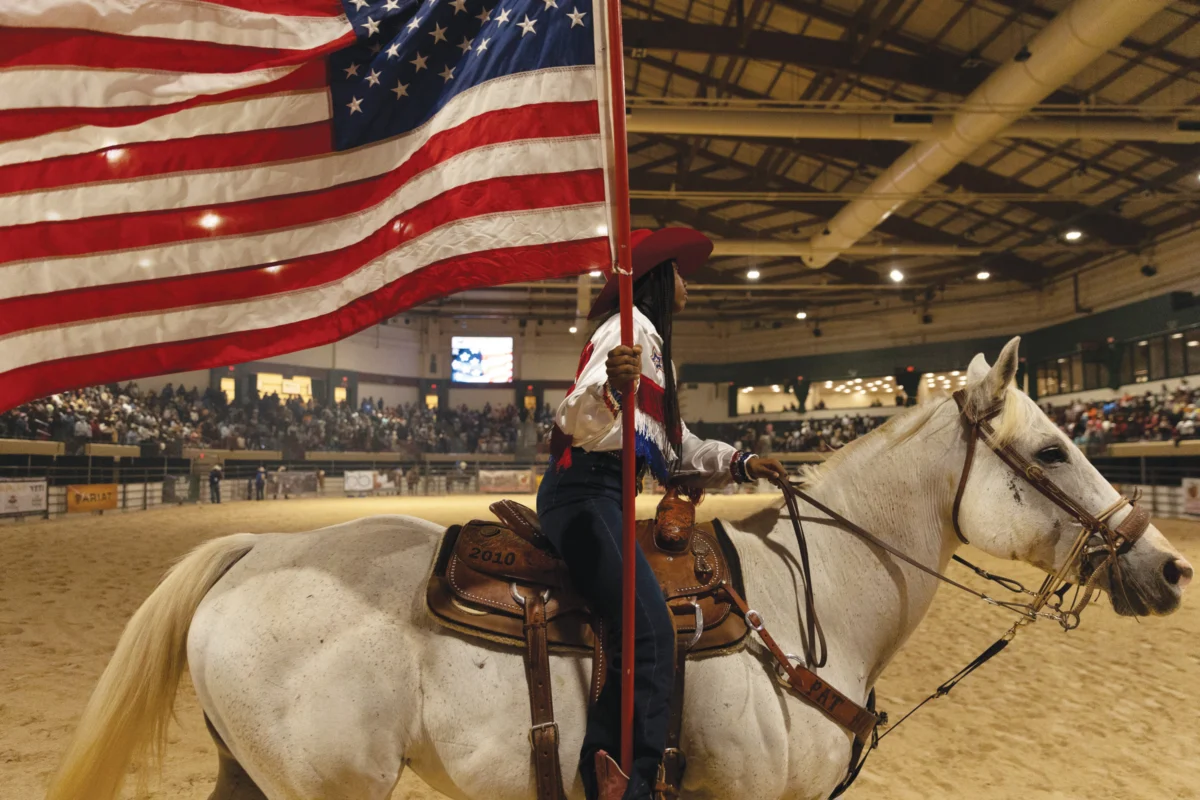
The resonance of Peacock’s docuseries High Horse: The Black Cowboy struck a deep chord, amplified by the visceral understanding gained from a recent, transformative encounter with a mustang. The quiet curiosity and steady presence of the mare, met with a potent mix of anxiety, joy, tenderness, and profound respect, underscored the profound honesty inherent in the human-equine relationship. This same clarity, cultivated through years of dedicated practice with a trainer emphasizing steady hands, a deep seat, and quiet legs during loping—a brisk, controlled gait—reveals the foundational work often invisible to casual observers. It’s a practice where a thousand-pound animal’s instinctive ability to discern authenticity renders any pretense futile, fostering a bond built on mutual trust and clear communication.
The series masterfully captures this essence, demonstrating how the often-romanticized narrative of the American West has systematically marginalized the significant contributions of Black individuals. It argues compellingly that Black hands have long been integral to the fabric of the West, from breaking horses and managing cattle to riding fences, participating in races, and training equine partners. The documentary contends that the issue isn’t the inclusion of Black cowboys in the Western story, but rather the persistent societal surprise at their presence, a reaction that perpetuates an incomplete historical record.
Executive produced by Jordan Peele’s Monkeypaw Productions and directed by independent filmmaker Jason Perez, a protégé of Spike Lee, High Horse weaves together compelling archival footage and photographs with contemporary scenes of Black cowboy life. Through explorations of film, music, and marketing history, the series exposes how the widely disseminated story of the West often diverges from lived reality. It illustrates how history is not always rewritten through dramatic acts of omission, but through a gradual, insidious narrowing of who is recognized as an authentic participant in the Western narrative, effectively airbrushing significant chapters from collective memory.
High Horse resolutely positions Black cowboys not as a tangential footnote, but as central figures in the unfolding history of the West. The documentary meticulously traces a continuous lineage, beginning with the skilled labor of formerly enslaved people who were adept with horses and livestock, moving to the Black jockeys who achieved dominance in early horse racing, and culminating in the present-day riders, ranchers, and entrepreneurs who continue this legacy. The series achieves this by presenting history not as a dry academic lecture, but as a vibrant, living continuum that remains relevant to contemporary life.
A particularly powerful aspect of the series is its deliberate focus on the physical realities of horsemanship. By lingering on the rider’s seat, the subtle movements of their hands, and the sheer hours dedicated to practice, High Horse speaks directly to anyone who has experienced the discipline of working with horses. The documentary acknowledges the non-negotiable truth that horses respond to consistency and fairness, irrespective of a rider’s personal narrative. This understanding highlights a common paradox: while the aesthetic of the cowboy is widely celebrated, the intricate, demanding craft itself is frequently overlooked.
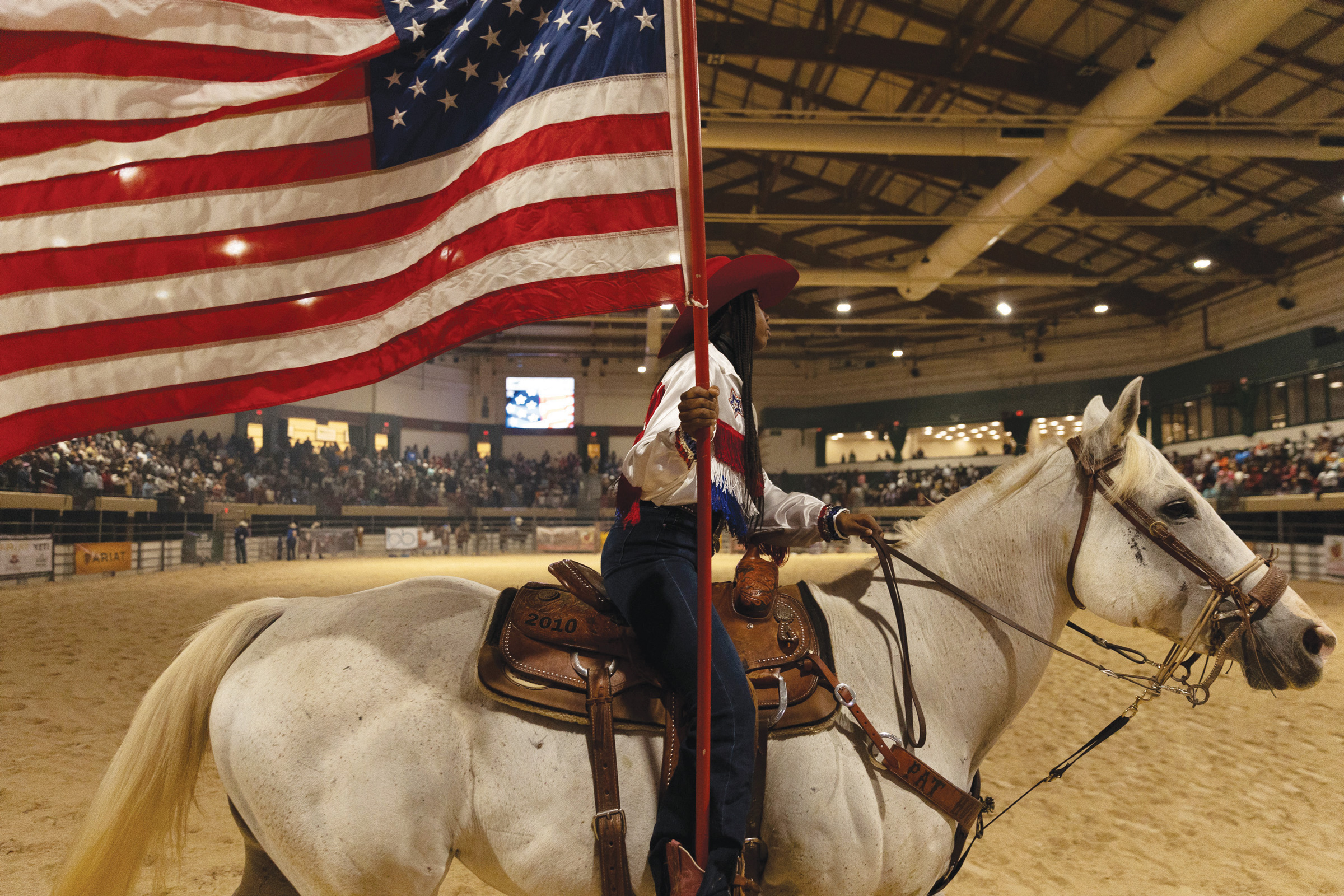
Throughout High Horse, the camera often rests on Black riders, depicted with a composed dignity, their posture steady and commanding as they survey expansive landscapes or navigate urban environments shaped by the same historical currents. These images, understated and quiet, possess a profound emotional weight. For Black Americans, land represents far more than mere scenery; it embodies inheritance and loss, the echoes of promises made and subsequently broken, and the fundamental distinction between being a transient visitor and a committed steward.
This intersection of land, history, and identity resonates personally. The author’s father, a rancher from boyhood in Texas who later managed land and livestock in California, served as the inspiration for Outdoor Afro, launched in 2009 as both a blog and a tribute to his enduring legacy. Similar to the aims of High Horse, Outdoor Afro sought to rectify misconceptions about the deep-seated connections Black communities have with the outdoors. This initiative has since evolved into a national organization, empowering thousands of Black families annually to engage with nature, not as a fleeting trend, but as a meaningful reunion with their heritage and the natural world.
Now, in midlife, a renewed seriousness has drawn the author back to horsemanship. This practice has cultivated greater patience and a more acute sense of honesty, while also fostering a more nuanced perspective on land ownership and stewardship. It has instilled a deeper sense of responsibility for personal lifestyle choices and their broader impact on both community and the environment.
The author’s current equine companion, a mustang named True Haven, hails from the Twin Peaks Herd Management Area in the high desert along the California-Nevada border. The name itself serves as a reminder of faith and the pursuit of peace, principles that horses intrinsically demand through their need for fairness and consistency. A horse’s immediate response to a rider’s actions provides an unfiltered assessment of their leadership qualities, creating an environment where authenticity is paramount.

While owning a wild horse does not confer expertise in public lands and wildlife policy, it cultivates an intimate understanding of stewardship and strengthens a commitment to protecting the nation’s public lands and wild spaces. The abstract nature of policy debates dissolves when one is holding a lead rope, focusing entirely on the immediate needs of another living creature for safety and reassurance.
High Horse astutely recognizes that the narrative of Black cowboys is inextricably linked to the history of Black land ownership and connection. It moves beyond the romantic allure of open spaces to address the practical realities of acreage, access, land titles, property taxes, and the often-unseen forces that determine who retains their connection to the land. While not delving into exhaustive policy details, the series underscores a truth too often sidestepped in Western discourse: the notion of freedom in the West was never equitably distributed, and historical violence, both legal and extralegal, is an indelible part of the region’s geography.
Despite its critical examination of historical injustices, High Horse is ultimately a celebration of freedom and resilience. The series showcases young riders in training and competition, elders passing down invaluable knowledge, and families continuing traditions, all coming together around horses with the same communal spirit found at church potlucks or family reunions. In a cultural landscape where Black history is frequently presented solely through the lens of trauma, this documentary offers a vital counter-narrative, highlighting excellence, craft, humor, pride, discipline, and profound joy.
While the series is a significant contribution, its three-episode structure inevitably limits its scope. The documentary successfully raises awareness but cannot encompass every facet of this complex history. There is a palpable desire for more extended explorations of Black women riders, a deeper examination of the economic realities of horse ownership, and a more robust acknowledgment of the intertwined histories of Black and Indigenous peoples on Western lands.
Furthermore, the series could have benefited from greater trust in the voices of working riders. Although the inclusion of well-known celebrities and scholars provides valuable reach and context, their presence occasionally risks overshadowing the authentic experiences of Black cowboys and ranchers. The generational stories of these individuals, who have dedicated their lives to working the land and their horses, possess an inherent power that could stand powerfully on its own, without extensive interpretation.

Perhaps the most significant achievement of High Horse is its resolute refusal to treat the Black cowboy as an anomaly. It actively invites viewers to broaden their understanding of what it means to be "Western," moving beyond the confines of traditional Hollywood portrayals. For anyone who cherishes the West, this re-examination of its foundational narratives arrives at a crucial moment.
Watching the series evokes a powerful recollection of those initial moments with the author’s mare: her watchful gaze, her patient waiting, and the unspoken questions about the kind of partnership that would unfold. This dynamic mirrors the human need to understand our own roles and intentions. Just as a horse thrives on clarity, consistency, and care, so too should our understanding of history be approached. For a more honest West with a robust future, a complete narrative must be told, and the very ground upon which it rests must be protected.
High Horse: The Black Cowboy is not, and should not be, the definitive statement on Black cowboys. However, it represents a powerful and necessary step toward a vision of the West where Black riders are recognized not as visitors, but as integral to the region’s foundation and its ongoing conservation efforts.







