

 Johny Prima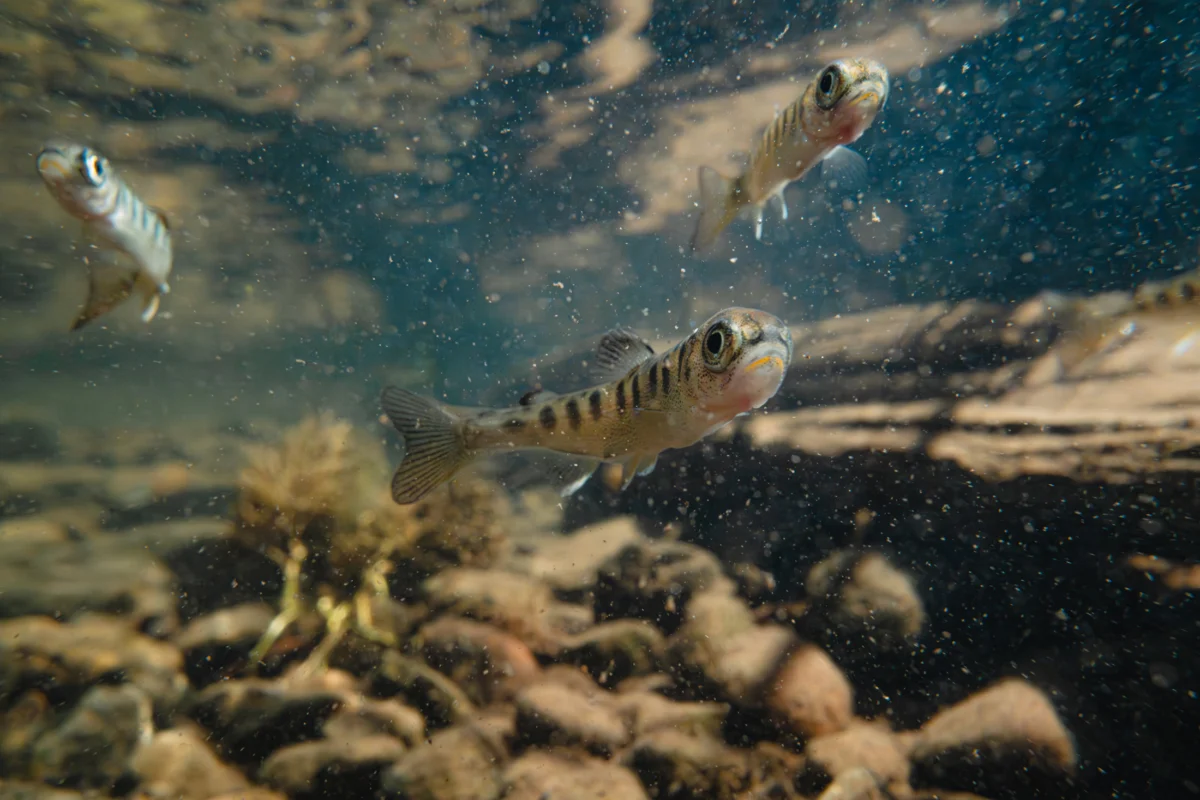
The headwaters of the Klamath River, deeply intertwined with the ancestral lands of the Klamath Tribes, comprising the Klamath, Modoc, and Yahooskin peoples, are experiencing a profound resurgence. Tribal Chairman William Ray Jr. vividly describes the intimate connection to these origins, noting, "It comes right out of the ground. I know this because I see it. I’ve lived it. And I know where it comes out of." These pristine waters converge to form Klamath Lake in southern Oregon, from which the mighty Klamath River embarks on its journey through Northern California, ultimately emptying into the vast Pacific Ocean. This extensive watershed historically sustained vibrant fish populations, particularly salmon, which were — and remain — central to the economies, traditional cuisine, spiritual practices, and medicinal traditions of tribal communities throughout the basin, including the Yurok Tribe situated downstream at the river’s mouth.
For millennia, salmon constituted a foundational pillar of the Klamath peoples’ diet, often comprising a third of their sustenance. Chairman Ray speaks with reverence for the salmon, a creature he describes as "Creator couldn’t have created a more powerful species," marveling at its unique ability to navigate both freshwater and saltwater environments. "He created this fish for all the Indians to enjoy," Ray asserts, underscoring its sacred significance. The river basin was once a global powerhouse for salmon production, ranked as the third-largest in the world, fostering extensive trade networks. The historic Klamath Trail, for instance, traversed present-day Oregon, connecting Indigenous communities with the renowned Celilo Falls, an ancient and now-submerged fishery and international trade hub on the Columbia River. Beyond nutrition, salmon held immense medicinal value; tribal members, when ill, would seek out specific fish species—like c’waam or koptu from particular bends in the lakeshore, or certain anadromous fish from the river—to consume their gills or boil their heads for healing broths. This profound relationship forged an unbreakable bond between the people and the river’s bounty.
However, the dawn of the 20th century brought a devastating transformation. The construction of a cascade of hydroelectric dams, beginning in the early 1900s, drastically altered the Klamath River’s natural flow and blocked the ancient migratory pathways of anadromous fish. These dams, built by PacifiCorp, effectively extirpated salmon from the upper basin for over a century, transforming what was once a vibrant ecosystem into a fragmented and degraded habitat. The impact was not limited to anadromous species; native lake-dwelling fish also suffered from altered water temperatures, reduced flows, and diminished water quality. The tribal communities, with their deep Indigenous knowledge, recognized the ecological crisis long before Western scientific validation. "We knew that there was something wrong beginning in the ’70s and especially the ’80s," Ray recalls. "It didn’t take Western science to tell the Indian with Indigenous knowledge that something was drastically wrong." Faced with this environmental catastrophe and the accelerating decline of their cultural cornerstone, the Klamath Tribes endured emotionally fraught deliberations. In a testament to their unwavering commitment to the species, they made the agonizing and tearful decision in 1986 to voluntarily cease all salmon fishing. "It hurt us," Ray shared, reflecting on the immense cultural sacrifice. "This was another issue that pecked away at our culture, the viability of it."
The stark reality of this loss is encapsulated in a poignant question Ray paraphrased from a Umatilla elder: "How can you build a tribal traditional economy on species that are endangered?" This is not an abstract query for the tribes; it translates into heartbreaking personal realities, such as Ray having to inform an elder that they cannot retrieve a healing fish from the sacred waters. "How do you say that to somebody? How?" he laments, highlighting the profound emotional and spiritual toll.
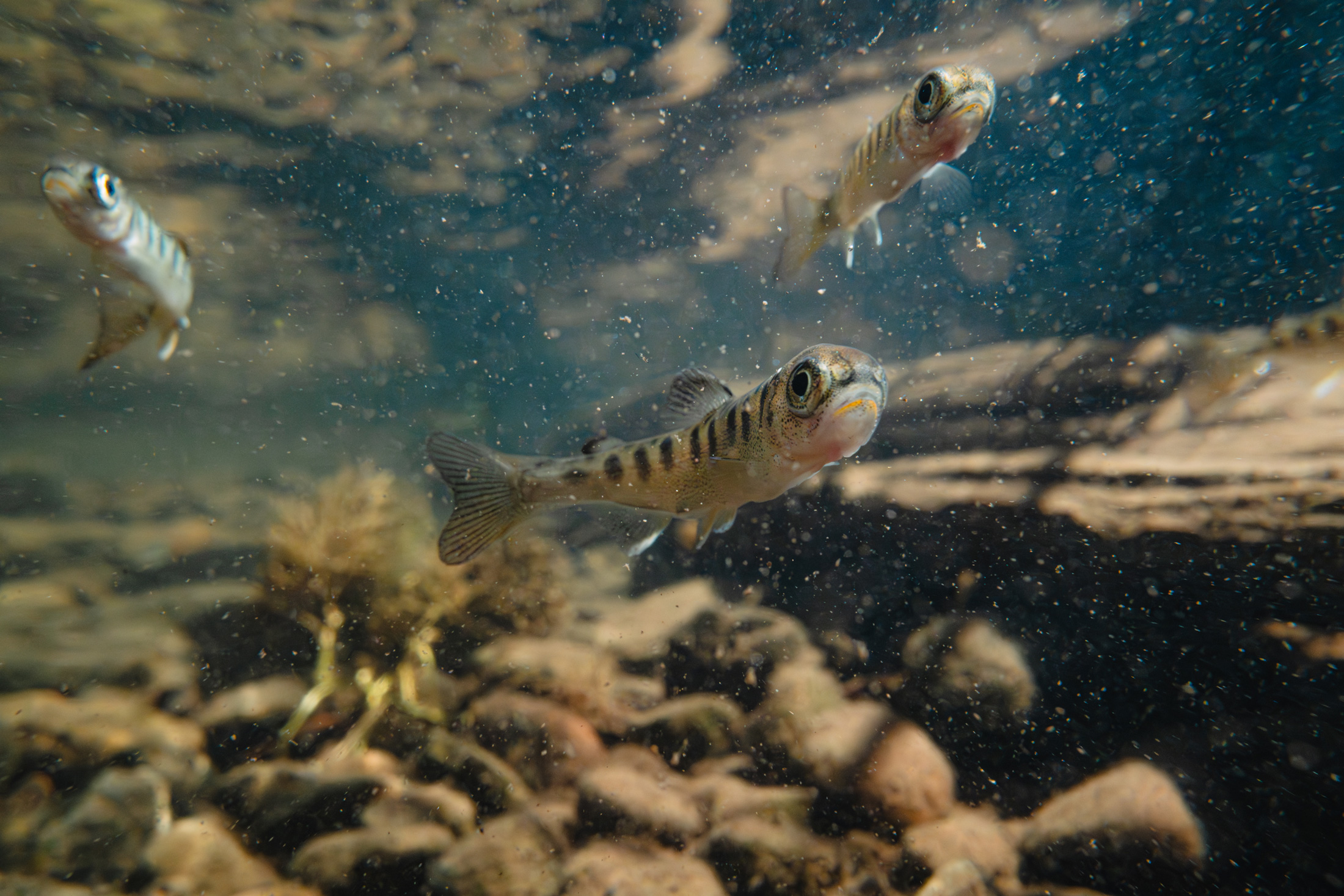
Today, after decades of advocacy and concerted efforts, a new chapter is unfolding for the Klamath River, its fish, and the Indigenous cultures it sustains. The monumental removal of four obsolete and environmentally destructive hydroelectric dams on the lower Klamath River, completed in October 2024 by the Klamath River Renewal Corporation (KRRC) and its partners, marks a turning point. These dams—Copco 1, Copco 2, Iron Gate, and J.C. Boyle—had impeded fish passage for over a century. Almost immediately following their removal, anadromous fish, including Pacific lamprey, steelhead, and fall Chinook salmon, began an unprecedented migration back into the newly accessible upper basin. Jordan Ortega, an anadromous fish specialist for the Klamath Tribes, reported that an astonishing 20 coho salmon reached as far as Oregon before the end of last year, a testament to the river’s resilience. "Almost all the anadromous species are responding favorably to dam removal," Ortega confirmed. While two dams, Kino Dam and Link River Dam, still remain in the upper Klamath River, both are equipped with fish ladders, which, though not ideal for all anadromous species, offer some degree of passage.
In a further sign of progress, the Bureau of Indian Affairs (BIA) and the National Oceanic and Atmospheric Administration (NOAA) jointly announced a competitive $5.9 million grant earlier this year, specifically earmarked for tribal salmon restoration initiatives. Chairman Ray first learned of this crucial funding opportunity through the Klamath Tribes’ downriver relatives, the Yurok Tribe. He immediately mobilized, contacting the Oregon Governor’s office and the Oregon Department of Fish and Wildlife (ODFW), with whom the Klamath Tribes had already developed comprehensive post-dam-removal strategies for fish reintroduction and monitoring natural repopulation.
However, a significant bureaucratic hurdle quickly emerged. Ray discovered that the BIA and NOAA grant was ostensibly intended only for "salmon restoration tribes." Due to the century-long extirpation of salmon from Klamath ancestral territory, the federal government paradoxically did not classify the Klamath Tribes as a "restoration tribe," rendering them ineligible for the very funding designed to restore salmon. Ray expressed his disbelief, questioning, "We’re trying to put salmon back into our territory, right? So how couldn’t we be a salmon tribe?" This administrative oversight highlighted a systemic disconnect between federal policy and the lived realities and historical injustices faced by Indigenous communities. The BIA, in an email, indicated that the funding prioritized "certain hatcheries that raise stocks of Pacific salmon," without further clarifying the criteria for tribal classification.

Fortunately, the powerful bond of inter-tribal solidarity prevailed. Mike Belchik, the Yurok Tribe’s senior water policy analyst, swiftly intervened. "First thing I did was contact Bureau of Indian Affairs and said, ‘Can you add Klamath Tribes to the list?’" Belchik recounted. Although the BIA stated it was too late in the process to amend the eligibility criteria, the Yurok Tribe, demonstrating unwavering support, applied for the grant itself and extended an invitation for the Klamath Tribes to collaborate on their application. This strategic partnership proved successful, with the BIA awarding the grant jointly to the Yurok Tribe, the Klamath Tribes, and the Oregon Department of Fish and Wildlife. Belchik clarified that the Yurok Tribe would serve as a crucial pass-through entity, channeling the funds directly to the Klamath Tribes and providing administrative support.
This act of solidarity refutes the misconception held by some who view the Yurok and Klamath Tribes as rivals in the complex arena of water rights, with perceived competition between lower basin salmon restoration and upper basin efforts to save native c’waam and koptu. Belchik firmly asserts that their relationship has always been one of collaboration, not competition. "Our council, our leadership, pledged to help the Klamath Tribes in any way they could," he emphasized. "We made a promise to them. When this funding opportunity came up, that’s who we thought of." He rightly points out that an expanded run of spring Chinook salmon benefits both tribal nations and the entire ecosystem. "We have pushed, as have the Klamath Tribes, for the treatment of the entire basin as an ecosystem of which all parts are important," Belchik explained, adding, "It’s heartfelt. My direction from council is to make that real."
The grant will primarily support the expansion and implementation of remote site incubators, an innovative approach to salmon reintroduction. Ortega detailed these incubators as sets of panels, each roughly the size of a natural salmon redd, strategically placed in the river to mimic natural spawning conditions. These incubators are designed to protect thousands of fertilized eggs from predation and environmental threats, fostering a high survival rate. "The goal is to establish these remote site incubators across a wide range of thermal and flow regimes," Ortega explained, "That way there’s as much life-history diversity as possible." He clarified that "life-history diversity" is a key evolutionary strategy for Chinook salmon, meaning they employ varied approaches to achieve successful reproduction and adaptation.
The efficacy of dam removal has already exceeded expectations. While salmon typically exhibit a strong homing instinct, with only about 5% venturing into new territories to spawn, the Klamath fish have defied these norms. Out of an estimated 60,000 to 70,000 returning fish, Ortega reported that an astonishing 13,000 migrated past the former dam sites, representing a significantly larger fraction than typically observed. The Klamath Tribes’ initial trial with remote site incubators, using 10,000 fertilized eggs from the Trinity River Hatchery, yielded an impressive hatch-success rate of over 99%, demonstrating the potential of this technology.

Just last month, a landmark event occurred: the first spring Chinook salmon in over a century returned to the upper basin. Ortega noted that, thus far, most returning salmon have been fall-run Chinook. Spring Chinook, revered for their exceptional flavor, possess a more restricted distribution, with strongholds primarily in the lower basin, specifically the Trinity River and the Salmon River, closer to the ocean. Their smaller population size compared to fall Chinook means "springers," as they are known, require additional support to re-establish themselves in the upper basin, precisely the role the remote site incubators will play.
This progress has not been without its challenges, including skepticism from some non-Native locals who historically denied salmon ever populated the upper basin. "There’s a lot of naysayers all over the place saying that we trucked them around the dams and that they were never here. Well, they’re here," Chairman Ray affirmed. He recounted overhearing conversations in a restaurant where non-Native individuals, seemingly oblivious to the historical context, expressed excitement about the salmon’s return and their desire to fish them. Ray quickly pointed out the profound irony and the critical issue of tribal treaty rights: "They said, ‘Do you know how awesome it is to have these salmon back? We can’t wait to fish them.’ Well, wait a minute. Let’s back up here a minute. This is a treaty protected resource under the Treaty of 1864. We’re the one that’s been harmed here." The treaty explicitly guarantees the Klamath Tribes’ rights to hunt, fish, and gather on their ancestral lands, rights that were severely compromised by dam construction.
Despite these lingering attitudes, Ray finds solace in the undeniable proof of salmon’s return. "It’s a blessing by Creator, because now it’s undeniable." Belchik echoes this sentiment, emphasizing that the ultimate goal of dam removal, encompassing all species from fall and spring Chinook to steelhead, is to achieve "a harvestable surplus for all," acknowledging the long-term vision of shared ecological abundance. Phil Milburn, a wildlife biologist at the Oregon Department of Fish and Wildlife, prudently states, "Everybody’s excited about the return of the fish and what that could ultimately mean. But we are probably years away from having even initial discussions about harvest, because the goal is re-establishment of these species in Oregon." The new remote site incubators are slated for installation next year, with adult springers anticipated to make their full return as early as 2030, marking a critical milestone in the restoration timeline.
Chairman Ray envisions the Klamath watershed as a beacon of ecological recovery. He attributes the success of this monumental restoration effort to the area’s unique characteristic of lacking a large metropolitan center, which often complicates such projects. "There’s an opportunity for us to set a new standard, to show America that we can restore, as humans, a watershed that’s been degraded for the last 100-plus years." He expresses immense pride that Indigenous nations are at the forefront of this groundbreaking endeavor, demonstrating the invaluable role of tribal sovereignty and traditional ecological knowledge in global conservation. "There’s a lot of positive things going on, and we’re fighting like heck," Ray concluded, his words conveying the urgency and determination required. "We have to be very speedy. We have to have all cylinders going." This historic undertaking in the Klamath Basin not only represents a triumph for ecological restoration but also a powerful affirmation of Indigenous resilience, cultural resurgence, and the global imperative to heal our planet’s vital river systems.







