Johny Prima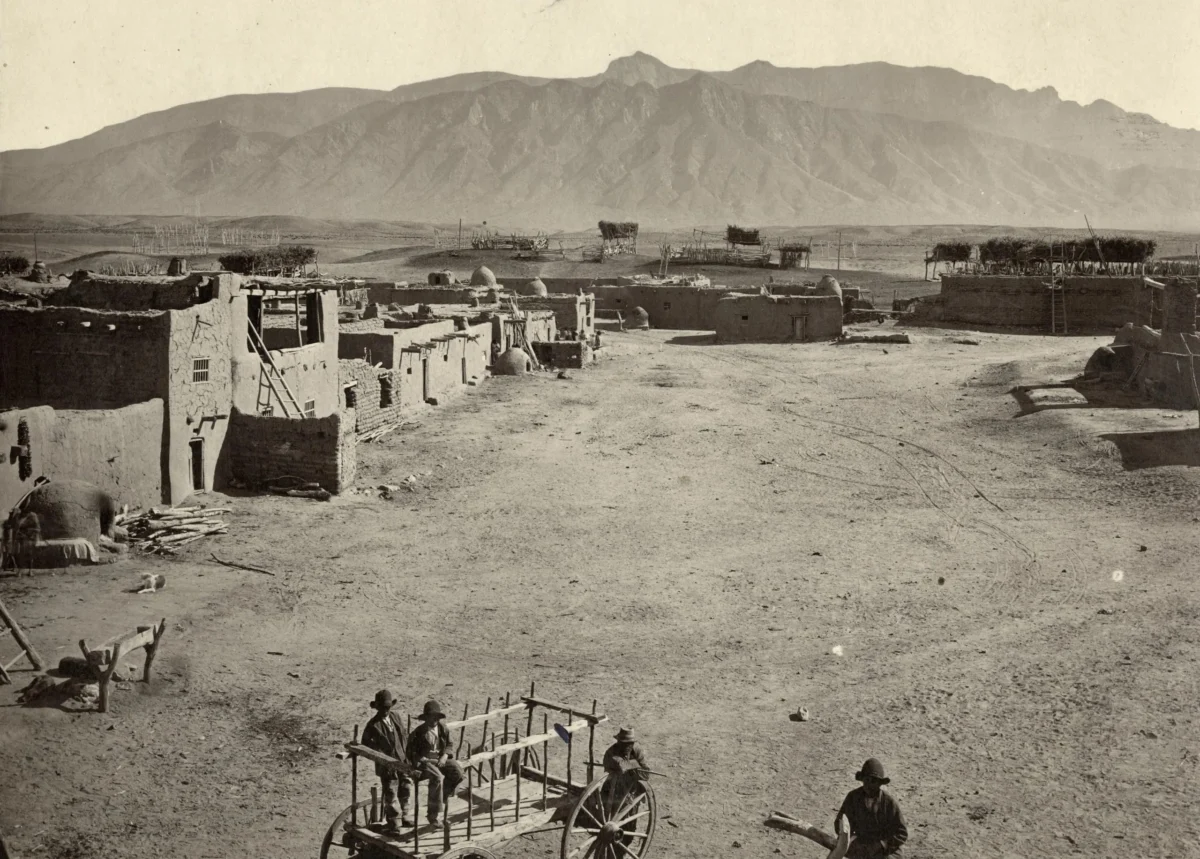
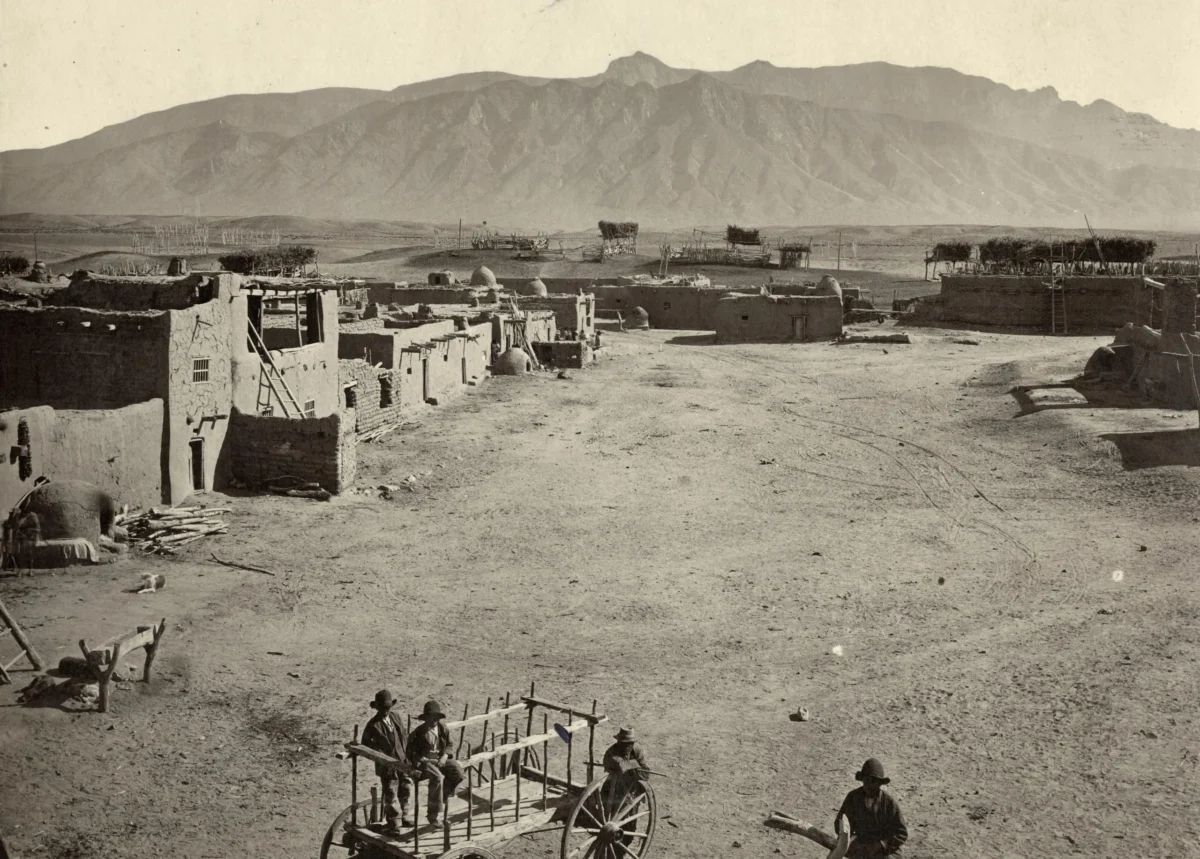
For millennia, the resilient people of the Pueblo of Sandia have nurtured an unbroken, profound relationship with Sandia Mountain and the life-giving Rio Grande, threads woven deeply into the very fabric of what is now known as New Mexico. Their stewardship of these ancestral lands and waters persisted through centuries of profound challenges, enduring the often-violent incursions and shifting political landscapes imposed first by the Spanish Crown, then by the nascent Mexican Republic, and finally by the expanding United States government. Throughout these epochs, the Pueblo maintained their sacred duties, caring for the land, sustaining its intricate ecosystems, and offering prayers for the enduring health of their communities and the delicate balance of the world around them. This deep-rooted connection is not merely historical; it is a living, breathing covenant passed down through countless generations, integral to their identity and cultural survival.
Sandia Mountain, known as T’uf Shur Bien in the Tiwa language of the Pueblo, transcends mere geography; it stands as their primordial church, a formidable protector, and an inexhaustible source of spiritual and physical well-being. Rising dramatically from the desert floor, its peaks and canyons harbor a rich tapestry of biodiversity, supporting diverse wildlife—from black bears and mule deer to golden eagles—and vital ecosystems, including piñon-juniper woodlands and ponderosa pine forests, all contributing significantly to the ecological health of the Middle Rio Grande Valley. Beyond its profound spiritual and ecological significance, the mountain offers breathtaking beauty and essential recreational opportunities for hundreds of thousands of residents and visitors drawn annually to its slopes and extensive trail systems, making it a cherished natural landmark for the entire region.
Today, the Pueblo of Sandia issues an urgent plea to lawmakers and the broader public: to honor and respect their ancient culture, their invaluable traditional ecological knowledge, and their inherent sovereignty. They seek unequivocal support for their intensified efforts to further protect Sandia Mountain, a task rendered ever more critical in an era defined by rapid climate change, escalating environmental pressures, and an increasingly unpredictable future. Central to this renewed effort is a specific legislative request: the transfer of lands within the designated T’uf Shur Bien Preservation Area from the custodianship of the U.S. Forest Service, an agency within the U.S. Department of Agriculture, to the Bureau of Indian Affairs (BIA), an agency situated within the Department of the Interior. This proposed transfer represents more than an administrative shift; it signifies a pivotal step towards restoring indigenous control over sacred sites and fostering genuine self-determination, a principle fundamental to tribal nations.
While acknowledging the diligent efforts of local U.S. Forest Service employees who have strived to protect this unique area across various political administrations, the Pueblo of Sandia observes a persistent and troubling pattern of degradation. Despite the 2022 passage of the T’uf Shur Bien Preservation Trust Area Act, which was specifically intended to safeguard these lands, the mountain continues to suffer from a range of preventable harms. Visible signs of disrespect and neglect abound, including pervasive litter and graffiti defacing natural rock formations and historical markers, evidence of severe deferred maintenance on essential infrastructure, compromised fence lines that fail to manage access effectively, the unchecked proliferation of illegal trails that erode delicate ecosystems, consistent violations of occupancy rules, and a general degradation perpetrated by individuals who seemingly hold little regard for either the sacredness or the natural beauty of Sandia Mountain. More alarmingly, the Pueblo has documented the destruction of irreplaceable cultural sites—ancient petroglyphs, ancestral dwellings, and ceremonial grounds—and relentless encroachment into sensitive ecological and ceremonial areas, places the federal government explicitly pledged to protect under the very terms of the 2022 Act. The current management framework, despite good intentions, appears insufficient to stem these ongoing threats.
The T’uf Shur Bien Act itself emerged from a protracted and often arduous legal and political struggle spanning decades, a testament to the Pueblo’s unwavering resolve. Its genesis lies in the Pueblo’s persistent endeavors to reclaim access to and authority over lands originally granted to them by the King of Spain in 1748. These aboriginal land rights were subsequently recognized and confirmed by the U.S. Congress in 1858, following the Treaty of Guadalupe Hidalgo. This landmark treaty, which ended the Mexican-American War in 1848, ceded vast territories, including what would become New Mexico, to the United States, and notably contained provisions obligating the U.S. to respect existing land grants, including those of indigenous communities under Spanish and Mexican law. Crucially, the original Spanish land grant, as recognized by Congress, unequivocally established the eastern boundary of the Pueblo’s dominion at the "main ridge" of Sandia Mountain. However, a subsequent 1859 survey, conducted hastily in a mere four days with questionable methodology, arbitrarily and erroneously meandered the boundary along the foothills near the Pueblo, rather than adhering to the clearly defined main ridgeline of the Sandia Mountain area. This egregious surveying error resulted in the unjust forfeiture of approximately 10,000 acres from the Pueblo’s rightful land grant, a profound historical injustice that has reverberated through generations and stands as a stark example of the systematic dispossession of indigenous lands in the American West.

The 2022 T’uf Shur Bien Act was a legislative attempt to partially rectify this enduring historical wrong, acknowledging the loss of those approximately 10,000 acres that had once extended to the mountain’s ridgeline. While the Act marked a significant legislative milestone in recognizing the Pueblo’s historical claims, it was not a full restoration of sovereignty or outright land return. It did, however, enshrine certain protections and rights, specifically allowing tribal members "free and unrestricted access to the Area for traditional and cultural uses," a crucial acknowledgment of their spiritual practices. Furthermore, it included vital provisions to protect private landowners residing within the claim area, ensured the perpetual defense of the area’s wilderness character, and explicitly prohibited destructive activities such as commercial logging, mining, and other forms of industrial development. Yet, the current state of the mountain, despite these provisions, underscores the critical need for a more robust and culturally aligned management approach that only the Pueblo itself can provide.
The Pueblo of Sandia has not arrived at this request lightly or without extensive, transparent dialogue. As a testament to their commitment to inclusive and collaborative governance, the Pueblo conducted more than 75 meetings with a diverse array of stakeholders. These included federal and state lawmakers, neighboring communities, local businesses, environmental organizations, and individual citizens, all engaged to meticulously explain the profound importance of this proposed land transfer to the Pueblo’s cultural continuity, spiritual well-being, and long-term environmental stewardship. Despite these exhaustive efforts, the Pueblo observes that disinformation continues to circulate within certain media outlets and among some segments of the public, perpetuating misunderstandings about their intentions and fostering unwarranted concerns regarding public access.
To unequivocally address these misconceptions, the Pueblo of Sandia firmly states that this land transfer will not result in denying access to existing landowners or responsible, respectful recreational users. When the land is transferred into trust, a legal status where the U.S. government holds title to the land for the benefit of the tribe, all authorized existing uses and activities, alongside established public rights of way for roads and essential utility corridors, will be meticulously preserved and maintained. This means visitors will continue to enjoy the majestic beauty and recreational opportunities of the area, albeit under the respectful guidance of tribal stewardship. Crucially, the lands, the vital waters, and the diverse wildlife of Sandia Mountain will not only remain protected but will benefit from an enhanced, culturally informed level of care, ensuring their preservation for present and all future generations. This commitment reflects a core indigenous principle: stewardship for seven generations to come, prioritizing long-term ecological health over short-term exploitation.
The shift in management, placing the T’uf Shur Bien Preservation Area under the direct stewardship of the Pueblo of Sandia, represents a powerful affirmation of self-determination and the inherent right of tribal nations to govern their ancestral territories. By managing these lands, the Pueblo will be uniquely positioned to safeguard its irreplaceable culture, traditions, and an ancient way of life inextricably linked to the mountain. This direct oversight enables the application of traditional ecological knowledge (TEK), a sophisticated body of understanding accumulated over millennia through intimate observation and sustainable practice. TEK offers invaluable insights into sustainable land management, water conservation, biodiversity protection, and wildfire mitigation techniques precisely tailored to the unique arid and semi-arid ecosystems of the Southwest, often proving more effective than conventional Western approaches.
Furthermore, Pueblo management promises a more effective defense against future development pressures, further environmental degradation stemming from overuse or neglect, and the escalating threat of catastrophic wildfires, which are becoming more frequent and intense across the American West due to a changing climate and historical land management practices. The Pueblo, deeply rooted in the local landscape and possessing an unparalleled understanding of its nuances, can offer localized solutions, deploy community-based resources, and implement adaptive strategies precisely tailored to the distinctive cultural and physical contours of this sacred area. Their inherent connection to the land and established community networks will facilitate more seamless and effective intergovernmental coordination efforts for emergency responses, critical public safety initiatives, and law enforcement within the preservation area, creating a more cohesive and responsive management framework. This approach aligns with a growing global recognition that indigenous communities are often the most effective custodians of biodiverse and culturally significant lands, managing a significant portion of the world’s remaining biodiversity and possessing unique knowledge systems that are crucial for addressing contemporary environmental challenges, from climate change adaptation to biodiversity loss.
To retain its profound